


The state of suicide prevention in Indian Country
Funding is a late-coming acknowledgment of a trust responsibility; the real work remains where it has always been—in the hands of the communities fighting to keep their people whole

Suicide remains a profound and multifaceted public health challenge, with rates among diverse American Indian and Alaska Native (AI/AN) communities reflecting ongoing disparities. These disparities are rooted in active U.S. government policies of forced relocation, cultural suppression through systems like boarding schools, and sustained systemic underfunding of health infrastructure by responsible federal agencies.
Despite these deep-seated inequities, the landscape in 2026 is actively shifting. Diverse Tribal Nations are increasingly asserting authority over crisis response, utilizing hard-won federal allocations—appropriated in partial fulfillment of trust and treaty obligations—to implement community-specific healing models.
Contextualizing the statistical landscape
Data from federal agencies like the CDC and the National Center for Health Statistics continue to show significant disparities between Native communities and the general U.S. population. When analyzing this data, Tribal health leaders emphasize that aggregate national figures often mask the vast regional variation that exists among the more than 570 sovereign Tribal Nations and between reservation and urban settings. Furthermore, federal data is presented alongside efforts by Tribal Epidemiology Centers (TECs) and Tribal health departments to gather, analyze, and apply data specific to their peoples.
- Aggregate Federal Estimates: Estimates by the CDC based on 2024–2025 data (reported in early 2026) place the aggregate AI/AN suicide rate at 22.5 per 100,000, which exceeds the reported national average of 13.7.
- Impact on Youth: While specific rates vary by region and nation, suicide is reported as the second leading cause of death for AI/AN youth (ages 10–24). National surveys, such as the Youth Risk Behavior Survey, indicate that Native high school students are approximately 21% more likely to report a suicide attempt in the past year than their non-Native peers.
- The Problem of Data Collection: Tribal Nations and urban Indigenous organizations have long challenged the definitive nature of federal and state statistics due to systemic errors in data collection, most notably racial misclassification on death certificates. Studies by organizations like the Urban Indian Health Institute have documented this misclassification, which likely hides the true scope of the crisis. Native data experts estimate that resulting inaccuracies could mean official mortality numbers are up to 30% lower than the actual numbers. In response, Tribes are actively working with jurisdictions to correct misclassification issues.
2026 Allocations: Tribal Advocacy Secures Funding
Following persistent advocacy by Tribal leaders demanding stable, non-discretionary funding, the 2026 federal budget included distinct allocations for Indigenous behavioral health. Tribal advocates view these funds not as "assistance," but as a necessary and delayed fulfillment of the federal government’s legal and moral trust and treaty responsibilities. Sovereign nations are using these funds to expand locally led, culturally relevant programs:
- Native Connections Program: $26.66 million is currently being utilized by Tribes and Tribal organizations to establish mental health protocols. These programs emphasize holistic approaches, often bypassing Western clinical frameworks to address the ongoing impacts of historical policies.
- 988 Tribal Response: A $20 million agreement supports Tribes in managing a vital component of the 988 system. The goal is to ensure that Native callers are connected with crisis counselors who possess a deep understanding of Tribal sovereignty, community-specific cultures, and relevant local resources.
- Zero Suicide Initiative: $4.4 million is designated for the adaptation of the "Zero Suicide" framework within the Indian Health Service (IHS) and participating Tribal health systems. This model focuses on comprehensive, systemic changes in how patient care is delivered within health systems serving Native people.
Centering Culture as Medicine
The most impactful shift in 2026 is the broad recognition—by both communities and federal partners—of "Culture as Medicine." While federal prevention strategies historically prioritized Western medical models exclusively, Tribal-led programs are now prioritizing community-specific wellness definitions. Communities are building strength by:
- Connecting to Land and Language: Revitalizing and providing access to traditional ceremonies and ancestral knowledge to serve as essential protective factors.
- Intergenerational Healing: Creating intentional opportunities for Elders and youth to connect, fostering resilience and a sense of shared belonging.
- Asserting Sovereignty in Health: Developing and managing localized care systems where individual Tribes define and deliver "wellness" for their own people.
Resources for Support (2026)
If you or someone you know is in distress, these services offer confidential, culturally informed support:
- 988 Suicide & Crisis Lifeline: Call or text 988. (You can request to speak with a counselor trained in Native cultural competency).
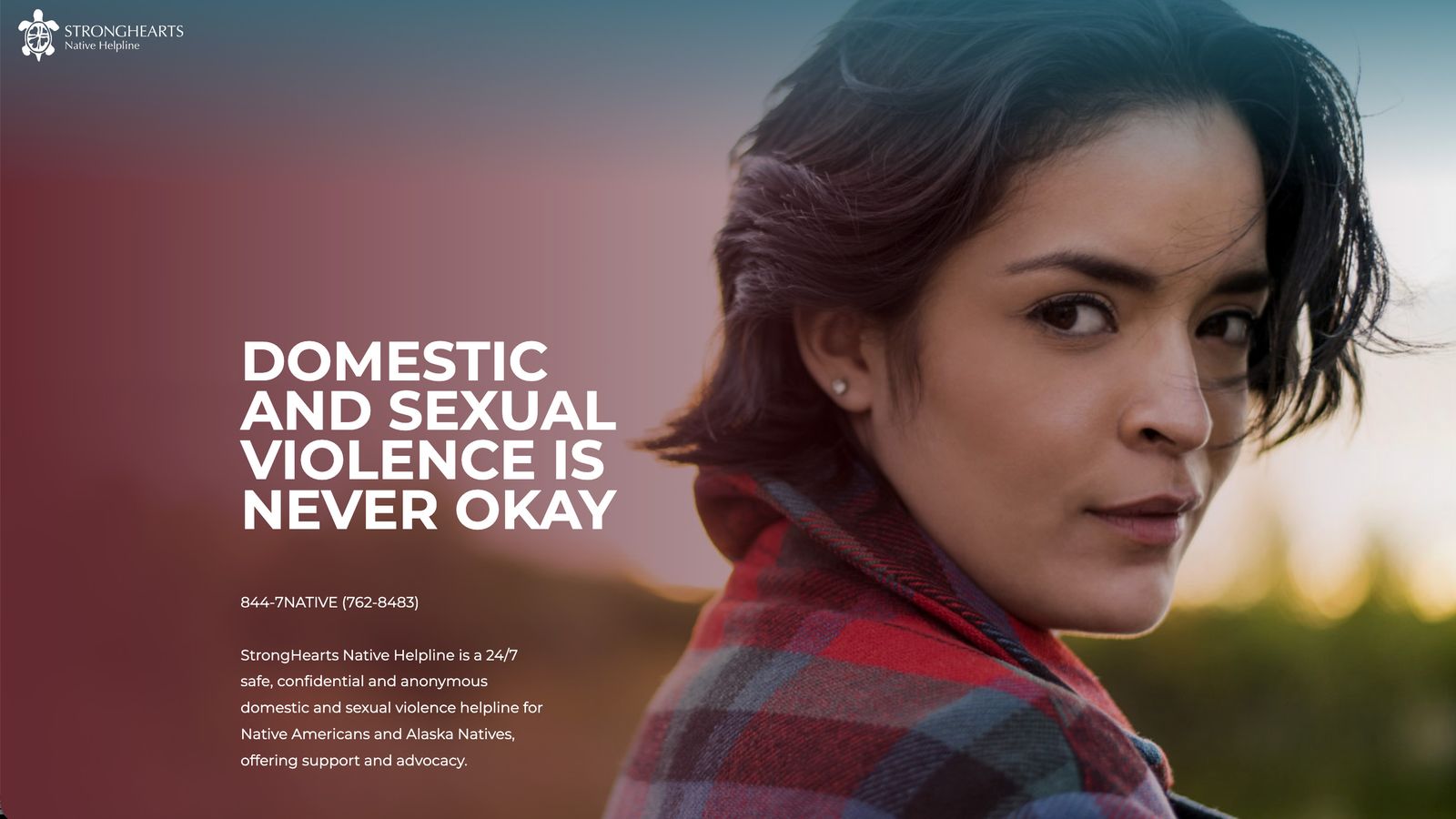
- StrongHearts Native Helpline: Call or text 1-844-7NATIVE (762-8483). (A safe, confidential domestic and sexual violence helpline for Native Americans, providing culturally appropriate support).
- The Trevor Project: Call 1-866-488-7386 or text START to 678-678. (Specialized, 24/7 support for LGBTQ+ and Two-Spirit Native youth).
- We R Native: A comprehensive health resource by and for Native youth. Visit wernative.org.
- IHS Suicide Prevention: Find links to local Tribal health contacts and specialized toolkits at ihs.gov/suicideprevention.
This report has been updated for 2026 to reflect the latest public health data and funding initiatives. It follows an original version of this story written by Vincent Schilling in 2018.
Jodi Rave Spotted Bear
(Mandan, Hidatsa/ Mniconjou Lakota)Founder & Editor in Chief
Spoken Languages: English
Topic Expertise: Federal trust relationship with American Indians; Indigenous issues ranging from spirituality and environment to education and land rights
Sharing Is Caring
This article is not included in our Story Share & Care selection.
The content may only be reproduced with permission from the Indigenous Media Freedom Alliance. Please see our content sharing guidelines.
© Buffalo's Fire. All rights reserved.
We provide independent Native-focused reporting that gives our communities the context and the facts they need to make informed decisions.
Respect The Fire
At Buffalo's Fire, we value constructive dialogue that builds an informed Indian Country. To keep this space healthy, moderators will remove:
- Personal attacks, harassment, or hate speech
- Spam, misinformation, or unsolicited promotion
- Off-topic rants and excessive shouting (All Caps)
Let’s keep the fire burning with respect.