






Cobell hearing: Govt. lawyers argue near flawless records system


I attended the Cobell vs. Salazar hearing this morning in the U.S. Court of Appeals. It was an interesting day here in Washington, D.C.
To begin: Dennis Gingold, lawyer representing a half million Native landowners, argued the U.S. government should pay Native landowners interest on land resource payments that were never distributed into Individual Indian Money accounts. At issue is a $455 million settlement awarded last August in a ruling by U.S. Distric t Judge James Robertson. In a previous district court ruling, it was determined that an adequate accounting was nearly impossible.
In court on Monday, however, government lawyers said they have operated a nearly flawless records system. They just didn't realize this until they gathered all the records and moved them to Kansas, a government lawyer told a three-man panel of judges. After a review of 250,000 reconciled accounts, dating to 1980, there were basically only two mistakes -- one missing $60 transaction and one $3,000 overpayment.
Interior Department lawyers argued they owe nothing to Native landowners, given they kept good track of all land transaction payments. And besides, even if the settlement money was distributed, "there is no rationale distribution mechanism."
Gingold said not only is money owed, but it is owed with interest. And, he said, that the money should be distributed to anyone who ever owned land. I will write much more later on the hearing. Remember, this is a blog. It's a first draft.
Must go now.
I am now sitting in a language summit.
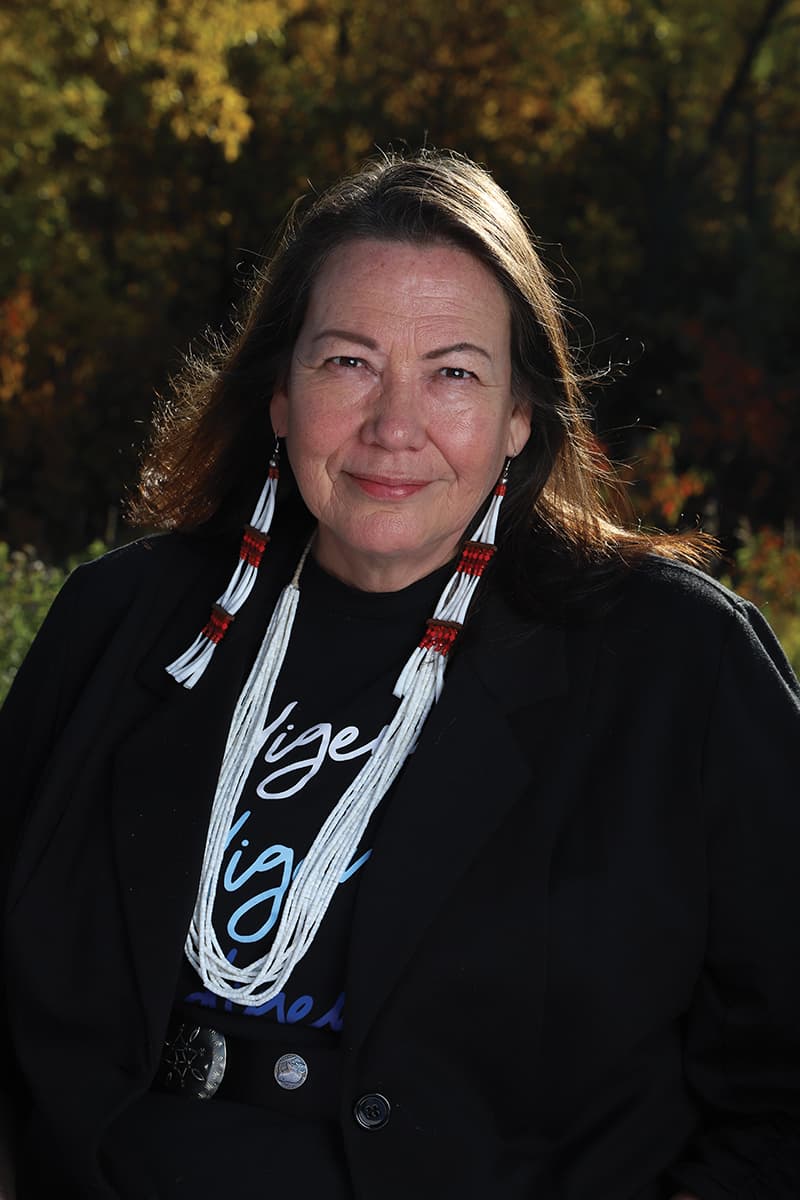
Jodi Rave Spotted Bear
(Mandan, Hidatsa/ Mniconjou Lakota)Founder & Editor in Chief
Spoken Languages: English
Topic Expertise: Federal trust relationship with American Indians; Indigenous issues ranging from spirituality and environment to education and land rights
Sharing Is Caring
This article is not included in our Story Share & Care selection.
The content may only be reproduced with permission from the Indigenous Media Freedom Alliance. Please see our content sharing guidelines.
© Buffalo's Fire. All rights reserved.
We provide independent Native-focused reporting that gives our communities the context and the facts they need to make informed decisions.
Respect The Fire
At Buffalo's Fire, we value constructive dialogue that builds an informed Indian Country. To keep this space healthy, moderators will remove:
- Personal attacks, harassment, or hate speech
- Spam, misinformation, or unsolicited promotion
- Off-topic rants and excessive shouting (All Caps)
Let’s keep the fire burning with respect.