






Custer’s scouts: traitors or warriors of duty?
150 years after Little Bighorn, advocates say Crow and Arikara scouts were devoted to their people, not the U.S. military



They rest in cemeteries alongside other Native scouts, or the white soldiers they once relayed military information to during the so-called Indian Wars of the 1800s. While some in the Native community may scorn their roles, their descendants have honored their memory through prayers and ceremonies.
Some were ready to throw punches.
“I used to drink a lot and fight in bars,” said Walter Old Elk. Sr., a Crow tribal citizen whose ancestor, Curley, served Lt. Col. George Armstrong Custer. “I was ready to challenge anybody that wanted to talk something bad about my grandpa.”
Old Elk says Curley was one of his heroes; that he’d offered to stay by Custer’s side to fight the Crow’s traditional enemies, the Sioux, on that fateful day in 1876 at the Little Bighorn. But Custer sent his scouts away before his doomed engagement with the Lakota Sioux, Northern Cheyenne, Arapaho and allied forces. So Old Elk says Curley situated himself a few hills away and watched the battle play out.
“And when it was over, he could tell what happened because the Sioux, Cheyenne and the Arapahos were singing their war victory songs,” said Old Elk. He said Curley left and boarded a steamer called the Far West and broke the news of Custer’s defeat.
“He put little sticks on the ground, and then he'd point at them and say ‘Custer,’” explained Old Elk. Curley would then sweep away all the sticks with his hand, but none of the passengers were sure what he was doing. “One guy finally caught on. ‘That’s Custer!’ And Curley said ‘Yes’ and said, ‘gone.’”
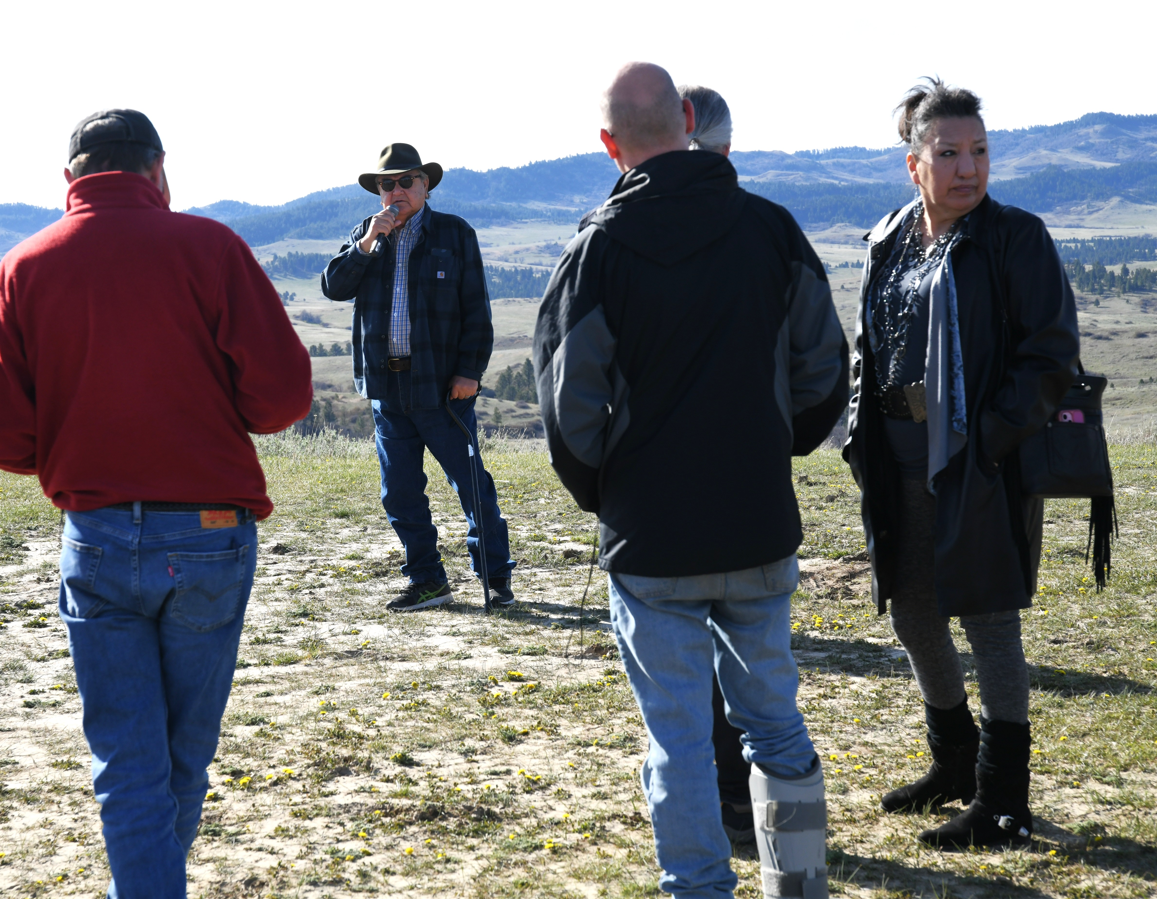
Curley didn’t realize how huge a name he’d become for witnessing one of the greatest defeats of the U.S. military. Old Elk said reporters sought out Curley more than other Native scouts, and tried to make him spin fantastic tales that included witnessing Custer’s death from the inside of a disemboweled horse, or crawling through the battlefield under a blanket. None of those accounts was true, but the sensationalism of the day drove it onto the front pages of newspapers.
“And when it was over, he could tell what happened because the Sioux, Cheyenne and the Arapahos were singing their war victory songs.”
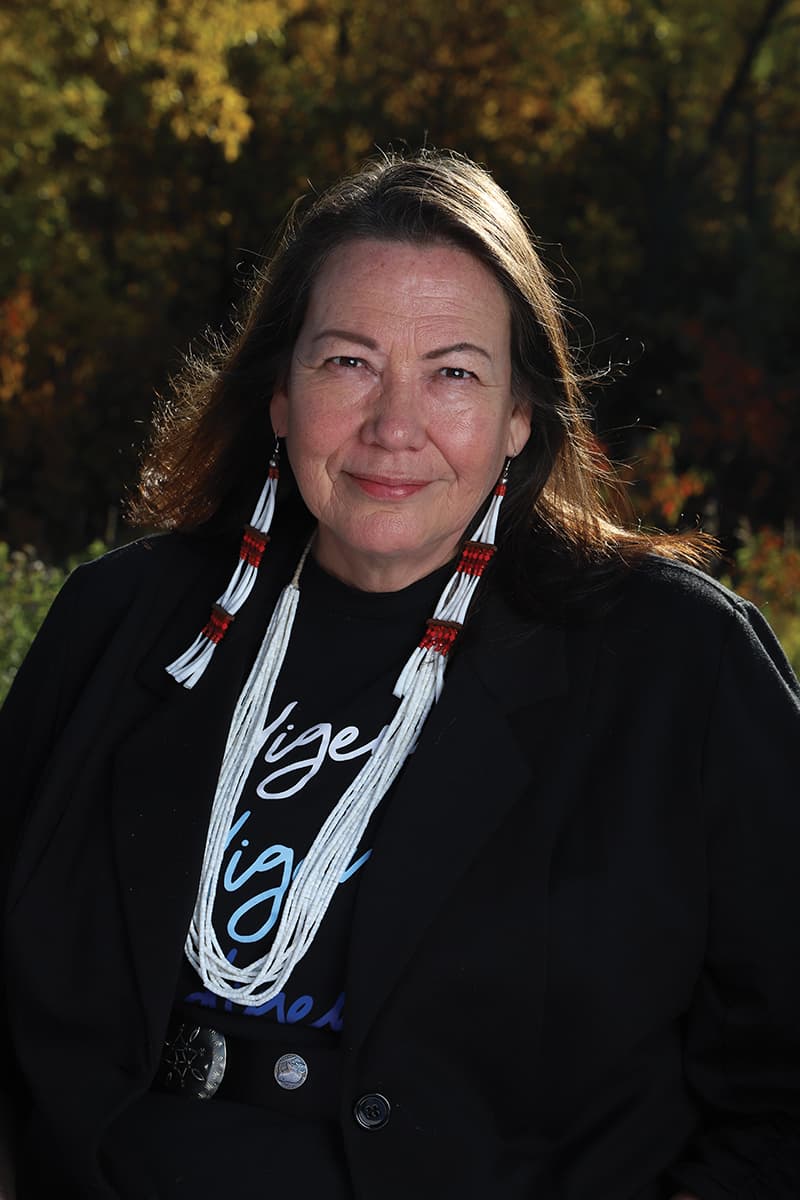
“People put words in his mouth,” said Rodney Thomas, an independent scholar and retired Army colonel. “I uncovered evidence of at least two folks that spent a good number of years traveling to Wild West shows, pretending to be Curley.”
Thomas said one of the most damning summarizations of the Battle of the Little Bighorn (Greasy Grass to Natives) was the notion that the Lakotas won the battle, but the Crows got the land. “But to the Crow, it was their land to begin with,” he said, noting that the Crows had suffered hostile encounters with many Great Plains tribes for decades, and were potentially due to be “wiped out.” It was a desire to survive as a people that spurred the Crow and Arikara to enlist as scouts for the U.S. Army, helping provide intel on their territorial enemies.
Old Elk said his grandfather died in 1923 and he’s visited his grave at the Little Bighorn National Cemetery. “That's where my mom and dad are buried too, along with about 400 other soldiers.”
History is full of complexity and nuance, especially in how tribes interacted with each other, said Loren White Jr. He’s an Arikara citizen whose grandfather, Bull in the Water, was also a scout. “History is not black and white, there’s a lot of gray.”
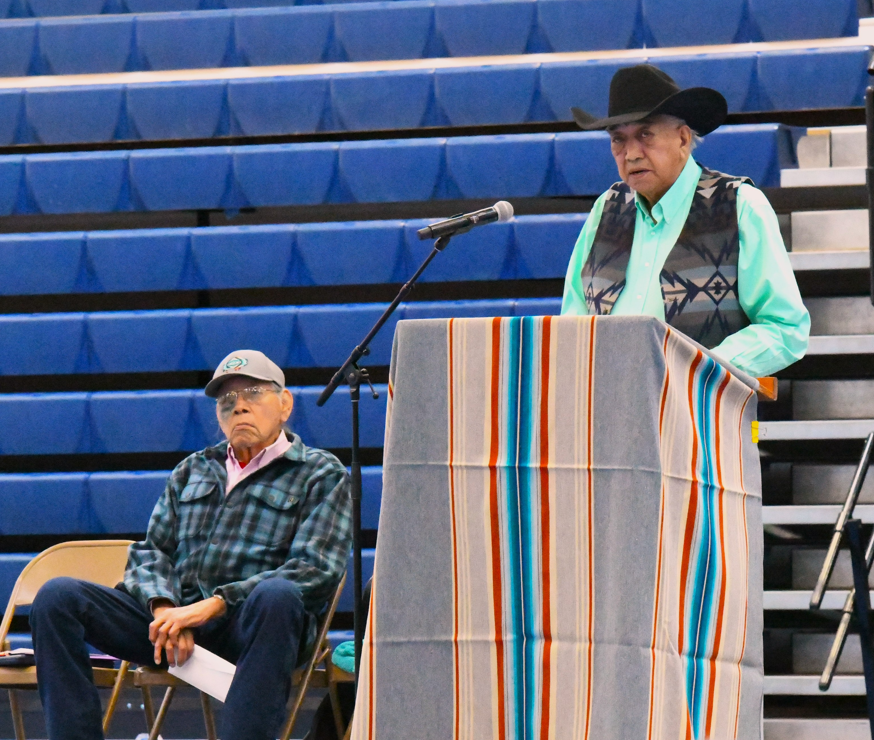
And when colonization brought disease, displacement and eventually boarding schools and the near-extinction of the buffalo, all Plains tribes were threatened.
“It's a kind of a celebration that we are all still here,” said White. “We're doing the best we can to preserve our way of life. That's the best thing to take from it.”
Bull in the Water was a leader of the Arikara’s Da-roch-pa Society, and carried a medicine bundle that White said helped him and other scouts survive the fights and skirmishes around the Little Bighorn battlefield. “They say that we used some of our medicine, some of our power there to make ourselves invisible, to go down to the river, collect water and bring it back up.”
Three days of sharing lesser-known perspectives
In April, a special symposium was held at Little Big Horn College in Crow Agency, Montana to highlight the history of Custer’s Crow scouts. With sessions titled “Sioux and Cheyenne Expansion into Crow Country From the 1840s to the 1870s” and “‘The Only Way Left Open to Us’ vs. Liars, Cowards and Race Traitors — It Depends on Who You Listen To,” this was an unexpected program leading up to the Battle of the Little Bighorn’s 150th anniversary.
Tim Bernardis, the library director at Little Big Horn College and the project director for its Crow Cultural Center, pitched the idea to the library committee last fall.
“It comes down to the people who are the educators. If they have that knowledge and that information, to share the full spectrum of what is American Indian culture, that right there is the first step in changing those misunderstandings, those misconceptions.”
“Any Crow today can tell you stories of remarks made to them by members of other tribes about Custer, or being race traitors,” said Bernardis. He said a faculty member mentioned that “younger Crows today, some of them are embarrassed to be Crow.” He said the overriding Native narrative of the battle is very Lakota-centric. “Other stories get minimized, brushed aside or just ignored.”
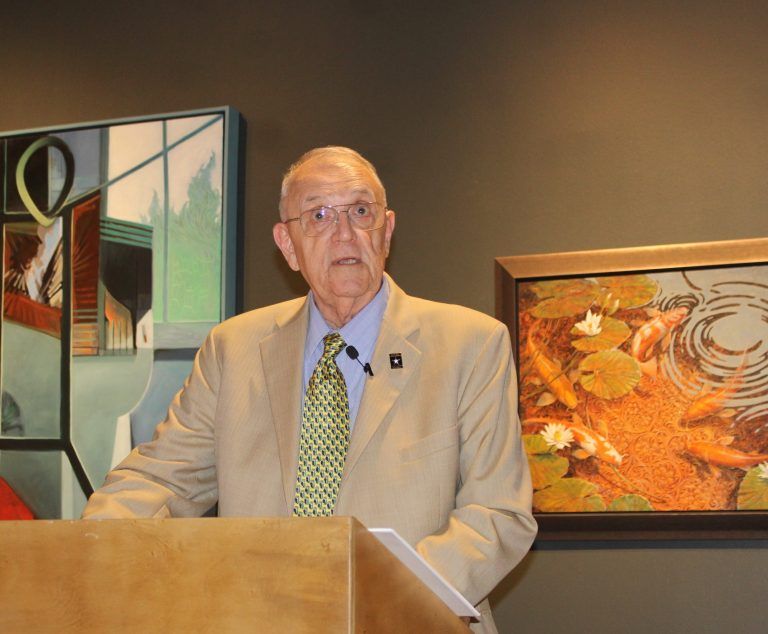
Roughly 70 people attended each of the first two days, with 25 doing a bus tour on the last day. Bernardis said while there are no plans to repeat the event, he encourages people to visit the event’s website for biographies, photos and other sections that give voice to the scouts who served with Custer in his final days.
Allen KnowsHisGun is a descendant of a Crow scout named Goes Ahead. He said he’s looking forward to continuing conversations about this unique and important history.
“It comes down to the people who are the educators,” said KnowsHisGun. “If they have that knowledge and that information, to share the full spectrum of what is American Indian culture, that right there is the first step in changing those misunderstandings, those misconceptions.”
Meanwhile, White said he isn’t sure if he’ll attend the commemorative events this week, but said he’s very excited to have recently learned the final resting place of his ancestor Bull in the Water: the Indian Scout Post Cemetery near White Shield, N.D.
“I'm gonna definitely go and visit him,” said White. “Offer a prayer and some food, the kind of thing we do when we visit our dearly departed.”
Corrections
A previous version of this story incorrectly stated the name of the retired Army colonel and independent scholar. His name is Rodney Thomas, not Rodney Taylor. The article and a photo caption have been updated to reflect the correct name.
Sharing Is Caring
This article is not included in our Story Share & Care selection.
The content may only be reproduced with permission from the Indigenous Media Freedom Alliance. Please see our content sharing guidelines.
© Buffalo's Fire. All rights reserved.
We provide independent Native-focused reporting that gives our communities the context and the facts they need to make informed decisions.
Respect The Fire
At Buffalo's Fire, we value constructive dialogue that builds an informed Indian Country. To keep this space healthy, moderators will remove:
- Personal attacks, harassment, or hate speech
- Spam, misinformation, or unsolicited promotion
- Off-topic rants and excessive shouting (All Caps)
Let’s keep the fire burning with respect.