






DOJ Publication Offers Strategies for Offender Reentry in Indian Country


The Justice Department's Office of Justice Programs (OJP) last week announced the availability of a new publication that offers promising practices and strategies for adults and juveniles who are transitioning from prison back into tribal communities.The 55-page publication, titled Strategies for Creating Offender Reentry Programs in Indian Country, provides a historical overview, including a look at the challenges that tribes, states and the federal government face, like the growing population of incarcerated Native Americans; sub-standard conditions and a lack of programming and transitional services at Indian Country jails; a lack of formal relations between tribal and state criminal justice authorities; a lack of culturally relevant care or services and tribal involvement in planning the reentry of Native American offenders at federal prisons; and issues specific to incarcerated juveniles.Strategies for Creating Offender Reentry Programs in Indian Country explores best practices for tribes and correctional facilities and practical steps for designing and developing reentry programs in tribal communities, such as community policing, which includes listening to community members about their needs and concerns on returning ex-offenders, and developing stand-alone reentry courts to monitor offenders' progress.The publication also lays out seven policy recommendations. Among them: conducting needs assessments to identify reentry programs and initiatives; researching incarceration facilities to gather information on the conditions of confinement and reintegration practices in each facility; developing model reintegration policies; developing culturally competent programming and training curricula; and conducting tribal planning sessions involving tribal, state and federal practitioners to design and implement reentry plans.At the end of the publication, there are several case descriptions, highlights of successful reentry programs in Indian Country, including theLeech Lake-Cass Wellness Court: Joint Tribal-State Jurisdiction Initiative and the Muscogee (Creek) Nation Reintegration Program. There is also a section that provides information on federal funding that is available for Indian Country reentry programs and for training and technical assistance.Strategies for Creating Offender Reentry Programs in Indian Country is available online at: www.ojp.usdoj.gov/ccdo/programs/reentry-indiancounty/.read more
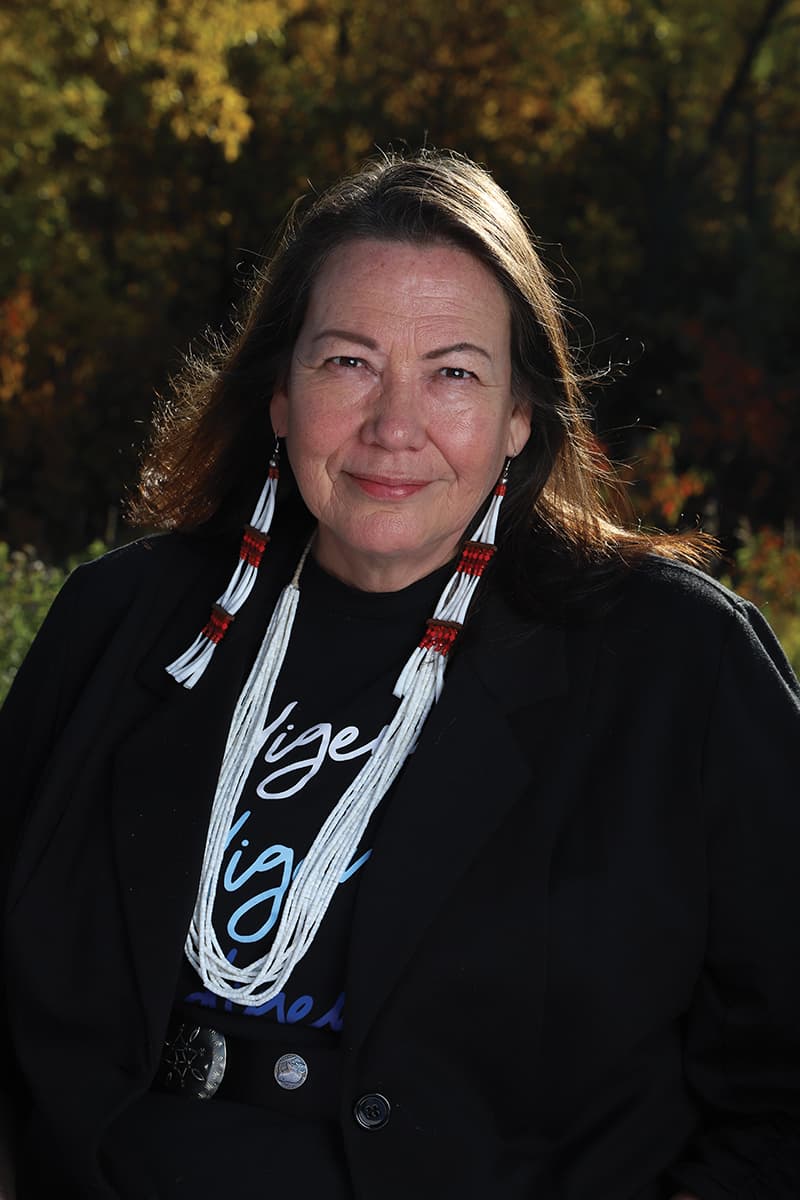
Jodi Rave Spotted Bear
(Mandan, Hidatsa/ Mniconjou Lakota)Founder & Editor in Chief
Spoken Languages: English
Topic Expertise: Federal trust relationship with American Indians; Indigenous issues ranging from spirituality and environment to education and land rights
Sharing Is Caring
This article is not included in our Story Share & Care selection.
The content may only be reproduced with permission from the Indigenous Media Freedom Alliance. Please see our content sharing guidelines.
© Buffalo's Fire. All rights reserved.
We provide independent Native-focused reporting that gives our communities the context and the facts they need to make informed decisions.
Respect The Fire
At Buffalo's Fire, we value constructive dialogue that builds an informed Indian Country. To keep this space healthy, moderators will remove:
- Personal attacks, harassment, or hate speech
- Spam, misinformation, or unsolicited promotion
- Off-topic rants and excessive shouting (All Caps)
Let’s keep the fire burning with respect.