






Doug Nash: 'Reservation Capitalism' looks at tribal economy
The book traces how federal laws and treaties disrupted long-standing trade and land relationships for tribal nations


There are many lessons to be learned from the history of economic development in Indian Country and most can be traced to the litany of federal Indian policies that have been uniformly antithetical to the interests of Indian tribes and people. Traditional tribal economies that were based upon natural resources and long-established relationships with neighboring tribes were destroyed by federal laws, policies and treaties aimed at opening tribal lands to settlement by non-Indians and confining Indian people to an ever diminishing land base on reservations. Subsequent federal programs intended to stimulate tribal economies were uniformly unsuccessful. With the advent of gaming in Indian Country, there are some conspicuous successes. Most, however, have realized much more modest gains and some, none at all.
In this book, Professor Miller delivers a blueprint for the next chapter in the history of economic development in Indian Country. It is not a review of the phenomenal economic achievements realized by a few tribes. His is a close and serious look at the need for all tribes to build – or rebuild – tribal economies and a practical analysis of how that can be accomplished. Mixed within this analysis are considerations about the impact of economic development successes with traditions, culture and tribal sovereignty.
Professor Miller provides an overview of traditional tribal economies, dispelling some myths that have persisted over time regarding individual ownership of property and wealth accumulation.
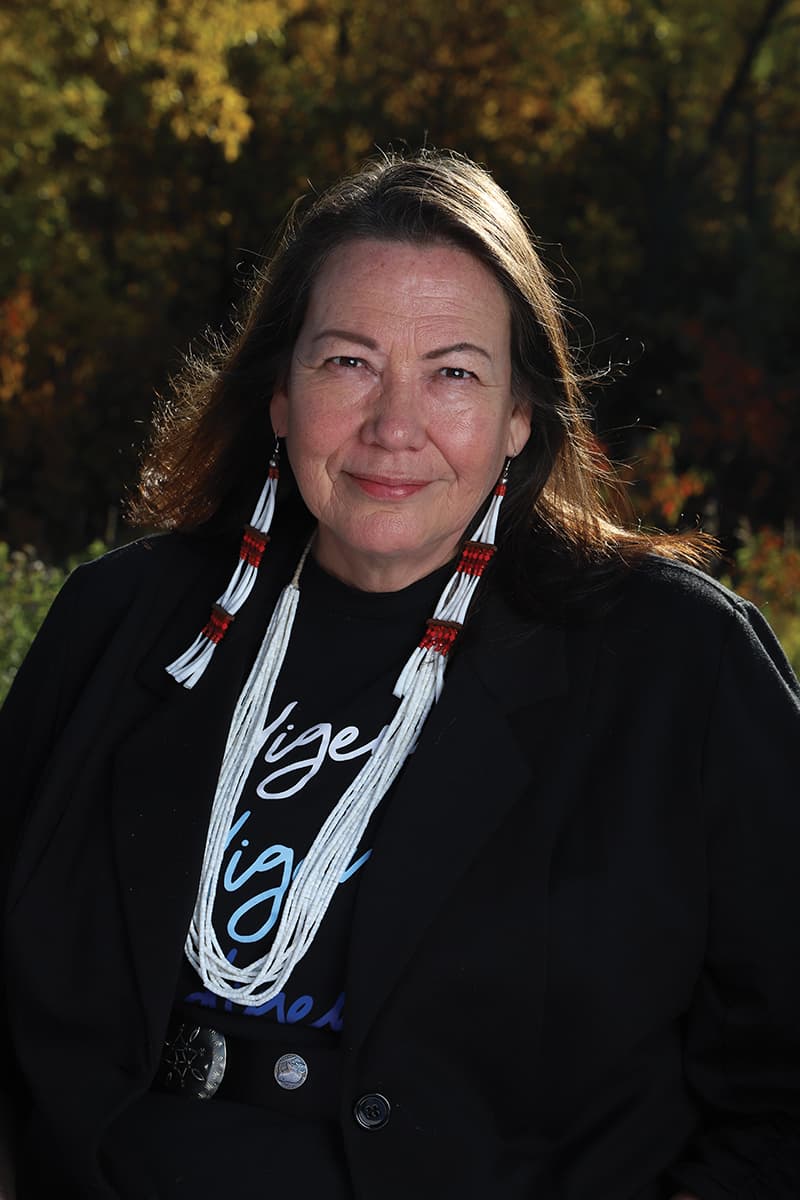
Jodi Rave Spotted Bear
(Mandan, Hidatsa/ Mniconjou Lakota)Founder & Editor in Chief
Spoken Languages: English
Topic Expertise: Federal trust relationship with American Indians; Indigenous issues ranging from spirituality and environment to education and land rights
Sharing Is Caring
This article is not included in our Story Share & Care selection.
The content may only be reproduced with permission from the Indigenous Media Freedom Alliance. Please see our content sharing guidelines.
© Buffalo's Fire. All rights reserved.
We provide independent Native-focused reporting that gives our communities the context and the facts they need to make informed decisions.
Respect The Fire
At Buffalo's Fire, we value constructive dialogue that builds an informed Indian Country. To keep this space healthy, moderators will remove:
- Personal attacks, harassment, or hate speech
- Spam, misinformation, or unsolicited promotion
- Off-topic rants and excessive shouting (All Caps)
Let’s keep the fire burning with respect.