


Free photo IDs available at North Dakota tribal nations ahead of election
Eligible North Dakota residents 18 and older without a driver’s license can receive nondriver photo IDs, which the department says are mailed within five days

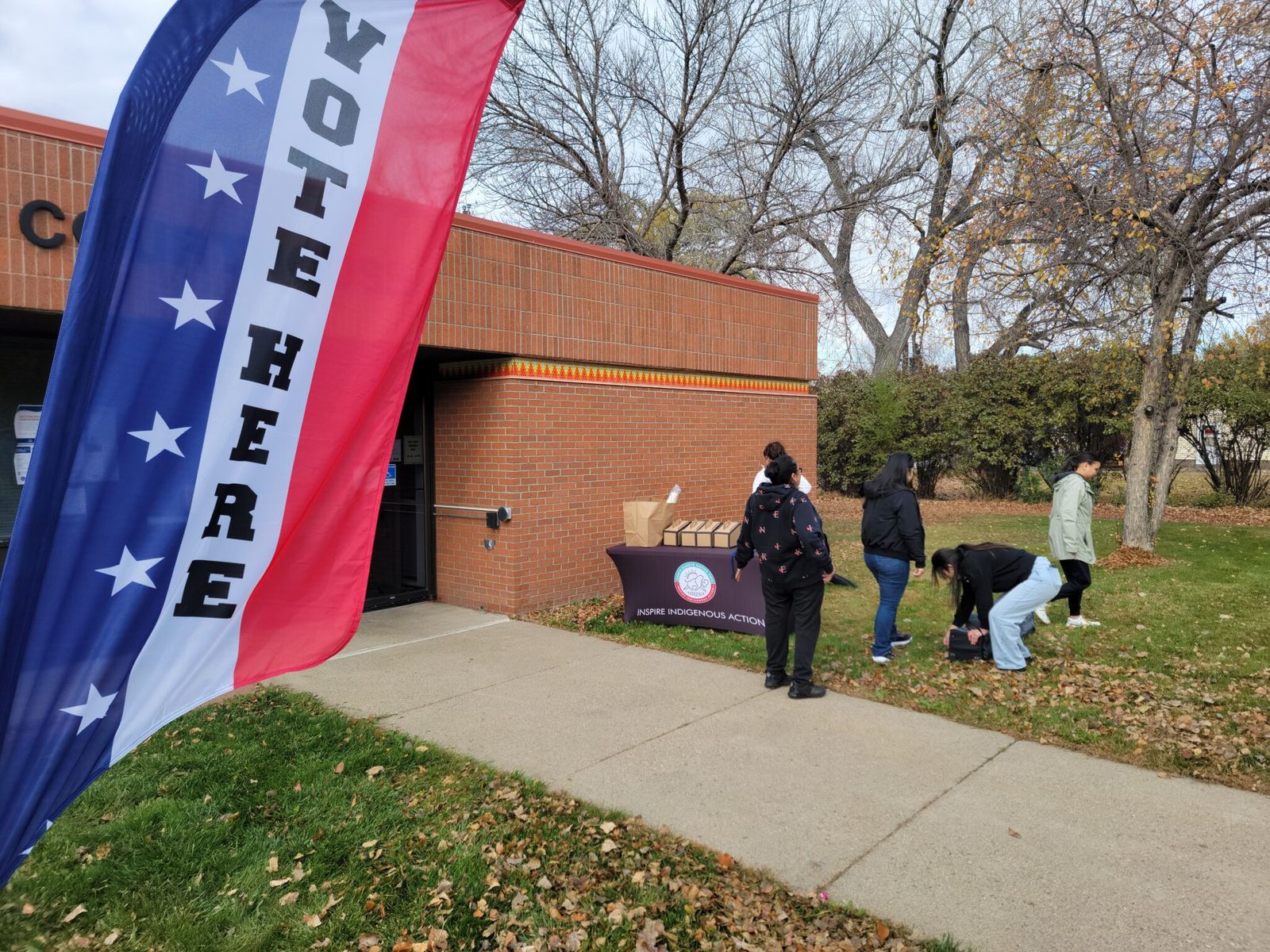

The North Dakota Department of Transportation is traveling to all five tribal nations in the state next week to provide free nondriver photo identification cards ahead of the election.
The ID cards will be issued to North Dakota residents 18 and older who do not have a driver’s license. Paperwork will be processed overnight and photo IDs will be mailed to residents within five days, the department said.
“These photo ID cards are a great option for individuals wanting to vote in the upcoming elections,” said Brad Schaffer, director of the driver’s license division for the Department of Transportation, in a statement.
The ID card events will be held at:
- Standing Rock Sioux Tribe: Monday from 10 a.m.–3 p.m., at the Sioux County Courthouse, Fort Yates.
- Turtle Mountain Band of Chippewa: Tuesday from 10 a.m.–3 p.m., at the Sky Dancer Casino, Belcourt.
- Mandan, Hidatsa, & Arikara Nation: Wednesday from 10 a.m.–3 p.m., at the North Segment Community Center, New Town.
- Spirit Lake Nation: Thursday from 10 a.m.–3 p.m., at the Blue Building, Fort Totten.
- Sisseton-Wahpeton Oyate: Friday from 10 a.m.-3 p.m., at the Dakota Magic Casino, Hankinson.
Documents needed are:
- certified birth certificate, court-issued name change and, if applicable, a certified marriage certificate, divorce decree or adoption order
- Social Security card
- proof of North Dakota resident physical address
North Dakota requires voters to present an ID with a street address. Many tribal citizens have post office boxes as their residential address.
During a Tribal and State Relations Committee meeting last month, Secretary of State Michael Howe said tribal citizens without a physical address can work with county officials to obtain an enhanced 911 address that will tie a physical address to a phone number.
Howe told lawmakers he wants every qualified elector to vote in the state’s elections, and the voter ID events help accomplish that goal.
The acceptable forms of identification for voting in North Dakota are: A North Dakota driver’s license; a nondriver state-issued ID card; a tribal ID or a tribal letter, and certificate from a long-term care facility.
During the legislative meeting, Rep. Collette Brown, D-Warwick, expressed concern to Howe about poll workers not being educated about what a tribal ID looks like. Howe said his office would raise that issue with county election officials across the state.
Daniela Aki, director of civic engagement for the Sacred Pipe Resource Center in Bismarck, said the ID roadtrip to tribal areas is important to improve relations between Native tribes and the state.
“A lot of times we are expected to come to Bismarck,” Aki said. “Kudos to them. This is really needed.”
For questions about the photo ID events, call 1-855-633-6835. For more information about North Dakota voting requirements, visit vote.ND.gov.
Michael Achterling is a reporter based in Bismarck. He recently worked as digital editor and city government reporter for the Detroit Lakes Tribune in Minnesota and as news director for KDLM/KRCQ/KBOT, a part of Leighton Broadcasting. You can reach him at machterling@northdakotamonitor.com. North Dakota Monitor is part of States Newsroom, the nation’s largest state-focused nonprofit news organization.
Michael Achterling, North Dakota Monitor
Sharing Is Caring
This article is not included in our Story Share & Care selection.
The content may only be reproduced with permission from the Indigenous Media Freedom Alliance. Please see our content sharing guidelines.
© Buffalo's Fire. All rights reserved.
We provide independent Native-focused reporting that gives our communities the context and the facts they need to make informed decisions.
Respect The Fire
At Buffalo's Fire, we value constructive dialogue that builds an informed Indian Country. To keep this space healthy, moderators will remove:
- Personal attacks, harassment, or hate speech
- Spam, misinformation, or unsolicited promotion
- Off-topic rants and excessive shouting (All Caps)
Let’s keep the fire burning with respect.