


Landmark election: Two women vie for OST presidency on Nov. 17
Oglala Sioux Tribe candidates promote community engagement, government transparency

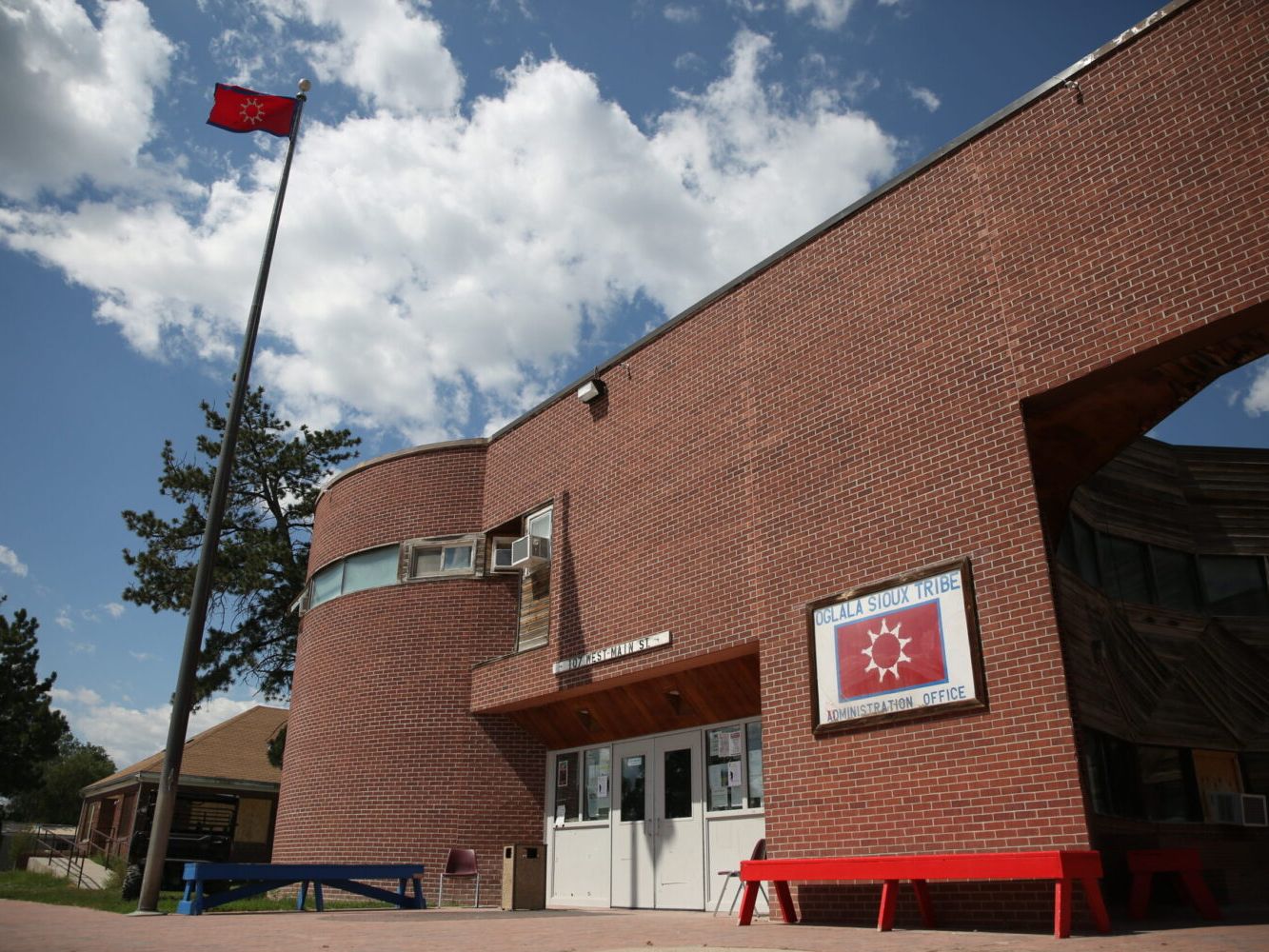
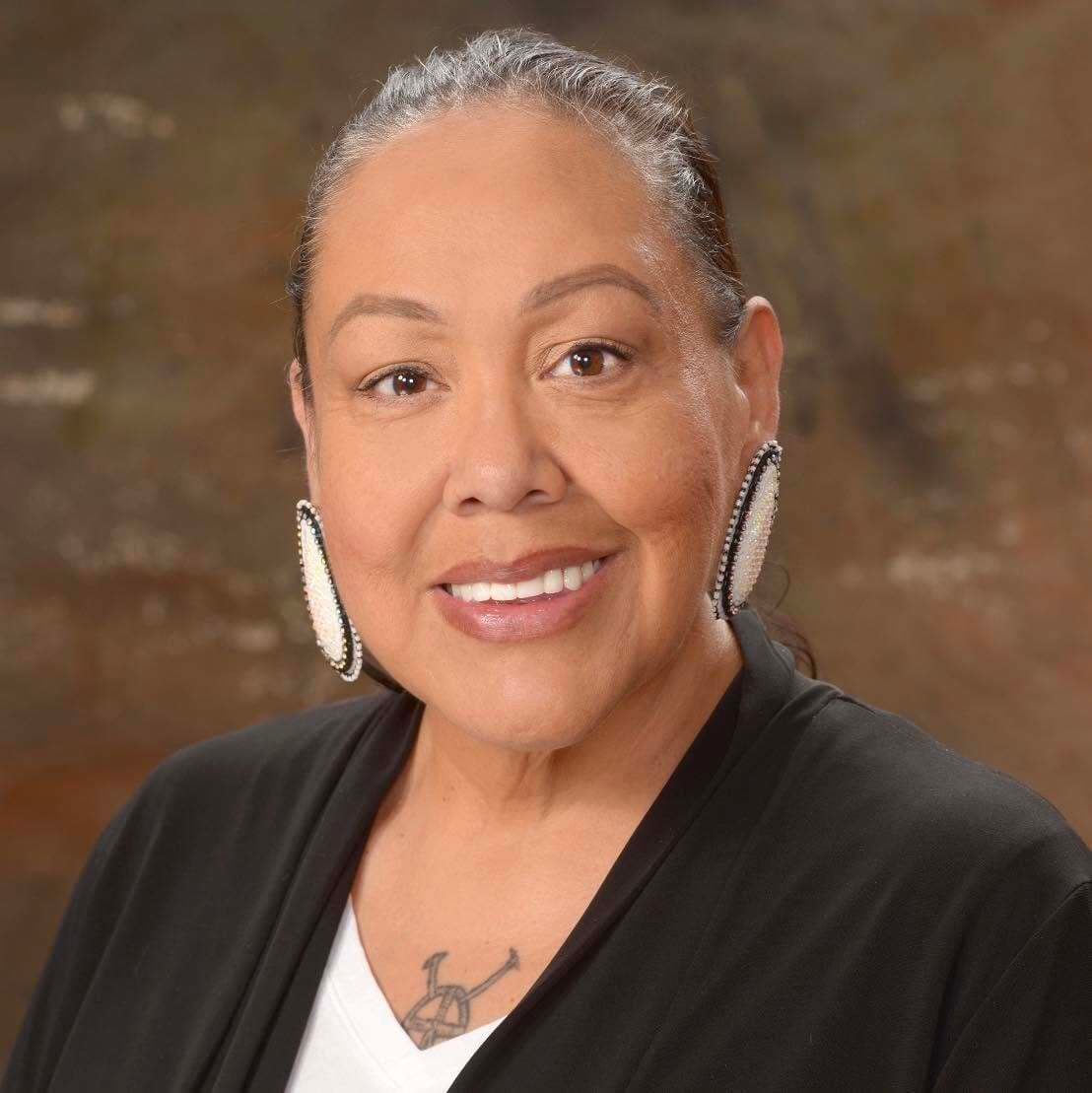
The Oglala Sioux Tribe’s Nov. 17 presidential election marks the first time two women have faced each other in a general election for the tribe's highest office.
Henny Whalen and current OST Vice President Alicia Mousseau emerged earlier this month from a special presidential primary election as the final two candidates.
While women have previously served as president of the Oglala Sioux Tribe, available election records and accounts from longtime tribal observers note that this is the first all-women presidential contest in the tribe's modern political history.
The election comes as tribal citizens weigh questions about governance, election administration, public accountability, community engagement, housing, health care, economic development and public safety. The unusual circumstances surrounding this year's election have also focused attention on transparency and public confidence in tribal institutions.
For many voters, the significance of the race extends beyond the candidates themselves.
Lakota women have long held leadership roles within their families and communities, serving as educators, culture bearers, advocates and organizers. Across Indian Country, Indigenous women have increasingly assumed leadership positions in leadership roles, such as tribal presidents, council representatives, judges and administrators.
Meanwhile, the road to the historic OST general election was marked by controversy.
The tribe was required to hold a special presidential primary after the original primary election was set aside due to concerns about ballot-handling procedures. Tribal officials ordered a second election to determine which candidates would advance to the general election.
The decision generated extensive public discussion throughout the reservation regarding election procedures, governmental accountability and confidence in the electoral process. Some tribal citizens questioned how the original election was conducted, while others emphasized the importance of ensuring election laws and procedures were followed.
Those discussions have continued beyond the primary as voters consider not only who should lead the tribe, but also how tribal institutions can maintain public trust.
Mousseau has largely centered her campaign on community-based leadership and the interconnected nature of issues facing tribal citizens. Drawing on her background in public health and prevention work, she has emphasized collaboration, family support systems and community partnerships.
In campaign statements, Mousseau has referenced her work with the Oglala Lakota College Diabetes Prevention Program and Tiwahe Gluwas'akapi, a prevention initiative serving youth and families. She has argued that challenges such as substance abuse, health disparities and housing insecurity are interconnected and require coordinated solutions.
"Our issues are interconnected, and our solutions must be as well," Mousseau said in a campaign statement.
Whalen's public profile has been shaped by her involvement in tribal governance, election procedures and governmental accountability. Over the years, she has been associated with efforts to challenge election-related decisions and advocate adherence to tribal laws and procedures.
As a result, some voters view the race as presenting differing approaches to leadership. Mousseau has emphasized relationship-building and community engagement. Whalen, who has promoted issues such as job creation, student concerns and housing shortages, has been more closely associated with election oversight and government accountability.
The issues raised during the campaign also mirror broader conversations occurring throughout Indian Country.
Last month, the National Congress of American Indians adopted the resolution "Support of Freedom of Information and Independent Native Media." The resolution affirms support for freedom of information, independent Native media and public access to information concerning tribal government activities. It builds upon a 2003 NCAI resolution supporting a free and independent Native press and states that access to information and a free press are important components of transparent tribal governance.
According to the resolution, Native citizens have the right to seek, receive and share information, while tribal governments benefit from open communication and an informed public. The measure encourages support for independent Native journalism and freedom-of-information practices within tribal communities.
Supporters contend that transparency and access to information help strengthen tribal governance, increase accountability and build public trust. Those themes have become particularly relevant during the current OST election cycle as tribal citizens continue to discuss the importance of accountability, transparency and effective leadership.
At the same time, both presidential candidates have pledged to address issues affecting communities throughout the reservation and improve conditions for tribal citizens.
The election also reflects broader trends across Indian Country, where Indigenous women continue to occupy increasingly visible leadership roles in tribal governments, nonprofit organizations and advocacy organizations.
For the Oglala Sioux Tribe, however, the race's significance is rooted in its own history.
Regardless of the outcome, the Nov. 17 election marks a notable moment in the tribe's political history, as a woman will lead the OST for the third time ever — and the first time since 2010.
Sharing Is Caring
This article is not included in our Story Share & Care selection.
The content may only be reproduced with permission from the Indigenous Media Freedom Alliance. Please see our content sharing guidelines.
© Buffalo's Fire. All rights reserved.
We provide independent Native-focused reporting that gives our communities the context and the facts they need to make informed decisions.
Respect The Fire
At Buffalo's Fire, we value constructive dialogue that builds an informed Indian Country. To keep this space healthy, moderators will remove:
- Personal attacks, harassment, or hate speech
- Spam, misinformation, or unsolicited promotion
- Off-topic rants and excessive shouting (All Caps)
Let’s keep the fire burning with respect.