




Native leader, double lung recipient, encourages all to register as organ donors

One donor can save and enhance up to 75 lives through organ, eye, and tissue donations.
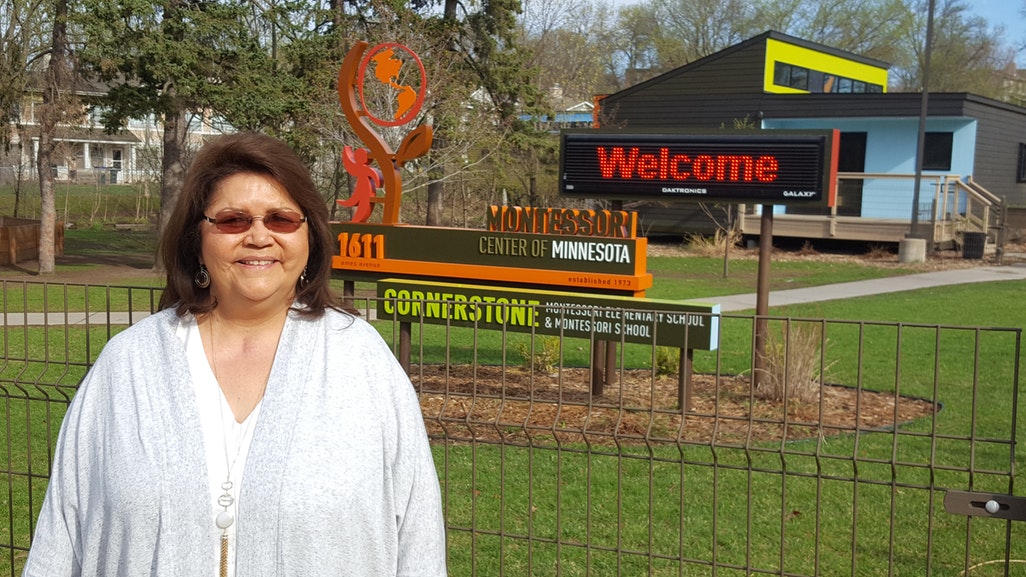
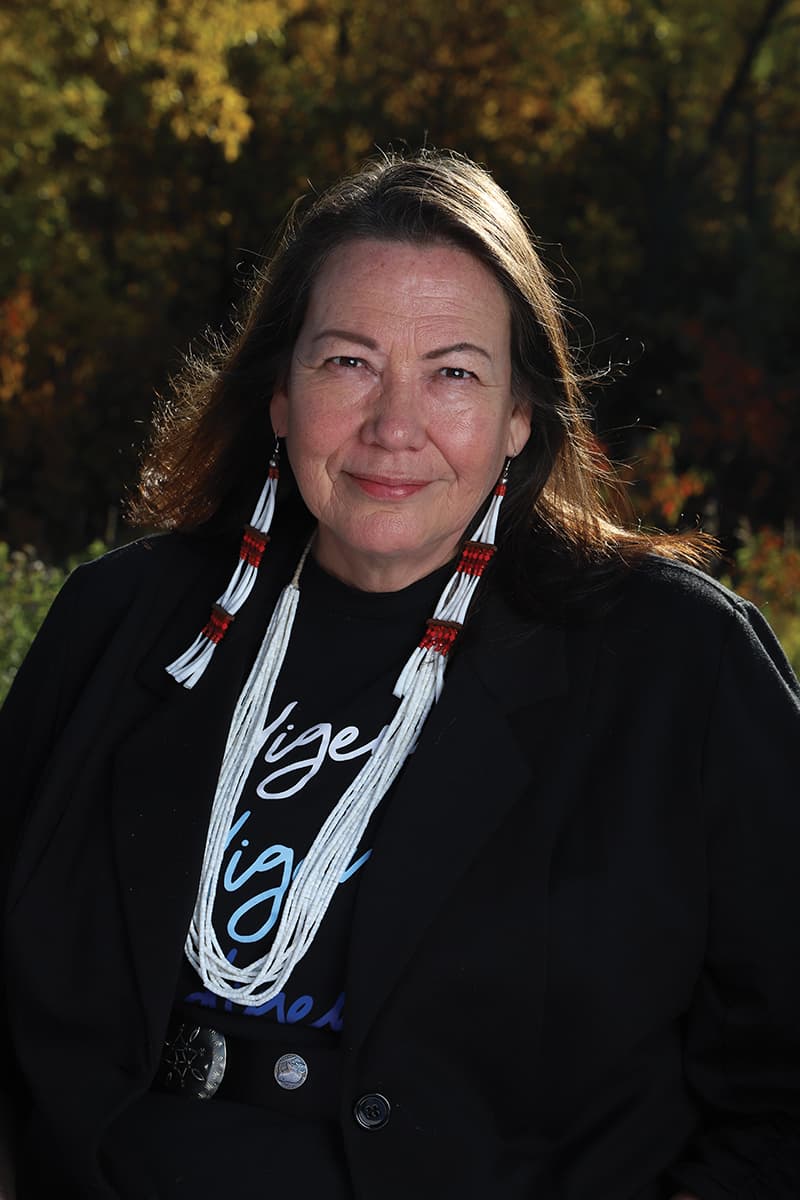
Norrine Smokey-Smith is often thinking of ways to inspire people to become registered donors. As a double lung recipient, volunteer for Donate Life Northwest, and member of the Washoe Tribe of Nevada and California, she is uniquely aware of the health challenges facing American Indians.
- American Indians and Alaskan Natives are 50 percent more likely to have kidney failure than White Americans.
- Right now, 1,124 American Indian and Alaskan Natives are waiting for an organ transplant in the United States.
- Last year, 63 American Indians died while waiting for a transplant.
What is the solution? More registered donors. One donor can save and enhance up to 75 lives through organ, eye and tissue donations.
“Our population is in great need. And we’re trying to encourage others within our Native community to consider giving as well. It doesn’t matter what color you are,” said Smokey-Smith.
During the weeks of July 8-21, Smokey-Smith is part of Donate Life Northwest’s campaign to raise awareness in multicultural communities about the importance of organ, eye, and tissue donation and transplantation. The campaign is called ECHO – Every Community Has Opportunity, the opportunity to save and enhance lives.
Before her double lung transplant in March 2016, Smokey-Smith lived a full life as an educator, mother, wife, and Washoe tribal member. She served on her tribal council for 12 years, has served on numerous tribal committees and nonprofit boards, and led the Indian Education Project for Portland Public Schools in Oregon for 15 years.
“My life’s work has been focused on education equity and social justice. Now that includes educating my community about organ, eye, and tissue donation. Everyone should register as a donor. It’s just the right thing to do. Only 1% of registered donors are actually eligible to become donors, so we need everyone to register. Donation saves lives,” Smokey-Smith said.
After a diagnosis of Nonspecific Interstitial Pneumonitis in 2002, Norrine was one of the lucky ones who received the organs she needed to live. On March 15, 2016, she and her husband drove to University of Washington Medical Center in Seattle for her lifesaving transplant from a generous donor.
“I am forever indebted to my donor and their family for giving me the gift of life. I am incredibly grateful for each day the Creator blesses me with. Coming so close to death makes one realize how very precious life is,” Smokey-Smith said.
Smokey-Smith continues to give back by talking about organ, eye, and tissue donation, and supporting others who are waiting for donations. Last year, she and her husband created a video telling her story for the national ECHO campaign. They won third place and were featured in social media and on the national Donate Life America website.
This year Norrine and many other Donate Life Northwest volunteers will be educating their communities about the importance of organ, eye, and tissue donation. Anyone can participate:
- Register to be an organ donor at www.donatelifenw.org/
- Share your donation or transplant story on social media using the hashtag #DonateLifeECHO and tagging @DonateLifeNorthwest (Facebook), and @donatelifenw (Instagram and Twitter).
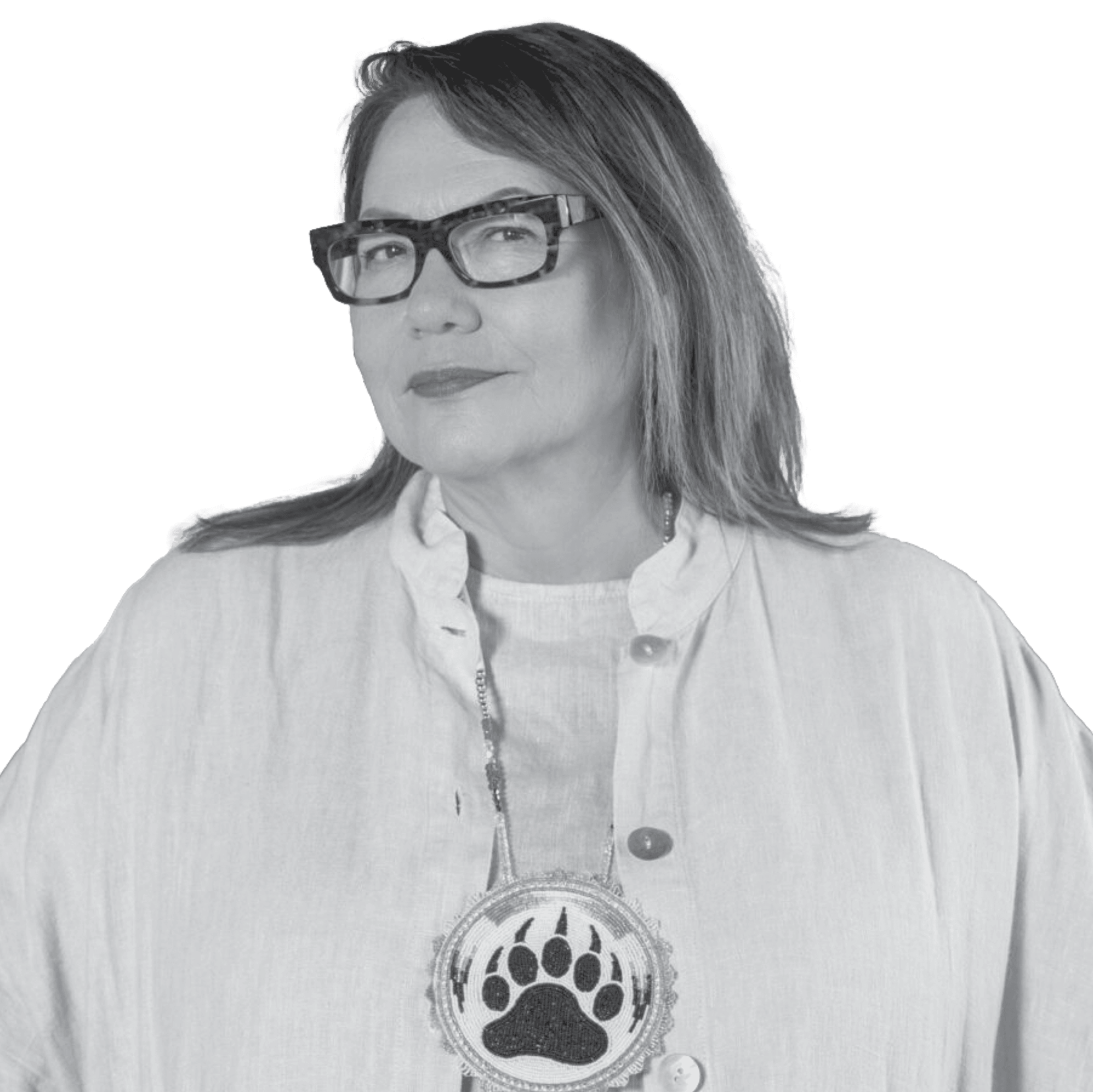
Jodi Rave Spotted Bear
(Mandan, Hidatsa/ Mniconjou Lakota)Founder & Editor in Chief
Spoken Languages: English
Topic Expertise: Federal trust relationship with American Indians; Indigenous issues ranging from spirituality and environment to education and land rights
Sharing Is Caring
This article is not included in our Story Share & Care selection.
The content may only be reproduced with permission from the Indigenous Media Freedom Alliance. Please see our content sharing guidelines.
© Buffalo's Fire. All rights reserved.
We provide independent Native-focused reporting that gives our communities the context and the facts they need to make informed decisions.
Respect The Fire
At Buffalo's Fire, we value constructive dialogue that builds an informed Indian Country. To keep this space healthy, moderators will remove:
- Personal attacks, harassment, or hate speech
- Spam, misinformation, or unsolicited promotion
- Off-topic rants and excessive shouting (All Caps)
Let’s keep the fire burning with respect.