






Natives in Montana weigh in on Roadless Rule repeal as public deadline approaches
Forest Service has honored less than half of formal consultation requests



The Forest Service recently extended its public input deadline on the 2001 Roadless Rule to Oct. 6, giving 15 more days to commenters and tribal leaders who haven’t yet expressed their views on proposed changes to the environmental law.
The Roadless protections prevent commercial timber harvests and new road development in parts of many national forests — but the federal government claims these regulations stand in the way of economic opportunities and wildfire prevention.
Tribal leaders who have participated in the formal consultation process bring special considerations to the ongoing conversation among federal officials, recreators, biologists and other interested groups.
In Montana, conservation organizations estimate approximately 6 million acres of protected land are at risk for logging and road-building if Roadless isn’t upheld. The wild places that could be impacted include sacred sites like the Crazy Mountains, recreation hotspots like the Jewel Basin and wildlife habitat like the Beartooth Front.
Crow educator Shane Doyle in Bozeman has fought for protections to traditional tribal land and resources alongside environmental allies statewide. Doyle is currently working with The Nature Conservancy on its Indigenous relations work throughout North America. He recently shared his concerns about the numerous downstream effects that could impact Montana if the Roadless Rule goes away.
“It’s a disaster,” Doyle said. “I feel awful.”
He’s worried about losing the public lands so integral to Montana’s landscape.
“Folks here in Montana, especially those of us who grew up here, we take it for granted,” he said. “It’s the last best place for sure.”
Concerns about the tribal consultation process
Doyle grew up in Crow Agency, but on his travels around the country he said he’s seen how human development has wiped out natural landscapes. Doyle is concerned that the erosion of Roadless protections could accelerate climate change through deforestation, undermine climate resilience by altering the ecosystem and eliminate habitat that supports sacred animals. And for tribes like the Crow in Montana, Doyle said the government’s approach to Roadless could create serious implications for trust and treaty rights.
“It would really impact treaty rights in ways that we don’t really know fully yet,” he said. “But I would say when you strip down the Roadless Rule, it's stacked like a tablecloth with all these different dishes on top. When you pull that out from under it, the kind of chaos it’s going to create — I could just see decades of lawsuits.”
Doyle highlights the risks from potentially removing the environmental underpinning to many additional pieces of land, cultural and wildlife protection. And his anxieties echo in the Roadless responses shared by tribes and Native-led organizations nationwide.
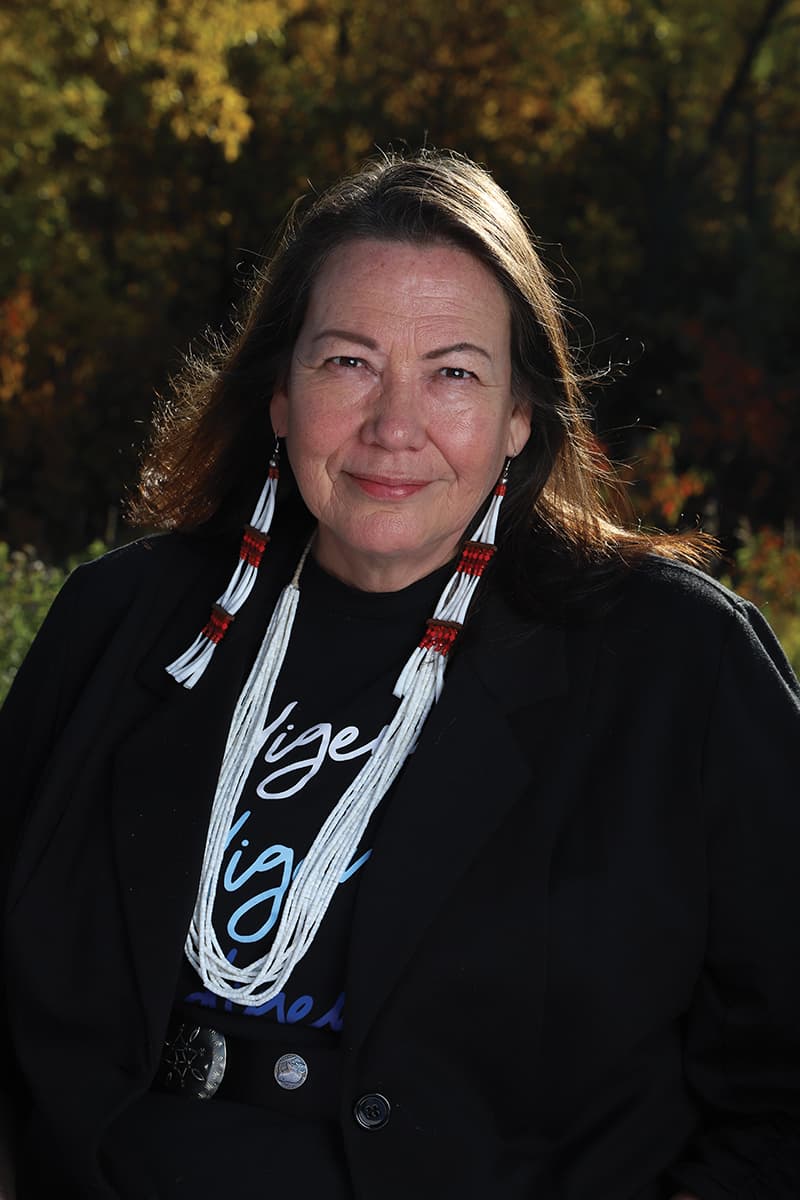
Starlyn Miller is the Native Lands Partnerships senior director at The Wilderness Society, where her background as a Little Shell Chippewa citizen and descendant of Menominee and Mohican heritage informs her work with tribal partners across the country. Miller and her small team have engaged with more than 200 tribal nations and Indigenous-led organizations through the Tribal Hub, which provides resources tailored specifically to Native leaders interested in Roadless changes.
“There are real concerns about that tribal consultation process and where that’s at,” she said. “They’re not saying they're against it or for it. They want to be heard.”
On Aug. 20, the Forest Service reported it had received 64 requests for government-to-government consultations with federally recognized tribes about the Roadless Rule. Of those requests, the agency stated, 29 consultations had taken place since tribes were notified of the potential changes in July 2025.
With less than a month to go before the comment period closes on Oct. 6, Miller said tribes and advocates are alarmed that the consultation process is being fast-tracked.
Miller said she has heard serious concerns from Native leaders involved in the Roadless process about clean water, subsistence, climate and sacred sites. She acknowledged different participants in the consultation have brought unique perspectives into the conversation. One Native development corporation in Alaska is cited in the Forest Service’s summary of tribal consultation as a supporter of the Roadless Rule rescission, based upon economic interests.
“Tribal nations are not monolithic,” Miller stressed. “I know tribes. They will fight for what is right for them.”
In the line of fire
Miller said reducing wildfire risks, one of the primary motivations given by the federal government for the potential Roadless repeal, is a red herring.
Massive cuts to the firefighting workforce, resources and research at the federal level run contrary to the alleged aims of wildfire mitigation, Miller pointed out. And the devastating wildfires that have ravaged the American West and parts of the Upper Midwest this summer illustrate the ongoing effects of those decisions, she added.
Miller also cited her organization’s research detailing how more roads in forests result in more human-caused fires. And she noted how existing protections under the Roadless Rule allow for fire as a preventative measure where appropriate, a practice consistent with many tribes’ traditional wildlife management.
“We can be in harmony,” she said. “We can be in better balance with our environment and our surroundings.”
Thomas Ten Bear, fire and forestry director for the Crow Tribe in Montana, backed Miller’s sentiments with his observations from decades on the fire line. Ten Bear started his fire career in 1986 on a hand line crew and has remained an integral part of his tribe’s firefighting force ever since.
Over the years, he’s watched evolving wildfire trends threaten the land and community that he calls home.
“Since I started here, working fire, you can actually see the change,” he said. “Fire is starting earlier and basically it lasts longer than the regular season in this area.”
In the Eastern Montana plains where Ten Bear operates, fires spread more from low-lying sagebrush than from densely treed forests like the ones eyed for development by upending the Roadless Rule. But Ten Bear said wildland fires are plenty dangerous in the dry, windy plains.
“Grass fires are one of your most common ones that have fatalities,” he said. “They’re volatile.”
Ten Bear didn’t comment on the Roadless Rule in particular, but he stressed the importance of wildfire preparedness and preventative community measures as keys to mitigating the risks and minimizing the damage.
“People have to be aware of where they build their houses, what kind of measures they should take,” he said. “You can take measures to protect your home.”
Everything from keeping grass cut low in the dry months, to using water wisely, to making sure tow chains don’t drag and cause sparks should all be part of individual contributions to reducing the chances of destructive wildfires, he said.
And making sure Indigenous environmental stewards are at the heart of land-use discussions is essential to protecting Montana’s land and people, Ten Bear added.
“As Natives, we are the conservationists of the land,” said Ten Bear. “We are the ones who use what we need and not overdo it. There is a give and take. We are kind of keeping the balance of nature. If things happen, they happen for a reason. If we did things like we did back in the day, things would never be like they are now.”
Tribal consultation requests and public comments are due to the Forest Service, online or by mail, by Oct. 6.
Spotted an error? Suggest a correction.
Sharing Is Caring
This article is not included in our Story Share & Care selection.
The content may only be reproduced with permission from the Indigenous Media Freedom Alliance. Please see our content sharing guidelines.
© Buffalo's Fire. All rights reserved.
We provide independent Native-focused reporting that gives our communities the context and the facts they need to make informed decisions.
Respect The Fire
At Buffalo's Fire, we value constructive dialogue that builds an informed Indian Country. To keep this space healthy, moderators will remove:
- Personal attacks, harassment, or hate speech
- Spam, misinformation, or unsolicited promotion
- Off-topic rants and excessive shouting (All Caps)
Let’s keep the fire burning with respect.