





















BIA expected to end yearlong 'noninterference' policy after court rules Chiefs’ Declaration void
Citizens seek accountability from Northern Cheyenne elected leaders


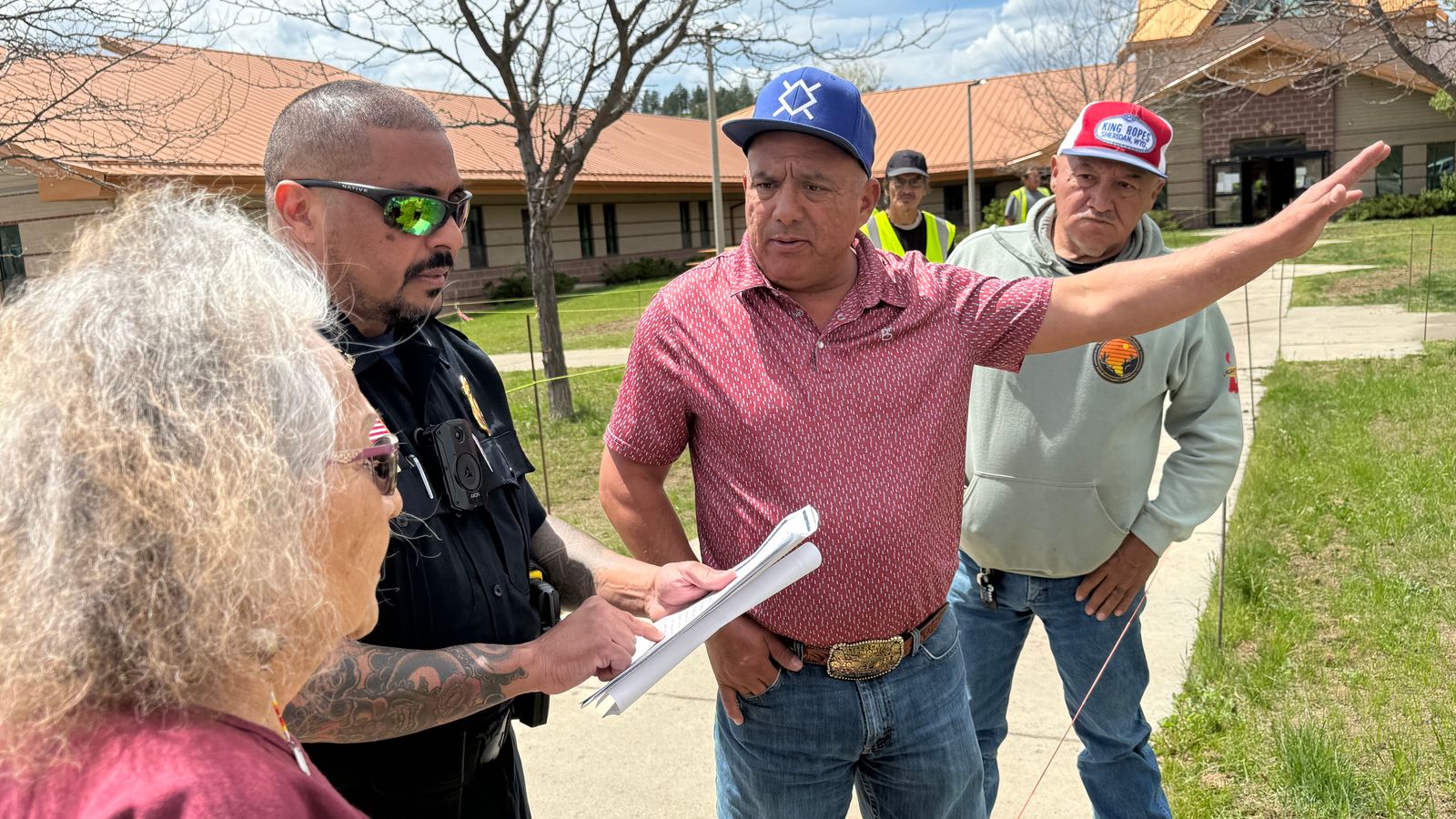
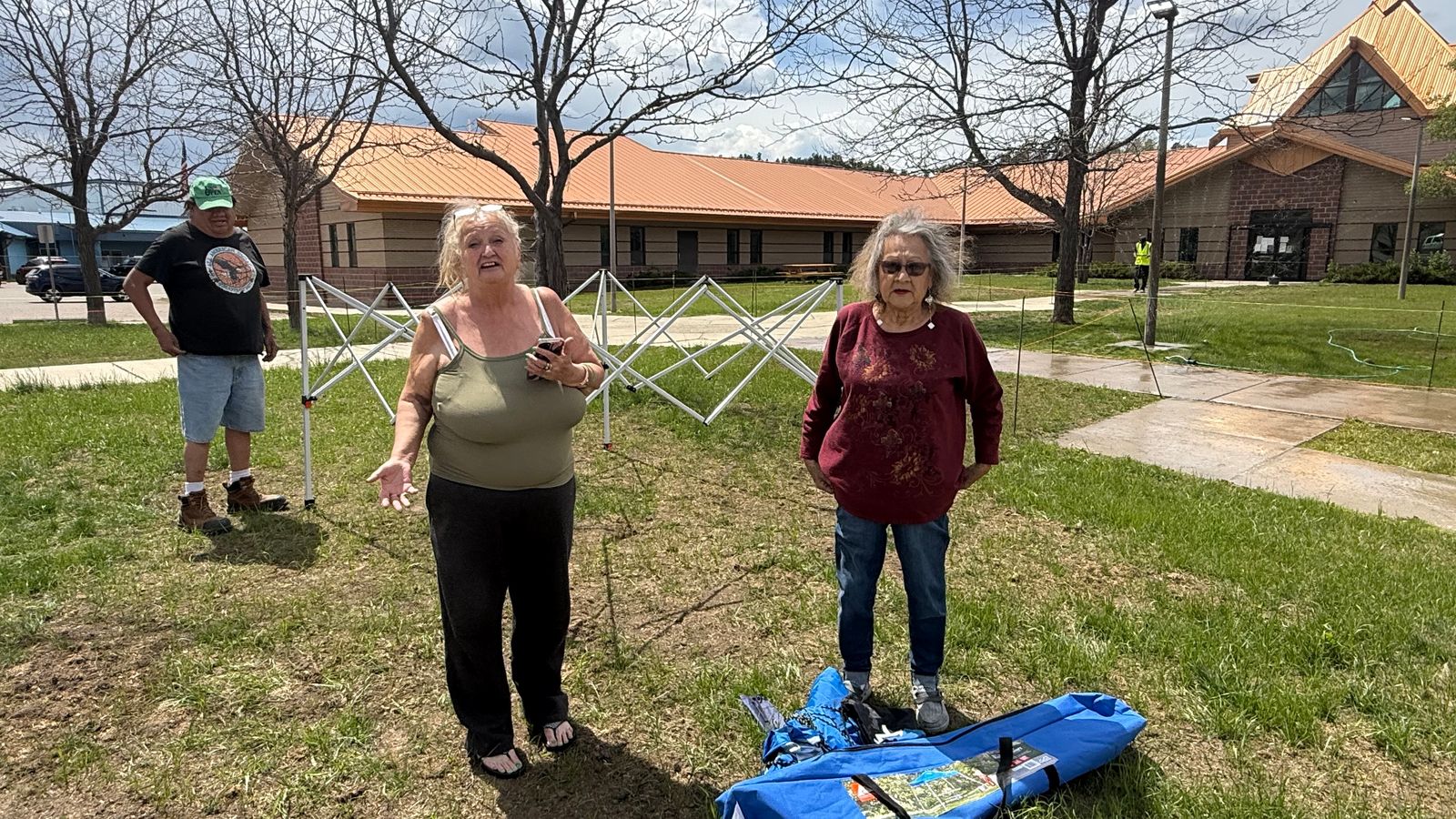
The Women of Purpose, a civic-minded, news-sharing group of elderly women, had just begun setting up a protest shade on the Northern Cheyenne Little Wolf Capitol Building lawn when security guards moved a sprinkler near the group and turned on the water. Diana McLean and Terri Lone Bear argued with the guards that they had a right to peaceably assemble. Soon, a Bureau of Indian Affairs cop arrived to defuse the conflict.
By late spring, McLean and Lone Bear had been coming to the Capitol Building for nearly eight months, demanding transparency and accountability from the Northern Cheyenne Tribal Council amid allegations of corruption that had resulted in a governmental upheaval.
Anyone with an interest in the Northern Cheyenne Tribe’s upheaval has to piece together a puzzle. There’s no independent reservation-based newspaper, and no regular media reporting on the trove of tribal court rulings from the past year. Instead, opinions abound on non-fact-checked social media pages and community groups sharing what they know about a situation that affects the entire tribe.
“We just want to make sure people get information so they can participate in their government,” Lone Bear, who is married to a Northern Cheyenne, said after arriving at the tribe’s Capitol on Aug. 21. She had learned earlier about a significant court ruling and was there to once again document what she saw happening. “Otherwise, there’s no way to get information here. It’s wotanin wowapi, it’s from my mouth to your ear.”
Besides a lack of free-flowing information from the tribal government, the Women of Purpose are aware of other problems in the community where the Northern Cheyenne’s judicial system, governance structure and customary laws have been called into question. A Chiefs’ Declaration on Sept. 10, 2025, demanded the removal of eight elected council representatives and employees, putting the tribe into a tailspin amid allegations of corruption and embezzlement. A year later, no charges or findings of wrongdoing have been brought against the ousted council members.
Those same leaders felt vindicated after an Aug. 18 order from the Northern Cheyenne Trial Court in which it was determined the current council lacks the “lawful authority” to occupy or exercise the office of Tribal Council. The court ordered the interim council to “immediately peaceably surrender” and return government control and public office to the previously ousted council members and employees, including Melissa Fisher, Eva Foote, Gwen Spotted Horse, Stefan Rainingbird, Melissa Lone Bear, Nizhoni Friez, Donovan Limberhand, Howard Ontiveros, Edina Red Star, Kristi Killsnight and Ryhal Rowland.
Even though the order resolves long-standing questions about who the tribe’s rightful elected leaders are, there’s still resistance from inside the tribe’s Capitol. Terri Lone Bear, a civic news gatherer who took video outside the building after the court ruling, reported that President Gene Small had locked down the building.
Meanwhile, the ousted council representatives and employees told Buffalo’s Fire they have gone through “a year of hell” and endured ongoing threats after being subjected to unproven financial corruption allegations totaling millions of dollars. The ousted council members filed a complaint on April 3 in the Northern Cheyenne Tribal Court seeking recognition as the lawful tribal council officeholders.
“It’s a significant win for us,” Fisher, a plaintiff and elected council representative from Ashland, told Buffalo’s Fire. “It's not only a win for us, it's a win for our nation; it's a win for our people, because through all of this, we're fighting for what's constitutionally right. And we're standing up and fighting for our Constitution.”
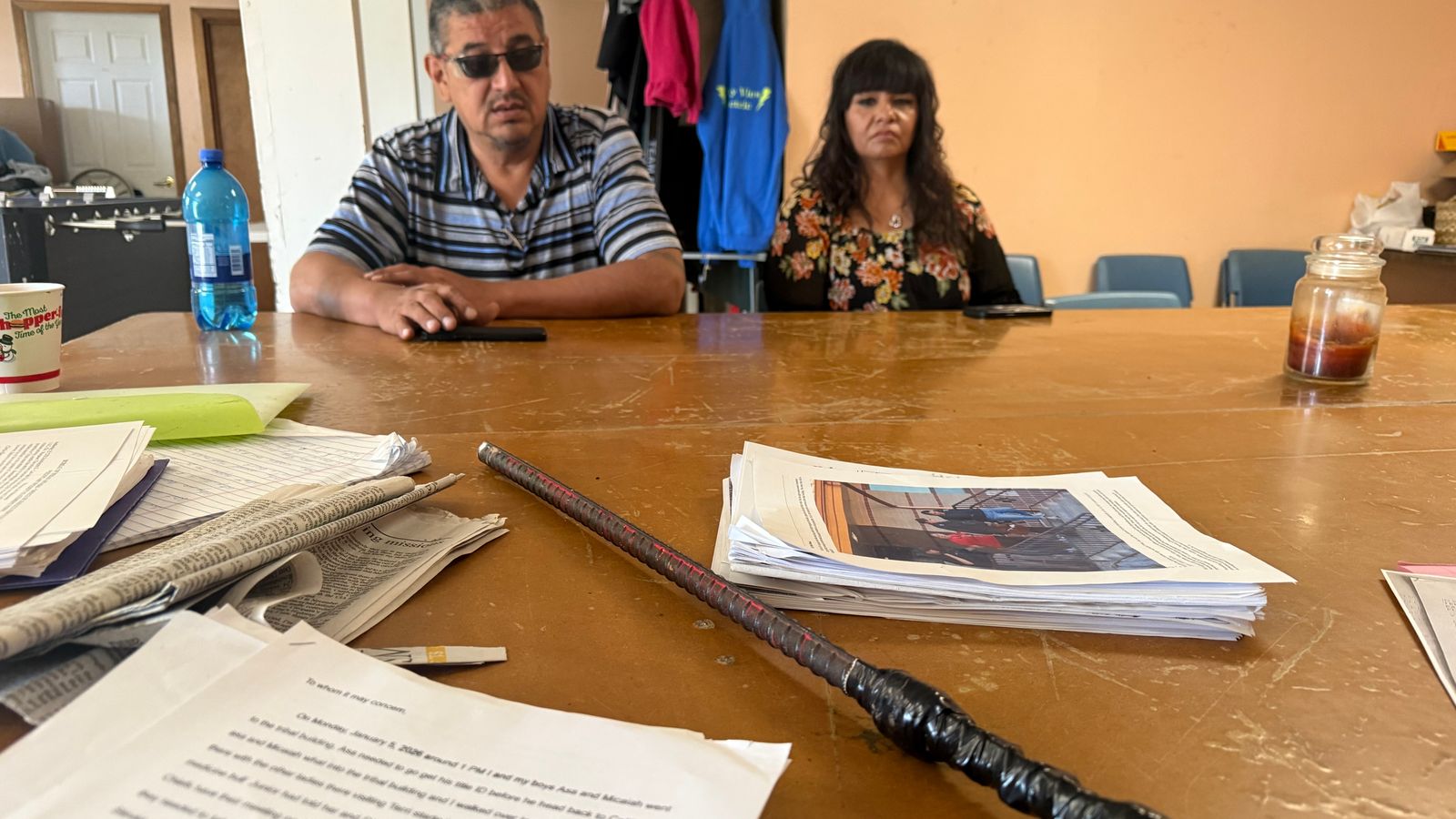
During the early months of being removed from elected office and fighting to uphold the Northern Cheyenne Constitution, the ousted council members wanted people to know what was happening within the government. “We reached out to media, and the response was, ‘It's too messy,’” said Melissa Lone Bear, an elected council member representing the Lame Deer District on Northern Cheyenne Reservation.
While the reservation has no newspaper, there is an online website called PIVA Radio Northern Cheyenne, a social enterprise of the People’s Partner for Community Development, and its Facebook page notes that the station serves the people and communities of the Northern Cheyenne Nation.
“The person who worked for PIVA Radio, he had a job there with the tribe and so it was just a situation where they couldn't report on it or talk about it because they didn't want to lose their jobs either,” said Melissa Fisher, an Ashland District representative. “It was like loyalty; you have to show loyalty to Gene Small or you got terminated.”
“We just want to make sure people get information so they can participate in their government. Otherwise, there’s no way to get information here. It’s wotanin wowapi, it’s from my mouth to your ear.”
The ousted leaders also said some news outlets reported at the beginning of the council’s removal, but the council perceived the reporting as one-sided. “And like the Independent Press in Forsyth, the lady who writes articles for our community is friends with the vice president of the tribe,” said Fisher. “So if she wrote anything, it would always probably go back to him and then get denied.”
Staying Informed
Buffalo Calf Road Woman stands as an enduring legacy of bravery among the Northern Cheyenne and a reminder of the Cheyenne proverb that a nation is not conquered until the hearts of its women are on the ground. While the Women of Purpose, about a dozen women plus men who support them, have said they often fear for their own safety, they remain committed to staying on top of events happening in their community by taking videos with their phones, gathering information and sharing it.
In the tight-knit districts of Northern Cheyenne, many people have been trying to support the bridge between the tribe’s constitution and traditional and customary law. So when the chiefs first issued their declaration removing the council, many in the community stood with them and supported them. The Women of Purpose cooked many of the meals when the chief and society headsman gathered to discuss what was happening in the tribe.
But then the women started to see things differently. Soon, talk in the community turned to a “rogue chief” who seemed to be acting independently of the others. Others noticed this, too. In a rare instance, Cordell Little Coyote, a seated hereditary chief, chose to address the actions being taken by a faction of chiefs, not a unified group.
When the plaintiffs filed their complaint to the court in April, Little Coyote submitted an affidavit: “The Chiefs' Declaration was not issued by a properly constituted body of chiefs; It was not supported by the required number or consensus of chiefs; It relied in part on individuals who are not seated chiefs; and it did not follow traditional or constitutional processes.”
Elmore Limberhand, a legal representative for the removed council members, said it’s not a good idea to mix church and state. Research from the Harvard Project on Indigenous Governance and Development shows that tribes must find a cultural match specific to their customs and beliefs.
As for the Northern Cheyenne, adhering to the Chiefs’ Declaration dovetailed into a constitutional crisis and left many to question whether the chiefs had become politicized to help President Gene Small achieve his own goals instead of the tribe's general welfare.
“From the very beginning, he put the information out there even to the societies and the so-called chiefs,” said Melissa Lone Bear, a Lame Deer District councilwoman and plaintiff against the interim council. “They're doing all these things to try to keep us out. I grew up traditionally, and the hardest part for me...was everything that I was taught to respect was disrespected by these guys.”
Chiefs and Societies
Cheyenne tradition is tied closely to the prophecy of Sweet Medicine, a chief who brought sacred societies to the Cheyenne, including the Elk Horn Scrapers, Dog Soldiers, Kit Fox and Bow Strings. Those societies remain active, and each has a specific role within the tribe. A quorum of chiefs typically includes 22 seated positions, including hereditary and other recognized chiefs.
“At present, that body is not fully seated, and many positions remain vacant,” according to Little Coyote's affidavit. “For a major decision of this magnitude, it is my understanding that all chiefs must be properly seated, and a full consensus-based decision would be required.”
The chiefs’ role is to uphold traditional laws and customs, lead ceremonies, provide guidance to the people, promote unity among the tribe, and look after the well-being of the people “who are suffering right now because of current events,” wrote Little Coyote, who was seated as a chief when he was 3 years old.
Little Coyote said that not enough chiefs participated in supporting the declaration for it to count as “a valid traditional decision,” according to the affidavit. “Furthermore, a chiefs meeting would have to be properly called in a sacred circle with one of our coveted Gifts present; this has not occurred here.”
“It's not only a win for us, it's a win for our nation; it's a win for our people, because through all of this, we're fighting for what's constitutionally right. And we're standing up and fighting for our Constitution.”
The chiefs have been central to the political upheaval, but the ousted council and employees have long argued that traditional law does not supersede the Northern Cheyenne Constitution, a point the trial court also recently upheld.
The Small administration disagrees, and with a faction of chiefs on its side, many in the community have been reluctant to challenge them, said Steve Kelly, a lay advocate representing the plaintiffs. Some of the society members serve as judges in the Northern Cheyenne Tribal Court.
Bureau of Indian Affairs off radar
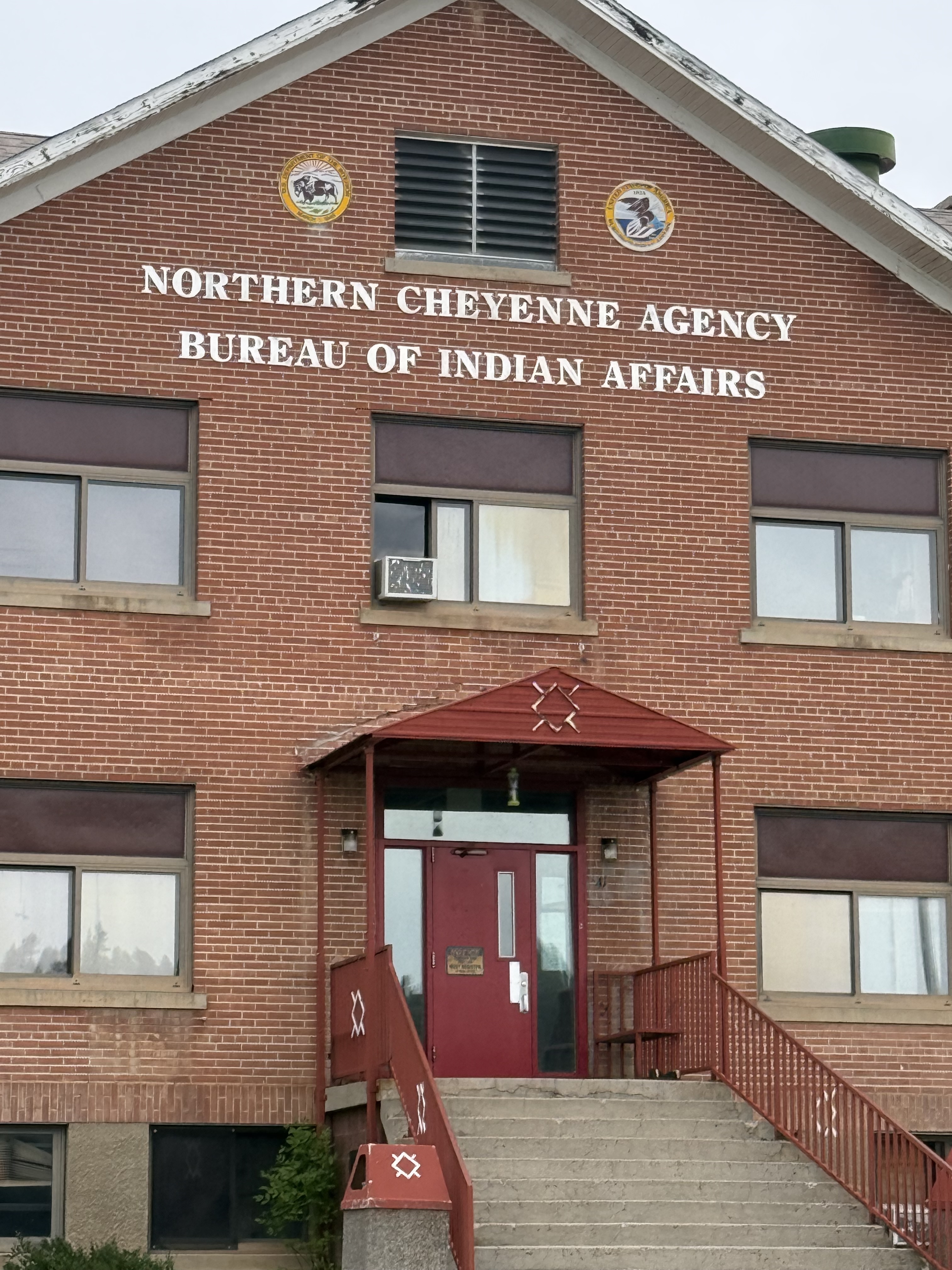
Kelly said the yearlong constitutional battle could have been resolved much earlier if the Bureau of Indian Affairs Northern Cheyenne Agency office had upheld the tribe’s Indian Reorganization Act constitution. The BIA is a federal partner and trustee of the tribe and must approve every resolution the tribal council votes on.
The position of the local BIA leaders, however, perplexed the eight removed council members, who continuously sought their help after the Chiefs’ Declaration was issued. On Sept. 12, 2025, Northern Cheyenne BIA Superintendent Andrew Werk notified President Small and the council in a letter that although the bureau respects cultural traditions, it would continue to recognize the recently ousted tribal officials duly elected under the tribe’s constitution and bylaws.
Five days later, Werk sent another letter to the tribe, reversing earlier support of the constitutionally elected council “based on the BIA's policy of noninterference in intra-tribal governance.” Werk noted the tribe had a responsibility as a sovereign to resolve such disputes.
After making zero progress with the local bureau, the ousted council leaders took their concerns further up the BIA chain of command.
On Dec. 3, 2025, still asserting their role as duly elected tribal leaders, the group emailed Jodi Camrud, BIA’s deputy regional director, Trust Services, Rocky Mountain Region: “The Bureau's refusal to meet and its continued invocation of ‘restraint’ and ‘non-interference’ cannot be reconciled with the record now before the Agency.” They added that BIA law enforcement and the bureau’s “continued refusal to issue a recognition decision is neither neutrality nor restraint; it is abdication under the guise of restraint.”
The ousted leaders also wrote a letter the same day to the Interior Department’s William Kirkland, assistant secretary of Indian Affairs, requesting a formal investigation and seeking answers on whether BIA/Office of Justice Services law enforcement had acted in a manner that improperly favored or assisted a rival faction during an intra-tribal governance dispute.
Later, on Dec. 23, 2025, the ousted council sent a letter to the BIA disputing claims in emails made by Jennifer Weddle, a Greenberg Traurig attorney, that "all Northern Cheyenne Tribe processes are complete, that governance has returned to normal and that the Oct. 30 election resolves all issues.
Nothing had been legally resolved at this point, and Weddle’s assertions were considered out of line. The council asserted that Weddle’s legal conclusions advanced a tribal faction and didn’t resolve core constitutional questions the council had repeatedly presented to the BIA.
Going to tribal court
All the letter writing and local meetings with BIA officials didn’t advance the ousted council members’ case for official recognition as the tribe's legitimate representatives. By this time, the Small administration had held impromptu reservation-wide elections on Oct. 30 to replace the displaced council members. Small retained his leadership position as president as the council transitioned from the old to the new.
Finally, the exasperated group of ousted leaders and employees filed a complaint April 3 in the Northern Cheyenne Tribal Court alleging that the acting council members' support of the Chiefs’ Declaration was “an unlawful attempt to remove duly elected Tribal officials and replace them through a declaration issued without lawful authority, without required process, and without effect under Tribal law.”
“The Chiefs' Declaration was not issued by a properly constituted body of chiefs; It was not supported by the required number or consensus of chiefs; It relied in part on individuals who are not seated chiefs; and it did not follow traditional or constitutional processes.”
The complaint against the acting council, led by President Small, also names three “purported chiefs”: Larry Medicine Bull, Wesley Spotted Elk and Roger Killsnight.
The Northern Cheyenne Chiefs’ Declaration not only spurred the plaintiffs' removal from office, it banned certain council leaders from future office. The ousted leaders argued that the tribe’s Indian Reorganization Act constitution and bylaws govern the removal of any officer or councilman and require a two-thirds vote of the council, a written complaint and an opportunity to offer a defense.
In light of the Aug. 18 court order by Judge Frans Andersson, the ousted leaders told Buffalo’s Fire they felt they could speak freely for the first time. They believe President Small took advantage of the traditional leaders.
“He used our traditional ways for his own benefit this whole time,” said Melissa Lone Bear, a councilwoman from the Lame Deer district. “People believed it in the beginning because he put that out there that we embezzled $94 million.”
Lay advocate Kelly said his clients will likely take legal action for what he said were defamatory statements made against them.
Foundational change needed
As for the future of traditional leadership in tribal government, the plaintiffs and others in the community say the tribe’s constitution needs to be amended to address shortcomings associated with the 1934 Indian Reorganization Act, which provided cookie-cutter constitutions for many Native nations across Indian Country.
“Tribes across the country have outgrown the Indian Reorganization Act,” said Kelly, a citizen of the Mandan, Hidatsa and Arikara Nation in North Dakota. He works with MHA tribal citizens of the Red Owl Group on constitutional concerns and issues similar to those recently experienced by the Northern Cheyenne. Like the Women of Purpose, the Red Owl Group seeks accountability from tribal governments, which typically lack freedom-of-information laws in their constitutions and tribal codes.
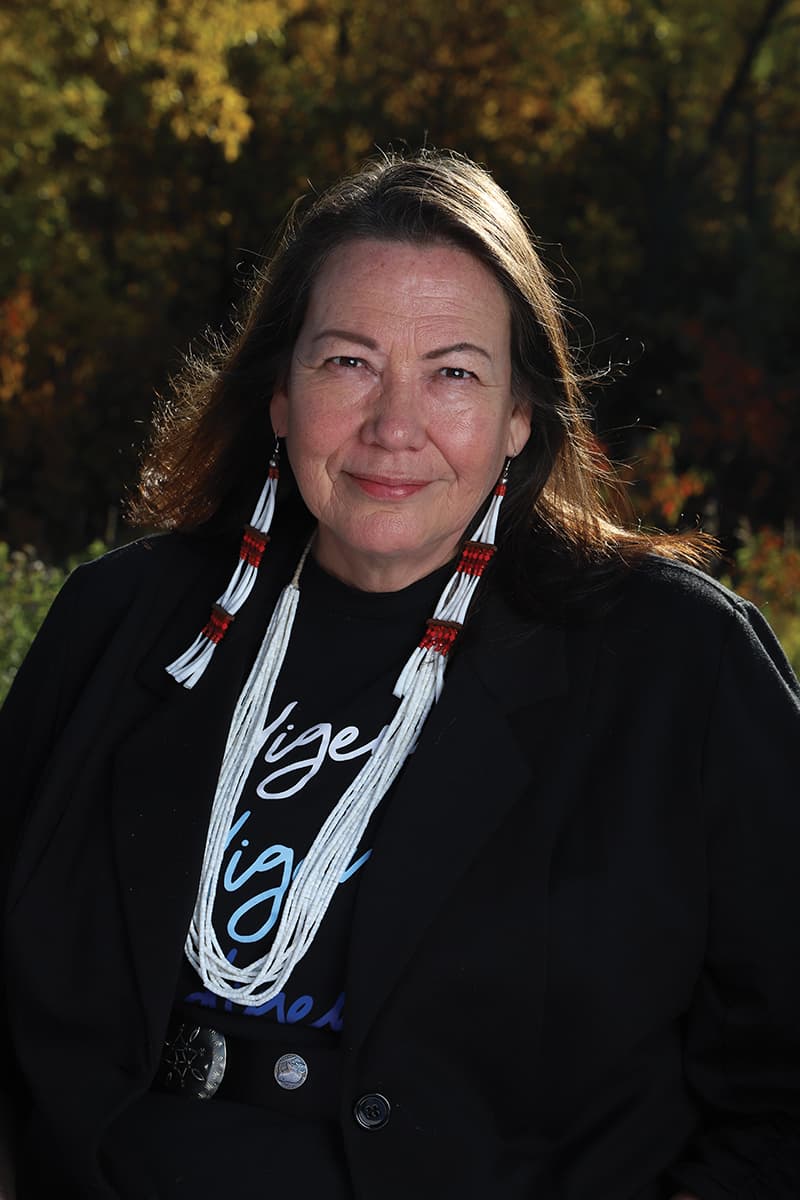
Dion Killsback, a lawyer for the chiefs, said the Northern Cheyenne could consider creating culturally appropriate tribal codes to address transparency It was a perceived lack of transparency in the tribal government that moved the Chiefs Declaration forward. He told Buffalo’s Fire that the Pueblo tribes of the Southwest have combined successful governance with traditional leadership, including the Pueblo de Cochiti in New Mexico. It’s a model that could work for the Northern Cheyenne, he said.
The Harvard Project on Indigenous Governance and Development has praised the Cochiti for successful economic development controlled by unwritten, culturally based systems that have existed for centuries.
But the project also recognizes that what works for one tribe doesn’t mean it will work for another. While the Northern Cheyenne IRA constitution does not address inherent customary laws, the Cochiti leaders do not govern themselves under an IRA constitution.
The authors of "Rebuilding Native Nations, Strategies for Governance and Development," write that change can motivate people to look at the world through a new lens where anything seems possible. If a tribe wants to be treated as a nation, it must act like a nation, and in some cases, that requires foundational change, write Stephen Cornell, Miriam Jorgensen, Joseph Kalt, and Katherine Spilde Contreras.
Such change requires "changing institutions -- the formal governmental structure -- that those people work in and try to use," according to the authors. A nation "well armed with information" can manage external legal and political situations effectively. "Native investments in media and public relations also can affect external conditions," write Cornell, Jorgensen, Kalt and Contreras. "A critical side benefit of such strategies is that acting like a nation in external affairs can spill over into internal affairs, changing attitudes and self-perception within the community as well."
“They're doing all these things to try to keep us out. I grew up traditionally, and the hardest part for me...was everything that I was taught to respect was disrespected by these guys.”
In "Rebuilding Native Nations," Jason Goodstriker, a former councilman of the Blood Tribe of Alberta, notes how many tribes create budgets behind closed doors and that tribal citizens don't know what's happening. "This can produce rumors, political accusations, and legitimate questions in citizens' minds: How much money do we have? What is our government doing with it? What are we spending it on? What is the council really up to?" wrote the authors. Blood Tribe leaders decided the best way to combat rumors was with facts. They started publishing the nation's budget so its citizens knew how money was being spent. "Every quarter, the Blood Tribe publishes an up-to-date, detailed budget showing where the money comes from and where it goes, providing essential transparency to their governing system."
The tribe's leaders went even further and made the annual budget announcement a public event, inviting citizens and media. The budget focused on the previous year's audit but also addressed plans for future spending. "Citizens' faith in the integrity of their own government is the foundation of their support for that government," write the authors.
The Confederated Tribes of Grand Ronde Tribe in Oregon also takes similar measures by publishing the tribe's budget, which is distributed to all the tribe's citizens. The tribe also has adopted a Freedom of Information Ordinance.
Governmental recovery
While the ousted council members consider the Aug.18 court order a win, they still need to transition back to the tribal building. Kelly expects the local BIA agency will finally take appropriate action to reinstate them.
Northern Cheyenne President Small was not named in their April complaint against the sitting council and three chiefs. He continues to retain his seat through the turmoil. Incidentally, the tribal council has a 20-year history of removing most of the tribe’s presidents, according to Killsback.
The ousted council started taking action to remove him before the Chief’s Declaration was released, after complaints that Small was interfering too much with the judicial system. They say Small failed to appear at hearings on the matter.
Meanwhile, the recent court ruling supports earlier court outcomes decided in favor of the plaintiffs. In a Northern Cheyenne Trial Court order, it was ruled that “the Oct. 30, 2025, special election was null and void because no lawful vacancy of tribal council seats existed and no successful tribal council action was taken to remove an officer or councilman.”
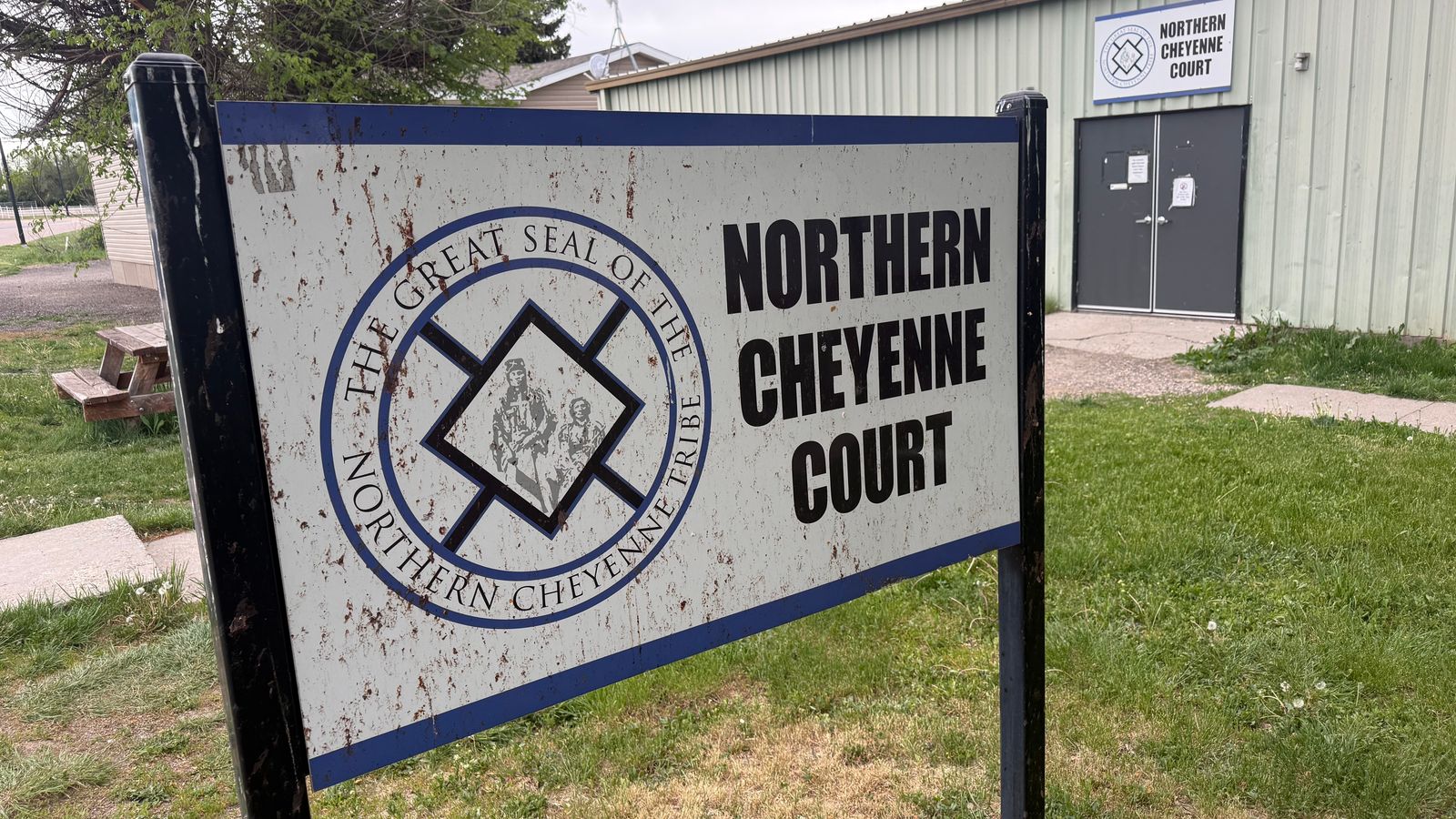
The trial court also determined the defendants, the current council, were “private citizens with no legal authority or standing" to function as tribal council members. The court then ordered the current council to vacate the Little Wolf Capitol Building and all other tribal properties.
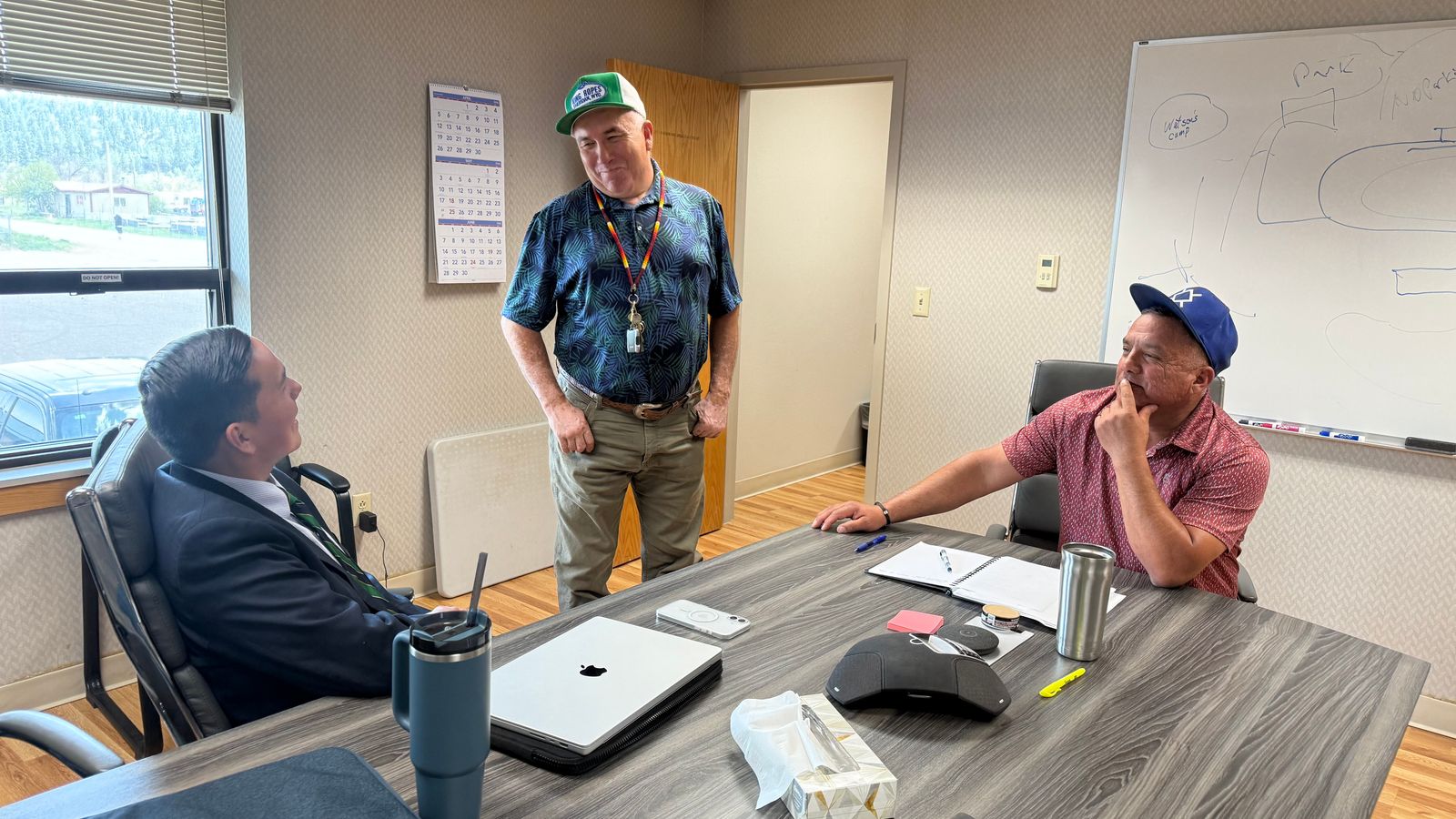
On the day of that court ruling, Small sat in a conference room inside the Northern Cheyenne Capitol to talk with Buffalo’s Fire about the tribe’s current state of affairs. He never stayed seated for long, as he was consistently interrupted, leaving the room for urgent matters, such as the May 20 court ruling. On that day, he was prepared to lock down the Little Wolf Capitol Building.
As all the activity unfolds inside and outside the Northern Cheyenne tribal building, the Women of Purpose are keeping watch. Terri Lone Bear said some of the chiefs set up a tipi on the lawn outside the capitol on Aug. 20. The chiefs, she said, didn’t like that she was recording them with her phone.
Lone Bear said many people in the tribe fear retaliation if they speak out. Since she’s enrolled with the Fort Peck Tribes, she’s willing to say what others hold back. Overall, she and fellow civic-minded group members simply want to be informed about what is happening with the tribal government. In seeking answers, they have been confronted, attacked and verbally assaulted during the last year, but they believe in the proverb that the tribe is broken when the women’s hearts are on the ground.
“I’m here,” said Lone Bear. “This is my tribe now. I’ve been called so many names; I’m talked about, but I’m not going to quit fighting. I will fight until my husband is no longer here. I’m all about the truth.”
This story was updated to provide additional examples of how other tribes address transparency and accountability to tribal citizens.
References
- 1.
- 2.
- 3.
- 4.
- 5.
- 6.
- 7.
- 8.
- 9.
- 10.
- 11.
- 12.
- 13.
- 14.
- 15.
- 16.
- 17.
- 18.
- 19.
- 20.
- 21.
- 22.
- 23.
- 24.
- 25.
- 26.
- 27.
- 28.
- 29.
- 30.
- 31.
- 32.
- 33.
- 34.
- 35.
- 36.
- 37.
- 38.
- 39.
- 40.
- 41.
- 42.
- 43.
- 44.
- 45.
Corrections
This story originally misidentified the Aug. 18 court order. It is a Trial Court order, not an Appellate Court order.
Jodi Rave Spotted Bear
(Mandan, Hidatsa/ Mniconjou Lakota)Founder & Editor in Chief
Spoken Languages: English
Topic Expertise: Federal trust relationship with American Indians; Indigenous issues ranging from spirituality and environment to education and land rights
Sharing Is Caring
This article is not included in our Story Share & Care selection.
The content may only be reproduced with permission from the Indigenous Media Freedom Alliance. Please see our content sharing guidelines.
© Buffalo's Fire. All rights reserved.
We provide independent Native-focused reporting that gives our communities the context and the facts they need to make informed decisions.
Respect The Fire
At Buffalo's Fire, we value constructive dialogue that builds an informed Indian Country. To keep this space healthy, moderators will remove:
- Personal attacks, harassment, or hate speech
- Spam, misinformation, or unsolicited promotion
- Off-topic rants and excessive shouting (All Caps)
Let’s keep the fire burning with respect.