






Oglala Sioux Tribe facing fairness questions over banishment law
The policy aims to combat crime on the Pine Ridge Indian Reservation, but its effectiveness and a lack of a clear appeals process are drawing questions

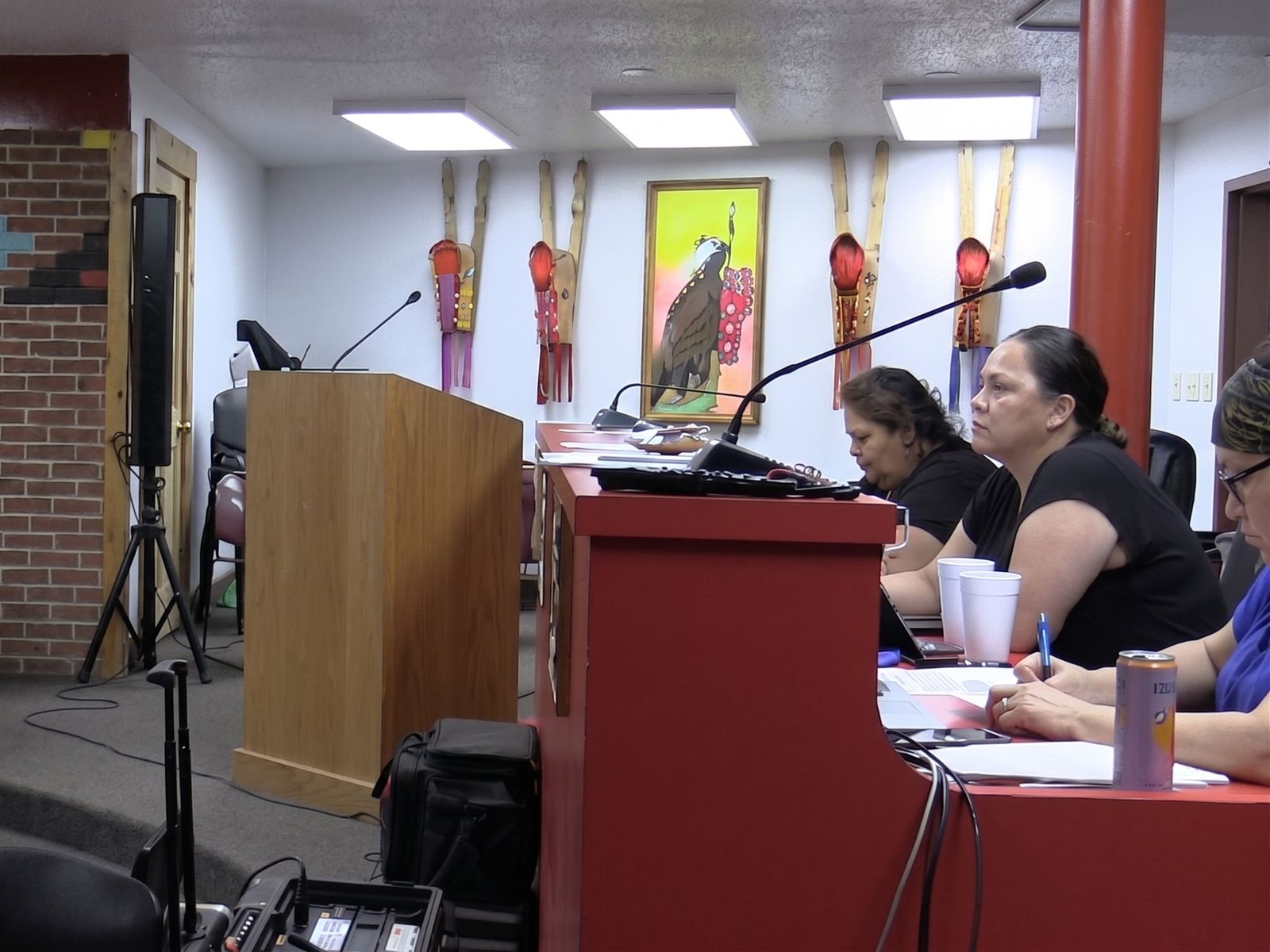
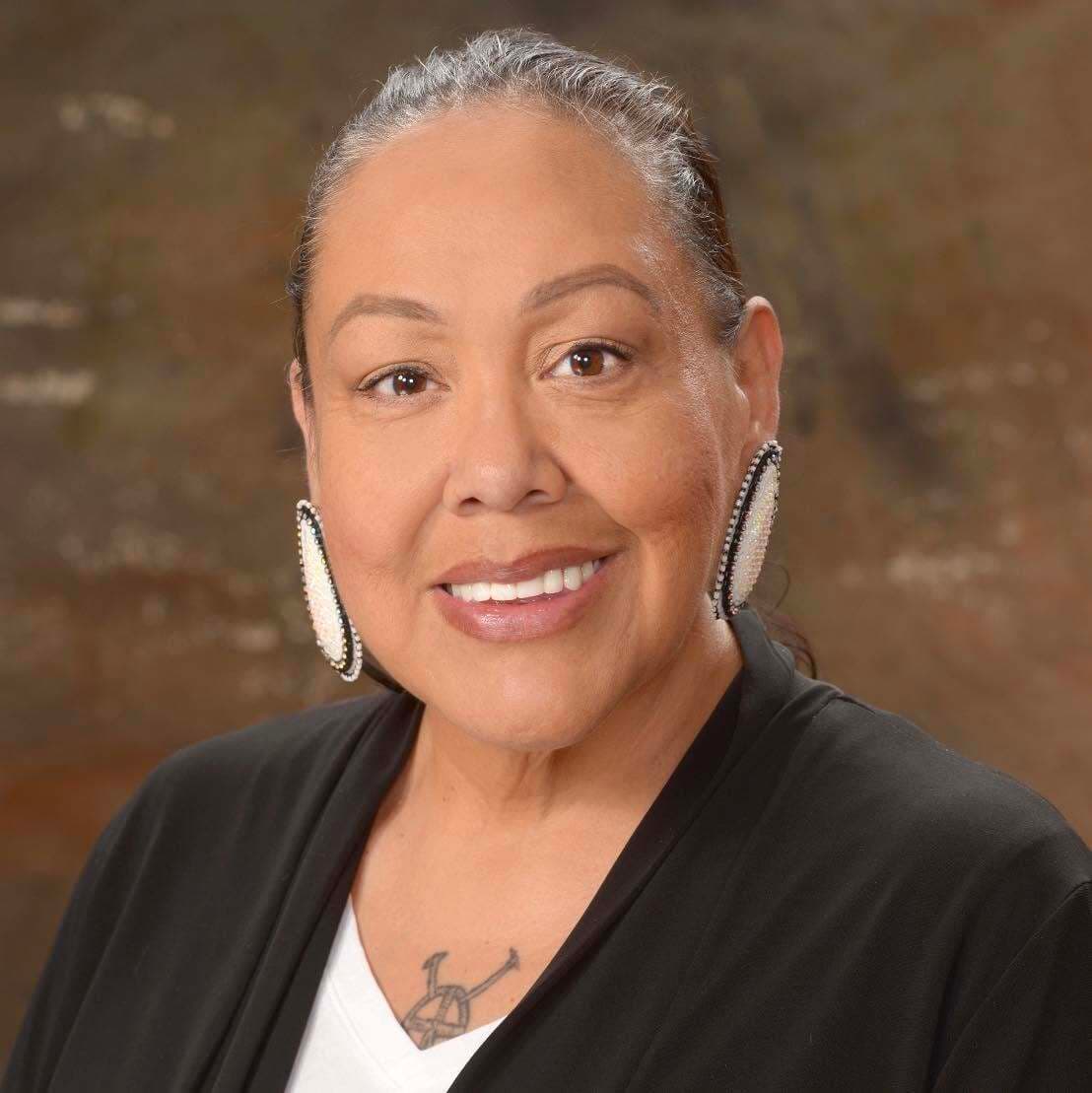
The Oglala Sioux Tribe has expanded its use of banishment laws in recent years, describing the policy as a key tool in addressing violent crime, drug trafficking and other threats to public safety on the Pine Ridge Indian Reservation. The law is now being questioned for fairness in application and its impact on human and civil rights.
Since 2015, the Oglala Sioux Tribal Council has authorized the exclusion and banishment of individuals convicted of serious offenses, including homicide, dangerous drug crimes, sex offenses, unlawful alcohol sales and embezzlement. Tribal leaders contend the series of tribal ordinances is necessary to protect tribal citizens and maintain community safety.
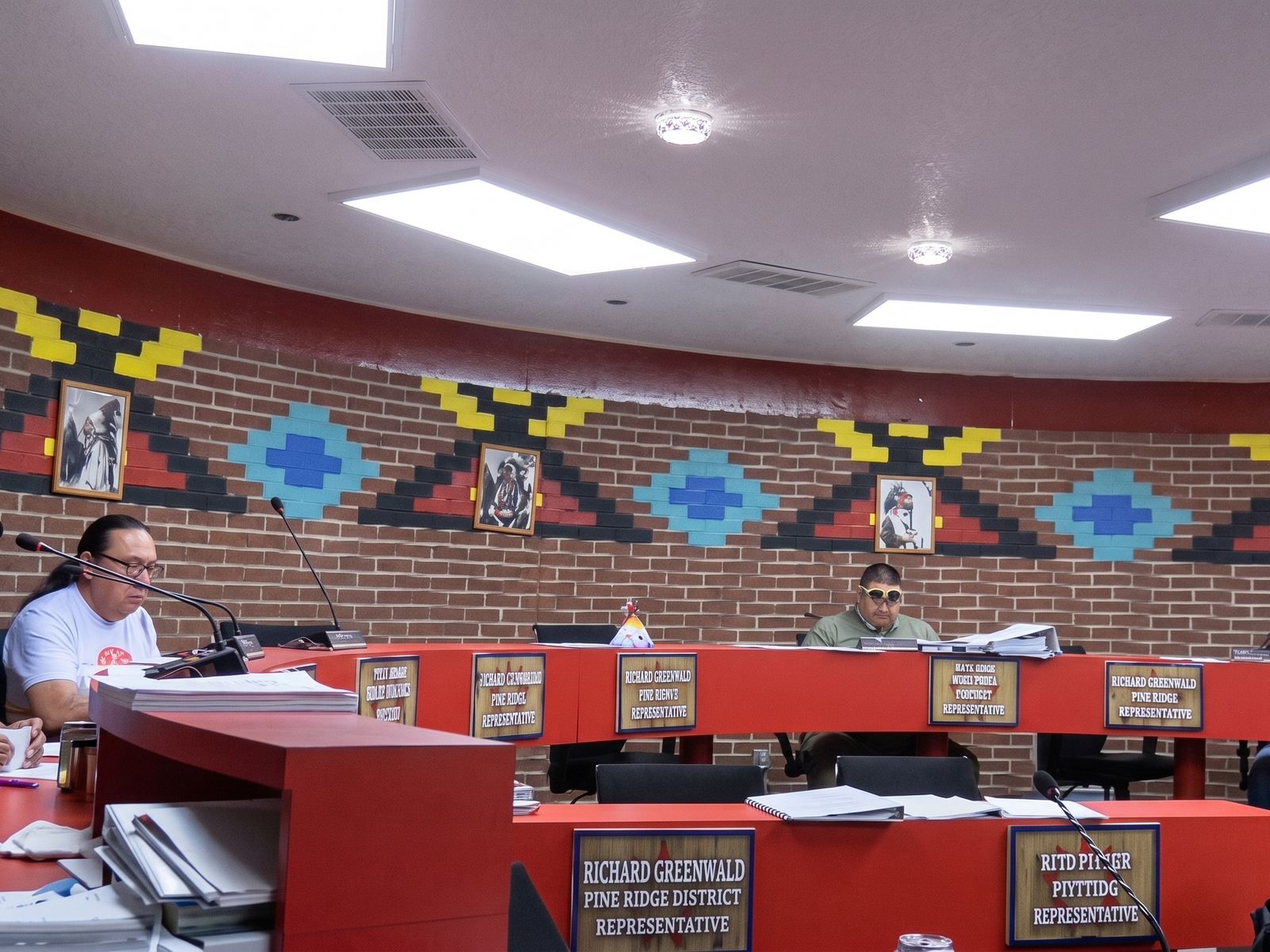
During an August OST Council meeting, elected leaders heard from a family member of a banished individual seeking information on the appeals process and questioning how the ordinances were being applied. While no immediate answers were provided, the matter was referred to the tribe's Law and Order Committee for further review and possible refinement of procedures related to vacating a banishment order.
During the meeting, Porcupine District Representative David Pourier said, “The Oglala Sioux Tribe adopted banishment laws in 2016 after the Cheyenne River Sioux Tribe began using banishment.” The policy has changed significantly and is no longer achieving its original purpose of notifying tribes about banished individuals. According to the news, the drug dealers continue moving between states and reservations, while some nonmembers who have been banished remain on the reservation, leading Pourier to conclude that the system is not working.
The Law and Order Committee postponed a Sept. 1 meeting, but expects to later address questions and clarifications regarding the tribe's banishment laws.
The tribe's banishment policy is grounded in its assertion of inherent sovereignty and authority to govern reservation lands. Tribal officials cite the Fort Laramie Treaty of 1868, the Oglala Sioux Tribal Constitution and federal court rulings recognizing tribal self-government as the legal basis for the ordinances. The Fort Laramie Treaty also established a recognized tribal homeland and affirmed a government-to-government relationship between the Sioux Nation and the United States. Although the treaty does not specifically address banishment, tribal officials argue its recognition of tribal territorial authority supports the tribe's ability to regulate access to reservation lands and remove individuals deemed a threat to the community.
Under federal Indian law, tribal nations generally retain powers of self-government unless Congress has specifically removed those powers. The Oglala Sioux Tribe maintains that the authority to exclude or banish individuals who pose a threat to the community remains among those retained powers.
Tribal law identifies "the inherent authority to make its own laws and to enforce those laws within the territory of the Tribe" as a foundation of the tribe's jurisdiction over the Pine Ridge Reservation.
Additional authority is derived from the Oglala Sioux Tribal Constitution, which grants the Tribal Council the power to enact laws governing conduct on the reservation and to protect the health, safety and welfare of tribal members.
The tribe's modern banishment efforts began with measures aimed at combating methamphetamine trafficking. A 2015 ordinance established an exclusion procedure targeting individuals convicted of meth-related offenses.
As concerns over gun violence, homicides and drug trafficking increased, tribal leaders declared a state of emergency in November 2023. Subsequent ordinances broadened the range of offenses that could trigger banishment proceedings.
Current OST ordinances, including 16-22, 24-07 and 25-14, authorize exclusion actions against individuals convicted of homicide, dangerous drug offenses, sex crimes, bootlegging and embezzlement.
Under tribal procedures, the Tribal Council may impose permanent banishment only after a public hearing. Individuals who are banished may seek a review of their status after five years.
Oglala Sioux Tribe Attorney General's Office submits the list of individuals designated for banishment based on convictions covered under the ordinances. The banishment process begins only after an individual completes their sentence and is released from custody. Those facing banishment are notified by letter and informed of a hearing before the Tribal Council.
While the U.S. Supreme Court has not directly reviewed the Oglala Sioux Tribe's current ordinances, several landmark decisions have recognized broad tribal authority over internal affairs and reservation lands.
In United States v. Wheeler (1978), the Supreme Court held that tribes retain aspects of their original sovereignty unless treaty or congressional action has withdrawn those powers. Tribes frequently cite the ruling when asserting their inherent authority to govern their communities.
Banishment itself is not a new concept in Indian Country. Historically, many tribal nations relied on exclusion to protect community members and preserve social order long before the formation of the United States.
Today, the Oglala Sioux Tribe characterizes banishment as a civil exercise of governmental authority rather than an additional criminal punishment. Tribal leaders say the policy both protects the community and deters future criminal activity.
References
- 1.
Sharing Is Caring
This article is not included in our Story Share & Care selection.
The content may only be reproduced with permission from the Indigenous Media Freedom Alliance. Please see our content sharing guidelines.
© Buffalo's Fire. All rights reserved.
We provide independent Native-focused reporting that gives our communities the context and the facts they need to make informed decisions.
Respect The Fire
At Buffalo's Fire, we value constructive dialogue that builds an informed Indian Country. To keep this space healthy, moderators will remove:
- Personal attacks, harassment, or hate speech
- Spam, misinformation, or unsolicited promotion
- Off-topic rants and excessive shouting (All Caps)
Let’s keep the fire burning with respect.