





Rebuilding the Wabanaki Confederacy - dominionpaper.ca

Rebuilding the Wabanaki ConfederacyNon-Indigenous participate in Confederacy Gathering for first time in centuriesSEPTEMBER 5, 2012by MILES HOWEST MARY'S FIRST NATION, UNCEDED WABANAKI TERRITORY (NB)—On September 1 and 2, for the first time in several hundred years, non-Indigenous peoples were invited to participate in the last two days of the week-long Wabanaki Confederacy Gathering.The Wabanaki (translated roughly as 'People of the First Light') Confederacy's current incarnation comprises five principal nations—the Mik'maq, Maliseet, Passamaquoddy, Abenaki and Penobscot—and stretches from the colonial borders of Newfoundland in the North, mid-Maine in the South, and parts of Quebec in the West.At its zenith, the Confederacy consisted of close to 50 nations, went South to the mid-Carolinas, included most of the interior of the United States, and reached into Ontario.Read more: https://www.dominionpaper.ca/articles/4600read more
Spotted an error? Suggest a correction.
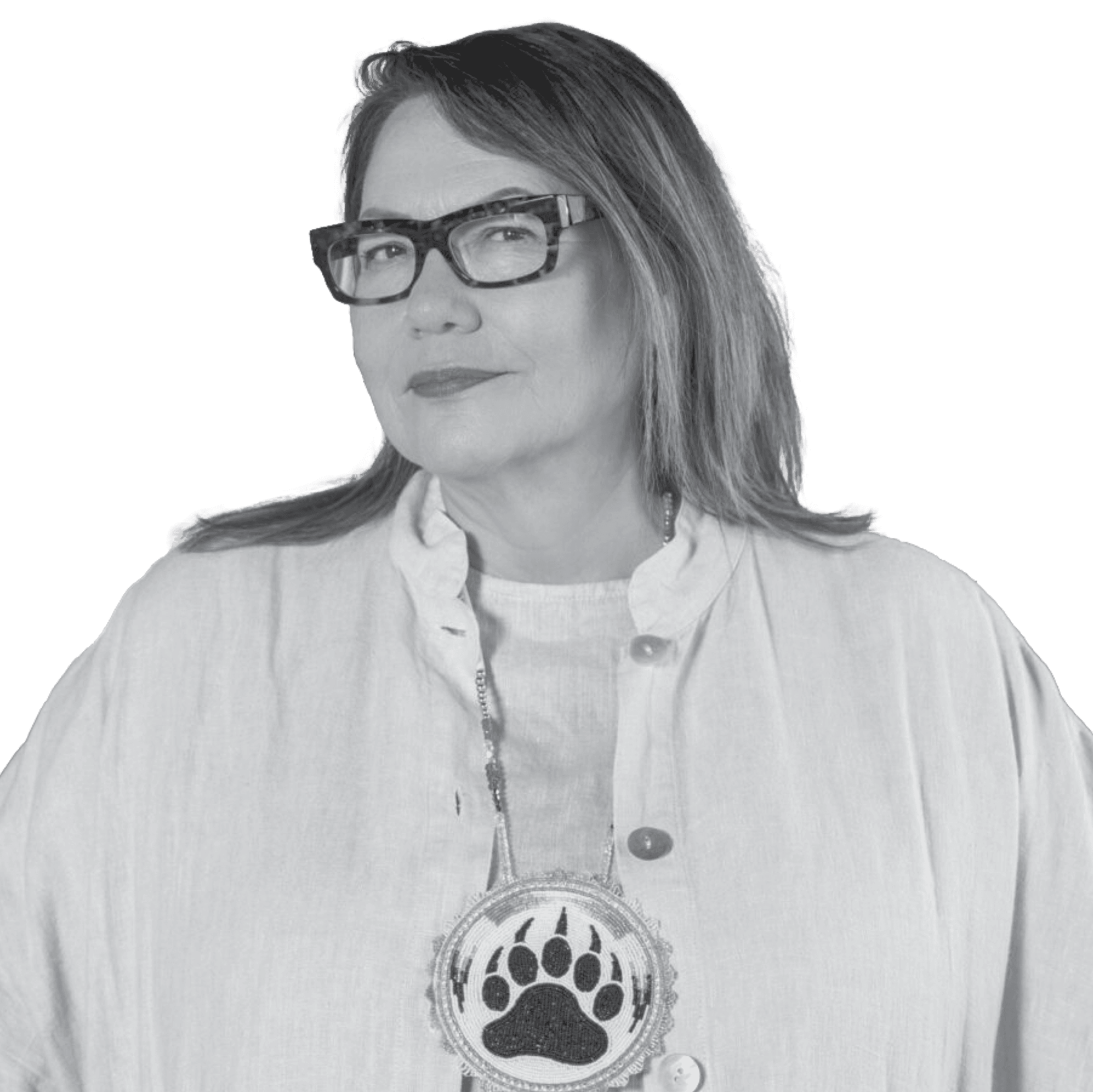
Jodi Rave Spotted Bear
(Mandan, Hidatsa/ Mniconjou Lakota)Founder & Editor in Chief
Spoken Languages: English
Topic Expertise: Federal trust relationship with American Indians; Indigenous issues ranging from spirituality and environment to education and land rights
Sharing Is Caring
This article is not included in our Story Share & Care selection.
The content may only be reproduced with permission from the Indigenous Media Freedom Alliance. Please see our content sharing guidelines.
© Buffalo's Fire. All rights reserved.
We provide independent Native-focused reporting that gives our communities the context and the facts they need to make informed decisions.
Respect The Fire
At Buffalo's Fire, we value constructive dialogue that builds an informed Indian Country. To keep this space healthy, moderators will remove:
- Personal attacks, harassment, or hate speech
- Spam, misinformation, or unsolicited promotion
- Off-topic rants and excessive shouting (All Caps)
Let’s keep the fire burning with respect.