


Reservations refuse data center developments, but some worry they’re missing out on opportunities
Emergent technologies raise concerns about natural resources, exploitation and education in Montana

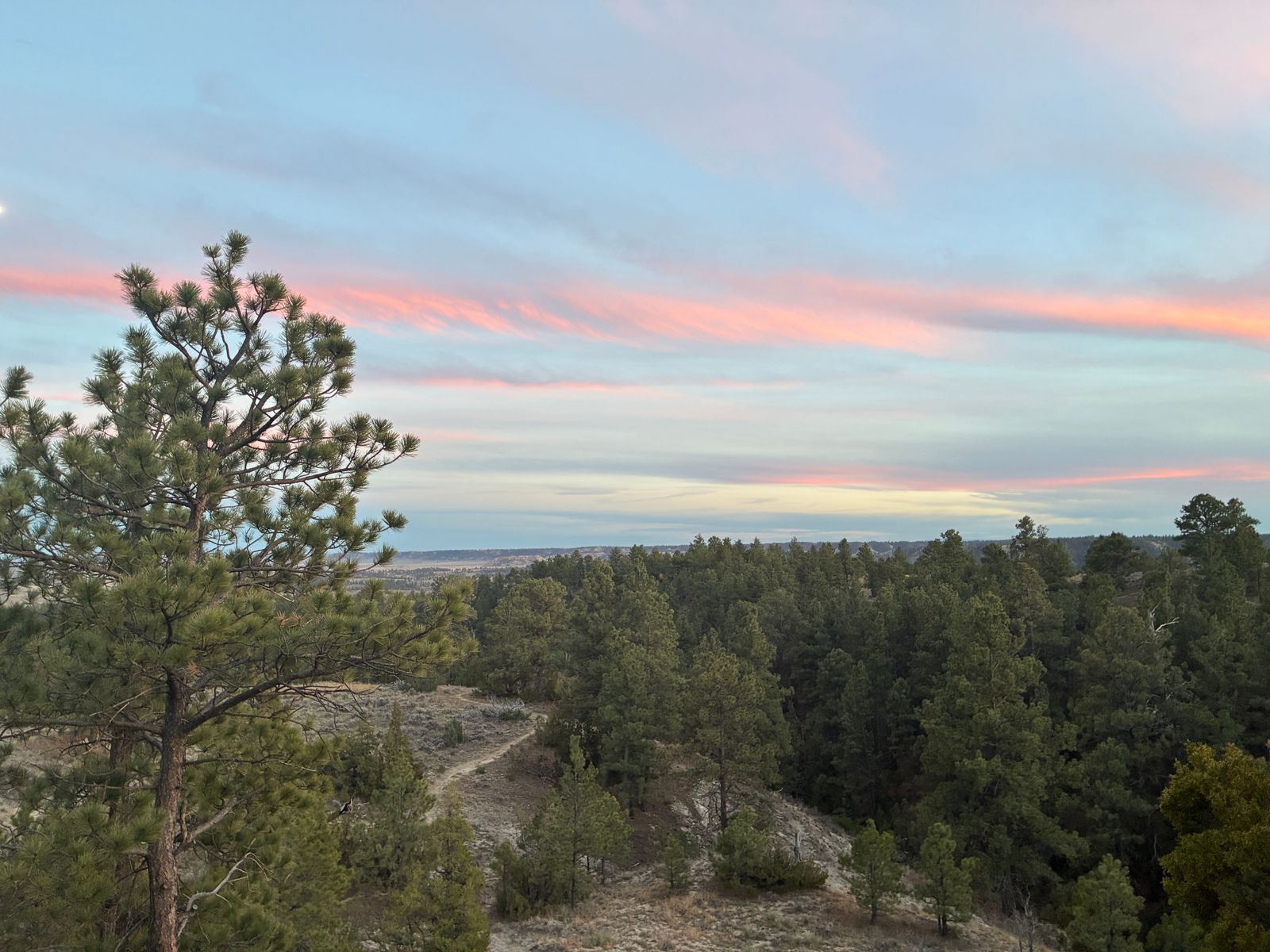

From mining to timber to tourism, Montana’s natural resources have been the bedrock of economic opportunity and industrial extraction for more than a century. Now that data center developers have descended on the Treasure State, some local tribes are outlawing these projects to safeguard sovereignty, land and water.
There’s a lot to like about Montana for companies seeking to site data centers, according to energy industry veteran Bob Morris with Montana Technological University. Reliable, affordable electricity, he said, is a draw for data center builders — and Montana boasts the seventh-lowest electricity rates in the country. Plus, he said, the northern climate makes for economical cooling of the machinery used in these facilities.
“We’ve got great infrastructure,” he added. “We’ve got a good fiber-optic network. We’ve got good highways, good rail transport, and then there’s us. Montana’s got a great workforce, hardworking and a thriving business environment.”
The attraction doesn’t necessarily go both ways between potential developers and the communities in their crosshairs. In 2026, the Fort Peck Tribes and the Northern Cheyenne Tribal Council both made official policies to keep data centers out. Leaders for both groups said they wanted to avoid risks to their natural environment, and the long history of outside exploitation didn’t endear the developers to Native community members.
But technological developments like AI will still be a part of Montana’s digital landscape, no matter where the infrastructure to power them ends up being built. Some Indigenous technology leaders from across the region have advocated for tribes to embrace AI so community members avoid being left out of a major trend shaping education and career possibilities.
Software engineer Michael Running Wolf from Birney, Montana, on the Northern Cheyenne Indian Reservation, travels North America promoting AI use as an avenue to address pressing Native community needs. His work with a team of “Indigenous technologists” from the Crow Tribe and the Little Shell Chippewa in Montana focuses on language revitalization using AI. He cautions against the impulse to turn away from innovative technologies altogether.
Similarly, Caitlin Bordeaux, a director at the computer science group Indigitize, is a Sicangu Lakota educator who works across Montana and South Dakota engaging Indigenous communities in culturally relevant digital education. Indigitize helps expand computer science opportunities for underserved students in Indian Country, rooted in the hope that emerging technologies can support Native priorities rather than exacerbating existing disparities.
Ready for the future
Access issues for high-tech tools disproportionately hinder small, rural schools, according to Montana Digital Academy Executive Director Jason Neiffer. To level the playing field, the academy’s new Frontier Learning Lab offers resources for Montana teachers to navigate AI and other digital tools while sharing insights and best practices for implementation. Neiffer told Buffalo’s Fire he understands the hesitations around joining the AI bandwagon, and he hopes the lab can inform thoughtful approaches to adoption.
“Education has to prepare students for the world in which they’re going to live,” Neiffer said.
Grant funding for the Frontier Learning Lab came from the nonprofit aiEDU, which equips teachers with an understanding of AI readiness and AI literacy so they can effectively support students and families encountering new technology on the ground. The organization’s national programs lead, Connor Mulvaney, lives in Polson on the Flathead Reservation, where he’s collaborated with the local community to boost knowledge around using AI and deploying it responsibly.
“I think we need to be informed decisionmakers,” he told Buffalo’s Fire. He said his goal with aiEDU in Montana is to give individual communities the foundations for determining their own preferred approaches to new technology.
Since AI is hardly a singular, static piece of new technology, Mulvaney added, the decisions being made today will likely need to be revisited and built upon as these concepts evolve over time. It’s important, he said, to make sure Indigenous communities have what they need to navigate current conversations and prepare for what might come next.
And research by the Montana Afterschool Alliance, another grantee supported by aiEDU, demonstrates the important role young people have to play in guiding and informing these discussions. In 2025, the alliance piloted community conversations in parts of Montana that rarely see themselves considered the vanguard of change and innovation. The team deliberately began their work with convenings in Harlem on the Fort Belknap Reservation, Poplar on the Fort Peck Reservation and in the Flathead Reservation communities of Pablo and Ronan. The alliance focused heavily on incorporating input from younger community members into these conversations, revealing noteworthy ways Indigenous youth are interacting with AI.
“Through our conversations we heard the sentiment that unlike prior technology rollouts, generative AI was already in use from within communities,” Heather Jameson from the afterschool alliance told Buffalo’s Fire. “And in many cases youth are outpacing adults in adoption.”
The findings in the alliance’s landscape review from these sessions showed Montana Native youth have a healthy skepticism of AI and they recognize its limitations for providing factually accurate answers to specific questions. They’re highly exposed to AI-generated multimedia via social channels, less versed in using large language model chatbots, and good at identifying AI content in ways that often far surpass their elders’ ability to recognize such media.
One teen participant the researchers quoted easily picked up on low-quality AI content because it “looks like trash.”
To Jameson and her colleague Rachel Wanderscheid at the afterschool alliance, insights from those meetings pointed to the need for young Montanans to have a voice in the evolution of tech in their communities. And broadly, the desire for more voices getting involved in these conversations seems to be a thread that connects Montana’s AI-impacted groups hundreds of miles away from one another.
A grassroots initiative in Yellowstone County, Montana’s largest population center and a hub for many tribal members living or working off-reservation, seeks to do just that in response to plans for a massive data center. The gas-fired campus proposed in rural Yellowstone County would use more energy than all active residential electricity customers statewide, and voters in its immediate vicinity want more say in decisions about the project.
A ballot measure to require two-thirds voter approval for data center builds in the county narrowly missed the window to appear on the November ballot. Yellowstone County Commissioners, who currently hold power over land-use decisions, have fought to keep the initiative off the ballot. But volunteers are actively gathering signatures countywide so the measure can go to a vote in the spring.
Sharing Is Caring
This article is not included in our Story Share & Care selection.
The content may only be reproduced with permission from the Indigenous Media Freedom Alliance. Please see our content sharing guidelines.
© Buffalo's Fire. All rights reserved.
We provide independent Native-focused reporting that gives our communities the context and the facts they need to make informed decisions.
Respect The Fire
At Buffalo's Fire, we value constructive dialogue that builds an informed Indian Country. To keep this space healthy, moderators will remove:
- Personal attacks, harassment, or hate speech
- Spam, misinformation, or unsolicited promotion
- Off-topic rants and excessive shouting (All Caps)
Let’s keep the fire burning with respect.