






Conference: Sustainable Native American communities

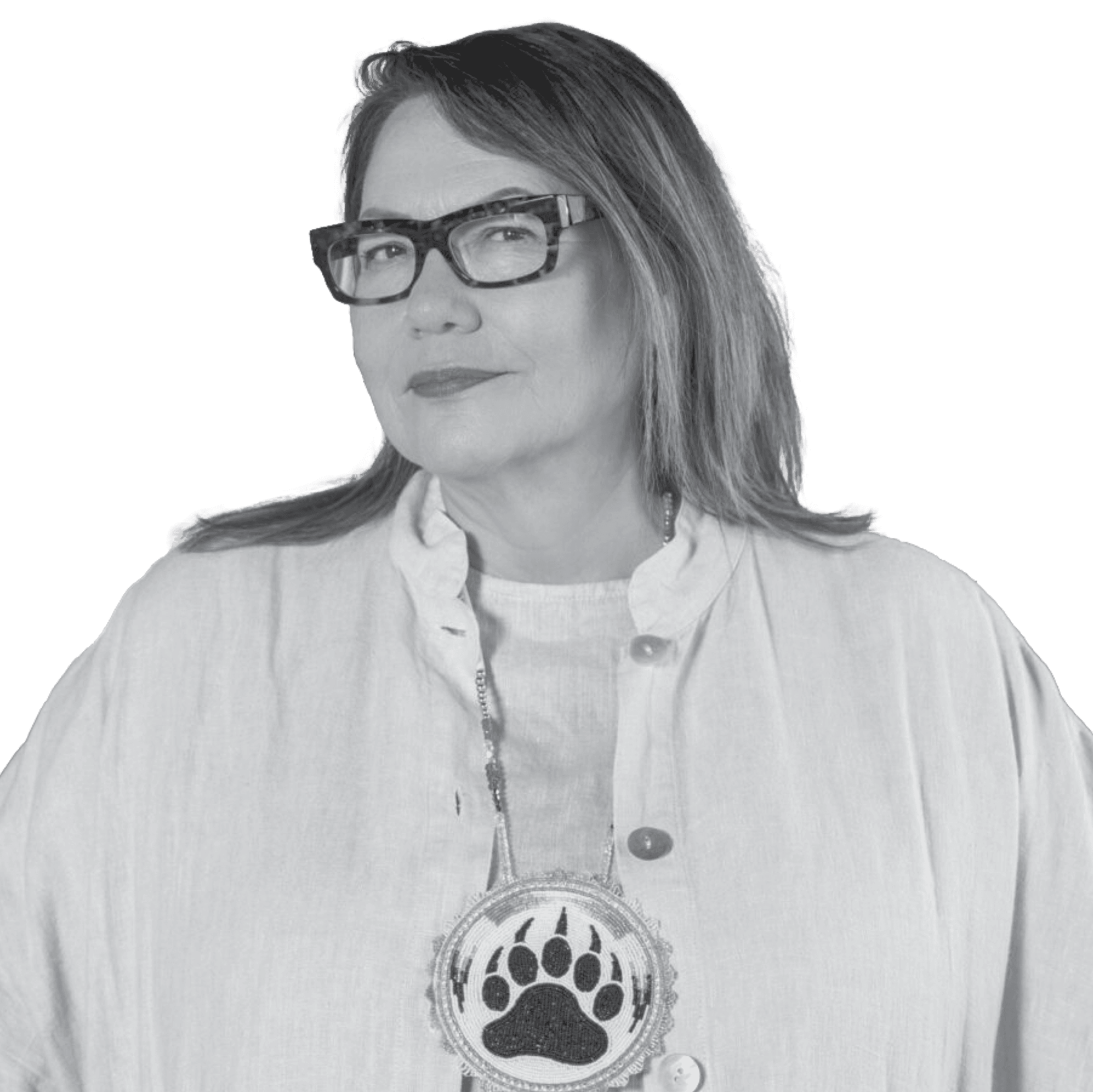
One of the best presentations I've seen was made by Dennis Martinez, a restorative ecologist, who spoke to students at the Salish Kootenai College in Pablo, Mont. Martinez spoke about restoring the land by following traditional Native American practices.
Meanwhile, I'm glad to share the following information about the continual attention being paid to the traditional ways in which Native people created an environment viewed by others as a land of "milk and honey."
Plan on attending the "Building a Healthy, Sustainable Native American Community" conference, Sept. 25-27 in Fairfield, Iowa. Sponsored by the David Lynch Foundation, the conference will examine the ways Native American cultural and agricultural practices have influenced the sustainability movement and how modern technology could better serve the Native American community.
Addressing five core issues of education, health, agriculture, energy and cultural preservation, leaders in the Native American and sustainability communities will discuss what a healthy, sustainable future would look like for the Native American population. The steps that have already been taken to reach that goal will feature prominently as well.
You can learn more about the event here.
Jodi Rave
Spotted an error? Suggest a correction.
Jodi Rave Spotted Bear
(Mandan, Hidatsa/ Mniconjou Lakota)Founder & Editor in Chief
Spoken Languages: English
Topic Expertise: Federal trust relationship with American Indians; Indigenous issues ranging from spirituality and environment to education and land rights
Sharing Is Caring
This article is not included in our Story Share & Care selection.
The content may only be reproduced with permission from the Indigenous Media Freedom Alliance. Please see our content sharing guidelines.
© Buffalo's Fire. All rights reserved.
We provide independent Native-focused reporting that gives our communities the context and the facts they need to make informed decisions.
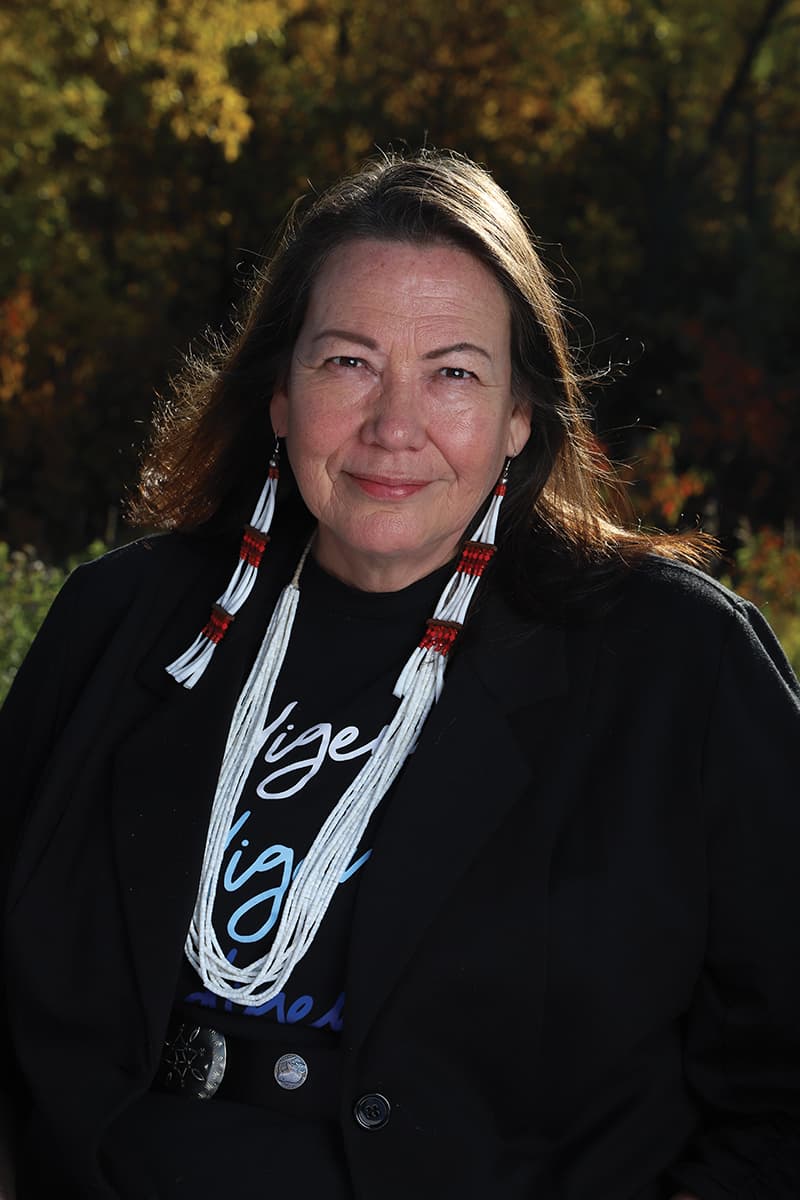
Respect The Fire
At Buffalo's Fire, we value constructive dialogue that builds an informed Indian Country. To keep this space healthy, moderators will remove:
- Personal attacks, harassment, or hate speech
- Spam, misinformation, or unsolicited promotion
- Off-topic rants and excessive shouting (All Caps)
Let’s keep the fire burning with respect.