






Runaway children in the Dakotas account for majority of missing Indigenous persons reports
In September, at least 73 Native people were reported missing in North and South Dakota — 65 are children

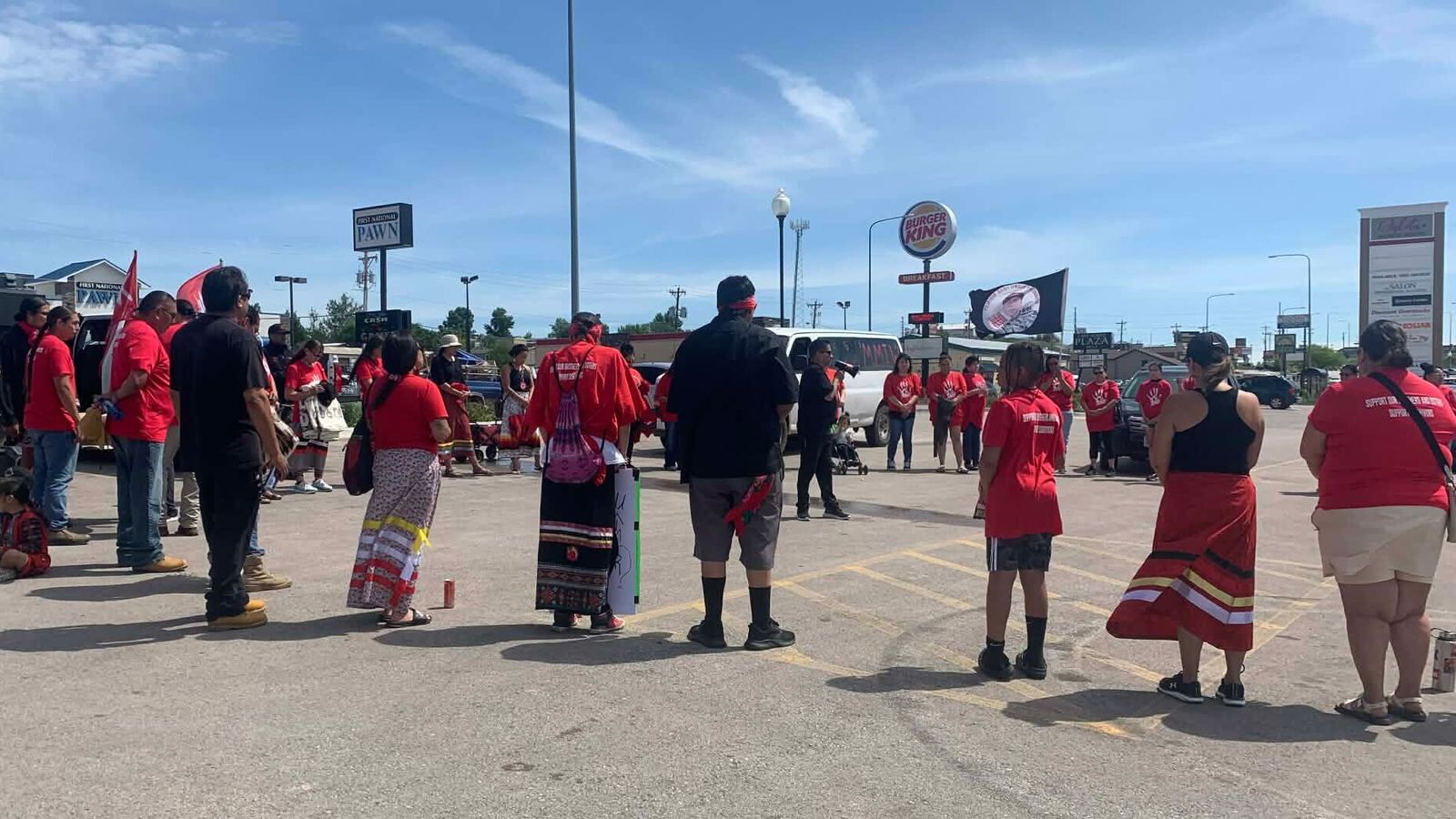
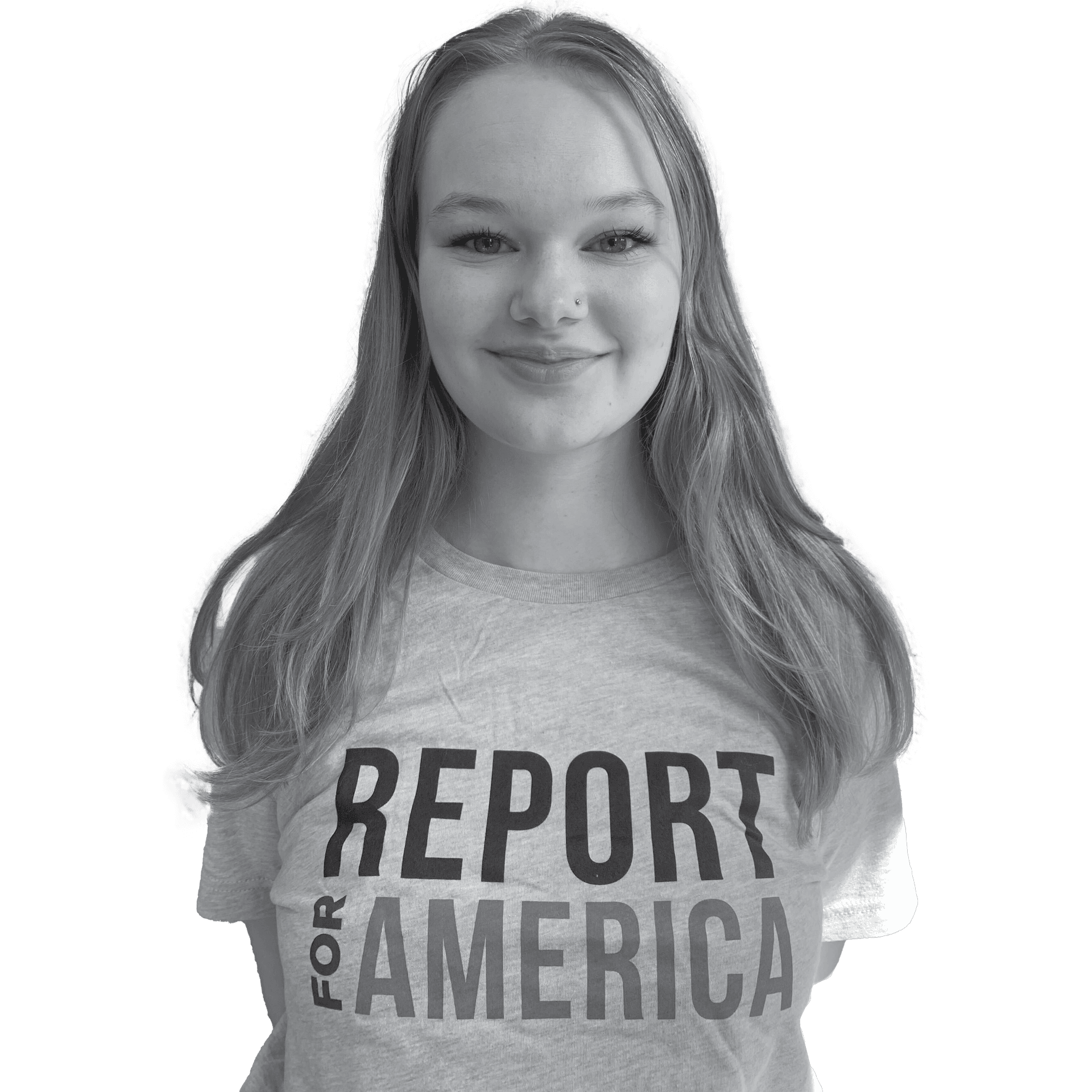
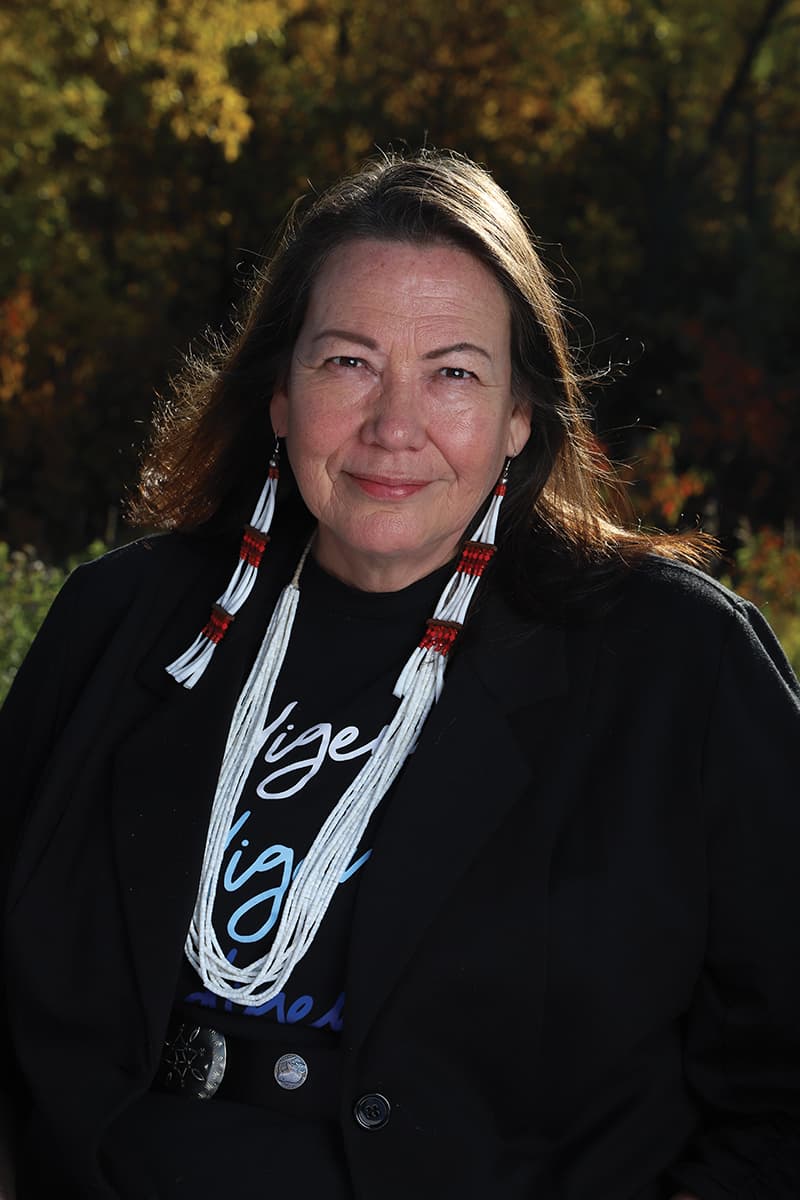
Natalie Stites Means has family members and friends who have been lost to the missing and murdered Indigenous peoples crisis. “We all do,” said Stites Means, an enrolled citizen of the Cheyenne River Sioux Tribe in South Dakota and the executive director of Community Organizing for Unified Power Council.
Her organization does community outreach, advocating for better housing for Indigenous people in the state. As part of her job, she organizes events for families of missing and murdered Indigenous people. People are constantly going missing in Rapid City, South Dakota, she told Buffalo’s Fire. But there’s a demographic of missing Indigenous people she believes is often overlooked.
“A lot of our youth are runaways, and they are being exploited,” she said. “At the community and system level, runaways don't get the same level of attention as other missing people.”
Buffalo’s Fire tracked a month of missing persons reports in the Dakotas and found that of the 73 Indigenous people reported missing in September, 65 were under the age of 18.
Both state’s missing persons databases track reflect only active cases. Once a missing person is located, they are removed from the sites.
In South Dakota, 51 Indigenous people were reported missing; more than half of them — 28 — were in Rapid City. Rapid City police officer Brendyn Medina said South Dakota’s missing persons database includes juvenile runaways, which is what usually accounts for spikes or numbers that look out of the ordinary.
Stites Means said children classified as runaways should instead be referred to as missing and endangered children: “They are all endangered if they are not home.”
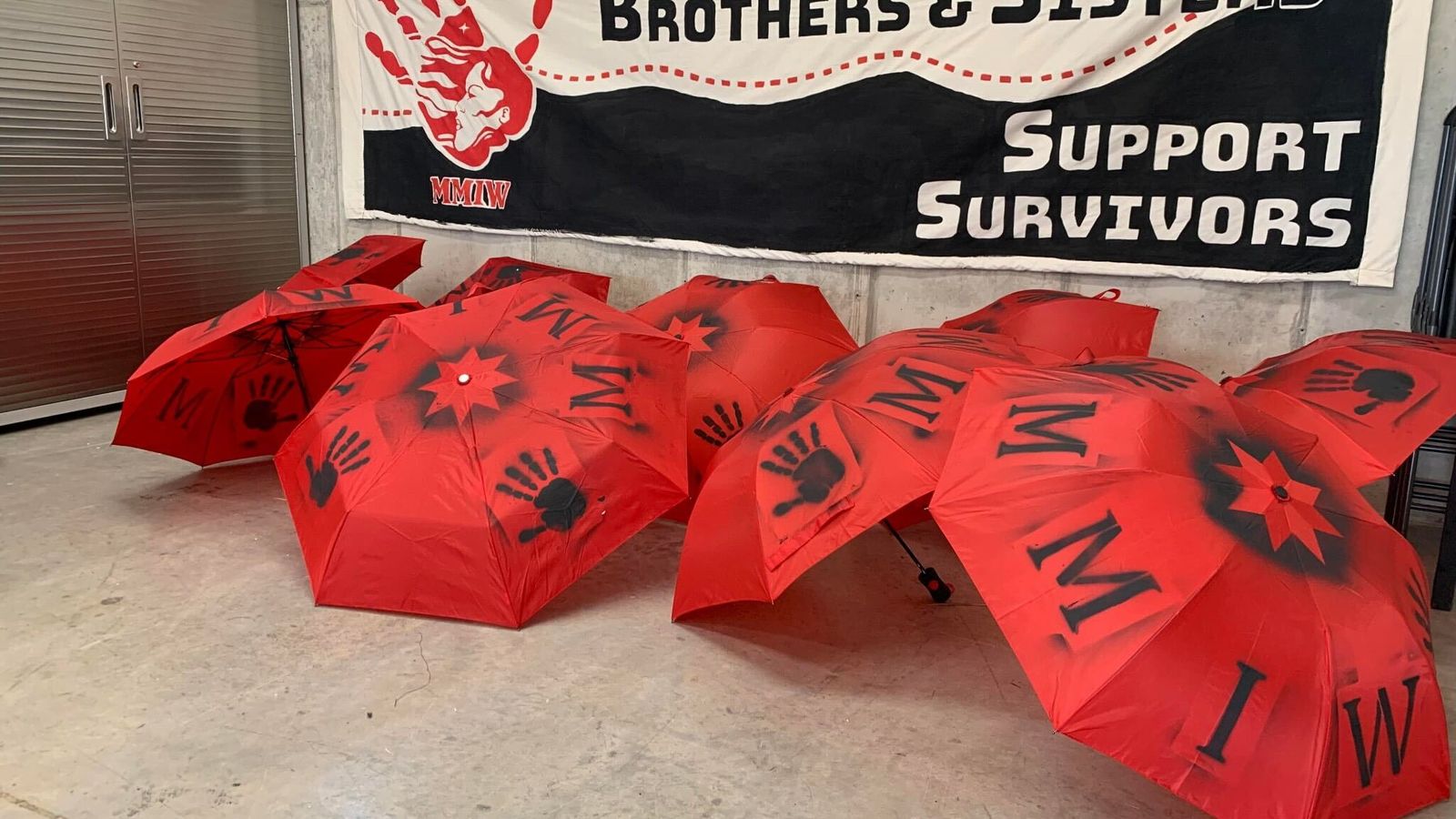
Medina said, “In reality, the runaway situations we see are typically repeat runaways who are making efforts to avoid being located by law enforcement."
High numbers of missing children are not limited to Rapid City. Data from a three-year report conducted by the Montana Missing Indigenous Persons Task Force shows that from 2017 to 2019, 80% of the 5,570 missing Indigenous people were under the age of 18; 60% were children who went missing more than once.
Walter DeKeseredy is a Canadian citizen, scholar and activist who has spent over 20 years researching violence against women. He has published over 150 scholarly articles and won multiple awards for his research. He is now director of the Research Center on Violence at West Virginia University.
DeKeseredy specializes in understanding the ways women and children in rural communities experience violence, which he said directly relates to MMIP.
“We can’t understand violence against women and children without understanding violence against Indigenous people,” he said.
DeKeseredy describes the rates of violence against women and children in Indigenous communities as “alarmingly high,” stating the highest rates of violence in America take place in rural communities, such as on reservations and in small towns.
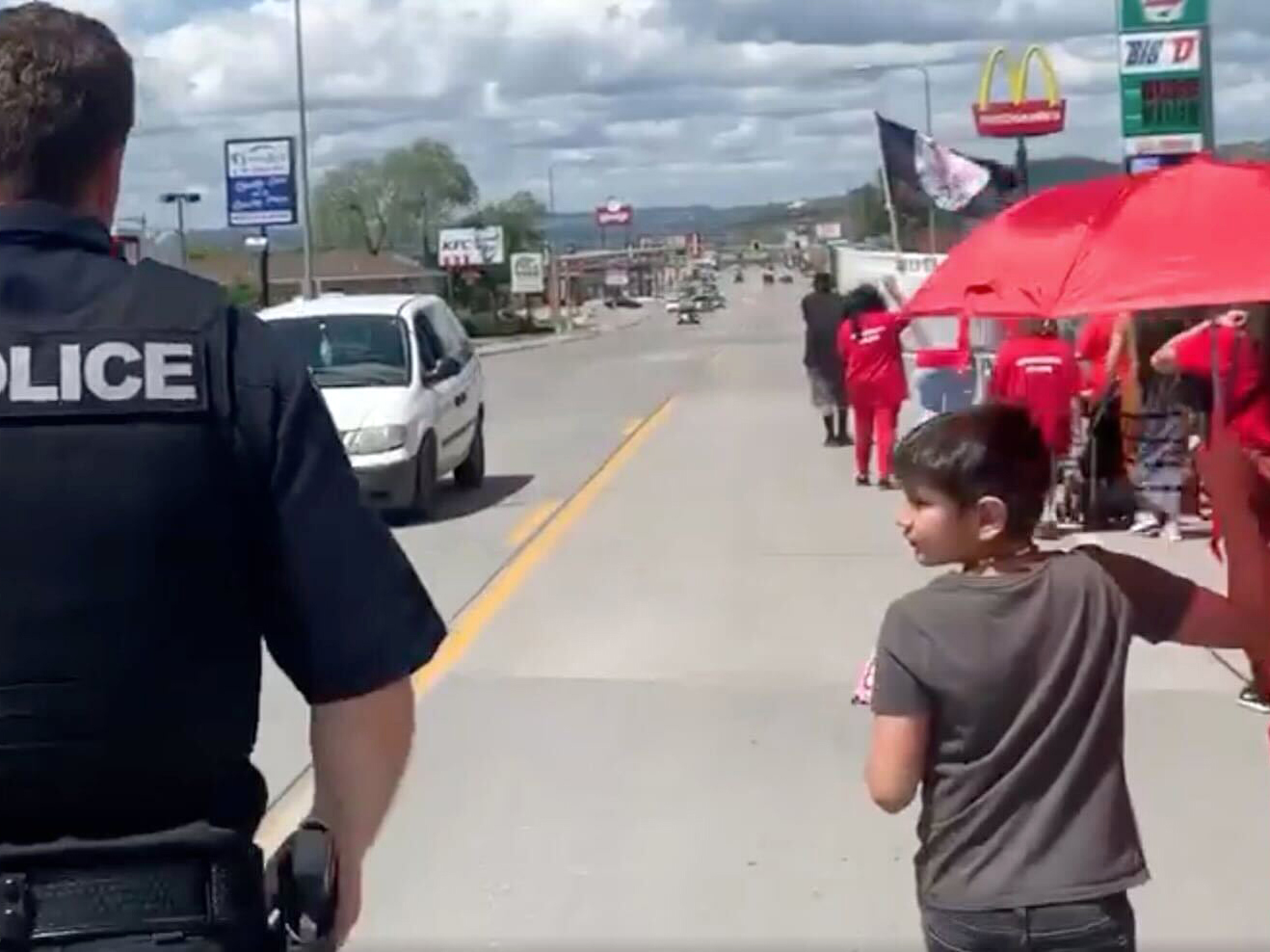
He points to many factors for this, including geographic isolation. In remote communities, there is a lack of public transportation, and people often need to travel to receive services for housing or assault. Because the communities are so rural, DeKeseredy said it makes it difficult to understand exactly how many people are missing or murdered.
“We don't know the exact numbers,” DeKeseredy said, adding, “and numbers speak very loudly.”
Some of these data gaps are caused by states using different databases and some missing people going unreported. North Dakota tracks missing persons cases through the Office of the Attorney General while South Dakota uses the Clearinghouse database.
One thing scholars do know, DeKeseredy said, is that children running away from home are often facing abuse within the home. But the streets are not safe either, he said, especially for Native children. DeKeseredy said perpetrators prey on runaways and women and children in rural communities, knowing they don’t have access to the same level of resources. “People add value to someone's life based on socio-economic background,” DeKeseredy said.
Stites Means said runaways are treated as less important than other missing people both by law enforcement and community members. They are often seen as troubled kids who have behavioral problems, rather than a child that needs help, she said. She believes high numbers of missing Native children arise from systemic issues related to abuse in foster care and mistreatment by the criminal justice system.
“Our youth are detained a lot, they're handcuffed at really young ages. That inhumane treatment and the cavalier attitude towards this by the system factors into MMIP especially when people don't feel they can be protected by the legal system and come forward,” Stites Means said.
Despite Native Americans making up 5% of the population in North Dakota, Indigenous children represent 40% of those in the state’s foster care system. In South Dakota, the numbers are even higher. Data from 2023 shows that although only 11% of children in South Dakota are Native American, they make up nearly 58% of the state’s foster care population.

“Generally speaking, runaways aren't running away for fun. Even if they are on a party bend, they are running from trauma, exploitation, harm and abuse,” Stites Means said. “Not having liveable wages, public transportation, housing and healthcare, all of these things contribute to MMIP,” she added. “Poverty is the easiest way to exploit people.”
Stites Means said children who are away from home are at risk of being targeted for human trafficking and other types of abuse, something DeKeseredy said he has seen in his research.
“Running away puts you at higher risk of being killed and being sexually abused and getting involved in drugs and alcohol abuse,” DeKeseredy said. “We need to deal with social problems Indigenous people are facing.”
DeKeseredy said he wants to see a push for a global movement, where the United Nations and Indigenous leaders from all over the world can meet to discuss paths for moving forward and addressing the MMIP crisis.
Stites Means wants to see a change in budget priorities and public policy to address systemic issues and create solutions that can lead to safer communities.
“The solutions are right in front of our faces,” Stites Means said, adding, “We can only save ourselves.”
Sharing Is Caring
This article is not included in our Story Share & Care selection.
The content may only be reproduced with permission from the Indigenous Media Freedom Alliance. Please see our content sharing guidelines.
© Buffalo's Fire. All rights reserved.
We provide the independent reporting that non-Native, extractive outlets often overlook. We give our communities the context and the facts they need to make informed decisions.
Respect The Fire
At Buffalo's Fire, we value constructive dialogue that builds an informed Indian Country. To keep this space healthy, moderators will remove:
- Personal attacks, harassment, or hate speech
- Spam, misinformation, or unsolicited promotion
- Off-topic rants and excessive shouting (All Caps)
Let’s keep the fire burning with respect.