






Climate change and indigenous peoples

I found a climate change report regarding indigenous peoples I wanted to share. Here's and excerpt from the Forum For Development Corporation With Indigenous Peoples:
The climate is changing; there can be no doubt about it. The reasons for these changes are not quite clear, but most of the experts agree that the climate changes we observe are man-made, at least to an important extent. Whatever their causes, we will all be affected by the changes in the climate. Some groups of people, however, will be affected more than others. They are those whose lives are most tightly linked to nature, people that are not sheltered in urban areas, or protected by more or less sophisticated devices that isolate them from the rhythms of seasonal variations or the consequences of natural catastrophes.The category of “Indigenous peoples” covers human peoples that are quite different regarding lifestyles, the way communities are organised, their languages, or the kinds of environments they live in. But one of the common markers that define indigenous peoples relates to their proximity to nature in a material, concrete sense. About half ofthe indigenous peoples of the world live in rural areas as hunters, gatherers, fishermen and farmers. Climate changes will in many cases have a powerful impact on their lives, and their ability to adapt to these changes are vital.
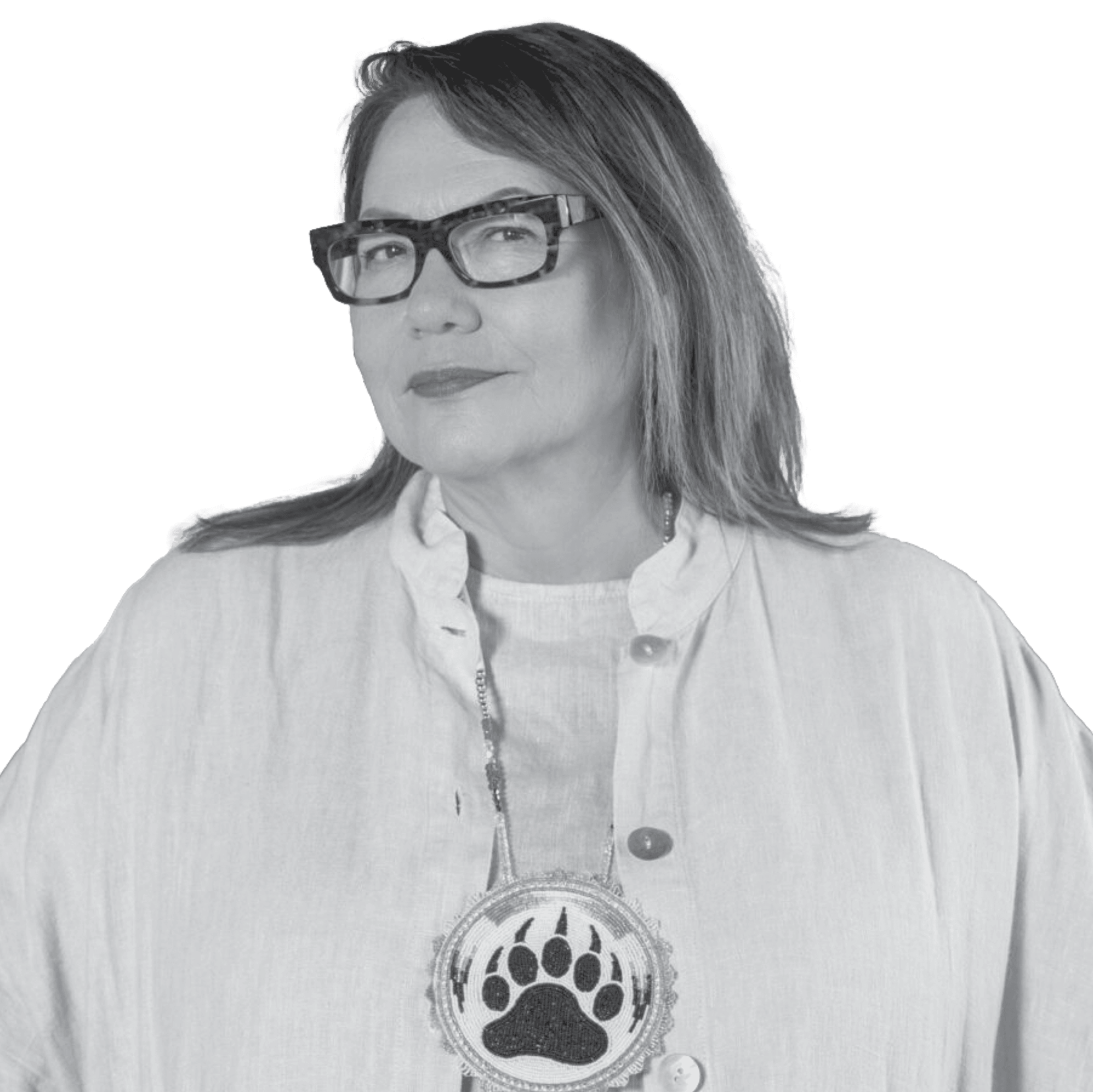
Jodi Rave
Jodi Rave Spotted Bear
(Mandan, Hidatsa/ Mniconjou Lakota)Founder & Editor in Chief
Spoken Languages: English
Topic Expertise: Federal trust relationship with American Indians; Indigenous issues ranging from spirituality and environment to education and land rights
Sharing Is Caring
This article is not included in our Story Share & Care selection.
The content may only be reproduced with permission from the Indigenous Media Freedom Alliance. Please see our content sharing guidelines.
© Buffalo's Fire. All rights reserved.
We provide independent Native-focused reporting that gives our communities the context and the facts they need to make informed decisions.
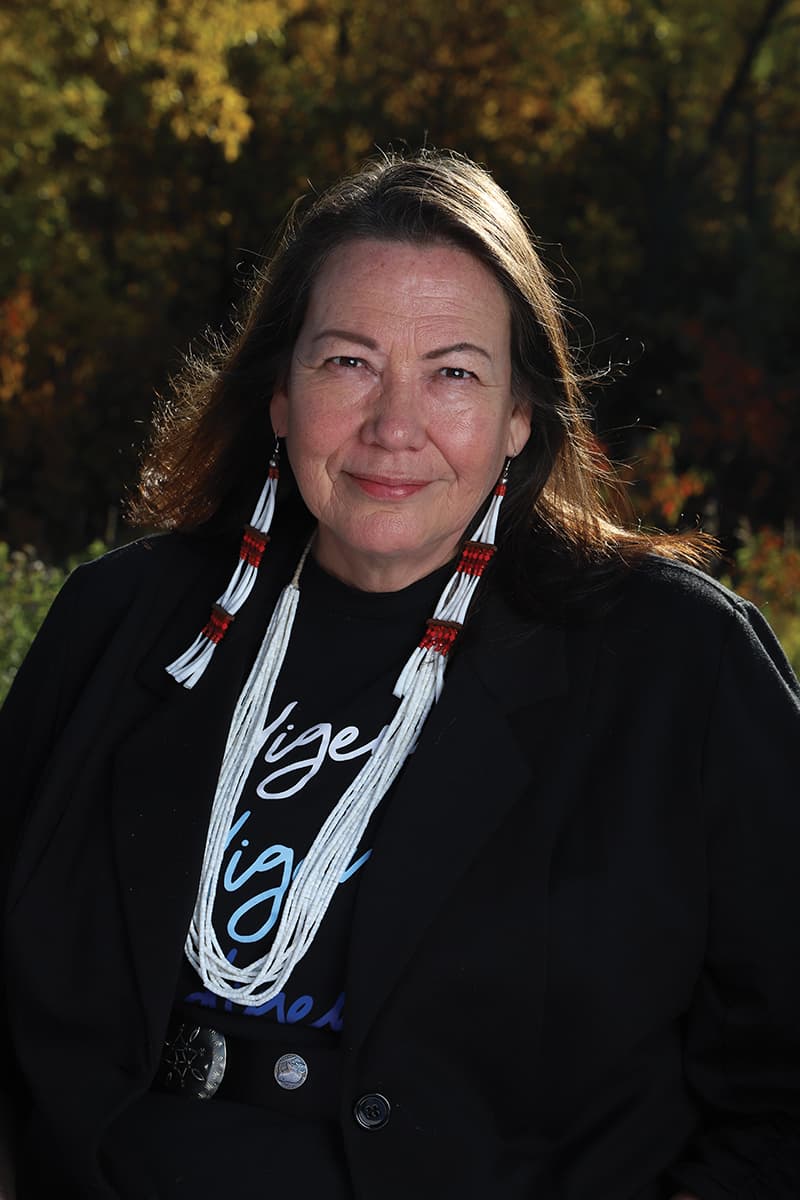
Respect The Fire
At Buffalo's Fire, we value constructive dialogue that builds an informed Indian Country. To keep this space healthy, moderators will remove:
- Personal attacks, harassment, or hate speech
- Spam, misinformation, or unsolicited promotion
- Off-topic rants and excessive shouting (All Caps)
Let’s keep the fire burning with respect.