


Senate permitting reform passes first test
BAAJA bill moves to full debate as tribal leaders express disappointment

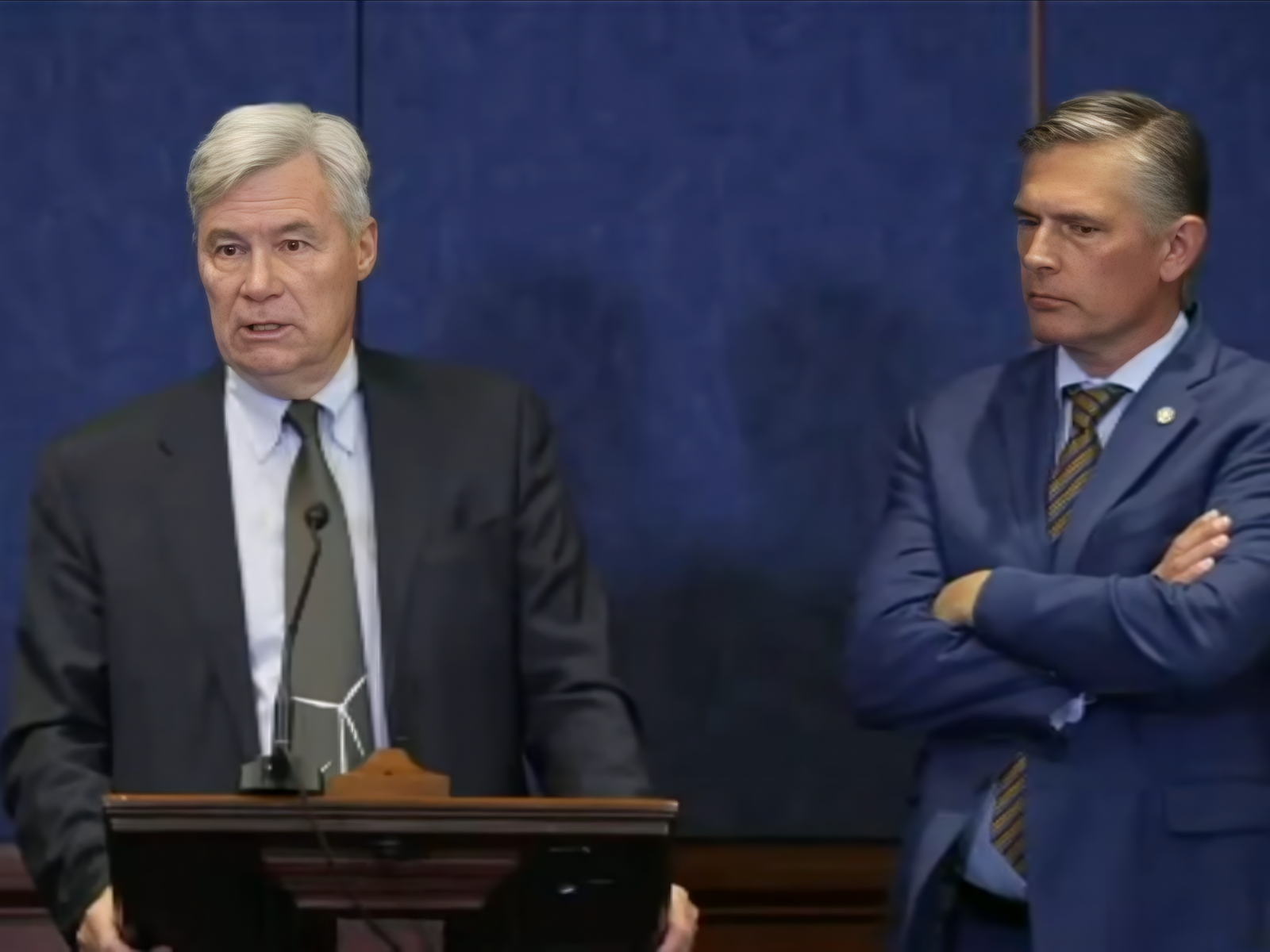

A major permitting reform bill that supporters say would expand energy development in the United States passed its first test in the Senate yesterday.
Senators voted 73-25 to advance the Bipartisan American Affordability and Jobs Act toward a full debate on the floor. If passed, it would accelerate development of energy projects from gas pipeline construction to solar and wind farms.
Sen. Martin Heinrich (D-NM), a co-sponsor of the bill, has faced scrutiny from constituents for supporting a measure that would drastically impact environmental laws and tribal sovereignty on any development projects.
“Negotiating this bill hasn’t been easy and took a lot of compromise,” Heinrich said in a statement after the bill passed the procedural vote on Monday. “Now, we need to roll up our sleeves, engage in the amendment process, and work across party lines to get this done.”
If passed, the bill would have to go to the House for approval of any changes made. House progressives are pushing back against BAAJA, calling for the bill to go through Congress after newly elected members are sworn in. However, supporters, including President Donald Trump, say the window to pass the bill with bipartisan support will close in 2027.
Tribal leaders remain steadfast to their opposition to the bill, arguing it narrows Section 106 of the National Historic Preservation Act, a law that tribes have used to protect sacred sites from development.
Acoma Pueblo Gov. Charles Riley and other tribal leaders shared their disappointment after the vote on Monday.
“Congress has done this before,” Riley said in a statement. “Removal, allotment, termination: each was decided in Washington, about us, without us. Each time, Tribes were treated as something Congress could set aside.”
Sharing Is Caring
This article is not included in our Story Share & Care selection.
The content may only be reproduced with permission from the Indigenous Media Freedom Alliance. Please see our content sharing guidelines.
© Buffalo's Fire. All rights reserved.
We provide independent Native-focused reporting that gives our communities the context and the facts they need to make informed decisions.
Respect The Fire
At Buffalo's Fire, we value constructive dialogue that builds an informed Indian Country. To keep this space healthy, moderators will remove:
- Personal attacks, harassment, or hate speech
- Spam, misinformation, or unsolicited promotion
- Off-topic rants and excessive shouting (All Caps)
Let’s keep the fire burning with respect.