





















Technology and AI discussion in Eagle Butte addresses need for community control of data, facts and information
Rural Native communities need reliable news to stay on top of technology’s rapid growth

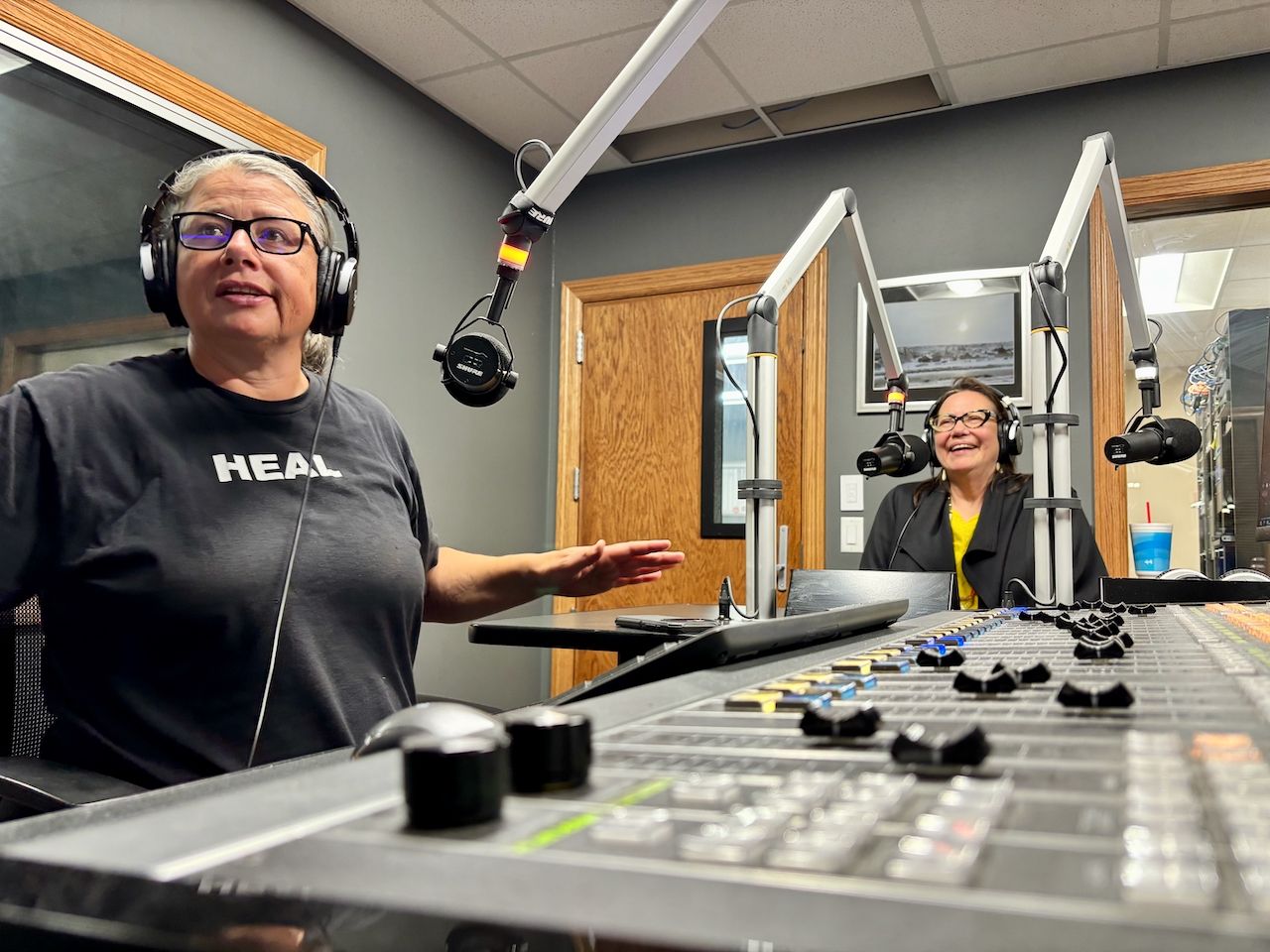
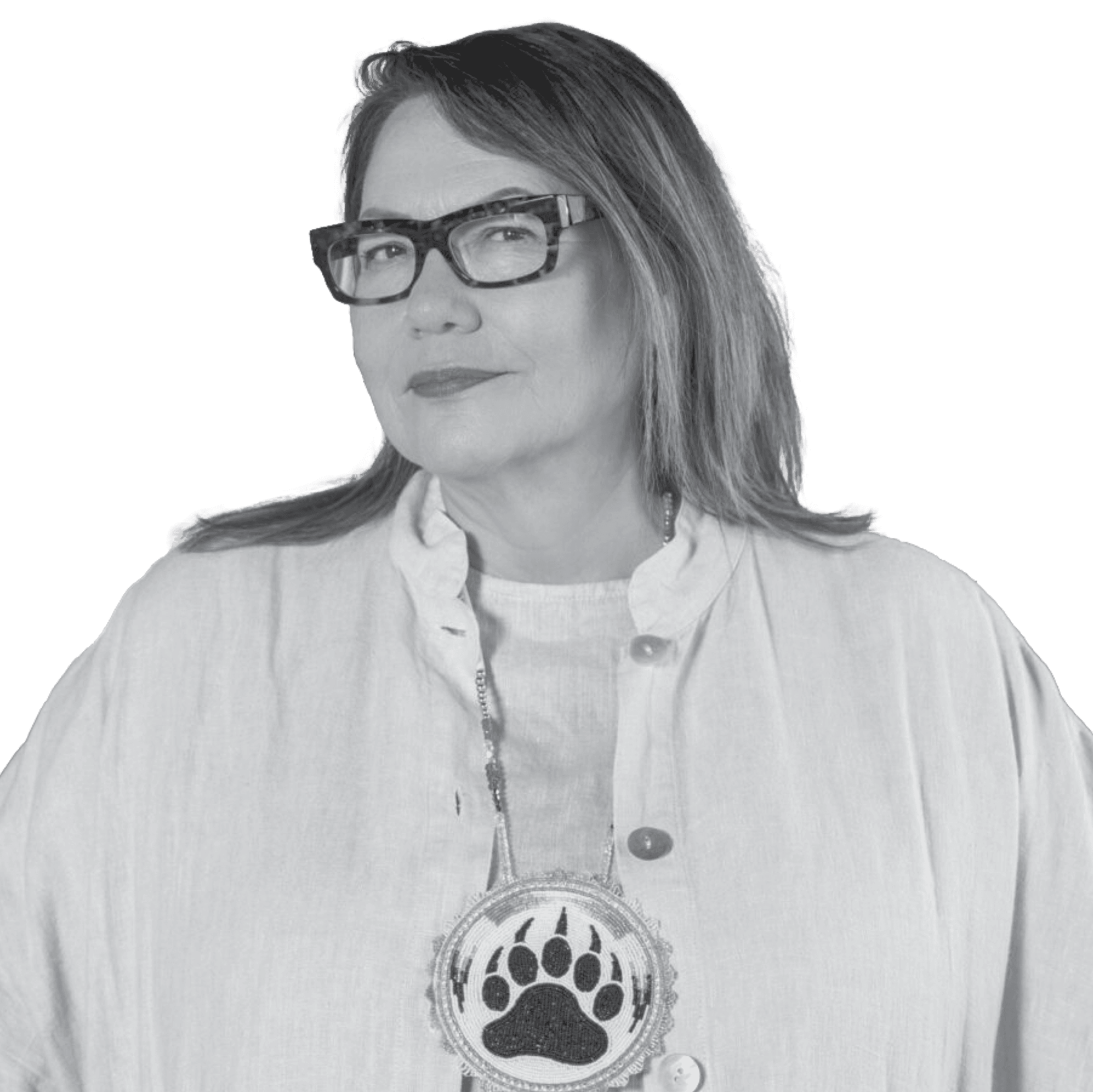
A reminder to my 6-year-old grandson that I was on my way to moderate a technology and AI panel at the Lakota Cultural Center in Eagle Butte, South Dakota, spurred an immediate response from him: AI is going to take all the water, kill the animals and probably take over the world.
That’s a pretty quick assessment from a first grader. I later learned my grandson picked up his views of AI from TikTok and YouTube, where he creates and edits short videos. He’s growing up in a world where artificial intelligence is everywhere. Adults also get information from social media. Unfortunately, most Native communities lack robust news ecosystems, which drives them to Facebook to piece non-fact-checked information together. Welcome to the world of disinformation.
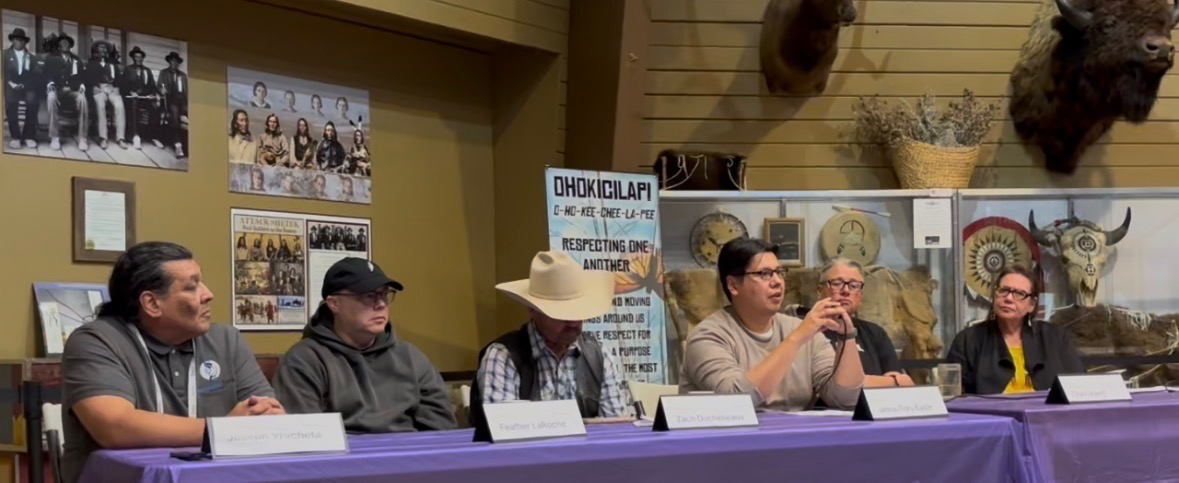
Anytime there’s a chance to engage in thoughtful community dialogue, I’m in, which is why I agreed to moderate a Rez Tech Reimagined event and panel discussion on artificial intelligence. I loved the idea of inviting Cheyenne River Reservation community members to participate in the Oct. 3 event hosted by the Native BioData Consortium, which is based in Eagle Butte.
I haven’t written much on AI, but I do stay informed about this rapidly developing technology. We need civil conversations at home and within our communities. Community engagement is at the heart of local journalism, and I genuinely appreciated the chance to listen to the knowledgeable panelists' experiences and views on AI’s use, development and encroachment in our lives.
As the founder of the Native Media Freedom Alliance — we’re changing our name from the Indigenous Media Freedom Alliance — I’ve overseen surveys and research that show Native communities yearn for local news. My staff and I constantly learn how to best report and deliver news through our digital news site at BuffalosFire.com. We are transparent in multiple ways, including reporters' expertise, where our funding comes from, proper attribution, and contact information, and we provide references and links to original source material.
While I have written little on AI, I do have a trove of freedom-of-information and press-freedom stories. That’s why I founded the Native Media Freedom Alliance, where our mission and vision call for the rise of independent Native media and strengthening Native Nation building through transparency and accountability. Our name change reflects our focus on Native media issues within the United States.
The Rez Tech panelists shared their experience with AI use, including agriculture, computer coding, journalism, Indigenous data readiness, data sovereignty, data storage and data research. Unfortunately, because local news coverage was limited — the West River Eagle newspaper does not have a local reporter in Eagle Butte — disinformation circulated about the intent of the gathering. Some misguided disruptors attended on behalf of ill-informed people.
The Native BioData Consortium — a 501(c)(3) nonprofit data repository and research center that advances Indigenous health and tribal self-governance — works with tribes to control data. One of its projects, the Tribal Data Repository, sought to collectivize data sharing among tribal governments. The consortium has also envisioned building a data campus at Cheyenne River, not a data center, to secure tribal data and isolate it for Native nations.
From a journalist's perspective, we need to build our local media infrastructure in Indian Country so we can keep our communities properly informed on issues like AI. This also includes understanding the impact of data centers. We’re doing our part at the Native Media Freedom Alliance to provide a free flow of information to Native journalists and tribal citizens. We submitted a freedom-of-information resolution to the 2026 National Congress of American Indians 83rd Annual Conference and Marketplace.
Meanwhile, it’s heartening to see the Cheyenne River Sioux Tribe operating KIPI Radio, a 100,000-watt station with a 120-mile broadcasting radius. The Cheyenne River Reservation, however, lacks a Native-led newspaper, even though the West River Eagle is distributed there. NorDak Publishing distributes the paper around Cheyenne River where it has no local reporters. Its editor, Grace Terry, lives some 1,300 miles away in Georgia. She encourages Native folks to send her photos and story ideas.
Upon learning Lakota readers wanted more local news, Terry responded in a Sept. 16 letter from the editor: “I guess in any situation there will always be a few people who do the work while a few others complain and criticize without offering to be any part of improving the situation. They complain and criticize no matter what the doers are doing. God bless those people. They must surely be pretty miserable folks.”
OK then. This leaves local Lakotas to get information out by any means. Some people anonymously created “media” sites on Facebook, including Tatanka Oyate Press and 2KC Media. As for transparency, neither site lists any contact information, editors, or reporter bios. One thing is clear: Both are trying to fill a local news information gap.
Sustaining local news operations is hard anywhere in the country, and it’s even more difficult in rural reservation communities when area tribal colleges don’t offer communication programs, let alone teach journalism ethics. Add to this the lack of freedom of information laws that would let any enterprising reporter access tribal government records to inform the community. This is why the proposed NCAI freedom of information resolution is needed.
So when a local nonprofit like NativeBio organizes a community event on AI, it's a newsworthy endeavor to be shared with the community. I’m glad I was there to participate and do my best to moderate.
Grown-ups have the responsibility to make the world a better place for little guys like my grandson. We need to educate ourselves about AI. That’s what Rez Tech Reimagined aspired to.
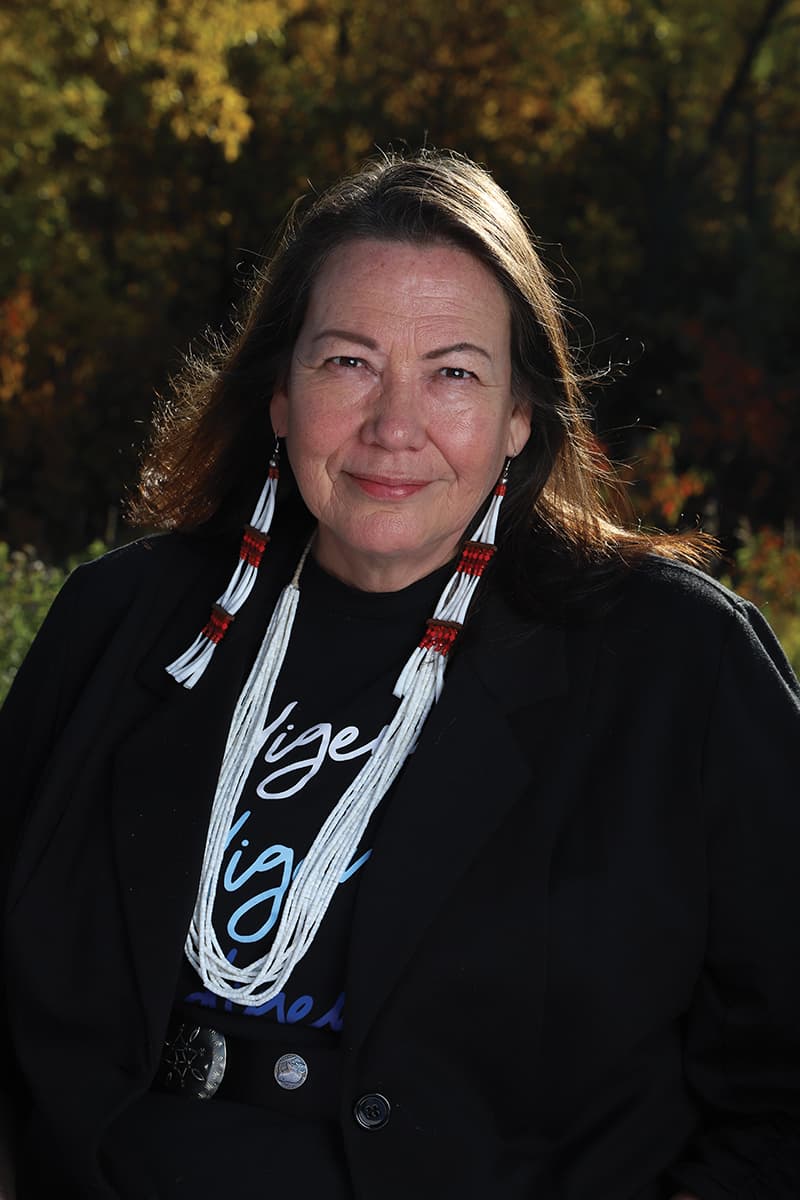
Jodi Rave Spotted Bear
(Mandan, Hidatsa/ Mniconjou Lakota)Founder & Editor in Chief
Spoken Languages: English
Topic Expertise: Federal trust relationship with American Indians; Indigenous issues ranging from spirituality and environment to education and land rights
Sharing Is Caring
This article is not included in our Story Share & Care selection.
The content may only be reproduced with permission from the Indigenous Media Freedom Alliance. Please see our content sharing guidelines.
© Buffalo's Fire. All rights reserved.
We provide independent Native-focused reporting that gives our communities the context and the facts they need to make informed decisions.
Respect The Fire
At Buffalo's Fire, we value constructive dialogue that builds an informed Indian Country. To keep this space healthy, moderators will remove:
- Personal attacks, harassment, or hate speech
- Spam, misinformation, or unsolicited promotion
- Off-topic rants and excessive shouting (All Caps)
Let’s keep the fire burning with respect.