





Advocates in Canada push to end Indian Act’s second-generation cutoff
Supporters of Bill S-2 say proposed changes would address longstanding status inequities
Jeannette Corbiere Lavell, an Anishinaabe woman from Wikwemikong First Nation, is among Indigenous advocates whose efforts helped challenge gender-based discrimination in Canada’s Indian Act. According to reporting in The Globe and Mail, Corbiere Lavell lost her Indian status in 1970 after marrying a non-Indigenous man and later joined a legal fight that contributed to reforms under Bill C-31 in 1985, which restored status to many Indigenous women.
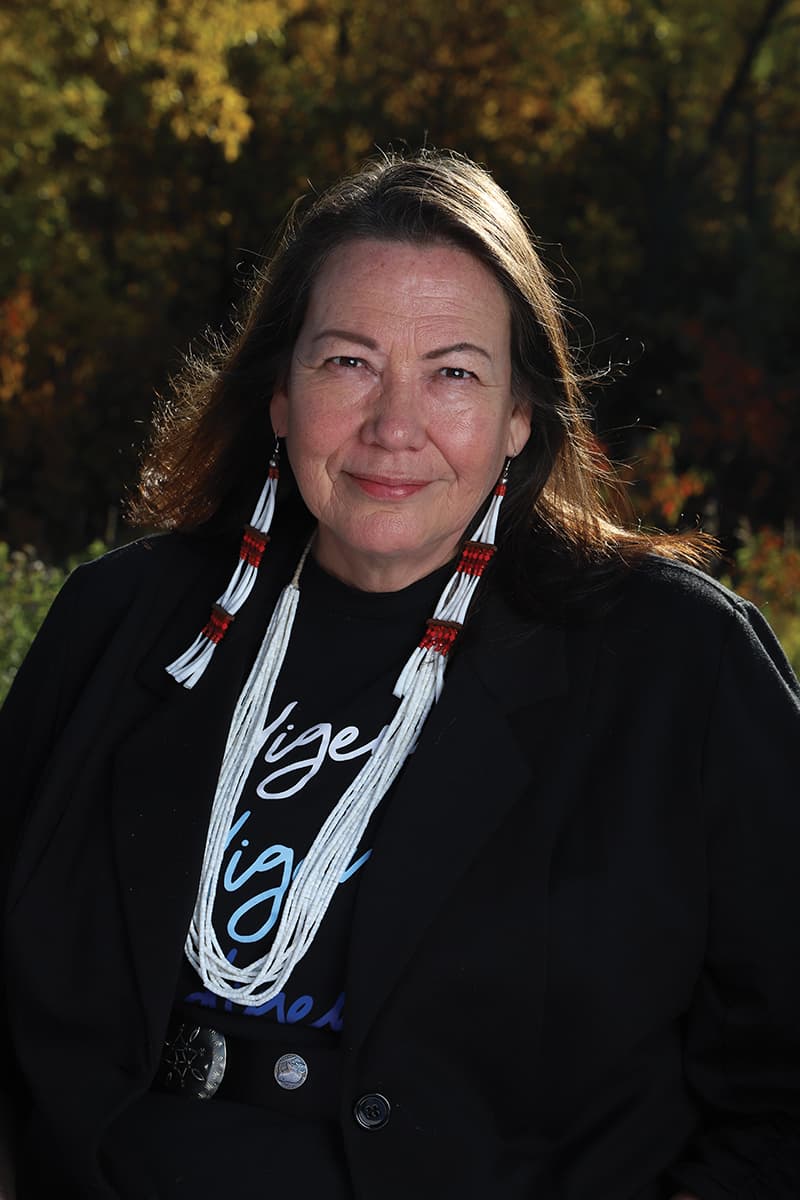
The debate has shifted to the Indian Act’s second-generation cutoff, a provision that can prevent descendants of some Status Indians from obtaining status. Dawn Lavell Harvard, director of Trent University’s First Peoples House of Learning and Corbiere Lavell’s daughter, is among those supporting Bill S-2, which would eliminate the cutoff. According to Indigenous Services Minister Mandy Gull-Masty’s office, the bill would restore status to about 3,500 people and their descendants. The legislation is being studied by the Standing Committee on Indigenous and Northern Affairs, and could be considered for a vote this fall.
Spotted an error? Suggest a correction.
We provide independent Native-focused reporting that gives our communities the context and the facts they need to make informed decisions.