



Prominent Indigenous candidates head to federal elections in November
Indigenous representation in U.S. politics grows, but more than 17,000 elected leaders are needed for parity
The Advance Native Political Leadership organization seeks to capture up-to-date information about Native elected officials throughout the United States. According to its research, just 0.07% of U.S. elected officials are Native American, Alaska Native or Native Hawaiian. The organization, which aims to address barriers to Native political power, estimates it would take electing more than 17,000 Indigenous leaders to all levels of government to reach representational parity in elected office alone.
Indigenous women, in particular, are underrepresented in U.S. politics, the nonprofit adds on its website.
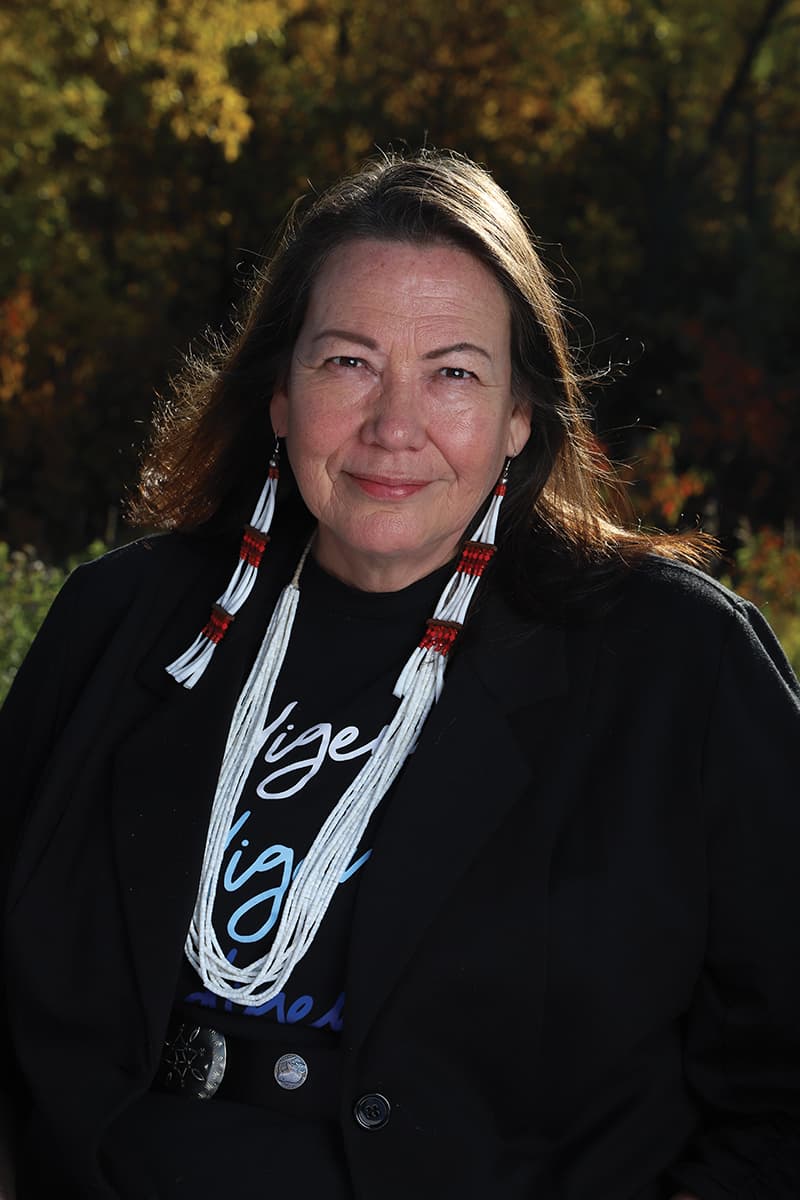
With prominent Native leaders heading to the fall general elections – like Alaska’s Mary Peltola (Yup’ik) and Minnesota’s Peggy Flanagan (White Earth Nation) – the nonprofit notes demographics are changing. In 2024, Advance Native Political Leadership reported 253 Native candidates ran for office, representing 113 tribal nations across 25 states. The website states this was the highest number of Indigenous candidates in U.S. history.
The organization maintains an active Native candidate map, as well as research insights, current endorsements and resources to support Native leadership.
Spotted an error? Suggest a correction.
We provide independent Native-focused reporting that gives our communities the context and the facts they need to make informed decisions.