Native veterans reflect on service and ties to land
Federal figures put the living Native American and Alaska Native veteran population at 140,000 to 150,000
As Native American and Alaska Native veterans observe Veterans Day on Nov. 11, veterans in in Washington state spoke with Salish Current about how their military service connects to land, education and belonging.
There are between 140,000 and 150,000 Native American and Alaska Native veterans, according to the Salish Current article, citing the U.S. Department of Veterans Affairs. Native Americans have served at a higher rate than any other demographic group — 19%, compared with a 14% average for other ethnicities.
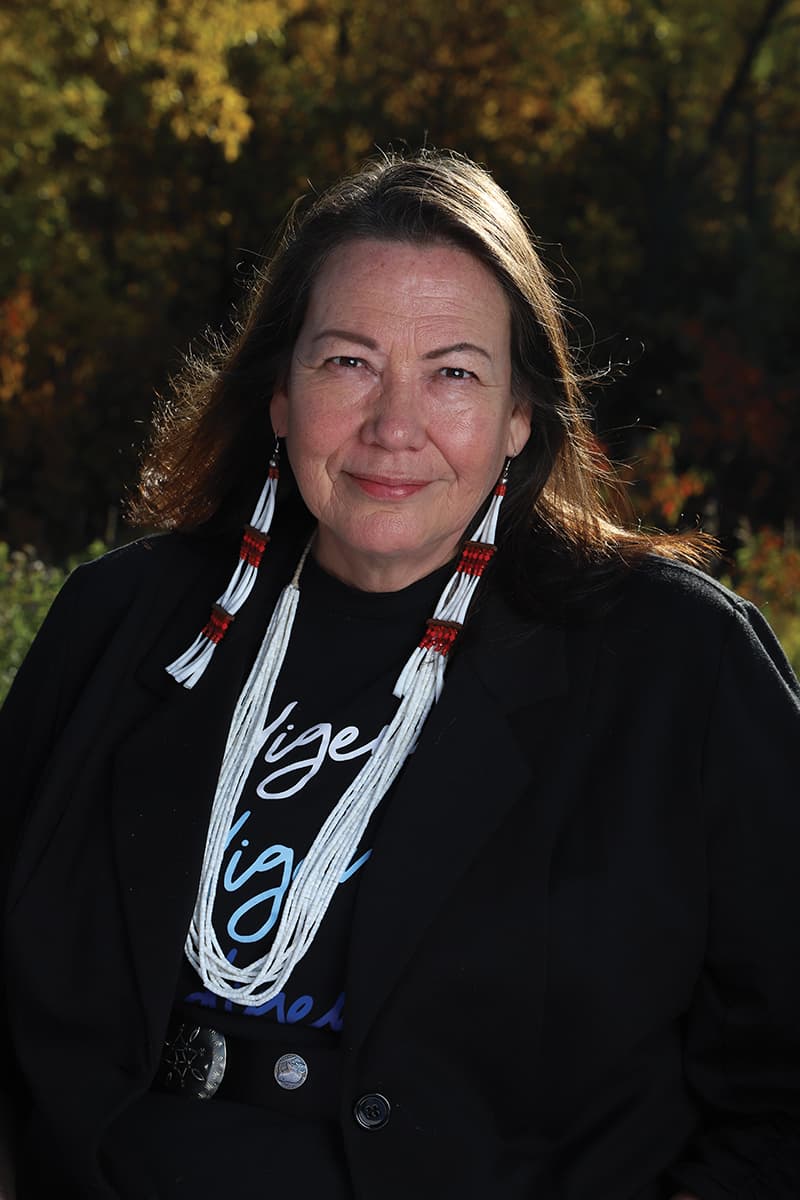
Rochelle Goins-Hetzel, an Air Force veteran living in Oak Harbor who is of Cherokee, Nansemond and Tuscarora heritage, enlisted at 18 to pursue an education she could not otherwise afford. Today, she participates in the Samish Nation Canoe Family in Anacortes.
“We are stewards of this land. If no one will speak up and protect it, we as Indigenous people need to,” Goins-Hetzel told Salish Current.
Richard Pease, a citizen of the Samish Indian Nation living in Anacortes, enlisted in the Army in 1978 and trained as a paratrooper. “I still have that sense of being part of something larger than me,” Pease was quoted as saying. “I’m part of the 82nd Airborne and the Samish Indian Nation.”
George Wellington, a Tsimshian veteran also living in Anacortes, served in Germany after being drafted in 1962. Reflecting on the weight of his service, Wellington recalled a fatal armored personnel carrier accident in which a soldier inflated his life vest before exiting, blocking the hatch. Water flooded the vehicle and no one inside escaped, he said. He is now 87. “It was an honor to serve my country,” he was quoted as saying. “I would go again. I wouldn’t even think about it.”
- 1.
We provide independent Native-focused reporting that gives our communities the context and the facts they need to make informed decisions.