






The Daily Spark
Small sparks from Indian Country, built to catch fire
Standing Rock Sioux Tribe offers free pet food to registered pet owners
The Standing Rock Sioux Tribe Animal Control Division is offering free pet food to residents, according to reporting by KFYR. The program is available only to tribal residents who complete annual pet registration requirements.
The initiative aims to support the health, safety and well-being of animals and their owners within the community. Households are limited to two registered pets.
Residents seeking additional information about registration or the free pet food program can contact Standing Rock Game and Fish at 701-854-7236.
Spirit Lake Tribe will return to Minneapolis to assist with tribal identification documents
The tribe will be at the American Indian Center Jan. 27 and 28
The Spirit Lake Tribe will be in Minneapolis, Minnesota, on Jan. 27 and 28 to assist with tribal identification cards and Certificates of Degree of Indian Blood (CDIB), according to a post on the tribe’s Facebook page. The event will take place at the American Indian Center on East Franklin Ave. All tribal ID card fees are waived for the event. The tribe also assisted Jan. 21-23. First time applicants must submit their application and all required documents by Jan. 27. Tribal ID pick up will be on Jan. 28 between 2 p.m. and 6 p.m. Returning applicants who completed their tribal ID or CDIB applications during the week of Jan 21-23 may pick up their IDs or CDIBs in person at the upcoming event. Applicants must also bring a form of photo identification, a separate document verifying their address and a social security card or copy of the card. Minors ages 7-17 are eligible for a tribal ID, and those six and under will receive a CDIB. All minors need a parent or guardian present. Anyone with questions can contact Spirit Lake Tribal Enrollment Department at 701-230-0866 or tribalenrollment@spiritlakenation.com.
Native advocates push for role in maternal death reviews amid high mortality rates
Native American and Alaska Native people continue to experience the highest pregnancy-related mortality rates among major demographic groups, according to data cited by KFF Health News. In 2024, they had the highest pregnancy-related mortality ratio, based on the most recent data available from the Centers for Disease Control and Prevention. Native leaders and organizations are calling for greater tribal participation in state maternal mortality review committees to better track and prevent deaths.
State maternal mortality review committees examine deaths during pregnancy or within a year after pregnancy and issue recommendations, according to KFF Health News. CDC data from 2021 found that most pregnancy-related deaths among Native American and Alaska Native people were preventable. Native leaders said including tribal perspectives, sovereignty and traditional knowledge in review processes is critical. Some tribes and organizations are also exploring the creation of tribal or regional review committees, according to the report.
First Nations warn members about U.S. border crossings amid ICE actions
The Assembly of First Nations is warning First Nations people to use caution when crossing from Canada into the United States following immigration enforcement raids and the detention of Indigenous people, according to reporting by The Canadian Press. AFN National Chief Cindy Woodhouse Nepinak confirmed that at least one First Nations person recently had a negative encounter with U.S. Immigration and Customs Enforcement and has since returned to Canada. The AFN issued a statement urging members to ensure they have proper documentation and identification when crossing the border.
Ontario Regional Chief Abram Benedict said the individual was detained by ICE, returned to Canada and had his certificate of Indian status seized, according to The Canadian Press. Indigenous Services Canada said it is aware of reports involving confiscated or damaged status cards in the U.S. and can issue emergency replacements. Several First Nations have issued similar warnings to members, citing recent ICE detentions, according to the report.
Sacred Pipe Resource Center offers food through two-day pantry in Bismarck
The Sacred Pipe Resource Center in Bismarck partnered with the Great Plains Food Bank to offer food to people in need during a two-day pantry event, according to a report by KFYR. The Wanna Wota Food Pantry opened Tuesday and Wednesday and served about 60 people, the report said. The event marked the first time the organization hosted the pantry.
The pantry offered basic grocery items as well as traditional foods and ingredients, including sweet potatoes, beans and lentils, according to KFYR. Volunteer Mariah Foote said the pantry aimed to help families facing ongoing food shortages. “There’s a lot of family members that struggle, even with food stamps; there’s not enough food stamps for one household, and one household can have like eight people,” Foote told KFYR. The Sacred Pipe Resource Center hopes to host similar food pantry events in the future, according to the report.
Standing Rock Sioux Tribe says member detained by ICE in Minnesota
The Standing Rock Sioux Tribe confirmed that a tribal member has been detained by U.S. Immigration and Customs Enforcement in Minnesota, according to a statement issued Jan. 24 by the Office of Chairman Steve Sitting Bear.
“I was notified today, January 24, 2026, that a Standing Rock Sioux Tribe member has been detained by the U.S. Immigration and Customs Enforcement (ICE) in the state of Minnesota,” the statement said. Tribal leadership is working to locate the individual, gather accurate information and coordinate with appropriate authorities to secure their release.
Details surrounding the detention remain limited, the statement said. Tribal leadership urged the public to refrain from spreading unverified information while the matter is under review. Sitting Bear said in the statement that the Standing Rock Sioux Tribe will “continue to advocate for the protection of our citizen’s rights and will provide updates as appropriate.”
Montana auditor says health care fraud scheme targeted Native Americans
Montana State Auditor James Brown said his office identified and worked to remedy a health care fraud scheme that targeted Native Americans, according to Montana Free Press. Brown said at least 80 Native Americans were victimized after fraudsters visited reservations and pressured people to enroll in Affordable Care Act plans with promises of free rehabilitation treatment at out-of-state facilities, often in California. Victims were transported to treatment centers where insurers were billed for care that did not occur, was not needed or was charged at inflated prices, according to a news release from Brown’s office cited by Montana Free Press.
Brown said federal authorities approved the rescission of 80 fraudulent insurance enrollments, allowing the state to recover more than $23.3 million. His office has identified 207 enrollments suspected of fraud that could total $54.7 million in unjustified claims, according to Montana Free Press. Because the scheme occurred on tribal land, Brown said federal authorities will determine potential charges.
Eastern Shoshone Business Council office closes amid leadership dispute
The Eastern Shoshone Business Council closed its offices Jan. 12 following a special general council meeting that led to a dispute over the body’s leadership, according to WyoFile. Closure notices posted on the office doors said the shutdown will remain in effect until actions from what was described as a “non-sanctioned” council meeting are resolved through tribal court.
According to WyoFile, notices and posts on the Eastern Shoshone Tribe’s Facebook page indicate all six members of the business council were removed by a vote of the general council during the meeting. The validity of the meeting and vote are now being challenged. An agenda shared ahead of the meeting listed as business items nepotism, mismanagement of the Shoshone Rose Casino & Hotel and the removal of all six current council members. The closure places all tribal finances and business operations on hold, according to the notice.
Criminal charges, lawsuits expand Arizona sober living fraud case
More than 100 people, several companies and at least one church have been charged in an expanding state and federal crackdown on fraudulent sober living homes in Arizona that targeted Native Americans, according to reporting by ICT. Arizona officials allege the scheme involved false promises of addiction treatment and improper billing of Medicaid, with losses reaching into the billions of dollars. In May 2025, state authorities charged an additional 20 people accused of stealing $60 million, according to ICT.
Katie Hobbs and Kris Mayes have described the situation as a “humanitarian crisis” and a failure of government oversight, ICT reported. Victims and families have filed multiple lawsuits, including a class-action case alleging negligence and misconduct by the state. Officials say investigations remain ongoing in Arizona and other states, according to ICT.
Interior releases strategic direction for Bureau of Indian Education
The Department of the Interior released a new strategic direction for the Bureau of Indian Education on Jan. 20, outlining a performance-driven plan to improve student outcomes, strengthen Native language and culture and enhance operations across Bureau-funded schools, according to an Interior press release. The plan emphasizes flexible, community-driven approaches and sets performance indicators through 2030. Interior officials said high school graduation rates at Bureau-funded schools increased from 51% in 2015 to 79% in 2025.
The strategic direction establishes goals across student success, cultural identity and wellness. Targets include raising graduation rates to 87%, improving annual academic growth in English and math by 5% and expanding college, career and military transition planning. It also calls for increased access to Native language instruction, stronger early childhood partnerships and reduced chronic absenteeism. Progress will be tracked through Bureau data systems, with schools reporting data to support accountability and transparency, according to the release.
Native physician warns ICE presence is harming community health
Native Americans in Minnesota are experiencing increased fear and anxiety amid a surge in federal immigration enforcement, according to reporting by MPR News. The outlet reported that it received several accounts of Native people being approached and, in some cases, detained by immigration agents in Minneapolis, though tribal leaders have not verified all claims. The situation reportedly has led to fewer clinic visits and heightened stress in Native communities.
Mary Owen, a physician at the Center for American Indian Resources, told MPR News that patients are avoiding medical care due to fear linked to the increased presence of Immigration and Customs Enforcement. Owen said the anxiety echoes past crises that kept people isolated and has affected school attendance and overall well-being. She said access to cultural resources and community support remains critical during the current surge.
Miami Tribe of Oklahoma strengthens youth connection through traditional lacrosse
The Miami Tribe of Oklahoma has revitalized peekitahaminki, a traditional Myaamia form of lacrosse, as a central activity for youth development and cultural connection, according to ICT. Over the past two decades, the sport has become a regular feature at community gatherings, serving as both an athletic activity and a tool for language use and cultural learning.
According to ICT, tribal citizens including George Ironstrack helped reintroduce the game by adapting it for inclusive community play and emphasizing use of the Myaamia language during gameplay. The revitalization expanded in 2015 with a renewed focus on traditional Great Lakes–style wooden lacrosse sticks. In 2019, the tribe held its first game played entirely with wooden sticks in more than 200 years. Tribal leaders and educators said peekitahaminki provides youth with a welcoming space to build confidence, strengthen cultural identity and engage with their language and community.
Sioux Falls Police ask the public to help find missing 10-year-old boy
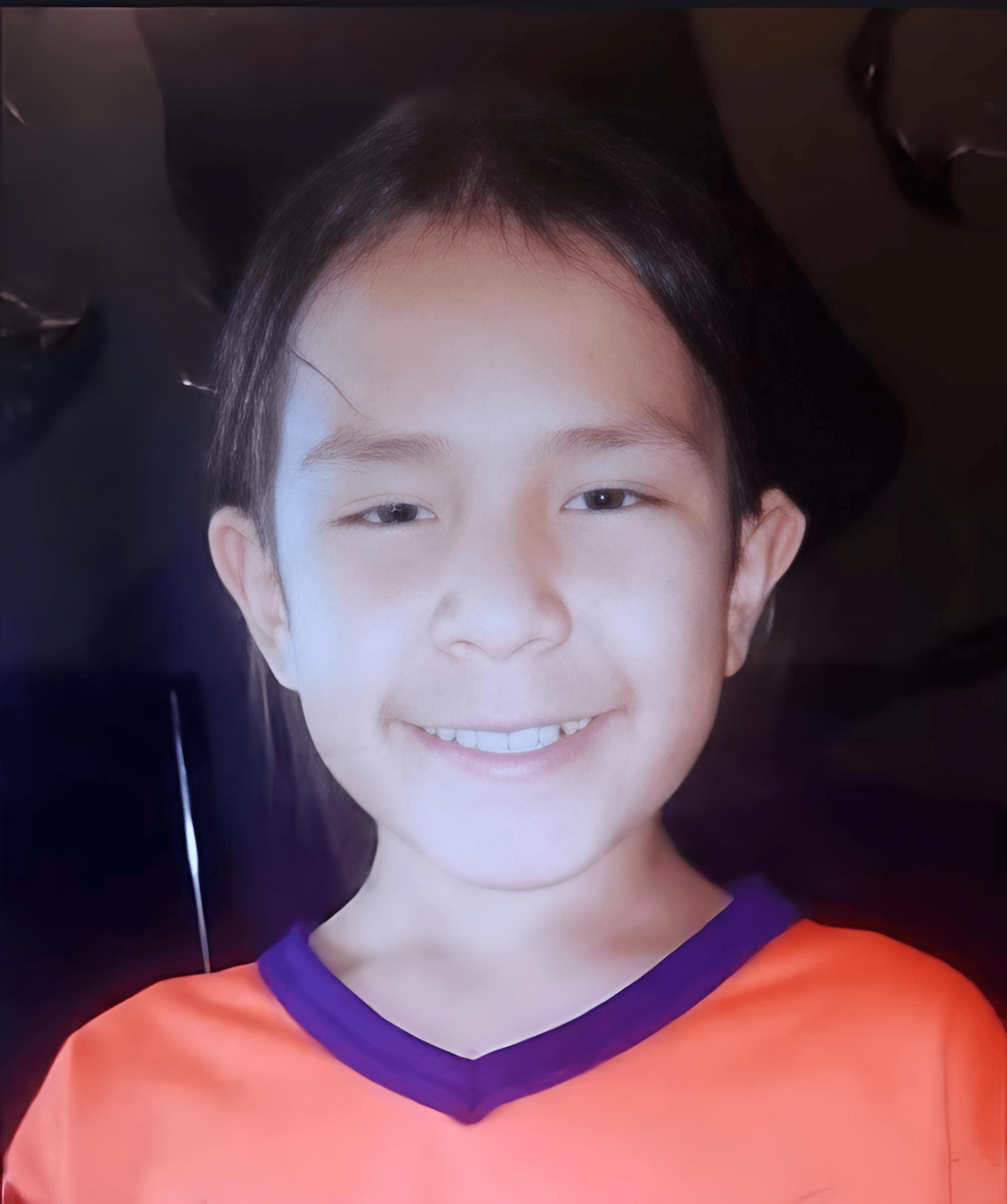
Joel Taken Alive was reported missing Jan. 22
The Sioux Falls Police Department is asking for the public’s help in locating a missing 10-year-old boy who is believed to be endangered due to the extreme temperatures and his age. Joel Taken Alive, a Native boy, was last seen in the 700 block of South Regal Place, in Sioux Falls, South Dakota, in the early morning of Jan. 22.
Taken Alive was last seen wearing an orange shirt with red and white shoes. Anyone with information is asked to call the Sioux Falls Police Department at 605-367-7000.
Indigenous films set for 2026 Sundance Film Festival
Several Indigenous films will screen at the 2026 Sundance Film Festival, which runs Jan. 22 to Feb. 1 in Park City and Salt Lake City, Utah, according to reporting by ICT. The festival will also offer a virtual program from Jan. 29 to Feb. 1. Indigenous stories featured this year include works centered on repatriation, land and cultural survival.
Among the selected films is “Aanikoobijigan [ancestor/great-grandparent/great-grandchild]” by Ojibwe directors Adam Khalil and Zack Khalil, which follows Indigenous repatriation specialists working to return ancestors from museums and archives. Another film, “Kikuyu Land,” appears in the World Cinema Documentary Competition and examines land claims and family history in Kenya. Two Indigenous short films, “Mangittatuarjuk (The Gnawer of Rocks)” and “Tuktuit: Caribou,” are also included in the competition. According to ICT, the 2026 festival will honor founder Robert Redford while continuing to showcase Indigenous and independent storytelling.
Breckenridge History hosts Smithsonian exhibit on Native Americans
Breckenridge History is hosting the traveling Smithsonian National Museum of the American Indian exhibit “Americans” through March 15, according to the Summit Daily. The exhibit examines how Native Americans are woven into the history, popular culture and identity of the United States. History Colorado selected Breckenridge History to host the exhibit through the Museum on Main Street program, a partnership that brings exhibitions to rural communities.
According to the Summit Daily, the exhibit previously appeared at the Trinidad History Museum and the Fort Garland Museum and Cultural Center. After its stop in Breckenridge, it will travel to the Overland Trail Museum in Sterling and conclude at the White River Museum in Meeker. As part of the exhibit programming, Ute Mountain Ute tribal elder Mark Wing will give a public presentation on his life, Ute traditions and his perspectives on the exhibit on Jan. 22 at 6 p.m. at the Welcome Center Museum.
Tribal-owned hotels in St. Paul temporarily close over safety concerns
Two downtown St. Paul hotels owned by the Mille Lacs Band of Ojibwe temporarily closed Sunday, citing safety and security concerns, according to MPR News. The DoubleTree St. Paul Downtown and the InterContinental St. Paul Riverfront suspended operations after the Mille Lacs Corporate Ventures Board of Directors voted to “temporarily suspend” hotel operations. Guests received letters Sunday morning notifying them their reservations were canceled.
According to MPR News, the two properties account for more than 600 rooms. St. Paul Mayor Kaohly Her said her office has been in contact with Mille Lacs Corporate Ventures to determine what support the city can provide and said the city supports steps taken to protect hotel workers during the closure. The decision follows public questions raised by some tribal members about whether federal law enforcement agents, including Immigration and Customs Enforcement agents, had stayed at the hotels.
Tribal IDs remain accepted at airport security under new TSA program
Photo identification issued by federally recognized tribal nations will continue to be accepted at airport security checkpoints without additional fees, according to the Neshoba Democrat. The Transportation Security Administration is launching a new identity verification program, ConfirmID, on Feb. 1, which allows passengers without standard identification to pay a $45 fee to verify their identity and board flights.
The new program will not affect travelers who present tribal identification. In a Jan. 7 letter to tribal leaders, Ha Nguyen McNeill, senior official performing the duties of TSA administrator, said both standard and Enhanced Tribal Cards remain valid forms of identification at TSA checkpoints.
Police urged to address California MMIP crisis through training and coordination
Native and Indigenous organizers are urging California law enforcement agencies to better address the crisis of missing and murdered Indigenous people by using available tools and building trust with Native communities, according to Bay City News. The call follows a Native- and Indigenous-led training conference held in Monterey in November that focused on coordination, trauma-informed practices and awareness of existing resources.
According to Bay City News, speakers and organizers said law enforcement participation was limited despite statewide need. Tara Grey of the Bakersfield American Indian Health Project and members of the Supporting Indigenous Communities Group highlighted tools such as the Feather Alert system and state and federal databases to improve responses to missing persons cases. Sand City Mayor Mary Ann Carbone, who helped organize the conference, said the effort aimed to connect law enforcement and communities while addressing gaps in awareness and coordination. Organizers said they plan to continue similar trainings to expand engagement and improve outcomes for Indigenous people impacted by violence.
Maine nears approval of tribal online gaming and casino play
Maine is nearing approval of legislation that would allow tribal online gaming and casino play, according to CU Independent. The proposal would authorize tribes to operate online gaming platforms and expand casino-style gaming, representing a change in the state’s gaming framework as the measure advances toward final approval.
According to CU Independent, the legislation is intended to create additional economic opportunities for tribal communities while expanding gaming options available to residents. The report said the move reflects growing use of online platforms within the gaming industry. Regulatory considerations, including compliance with state and federal law, remain part of the process as the legislation moves forward.
Gallup highlights Route 66 installations to support downtown economy
Gallup is promoting Route 66 installations and cultural sites in New Mexico to attract visitors and direct spending to downtown businesses and artisans, according to Prism News. McKinley County has emphasized heritage assets along the Route 66 corridor, including a Route 66 Monument unveiled at the George Galanis Multicultural Center, Prism News reported.
The corridor includes established destinations such as the El Rancho Hotel, along with museums, trading posts and cultural centers that feature Navajo and Zuni arts and community exhibitions. These sites serve as both cultural attractions and points of sale for local crafts, helping circulate visitor dollars to merchants and artisans, according to Prism News.