






Tribal leaders call for urgent action on public safety crisis
Oglala Sioux Tribe president: ‘We need results’

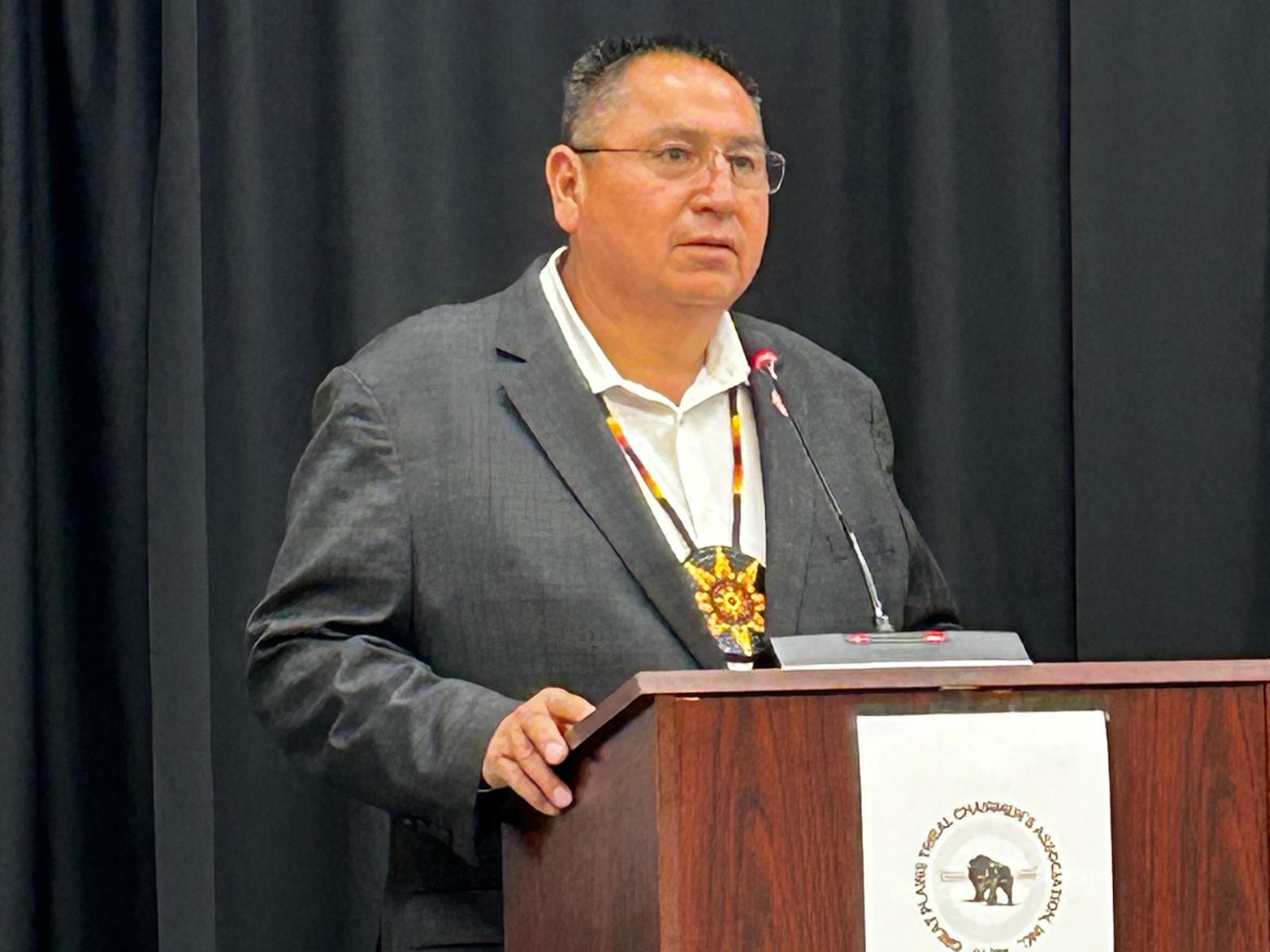
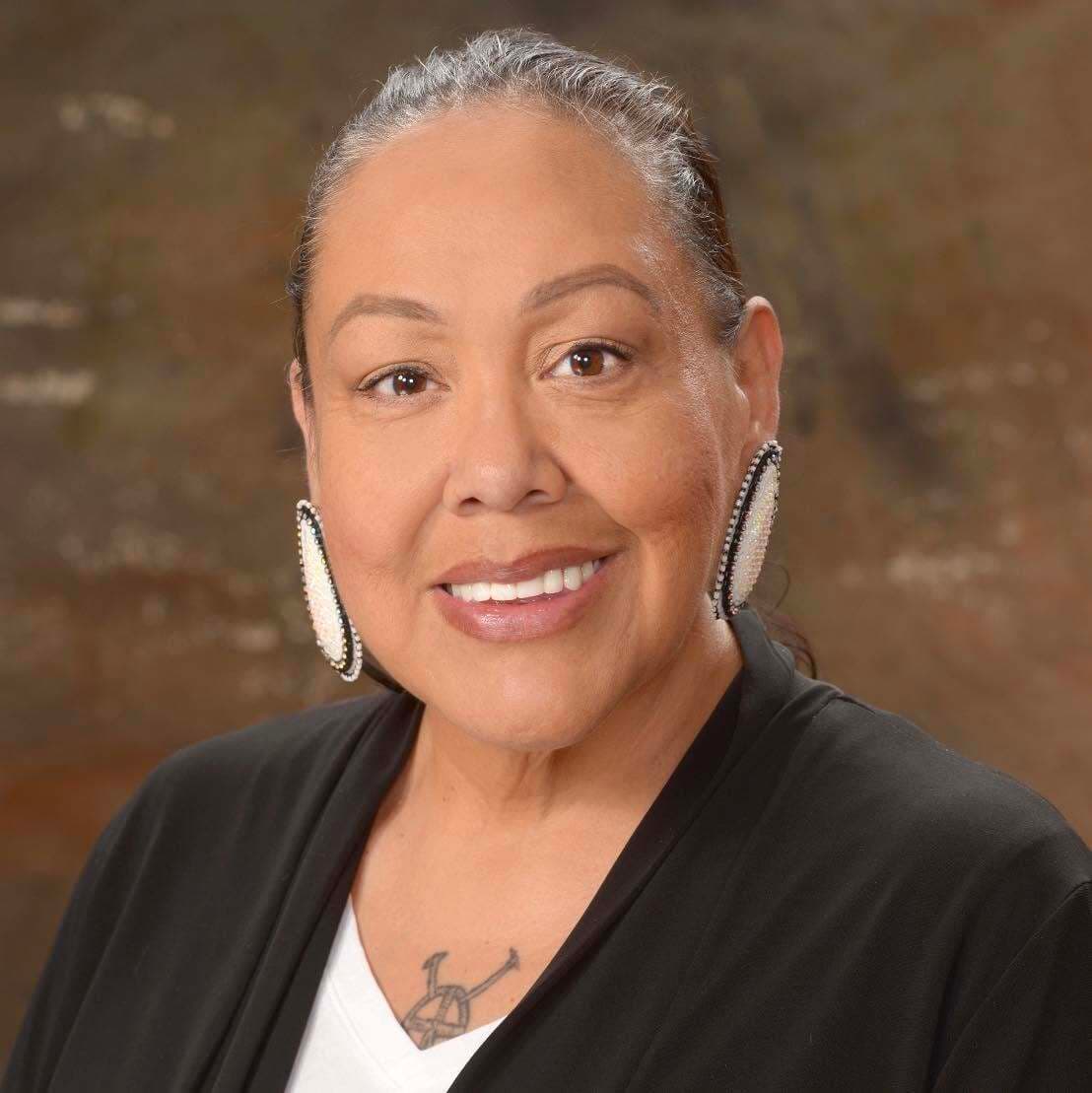
Tribal leaders from across the Northern Plains joined families of crime victims at a press conference Wednesday in a united call for increased law enforcement resources and public safety funding. They also highlighted the need for greater accountability from federal and state governments in addressing violent crime, missing persons cases and unsolved deaths in tribal communities.
Organized by the Great Plains Tribal Chairman’s Association and hosted by the Oglala Sioux Tribe President Frank Star Comes Out, the press conference brought together leaders from several tribal nations and family members who shared emotional accounts of loved ones whose cases remain unresolved.
“We have to take action now,” Star Comes Out said during the opening remarks. He cited ongoing concerns related to alcohol and drug abuse, violence, missing and murdered Indigenous women and unsolved criminal cases throughout reservation communities.
The OST president said multiple states of emergency have been declared on the Pine Ridge Reservation during two tribal administrations, but little meaningful action has followed.
“We need results,” he said, adding that federal and state partners must work with tribal governments to develop solutions to address high crime rates and public safety challenges.
Star Comes Out emphasized what he described as a severe shortage of law enforcement officers throughout the Pine Ridge Reservation. He noted that despite serving a population of approximately 54,000 people, the tribe has only 57 officers. That’s a little more than one officer for every 1,000 people. The Bureau of Indian Affairs uses a target benchmark formula of 2.8 officers per 1,000 residents for funding and staffing models.
He argued that federal funding levels do not adequately support large land-based tribes and said treaty obligations owed to tribal nations remain largely unmet.
“The federal government is aware of this, but the failure of treaty obligations is not being addressed,” he said.
He also called on South Dakota officials to work more collaboratively with tribal governments, referencing previous calls by Gov. Larry Rhoden to reset relationships between the state and tribal nations. Star Comes Out reminded the gathering that tribal nations are equal to states in regard to their relationship with the federal government.
“It doesn’t just hurt our reservations but surrounding communities,” he said. “We could become a strong state if the state would work with the many tribal nations located within the state.”
Tribal leaders attending remotely echo concerns
Several tribal leaders joined the event remotely and expressed similar concerns about public safety and chronic underfunding.
Yankton Sioux Tribe Chairwoman Chelaine Knudsen said tribal governments continue to struggle with recruiting and retaining law enforcement officers because they cannot compete with higher wages and benefits offered elsewhere.
“The safety of our people should never be political,” Knudsen said.
Representatives from the Cheyenne River Sioux Tribe, Spirit Lake Nation and Crow Creek Sioux Tribe also spoke about public safety shortcomings. Spirit Lake Nation Chairwoman Lonna Jackson-Street said delayed responses from law enforcement have led some residents to stop reporting crimes altogether.
“Citizens are having to become the first responders,” she said.
Crow Creek Sioux Tribe Chairman Peter Lengkeek said tribal nations have been voicing the same concerns for years. “I hope someone who is able to do something is listening,” he said, adding, “Our people need justice. Our people want to heal, but we can’t do that without justice.”
Concerns over law enforcement response times
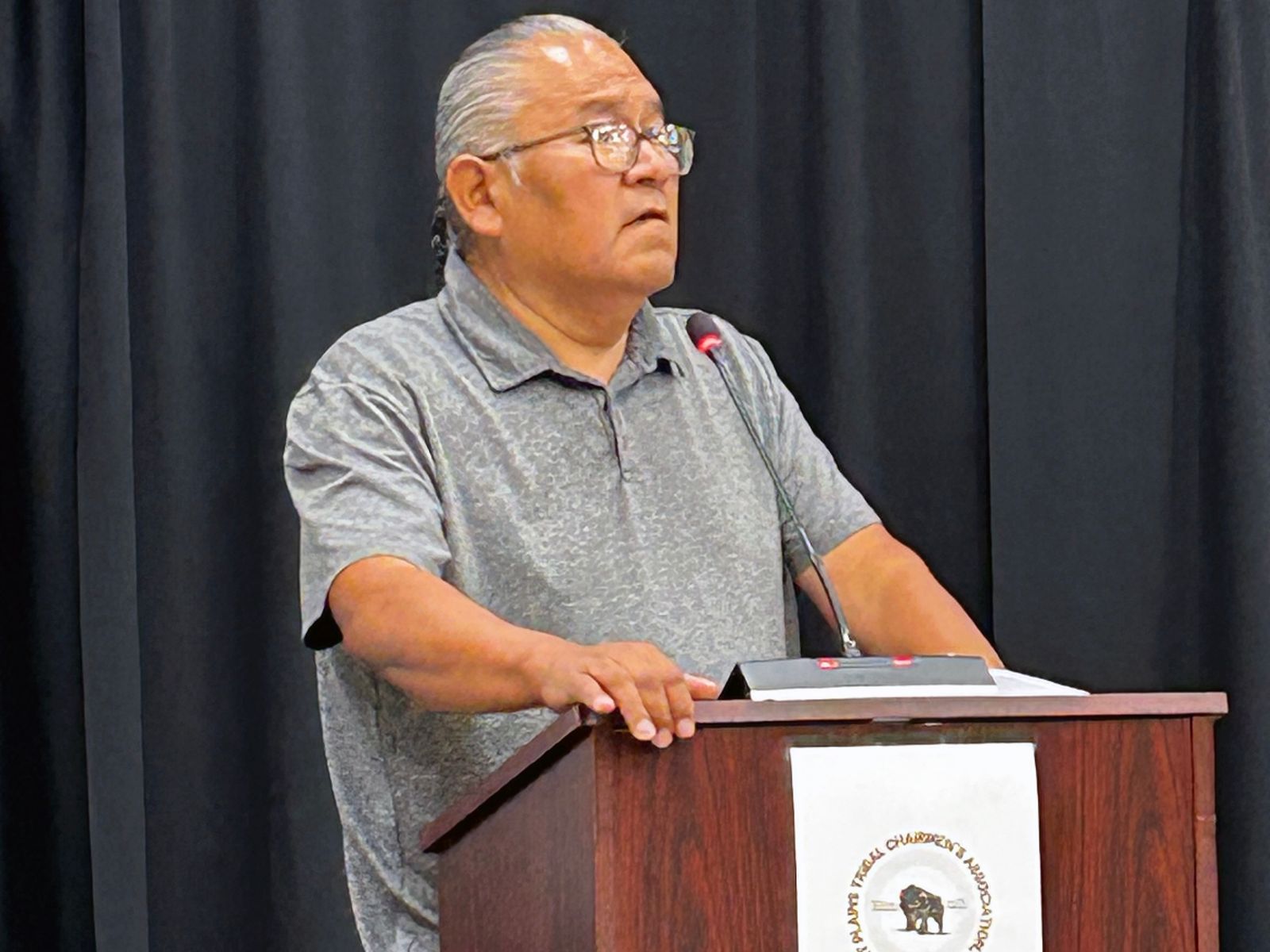
Norman Standing Soldier, OST council representative from the LaCreek District, highlighted concerns regarding emergency response times, citing a recent incident involving gunfire at the East Wind Casino parking lot in Martin, South Dakota. According to Standing Soldier, the law enforcement response to a 911 call took approximately 30 minutes. Such stories were repeated throughout the event as speakers described lengthy response times, understaffing and insufficient investigative resources.
Families demand answers in unsolved cases
Some of the most powerful moments of the press conference came from family members who shared personal stories of loss, frustration and ongoing search for justice.
Lisa Carlow spoke about the murder of her father on the Pine Ridge Reservation, a case that remains unsolved. She described a family left in the dark throughout much of the investigation and said fear within the community has prevented witnesses from coming forward.
“People where the crime happened are scared to speak because there are not enough law enforcement officers to protect them from retaliation,” Carlow said.
She recalled learning that investigators determined her father's death was a criminal case nearly two weeks after his murder, despite agents reportedly reaching that conclusion days earlier.
“Rumors were going around everywhere,” she said. “Our family was hearing things, but we weren't being told anything.”
Fighting back emotion, Carlow described the lasting impact of her father's death.
“It's hard to get out of bed. My world shattered that day,” she said. “I know law enforcement is overwhelmed, but this is my dad. His case is my priority.”
Hilda Kills Small shared the heartbreaking stories of losing two daughters under tragic circumstances. Her 19-year-old daughter, Geri Jane Plenty Arrows, died during a police pursuit after being ejected from a pickup truck.
“I had to go identify my daughter,” she said. “From three in the morning until two in the afternoon she laid out in that field.”
Kills Small also spoke about the death of her adopted daughter, Ona Two Eagles, whose body was found in June after apparently being struck by a vehicle.
“Federal agents came and told us they were investigating,” she said. “They left business cards, but when we called, there were no answers and no updates.”
The uncertainty surrounding the case has left her family living in fear.
“It's frustrating because we don't know if there are killers out there in our communities,” Kills Small said. “Whoever did this to my daughter Ona is still out there. They could come to our house. I'm not afraid for myself, but I am afraid for my family.”
She expressed additional frustration after a suspect was released from custody, and her daughter's gravesite was later vandalized.
“Her flowers were thrown everywhere,” Kill Small said. “It felt like we were being hurt all over again.”
Emmanuel Bull Black Bear, speaking on behalf of the Black Bear and Mesteth families, reflected on the murder of his nephew, Alton Mesteth, a veteran, father and respected community member who was killed when someone opened fire on his trailer while his children were present.
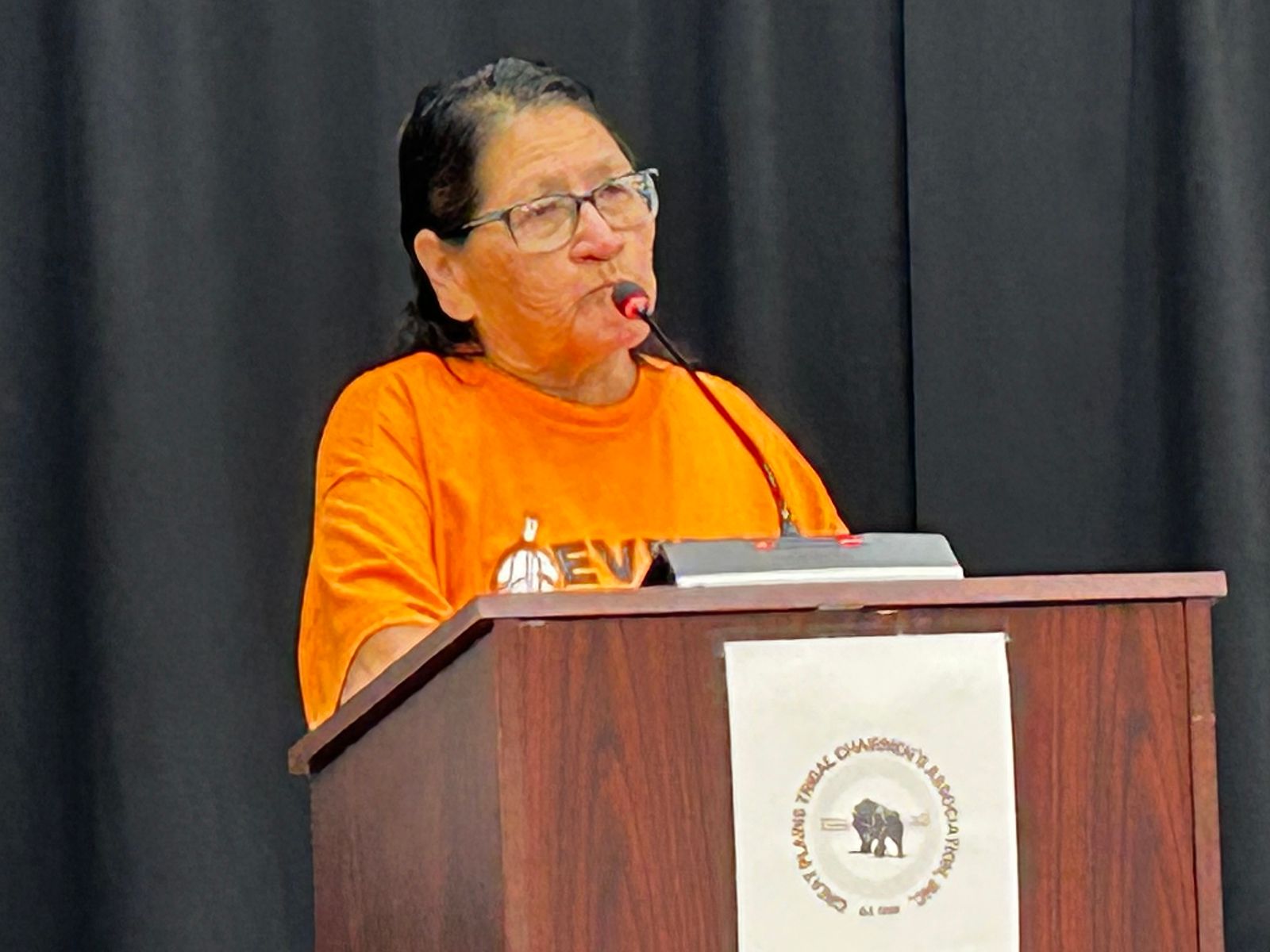
Fighting through emotions, Black Bear voiced support for local officers while acknowledging the difficult circumstances they face.
“The officers at home are doing the work to protect our people,” he said. “I support them.”
At the same time, he challenged both leaders and community members to come together to address violence.
“It is not all the fault of law enforcement. We have a part in this too,” he said. “We have to stand up and say we don't want to live like this anymore.”
Black Bear said true healing cannot happen without justice: “Our people want to heal, but we can't do that without the other part of it. Our children deserve to live without fear, and our elders deserve to rest comfortably.”
Janie Ducheneaux of the Cheyenne River Sioux Tribe detailed a series of tragedies that she believes never received adequate investigation.
She said her ex-husband, Ty Ducheneaux, was found dead under suspicious circumstances in November 2022 after lying undiscovered for several days. Despite what she described as suspicious circumstances, including disabled security cameras and stolen property, no meaningful investigation followed.
Her family's losses deepened when her son, Dylan, was later killed.
“No justice to this day,” Ducheneaux said.
She said that individuals entered her son's home after his death and removed property, yet no one has been held accountable.
“We continue to receive death threats, and still there has been no action,” she said.
The testimonies underscored a common message throughout the press conference: Behind every statistic, funding request and public safety report are families still waiting for answers.
Call for action
Robin LeBeau, an investigator with the Cheyenne River Sioux Tribe, called on federal agencies to improve information sharing and develop databases that would help solve crimes occurring on reservations.
“This doesn’t just affect the tribes,” LeBeau said. “It affects the counties many of the reservations reside in.”
The press conference concluded shortly before 1 p.m., with Star Comes Out reiterating his call for federal and state leaders, including South Dakota’s congressional delegation, to work directly with tribal nations on long-term public safety solutions.
Throughout the event, speakers emphasized a common message: Tribal communities are facing a public safety crisis that requires immediate attention, meaningful resources and cooperation among tribal, state and federal governments.
Sharing Is Caring
This article is not included in our Story Share & Care selection.
The content may only be reproduced with permission from the Indigenous Media Freedom Alliance. Please see our content sharing guidelines.
© Buffalo's Fire. All rights reserved.
We provide independent Native-focused reporting that gives our communities the context and the facts they need to make informed decisions.
Respect The Fire
At Buffalo's Fire, we value constructive dialogue that builds an informed Indian Country. To keep this space healthy, moderators will remove:
- Personal attacks, harassment, or hate speech
- Spam, misinformation, or unsolicited promotion
- Off-topic rants and excessive shouting (All Caps)
Let’s keep the fire burning with respect.