






First-of-its-kind study shows Native elders living in urban centers face untreated health issues
In the first of this two-part series, Vincent Moniz talks with one of the authors of the survey about the data and the elders in need.


In December of 2023, the University of North Dakota released the findings from a first-ever study on the health of urban Indigenous elders.
This national survey, conducted by UND’s National Resource Center on Native American Aging, shows what many in Indian Country already know.
The Native Urban Elder Needs Assessment Survey shows that these elders face food scarcity and poor health, while many are taking care of the future, their grandchildren.
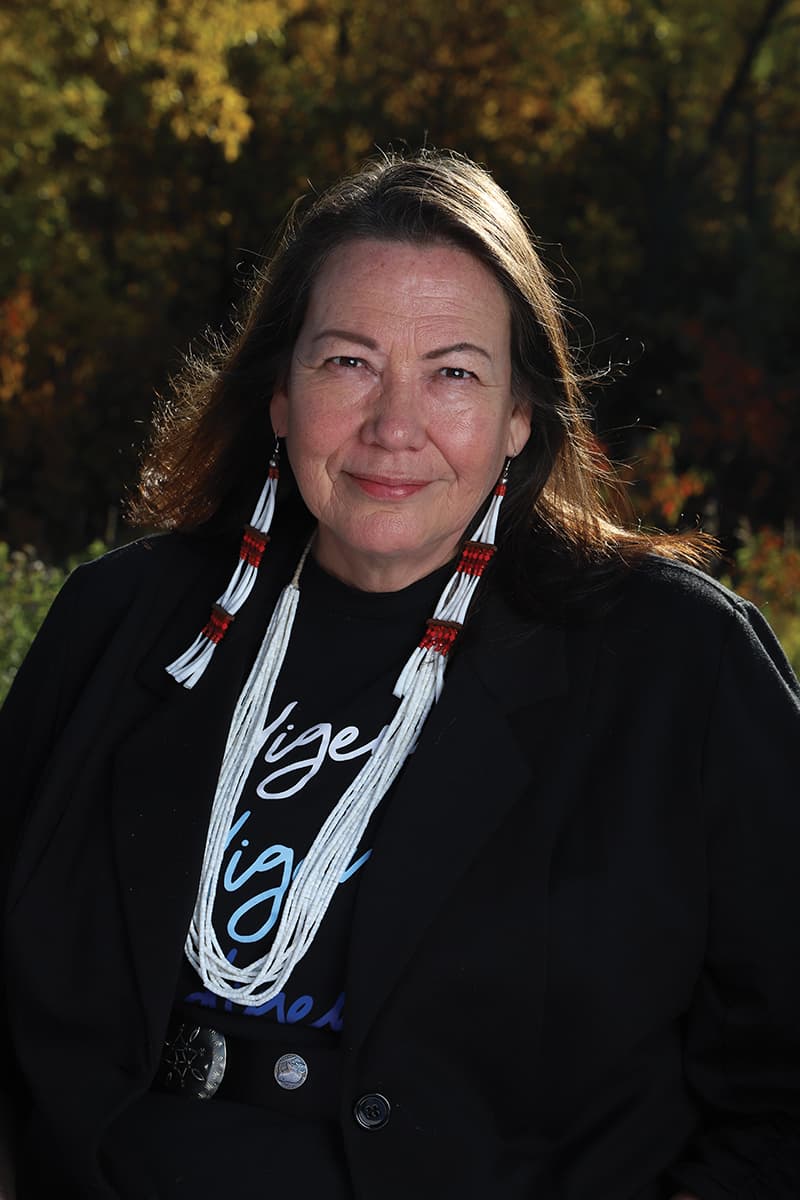
Turtle Mountain Band of Chippewa citizen Collette Adamsen, who is the Director of the resource center, breaks down some of the information collected.
About 60% of urban Native elders fall into the category of moderate to high nutritional risk. “The food insecurity questions, there were higher numbers. By a very large margin. Food, dental care, close to half of, half of the urban Native elders. We’re not able to get the dental care that they needed and two of the top reasons were due to the cost and insurance.”
According to the 2020 Census, 87 percent of those who self-identify as American Indian or Alaska Native, live outside of tribal territories.
Of the survey participants aged 55 and older, 38 percent say they are in fair to poor health.
And with the U-S census count at 3.7 million, potentially 300,00 urban Native elders are shouldering the impacts of this health crisis.
Adamsen, who is also one of the authors of the survey, says the national study shows that resources continue to be an issue.
“One thing that stuck to me overall with this study is, I mean it is a it is a difference between the number that participated with the urban project and the tribal Title 6 program survey. You know working with the times all these years. We’re under-resourced, we are under-resourced for our tribal elders, but looking at the urban Native elders, they’re even more under-resourced. So that says a lot and that tells me that this is important and we need to find a way to get those services and supporters. So they’re not losing out and that they know that we haven’t forgotten about them.”
Overall the survey may help Indigenous elders in the future, but what about right now?
We’ll take a look at the current health resources available and the people helping their communities.
In Bismarck, North Dakota, Vincent Moniz, Buffalo’s Fire.
Sharing Is Caring
This article is not included in our Story Share & Care selection.
The content may only be reproduced with permission from the Indigenous Media Freedom Alliance. Please see our content sharing guidelines.
© Buffalo's Fire. All rights reserved.
We provide independent Native-focused reporting that gives our communities the context and the facts they need to make informed decisions.
Respect The Fire
At Buffalo's Fire, we value constructive dialogue that builds an informed Indian Country. To keep this space healthy, moderators will remove:
- Personal attacks, harassment, or hate speech
- Spam, misinformation, or unsolicited promotion
- Off-topic rants and excessive shouting (All Caps)
Let’s keep the fire burning with respect.