


White House approves disaster relief for tribal communities hit by New Mexico floods
President Trump directs federal aid funding for Navajo Nation, Pueblo and Apache communities

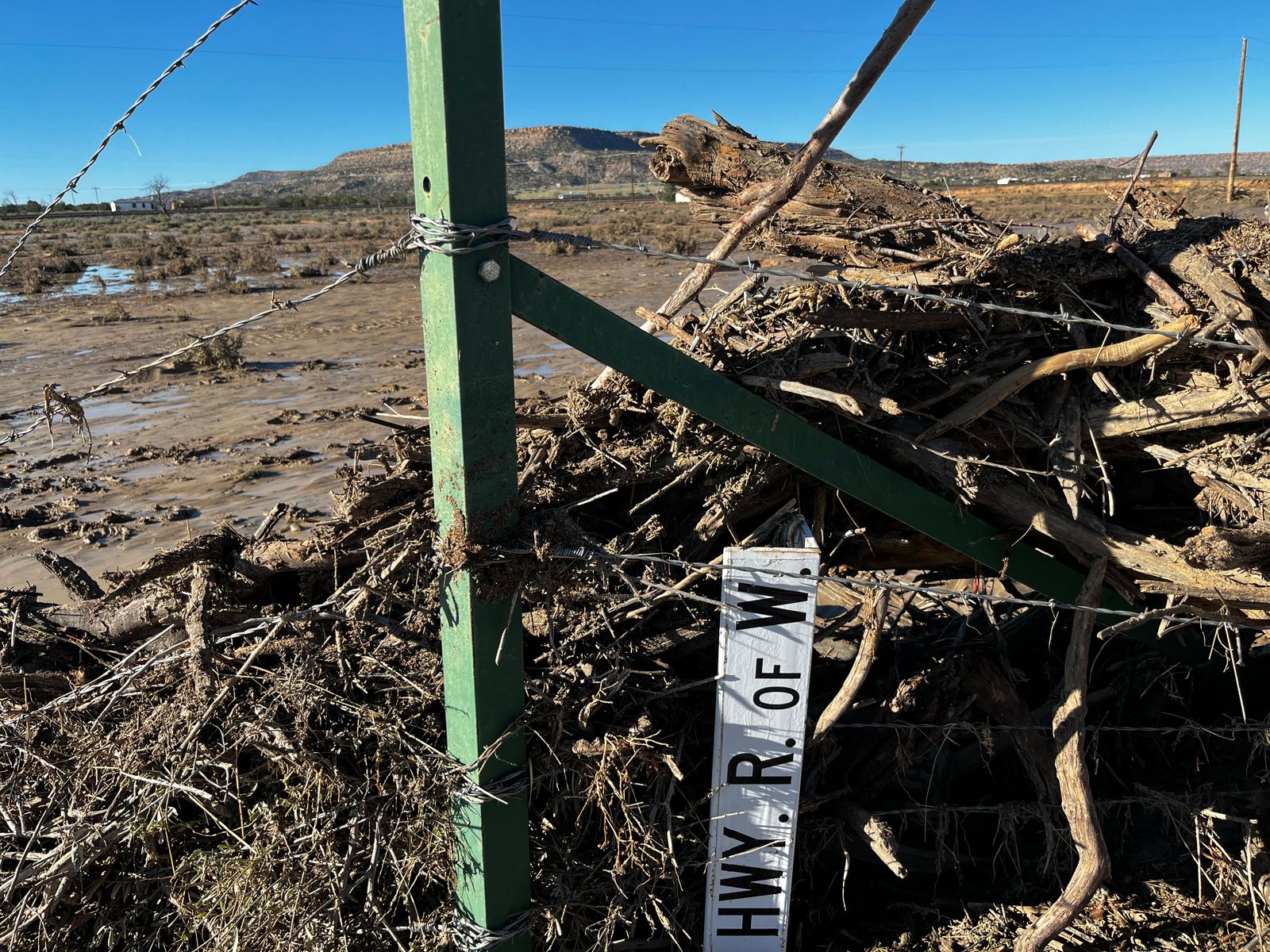
Flooding caused by severe rain across the northwest part of New Mexico has destroyed roads and damaged homes in Pueblo, Navajo Nation and Apache communities.
On Monday, the White House approved a disaster request from New Mexico to cover some costs related to recovery and aid for tribal communities and nearby counties impacted by the floods.
The New Mexico congressional delegation wrote to President Donald Trump that Public Assistance Category A and B funding is needed for search and rescue operations, high-water vehicles, air support, vacuum trucks and other heavy machinery to assist with debris removal.
This followed tribal emergency orders issued over the weekend by the Navajo Nation, Jicarilla Apache Tribe, and Pueblos of Acoma, San Ildefonso, Zia and Laguna. The state of New Mexico requested Public Assistance Category A and B funding and Direct Federal Assistance. The state is also looking for aid to help non-tribal communities in San Juan, Rio Arriba, Cibola and Sandoval counties.
Federal emergency management officials are meeting Tuesday with local and tribal emergency management teams to determine exactly what aid the federal government will reimburse. New Mexico Governor Michelle Lujan Grisham said the state will seek reimbursement for costs spent to help with the flooding response. It remains unclear if tribes will be able to reimburse from the federal aid.
In October, President Trump approved emergency funding to help with flooding damage in Zuni Pueblo.
References
- 1.
- 2.
- 3.
Sharing Is Caring
This article is not included in our Story Share & Care selection.
The content may only be reproduced with permission from the Indigenous Media Freedom Alliance. Please see our content sharing guidelines.
© Buffalo's Fire. All rights reserved.
We provide independent Native-focused reporting that gives our communities the context and the facts they need to make informed decisions.
Respect The Fire
At Buffalo's Fire, we value constructive dialogue that builds an informed Indian Country. To keep this space healthy, moderators will remove:
- Personal attacks, harassment, or hate speech
- Spam, misinformation, or unsolicited promotion
- Off-topic rants and excessive shouting (All Caps)
Let’s keep the fire burning with respect.