






Mystic Lake Declaration: Native climate change recommendations to UN

PRYOR LAKE, Minn. -- More than 200 people are gathered here at the Mystic Lake Casino today to participate in the drafting process of the Mystic Lake Declaration. Organizers of the Native Peoples Native Homelands Climate Change Workshop II plan to draft the declaration by Friday night. Everyone here is submittng ideas on how to incorporate the indigenous perspective into the upcoming UN Climate Change Conference in Copenhagen, Denmark.
Meanwhile, there are many other discussions and panel presentations taking place from now to Saturday. Alan Parker, Northwest Indian Applied Research Institute, just finished speaking about climate change and the Pacific Rim Indigenous Nations Project. "The ocean, as vast as it is, is shrinking," said Parker. "It's changing it's chemical makeup. It's becoming acidic. We need to understand why that's happening and start making shifts."
Terry Williams, commissioner of the Fish & Wildlife for the Tulalip Tribes, is speaking now about how warming weather patterns have caused beaver to show up in Alaska where they have never been seen before. Some people there don't know what to call the beaver because they've never seen them before. Kandi Mossett of the Indigenous Environmental Network will be providing the next update about how tribal colleges can address climate change issues. Next, Dan Wildcat, director of the Haskell Nations Environmental Research Studies Center, will provide today's keynote speech. (Tomorrow it will be Winona LaDuke). At lunch today, Henrietta Mann, president of the Cheyenne & Arapaho College, will offer a blessing and her thoughts on climate change.
More later.
Jodi Rave
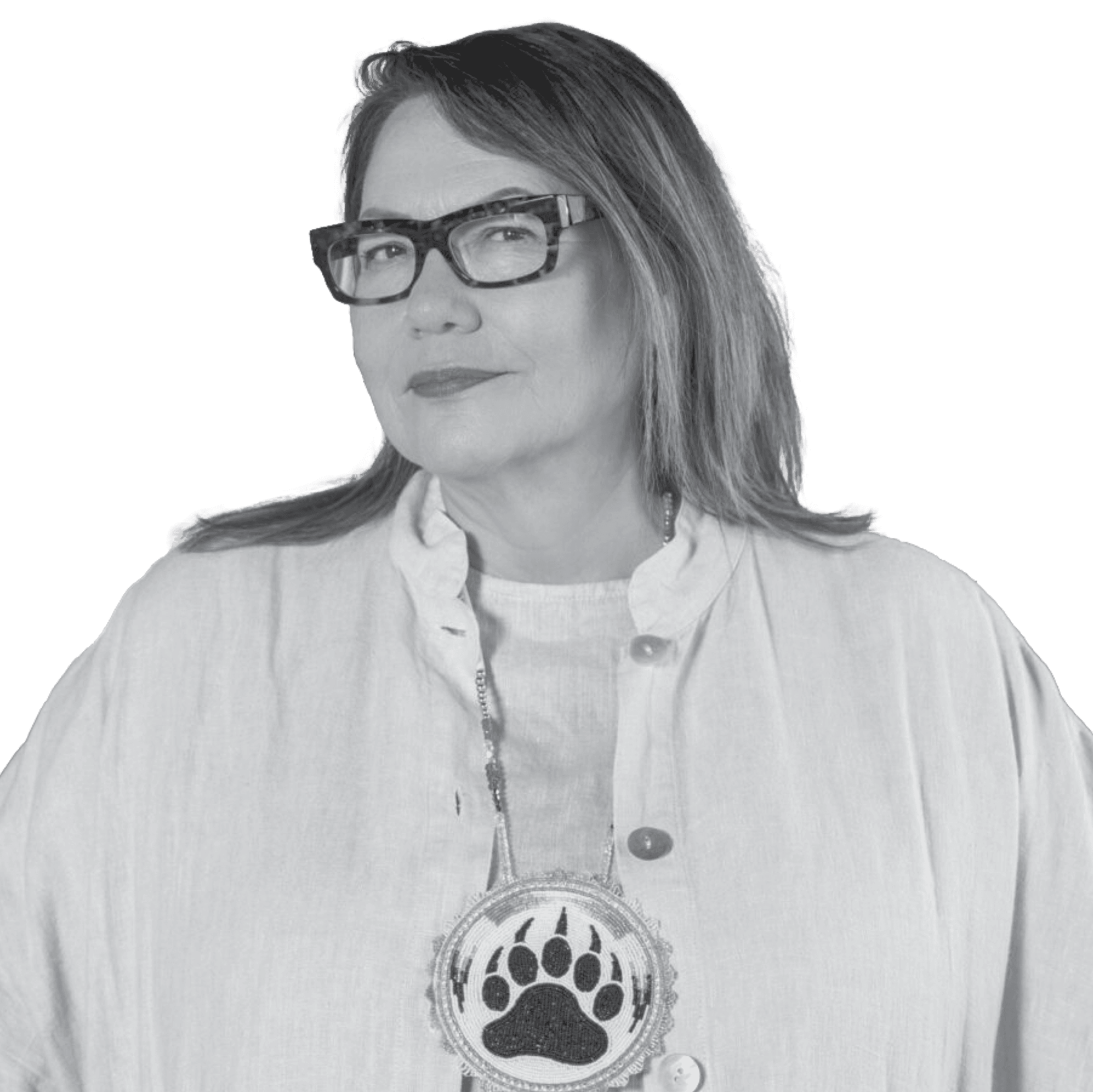
Jodi Rave Spotted Bear
(Mandan, Hidatsa and Arikara Nation)Founder & Editor in Chief
Spoken Languages: English
Topic Expertise: Federal trust relationship with American Indians; Indigenous issues ranging from spirituality and environment to education and land rights
Sharing Is Caring
This article is not included in our Story Share & Care selection.
The content may only be reproduced with permission from the Indigenous Media Freedom Alliance. Please see our content sharing guidelines.
© Buffalo's Fire. All rights reserved.
Help us keep the fire burning, make a donation to Buffalo’s Fire
For everyone who cares about transparency in Native affairs: We exist to illuminate tribal government. Our work bridges the gap left by tribal-controlled media and non-Native, extractive journalism, providing the insights necessary for truly informed decision-making and a better quality of life. Because the consequences of restricted press freedom affect our communities every day, our trauma-informed reporting is rooted in a deep, firsthand expertise.
Every gift helps keep the fire burning. A monthly contribution makes the biggest impact. Cancel anytime.
Respect The Fire
At Buffalo's Fire, we value constructive dialogue that builds an informed Indian Country. To keep this space healthy, moderators will remove:
- Personal attacks, harassment, or hate speech
- Spam, misinformation, or unsolicited promotion
- Off-topic rants and excessive shouting (All Caps)
Let’s keep the fire burning with respect.