






30 years after ‘Northern Exposure,’ Elaine Miles adopts a new role: community advocate
Through self-determination and support, Native actress rebounds from ICE confrontation

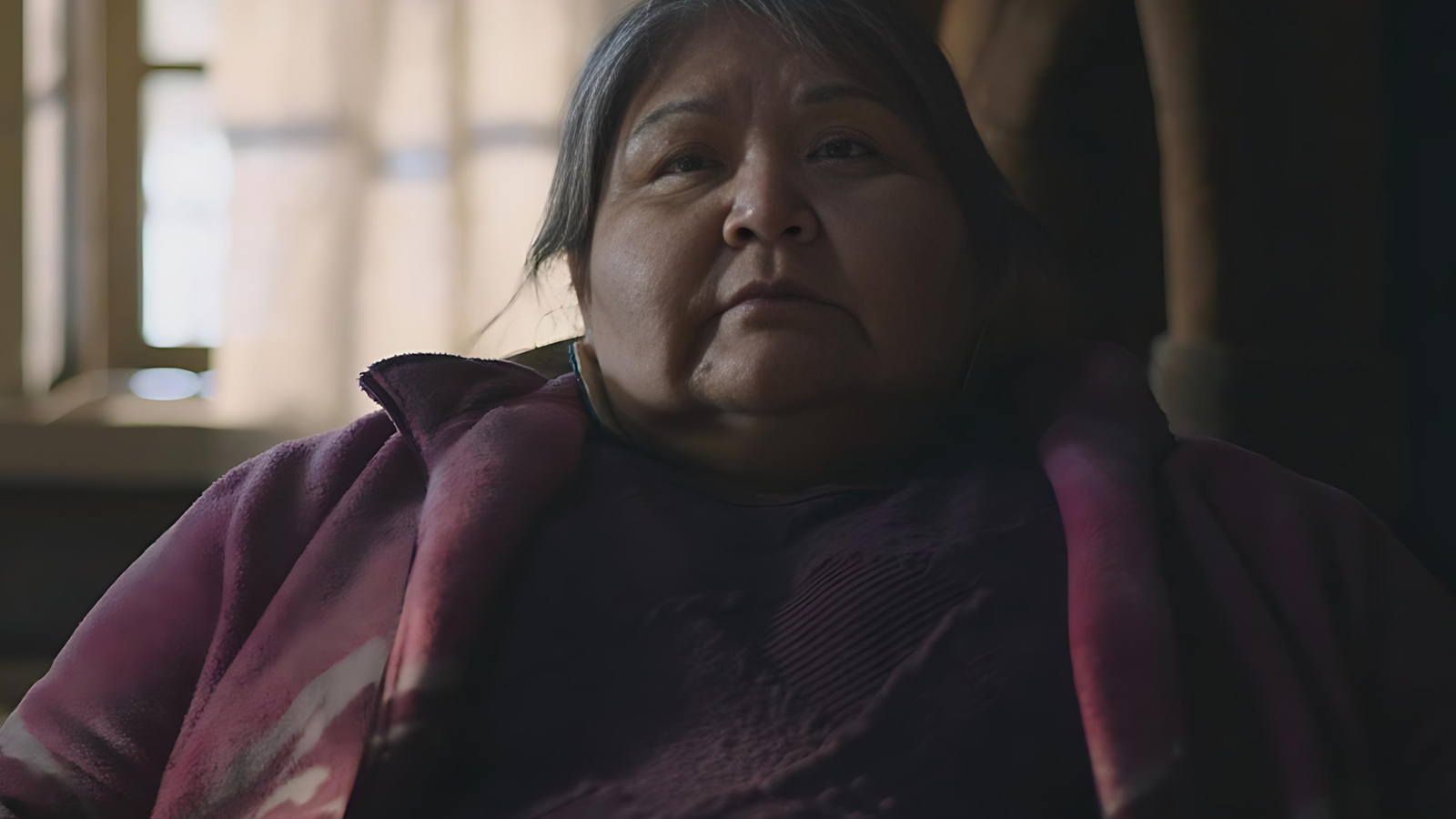

Thanksgiving Day found Elaine Miles in the dumps, by herself. Her phone rang.
“My Crow sister, she called me,” recalled Miles. “She goes, ‘What are you doing for Thanksgiving?’ I go, ‘Nothing. I’ll probably just go back to sleep, I’m tired.’ And she goes, ‘No, put your clothes on. I’m outside.’”
When Miles peeked through the curtain, she saw her friend parking outside her home. Shortly afterward, she was seated at the dinner table with her friend and their family, with the standard fixings of turkey, stuffing and potatoes.
It’d been nearly four weeks since several men in camo fatigues and tactical gear had confronted Miles, claiming to be ICE agents. She was at a Redmond, Washington, bus stop on Nov. 3 planning to do a Target run when the first man appeared, asking if she was Mexican. After calling her tribal ID “fake” and refusing to present a warrant, they tried taking her phone. Miles stood her ground.
“They kept saying, ‘We don’t need a warrant,’ and I go, ‘Yes you do. You have to have probable cause.’”
Miles said the men exchanged “deer in the headlight” looks. She said none had names or badge numbers on their uniforms, making her doubt they were with ICE.
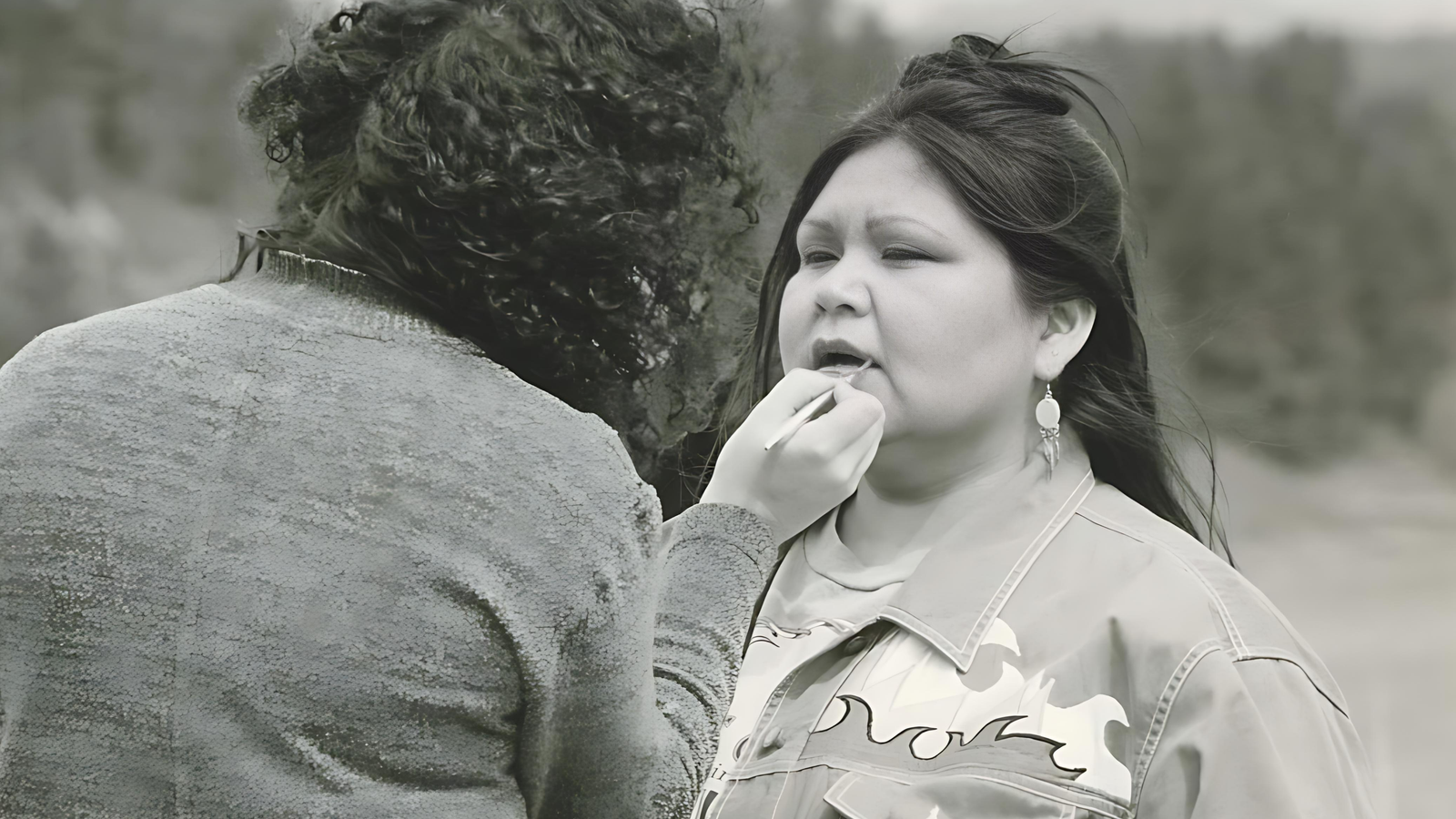
“If you’re federal, you will know I come from a federally recognized tribe,” she recalled telling the men. “We have tribal rights, and the U.S. government abides by those rights.”
Miles said another man in an unmarked SUV called the rest over, and they dispersed. But even with them gone, she felt uneasy.
Over the next few weeks as ICE continued operations across the Seattle area, Miles retreated into her home. She ordered in meals and groceries. Members of her circle noticed she wasn’t out and about as usual, including the friend who coaxed her out of the house on Thanksgiving.
Miles is still recovering from the encounter with ICE. Adding to her distress is the blowback she’s received for sharing her story. Over the Thanksgiving holiday weekend, The Seattle Times, Newsweek, The Guardian and Salon reported on Miles’s encounter, which she had posted on Facebook. And while there has been an outcry and demonstrations of support for her, there’s also been toxic trolling from racists and people who support ICE.
“It’s hard,” said Miles. “I’ve been brought to tears because I can’t believe these people, what they write.”
Some online users have accused Miles of being a Pretendian, someone who falsely claims Native heritage for personal gain. (Miles is an enrolled citizen of the Confederated Tribes of the Umatilla Indian Reservation and is part Cayuse and part Nez Perce.) Others claimed she is Chinese or Mexican, or that she herself is a racist.
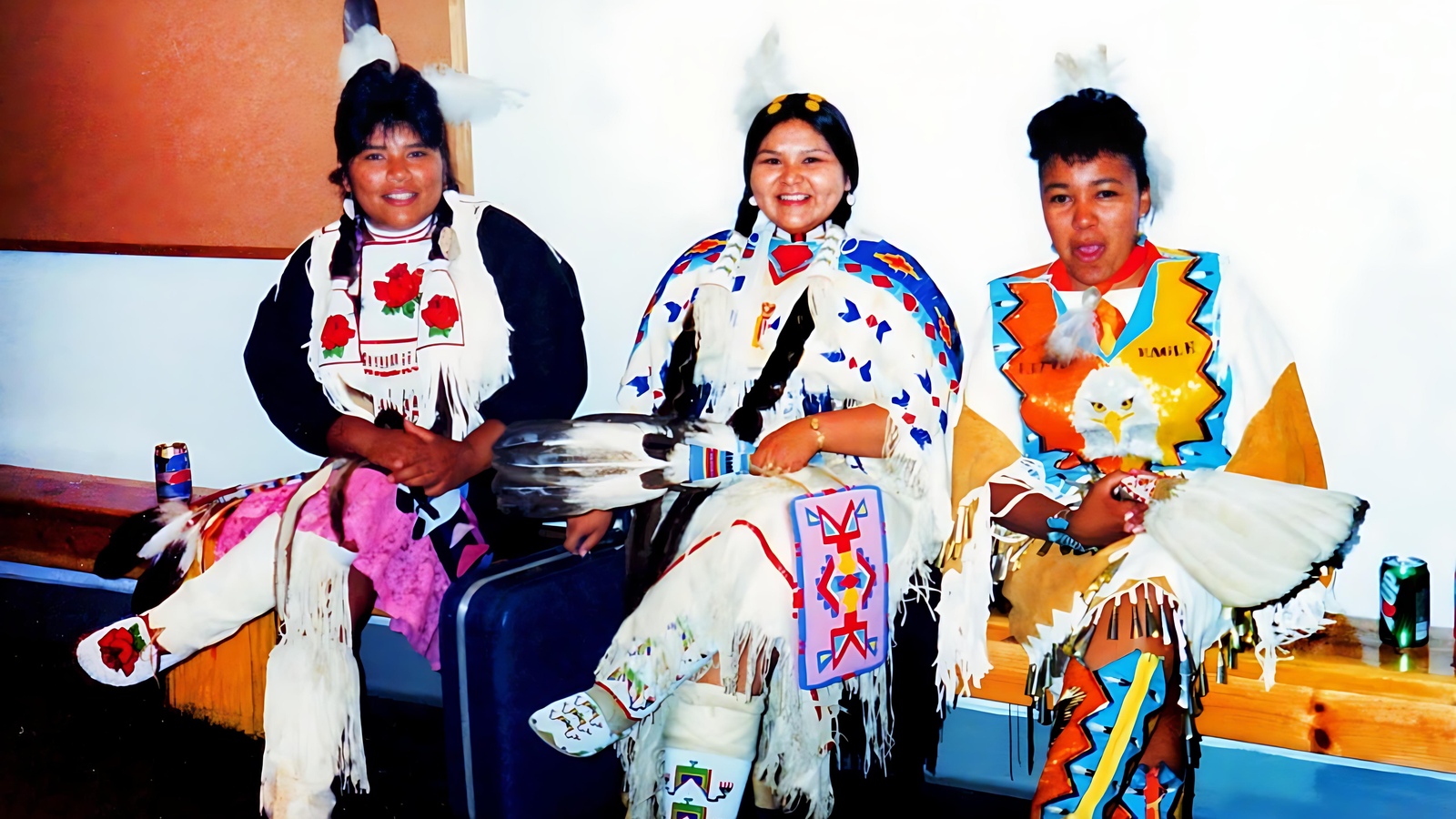
“I like this one,” said Miles, scrolling through some of the hate messages: “Miss Piggy, go back to the reservation where you belong.”
Relatives have spent the past week checking on Miles. She told Buffalo’s Fire that she also has an adopted, extended family of Mexicans who have known her and her relatives for a long time. She said one of them recently visited her and offered words of encouragement, saying her parents raised her right and she was standing up not just for Natives but for the Mexican community as well.
“We’re the ones living in fear that you have always lived in,” she recalled them saying. Another friend told her, “All this negative shit is bringing you down. You’re locking yourself in your little dungeon.”
Miles’s instinct to retreat from public spaces in the wake of her encounter with ICE is a departure from the spotlight she’s appreciated since becoming a household name in 1990, when she was cast as Marilyn Whirlwind in the CBS series, “Northern Exposure.” Before becoming an actor, she worked odd jobs as a painter for a construction company and considered being a paralegal. Her plans changed after accompanying her mom to auditions (where their bickering in the waiting room attracted the attention of producers and compelled them to have her read for the part her mom was trying out for).
After “Northern Exposure” ended in 1995, Miles landed other roles, including 1998’s “Smoke Signals.” More recently she has appeared in the apocalyptic zombie thriller “The Last of Us,” opposite her friend, mentor and recurring co-star Graham Greene. The pair played a Native couple living in the Wyoming wilderness who help the protagonists, Joel and Ellie, continue their way westward through a fallen United States.
Greene died in September at 73, breaking Miles’s heart.
Miles said the last time she felt this much on edge was in grade school. Her family had moved to the Redmond area after her father, James Joseph Miles Jr., took a job as a machinist at Boeing. As a fourth grader, Elaine Miles was one of the few students of color in her school and was friends with a Black girl and Asian boy.
“We all just hung out together because the white kids always picked on me,” said Miles. “They used to tell me, ‘Go back to the reservation because you’re not wanted here.’”
Soon the confrontations turned violent. Miles said the bullies would gang up on her and her sister, with no teachers intervening. Her father and uncles taught the girls to fight back.
“That’s how we took care of ourselves,” said Miles. “We got called into the office many times, but my dad got mad and told ’em, ‘Tell them damn kids to leave my girls alone.’ It was tough.
When she became a mom herself, Miles encouraged her kid to stand up to bullying. Her son, Dustin, learned to box from his grandmother and assured everyone that he could take care of himself.
Like the scrappy schoolgirl she had to be back in childhood, Miles is picking herself up and pressing through adversity. At 65, she’s looking ahead. She’s planning to shoot a yet-unnamed TV law and order series in Oklahoma next year. The details of her upcoming role are largely secret, but Miles said, “It takes place in Oklahoma, and she’s a knowledgeable cop.”
Miles is also hopeful that perhaps her character in “The Last of Us” could make a return, and she’d like to explore doing voicework for animated series as other Native stars have done.
She’d also like to see her son start writing screenplays for Hollywood, adding he was literally born into showbiz during the first season of “Northern Exposure.”
“He was our first crew baby,” said Miles. “Everybody then got baby fever. We got a bunch of babies on set.”
Today, Miles runs into young Native people who remember watching her on “Northern Exposure” and “Smoke Signals,” including a couple months ago when she was in Rapid City, South Dakota, for the Black Hills Powwow.
“I had young girls, some that told me ‘I want to be like you!’ and I always tell them, ‘No, you want to be yourself. Grow into your own mold, not mine. I can inspire you, but you gotta life your life of how you want to be.’”
For managing the notoriety of her recent ICE encounter, Miles said that she’s doing better with the help of friends and family. She advises her fellow Natives to keep their tribal ID, passport and birth certificate handy for possible run-ins with federal personnel.
“Always be safe out there.”
Sharing Is Caring
This article is not included in our Story Share & Care selection.
The content may only be reproduced with permission from the Indigenous Media Freedom Alliance. Please see our content sharing guidelines.
© Buffalo's Fire. All rights reserved.
We provide independent Native-focused reporting that gives our communities the context and the facts they need to make informed decisions.
Respect The Fire
At Buffalo's Fire, we value constructive dialogue that builds an informed Indian Country. To keep this space healthy, moderators will remove:
- Personal attacks, harassment, or hate speech
- Spam, misinformation, or unsolicited promotion
- Off-topic rants and excessive shouting (All Caps)
Let’s keep the fire burning with respect.