






AFN calls for Indigenous trade alliance as U.S. tariffs loom
First Nations leader says proposed trade policies threaten Native economies and is urging U.S. tribes to join the fight.


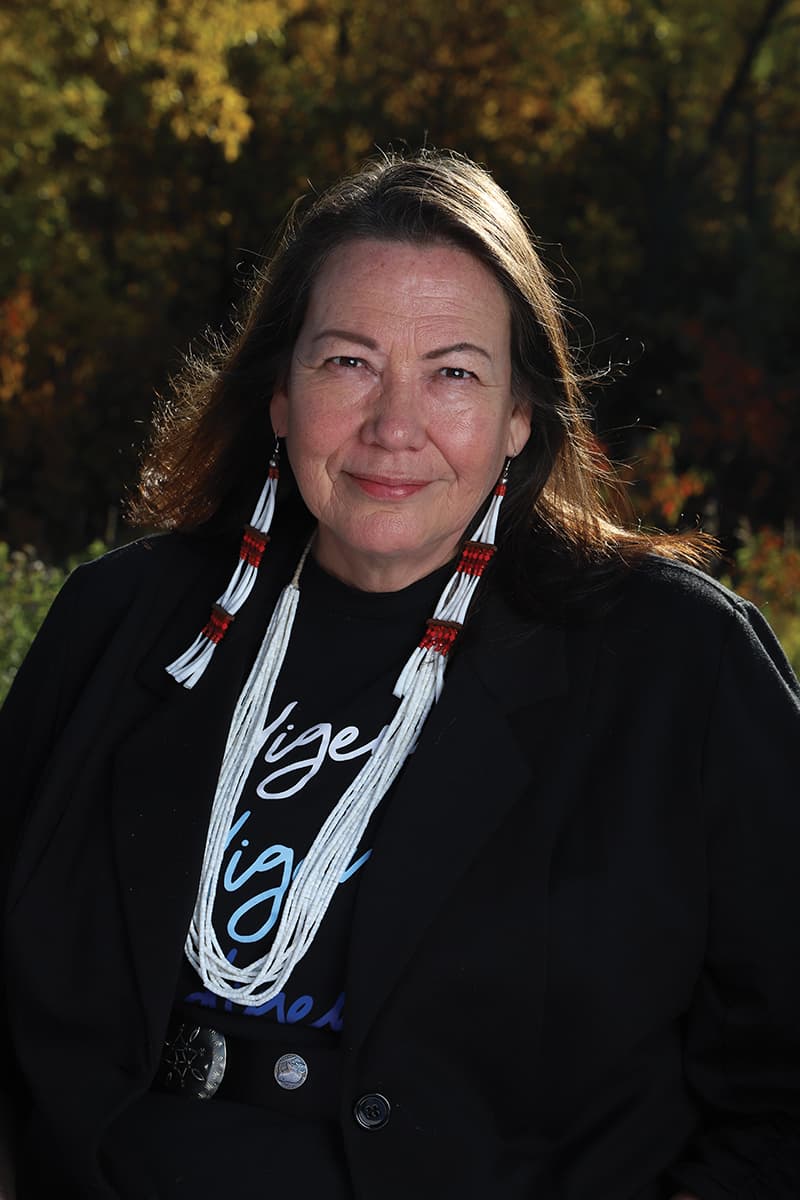
Earlier this week, the Assembly of First Nations called on First Nations and Native American tribes to work together against new U.S. tariffs that could impact Indigenous economies. National Chief Cindy Woodhouse Nepinak urged leaders on both sides of the border to develop a unified strategy in response to what she described as “regressive” trade policies.
The AFN, which represents more than 600 First Nations across Canada, argues that the tariffs threaten Indigenous economic self-determination. While the organization does not speak for U.S. tribes, its call for collaboration raises questions about how Native nations in the United States might be affected. Some U.S. tribes conduct business with First Nations or Canadian industries, particularly in energy, agriculture and manufacturing.
It remains unclear how the proposed tariffs would impact these relationships or whether any U.S. tribes will engage with the AFN’s initiative.
Before national borders were drawn, Northern Plains tribes maintained extensive trade networks, exchanging goods, horses and food across the region. Today, some tribal nations are working to reestablish cross-border economic ties, seeking recognition of treaty rights and intertribal trade agreements.
Woodhouse Nepinak has invited U.S. tribal leaders to join a discussion about economic self-determination and trade rights. The AFN press release did not specify which U.S. tribal governments have responded or what the next steps might be. No formal response has been announced by national Native organizations in the U.S.
Sharing Is Caring
This article is not included in our Story Share & Care selection.
The content may only be reproduced with permission from the Indigenous Media Freedom Alliance. Please see our content sharing guidelines.
© Buffalo's Fire. All rights reserved.
We provide independent Native-focused reporting that gives our communities the context and the facts they need to make informed decisions.
Respect The Fire
At Buffalo's Fire, we value constructive dialogue that builds an informed Indian Country. To keep this space healthy, moderators will remove:
- Personal attacks, harassment, or hate speech
- Spam, misinformation, or unsolicited promotion
- Off-topic rants and excessive shouting (All Caps)
Let’s keep the fire burning with respect.