





















Indian Country needs media pillar for a just society
Civic information, data, local news strengthen Native communities



This story launches our series Shine, which will explore limitations and solutions to press freedom and government transparency in Indian Country.
Does the Fourth Estate exist in Indian Country? Some might not know what this means if they’ve never experienced a robust local tribal media system where tribal journalists – and citizens – have access to government records, budgetary information and open meetings.
In a democracy, the media exist as an essential pillar of society. The free press reports on the government, thereby creating transparency, and holding power to account, and, equally important, helping to create an informed citizenry.
Unlike every state in the country and the federal government, the majority of the 575 federally recognized tribes have not enacted transparency or Freedom of Information codes for tribal citizens or the media. Some tribal constitutions address press freedom issues with strong language, but constitutional protections mostly lack luster. The First Amendment of the U.S. Constitution guarantees freedom of the press, religion and speech, while also securing freedom to petition the government and the right to assemble. These same freedoms do not handily apply to tribal citizens given each tribe’s interpretation of tribal sovereignty.
The Red Press Indigenous Journalists Association survey of tribal news producers and tribal news consumers found that only 7% of producers said they definitely had access to tribal government records, while 16% said they definitely did not. Fourteen percent of producers said they “definitely yes” had access to budgetary information, while 14% said, “definitely not.”
While most tribal leaders have been slow to enact laws that give citizens access to internal data and records, they do assert sovereignty principles to obtain and control Indigenous data for their own use. The Native Nations Institute defines Indigenous data sovereignty as “the right of a nation to govern the collection, ownership and application of its own data.” In 2019, the Global Indigenous Data Alliance, or GIDA, established CARE principles to support Native nations’ role in data management, which also acknowledges the information needs of citizens who do not wield sovereignty like tribal leaders.
“Indigenous people also participate in other Indigenous stakeholder groups that do not hold inherent sovereignty, including daily life within Indigenous communities (groups of individuals) that may be within their nations or embedded in mainstream society and interaction with Indigenous organizations such as health care entities, non-profits, businesses,” according to authors of The CARE Principles for Indigenous Data Governance.
Even as most tribal citizens have no means to access tribal data and records, at least a dozen tribes have taken steps to enact transparency and freedom-of-information codes setting the stage for governmental transparency and accountability. This practice makes good sense because everyone benefits when data and information can be used for the public good, a few examples include local entrepreneurs, language revitalizers and GIS map makers.
Access to information also promotes good governance, solid research and trustworthy community journalism.
Good governance, or not
The majority of tribal newspapers and radio stations are controlled by tribal governments, which often wield editorial, financial, hiring and firing oversight of local media operations. Shield laws typically do not exist at tribal newspapers to protect sources.
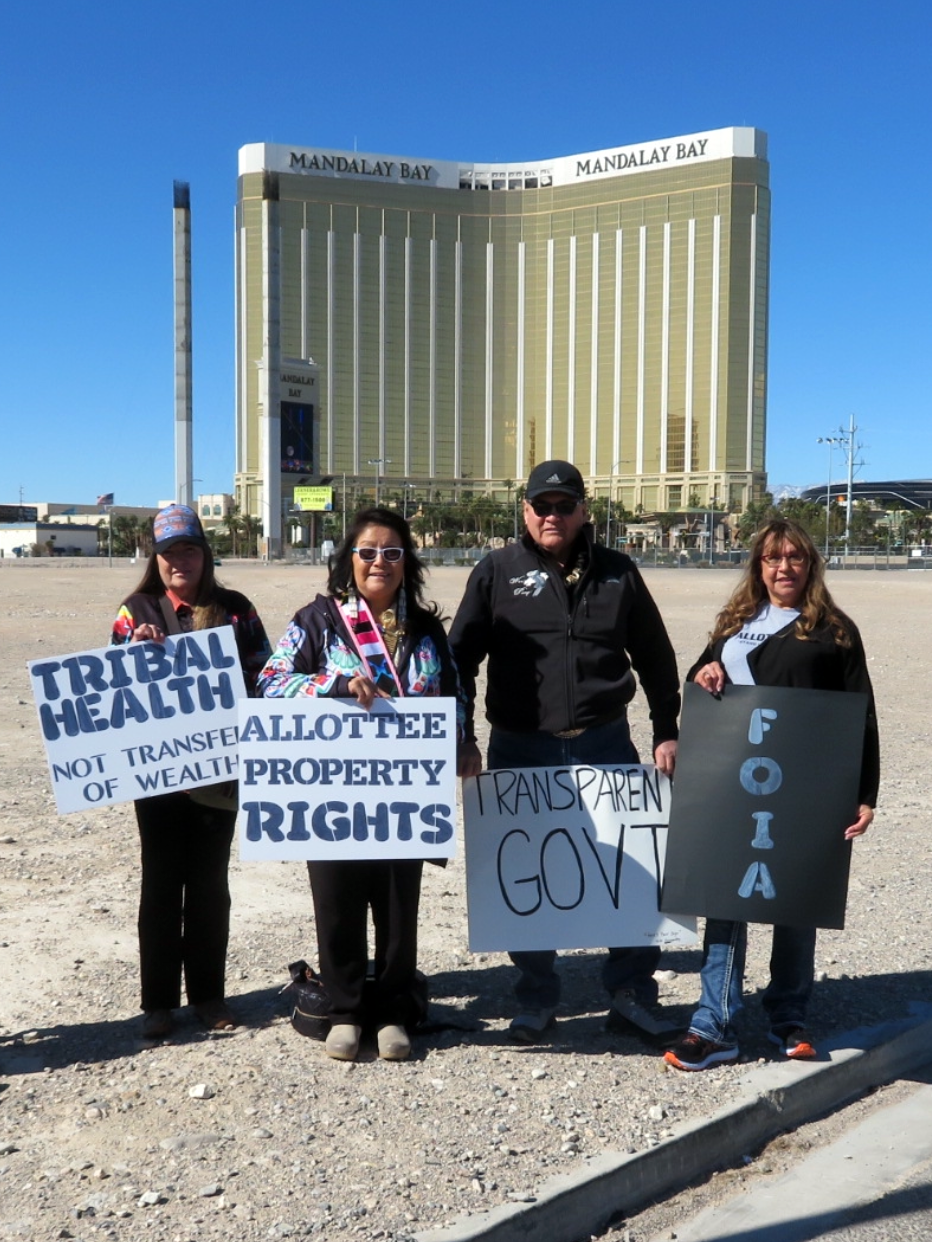
Some tribes don’t even have any media outlets, leading many to share or gather information on social media, a venue with no fact-checkers. I’ve heard many elected tribal councilmen complain about community rumors that could have been easily addressed by independent media.
The Indigenous Journalists Association’s 2019 Red Press Initiative survey results show that tribal newspapers reinforce tribes’ cultural values, according to 92% of news consumers, editors and reporters who took the survey. But the survey also reveals a trend towards intimidation and censorship of tribal news producers as well as a requirement to get prior approval of stories from tribal officials. The survey also shows that 40% of Native news consumers reported that tribal media reflects tribal citizens’ opinions and concerns only sometimes, or never.
“The voice for the people, to be that eyapaha for the people of what's happening for the whole nation. The eyapaha went around camp and told everybody what was happening for that day and put the news out. And that was their role.”
In 2018, I served on the IJA's Red Press advisory board for a survey on Indigenous media. Here are some findings from news producers who took the survey:
- 51% of producers said stories about tribal affairs or officials go unreported due to censorship always, most of the time or at least half of the time.
- 22% of producers said censorship occurred always or most of the time.
- 46% of producers said they were subject to “intimidation and harassment when covering tribal affairs.”
- 72% said a “tribal elected official” was the primary source of harassment always, most of the time or at least half of the time.
- 70% said a “tribal senior official” was the primary source of harassment always, most of the time or at least half of the time.
- 32% said they must seek prior approval from government officials before publishing, either always or most of the time.
- 62% said tribal government officials or other political interests determined the news in the tribe-controlled publication ranging from always to sometimes.
- 53% of tribal news producers said their tribe tries to control tribal media through budgetary restrictions always to at least sometimes, while 30% said restrictions ranged from always to about half the time.
- 26% expressed doubt or uncertainty about having adequate access to government meetings, with 5% saying they probably don’t.
It’s a reporting climate that could dissuade young and aspiring local journalists from choosing to report for the local tribal newspaper, if one exists. Meanwhile, deciding on a journalism career at one of the 37 Tribal College Universities really isn’t an option considering only one known college, Haskell Indian Nations University, offers an associate’s degree in media communications.
Leander “Russ” McDonald, president of United Tribes Technical College, told me that a communications degree, or something similar, could be created within one to two years, providing the college had faculty who could teach the core elements. It would make sense, he said, to include courses on writing tribal transparency codes, operating a sustainable business, courses on ethics and writing an accurate news story.
McDonald also serves on the International Advisory Council of the Native Nations Institute, which assists tribes in exercising sovereignty through good governance to achieve political, economic and community objectives. He said if tribal newspapers and radio stations were combined, they could be a “the voice for the people, to be that eyapaha for the people of what's happening for the whole nation.” The eyapaha went around camp and told everybody what was happening for that day “and put the news out,” he said. “And that was their role,” one they followed with protocols.
Data sovereignty for all
Tribal leaders clearly understand the importance of access to information in making well-informed decisions for the people they were elected to govern. It’s a good reason to support Indigenous data sovereignty.
Data can assist tribes in caring for their lands, people, and culture, to name just a few areas. But data and information also need to be accessible to tribal citizens, many of whom are engaged in grassroots or entrepreneurial work and who have ideas to improve the community's quality of life. A free flow of information also helps connect tribal leaders with the people who elected them.
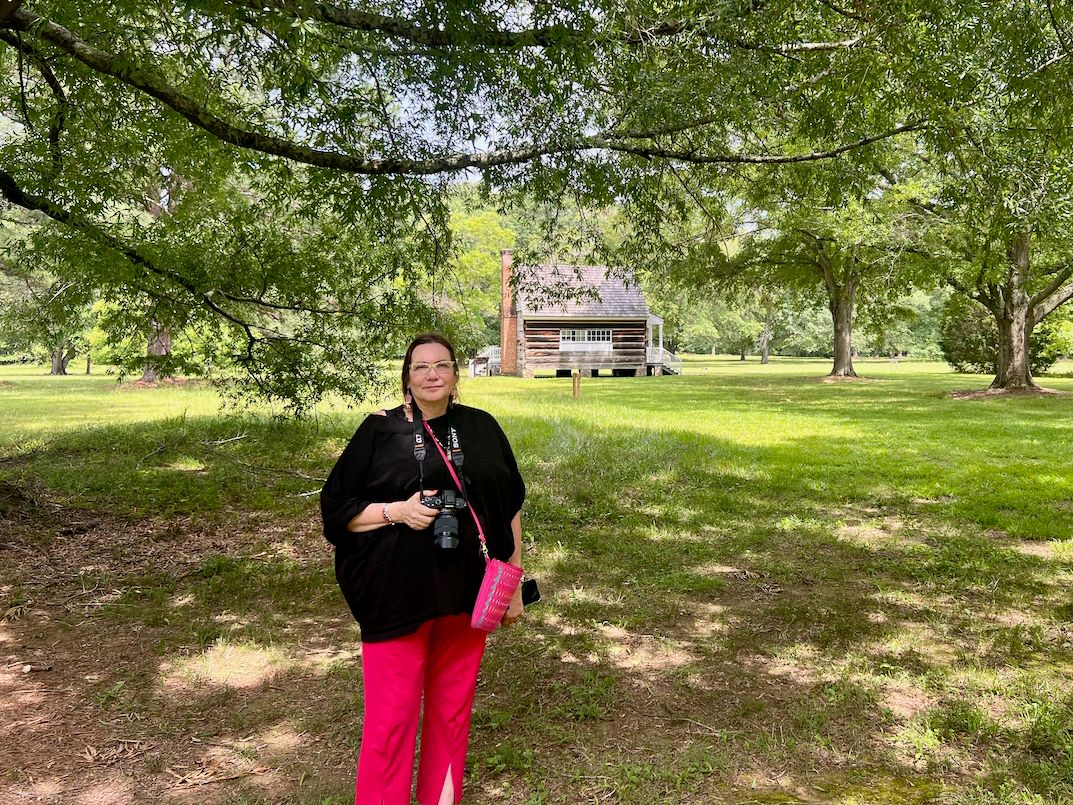
The late Osage Principal Chief Jim Grey governed his nation from 2002 to 2010. His legacy is that of a visionary tribal leader who understood the importance of constitutional reform and the need to legislate press freedom. Under Grey’s leadership, the Osage Nation passed the 2009 Open Records Act.
Other examples of Native nations with transparency laws include the Hopi, Oglala, Confederated Tribes of the Salish and Kootenai, Navajo, Cherokee, Confederated Tribes of Grand Ronde, and Muscogee Creek.
But even for the tribes that have created access-to-records laws, challenges remain.
The Grand Ronde in Oregon established a formal transparency framework through its Freedom of Information Ordinance, which was adopted in 2007 and amended as recently as 2020.
The law promotes "open and transparent" government and provides mechanisms for tribal members and the tribe’s independent newspaper to request and obtain access to certain tribal records. Other records are explicitly exempt from disclosure.
“In my own experience, the decision to turn over records comes to the Tribal Council... they base their decision on two things: who makes the request, and whether releasing the record harms somebody they don't like, or helps somebody they do like. Both are bad reasons.”
The law works, but it has limitations. The process of sharing information “needs to be blind, particularly to the politics of a tribe,” Chris Mercier, vice chairman of the Confederated Tribes of Grand Ronde, told me. Without a law, the process of giving records to tribal citizens becomes arbitrary.
“In my own experience,” Mercier said, “that means that the decision to turn over records or information will come to the Tribal Council-elected leadership, and they will base their decision on usually two things,” said Mercier. First, who makes the request, and second, “whether releasing the record harms somebody they don’t like, or helps somebody they do like,” said the elected leader. “Both are bad reasons.”
Mercier said an effective Freedom of Information ordinance will depend on how it is written and administered. It should outline what records can be disseminated and who is responsible for that decision; whoever bears that responsibility should be objective and professional. Record requests should also be addressed in a timely manner.
An informed tribal citizenry
In Oklahoma, the National Council passed the Muscogee Creek Nation Free Press Act in 2015 to break the editorial shackles that connected Mvskoke Media to the tribal government’s public relations department. It’s a story that unfolds brilliantly in the documentary “Bad Press,” which won the Sundance Film Festival’s U.S. Documentary Special Jury Award for Freedom of Expression in 2023. The Hollywood Reporter described the film as “the perfect illustration of what happens when you dismantle the Fourth Estate and wind up putting democracy in peril.”
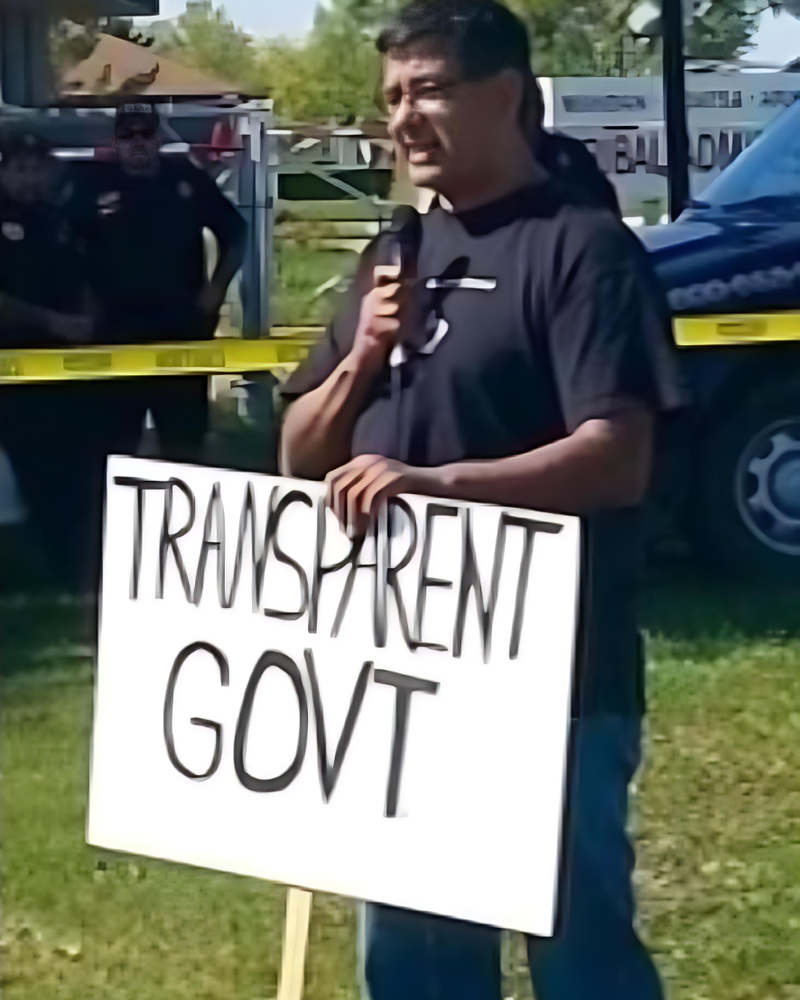
Muscogee tribal citizens joined the fight for press freedom in 2021 by overwhelmingly voting for a constitutional amendment that included press protections. This is not quite a happy ending, however, even with landmark legislation on the record.
Rebecca Landsberry-Baker, a Muscogee citizen and the executive director of the Indigenous Journalists Association, said she’s submitted FOIA requests for freelance projects to her tribe over the years and never received a response. “Our law is unique and only citizens may submit requests, so when those go unanswered, it's the citizens who are being denied information about their tribal government,” she told me. “I think that's the next chapter in free press in Indian Country — how are these laws going to be challenged in our tribal courts, if at all?”
Angel Ellis, chair of the Indigenous Journalists Association ethics committee, agreed:
“I’ve observed how the FOIA law has worked since adopted at the Muscogee Nation. When it was first adopted, we didn’t see any requests granted.”
The issue becomes a litmus test of compliance. “At first Mvskoke Media didn’t have legal representation to go defend FOIA in tribal court,” said Ellis, who’s also the protagonist in “Bad Press,” a film co-directed by Landsberry-Baker. “FOIA is a great tool, but one component of its success is going to be a healthy court system. I’m hopeful now that we have access to the judicial process, the Muscogee Nation FOIA law will produce more transparency.”
Power of the press
Indian Country needs to clear a path for freedom of information and good governance; which isn’t a novel concept. Traditional Native leadership often followed the norm of consensus, a model that greatly impressed the immigrant founders of what would become the United States.
Those early builders of the U.S. Constitution’s Bill of Rights based their democratic ideals upon what they learned from Native Americans — not European governments — particularly the Haudenosaunee Confederacy.
“Our law is unique and only citizens may submit requests, so when those go unanswered, it's the citizens who are being denied information about their tribal government. I think that's the next chapter in free press in Indian Country — how are these laws going to be challenged in our tribal courts, if at all?”
“The social order of Indigenous tribes continued to influence the ongoing debate on constitutional interpretation” and “specifically in terms of the Bill of Rights and the First Amendment,” wrote Paula Peters, journalist and Mashpee Wampanoag historian, in an essay for the National Museum of the American Indian.
In a 1787 letter to Col. Edward Carrington, Thomas Jefferson addressed the importance of free speech, press freedom and listening to the public. “The basis of our governments being the opinion of the people, the very first object should be to keep that right; and were it left to me to decide whether we should have a government without newspapers, or newspapers without a government, I should not hesitate a moment to prefer the latter,” wrote Jefferson.
Jefferson noted that the “Indians” enjoyed “an infinitely greater degree of happiness than those who live under European governments.”
During this time, tribes had not yet adopted constitutions, but the Cherokees would become the first to do so on July 26, 1827. The Cherokee Constitution was modeled upon the U.S. Constitution, with three branches of government, but it was also polarizing and seen as a threat to traditional governance.
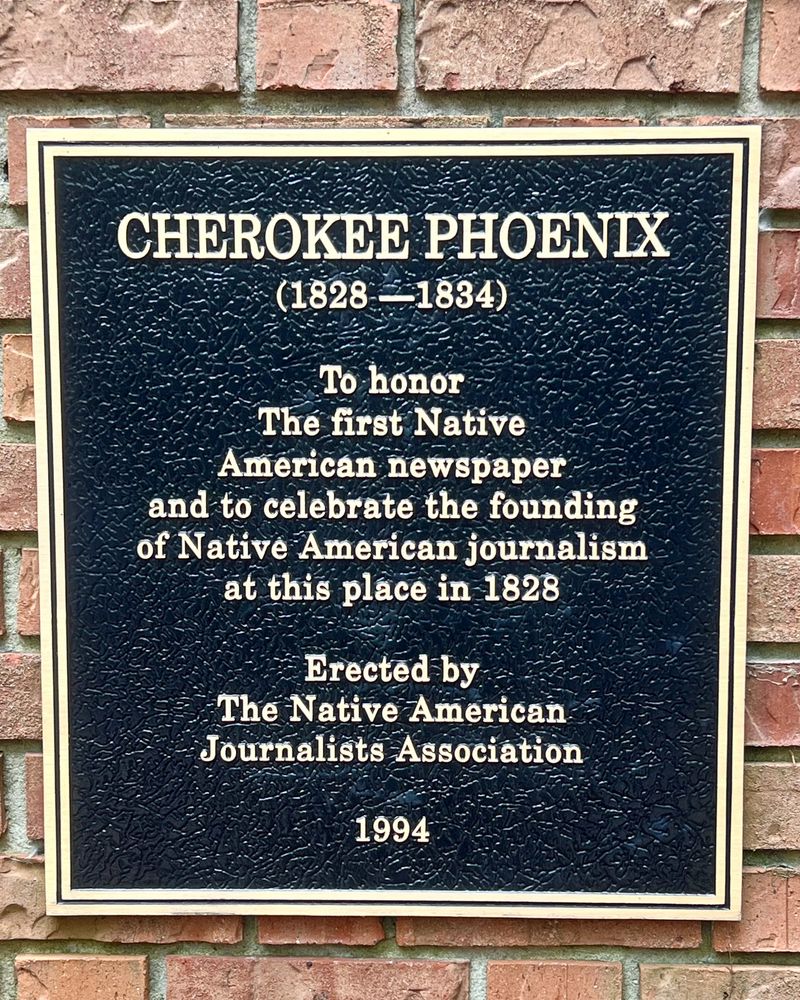
Within a year of adopting the constitution, the Cherokee published the first Native American newspaper in the United States on Feb. 21, 1828. It also became the first bilingual newspaper in North America, printing in both Cherokee and English from the tribe’s capital in New Echota, Georgia.
The newspaper reflected the tribe’s views regarding sovereignty and the looming forced relocation of the Cherokee from their eastern homelands to territory west of the Mississippi River.
“The paper was never intended to be a vehicle of free speech but an instrument of the official leadership of the Cherokee Nation, which vehemently opposed Cherokee removal on any terms,” according to an article Yale scholar Angela Pulley wrote for the New Georgia Encyclopedia.
Nearly 200 years later, the Cherokee Phoenix, now based in Tahlequah, Oklahoma, operates under a transparency mission “to report without bias the activities of the government and the news of interest in order to have informed citizens.” The Cherokee Independent Press Act requires independence “from any undue influence and free of any particular political interest.”
While some tribes practice good governance by adopting codes of transparency, only a dozen or so of the 575 tribes doing so should give pause. We need a significant shift in creating an information flow across Indian Country. A rapid current should align with the Indigenous data sovereignty movement, which calls for tribes to have access to information, but we need more emphasis on access to data and information for the press, and the people.
We can respect tribal sovereignty that practices good governance and embraces an informed citizenry.
References
- 1.
- 2.
- 3.
- 4.
- 5.
- 6.
- 7.
- 8.
- 9.
- 10.
- 11.
- 12.
- 13.
- 14.
- 15.
- 16.
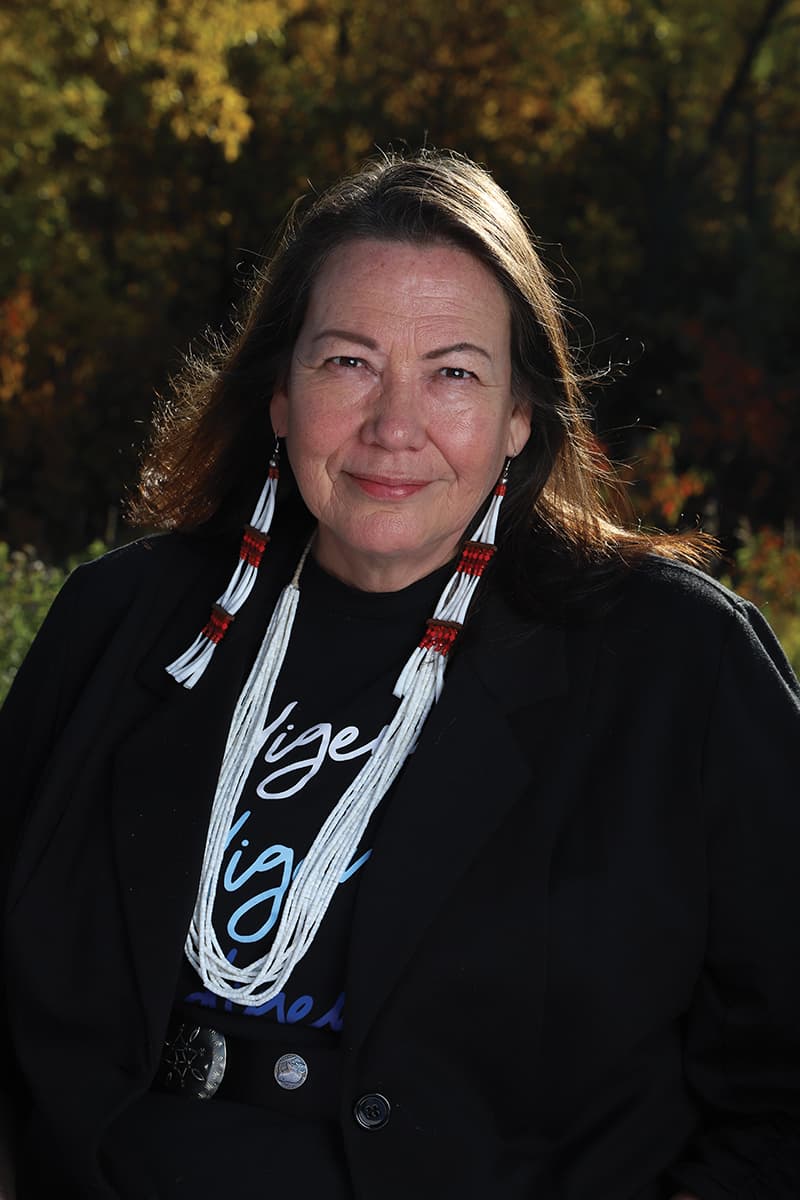
Jodi Rave Spotted Bear
(Mandan, Hidatsa/ Mniconjou Lakota)Founder & Editor in Chief
Spoken Languages: English
Topic Expertise: Federal trust relationship with American Indians; Indigenous issues ranging from spirituality and environment to education and land rights
Sharing Is Caring
This article is not included in our Story Share & Care selection.
The content may only be reproduced with permission from the Indigenous Media Freedom Alliance. Please see our content sharing guidelines.
© Buffalo's Fire. All rights reserved.
We provide independent Native-focused reporting that gives our communities the context and the facts they need to make informed decisions.
Respect The Fire
At Buffalo's Fire, we value constructive dialogue that builds an informed Indian Country. To keep this space healthy, moderators will remove:
- Personal attacks, harassment, or hate speech
- Spam, misinformation, or unsolicited promotion
- Off-topic rants and excessive shouting (All Caps)
Let’s keep the fire burning with respect.