


Harvard symposium to address voting, freedom of information in Indian Country
Speakers will discuss issues such as tribal election boards, constitutional upheaval and redistricting

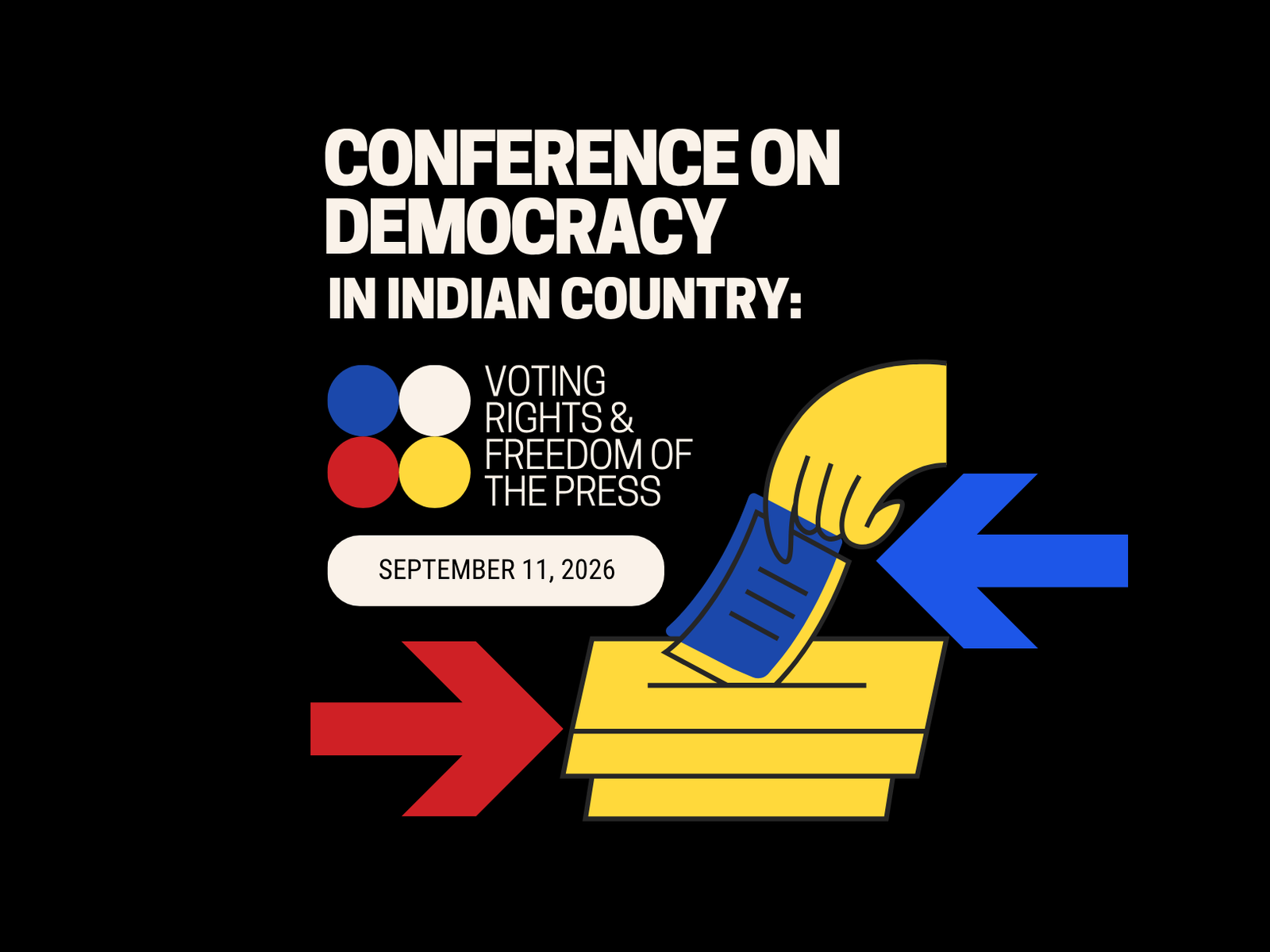
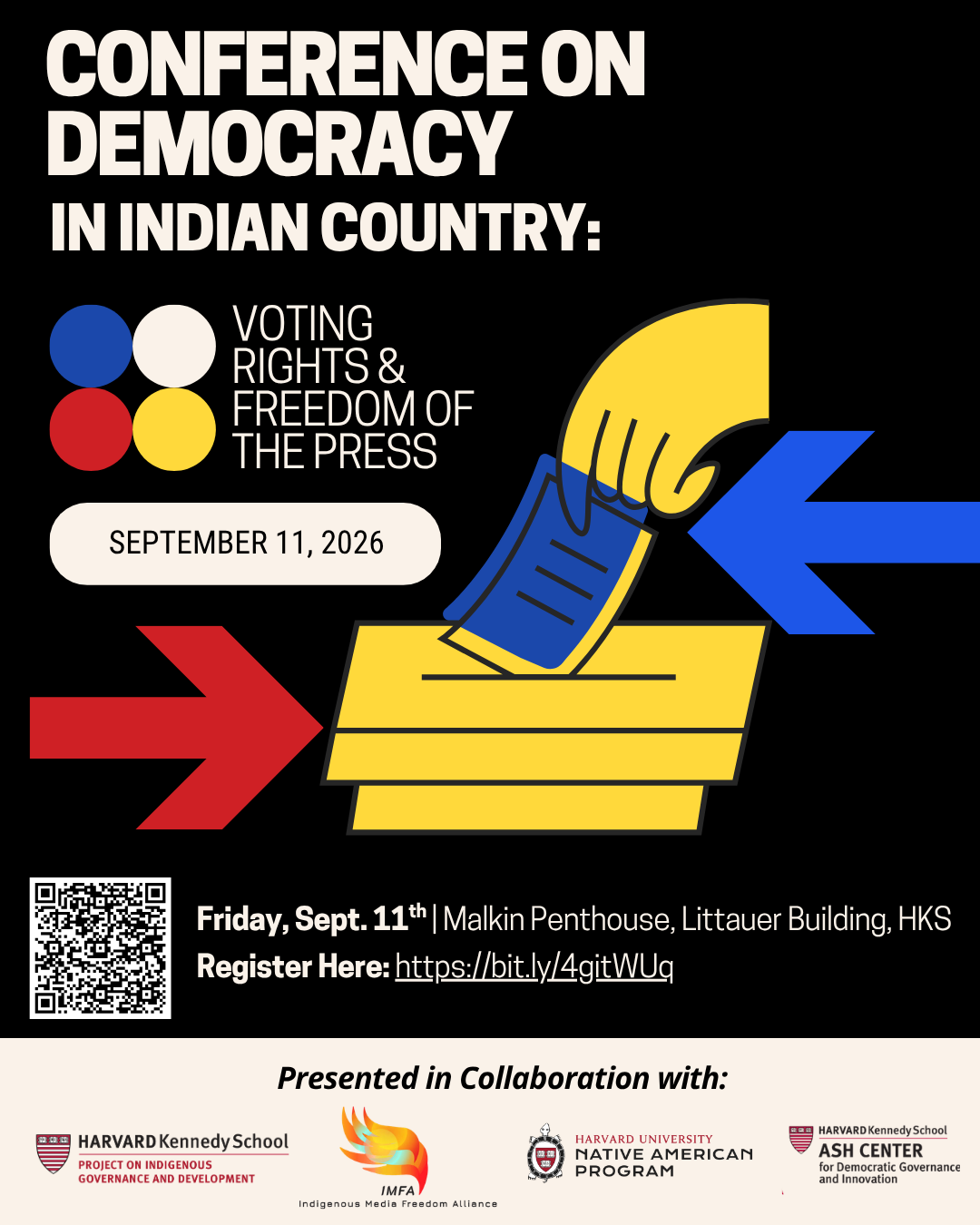
The Native Media Freedom Alliance is collaborating with the Harvard Kennedy School Project on Indigenous Governance and Development – formerly called the Harvard Project on American Indian Economic Development – to address democracy in Indian Country through voting and freedom of information. Other collaborating co-presenters include the Harvard University Native American Program and the Harvard Kennedy School Ash Center for Democratic Governance and Innovation.
Speakers will bring some thought-provoking insights to the table, including: Regis Pecos, co-director of the Leadership Institute; Jacqueline De Leon, Native American Rights Fund attorney; Lisa Finley-Deville, North Dakota legislator; and Norma Gourneau, former vice-president of the Northern Cheyenne Tribe. The one-day Democracy symposium is scheduled on Sept. 11. If you plan to attend, please register here ASAP for planning purposes. We will have some more updates on the event in a few days.
In a democracy, newsrooms exist as an essential pillar of society, channeling information to the public and holding governance systems and officials accountable. Those officials are typically elected into public office through a democratic election process. Is that process working for Native citizens at the local, state, reservation and national levels?
The free press reports on the government, thereby creating transparency, and holding power to account. Equally important, the media helps create an informed citizenry by reporting on the ballot issues and on candidates who are running for office. This process of accountability is important at all levels of the electoral process.
The Harvard symposium illustrates the importance and need for fair voting, independent newsrooms and freedom of information across Indian Country. If we are to have accountability, those newsrooms and the public also need access to information to make informed decisions.
The Native Media Freedom Alliance is a 501(c)(3) nonprofit organization based in Bismarck, North Dakota. It is the publisher of the independent digital news site Buffalo’s Fire.
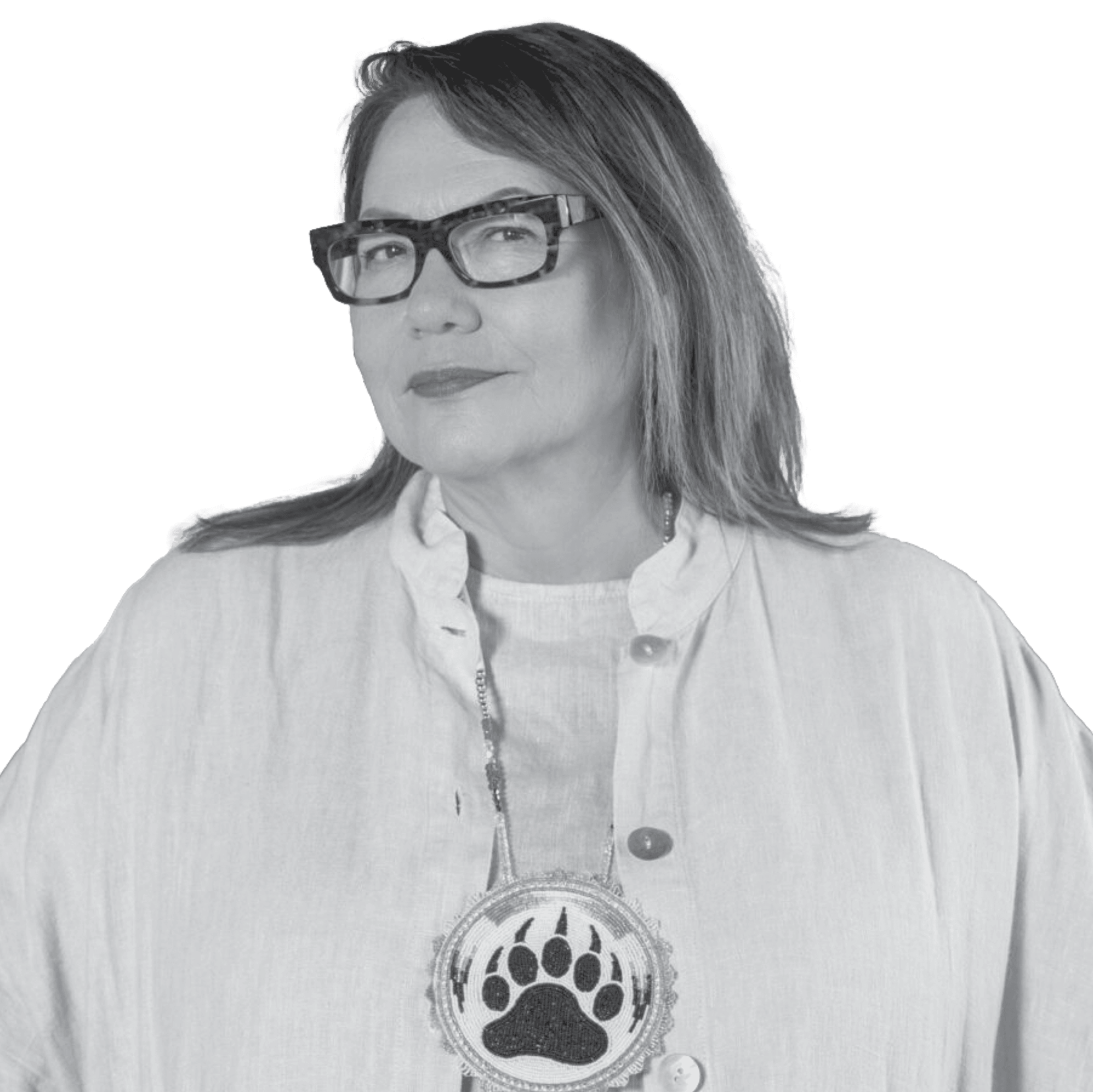
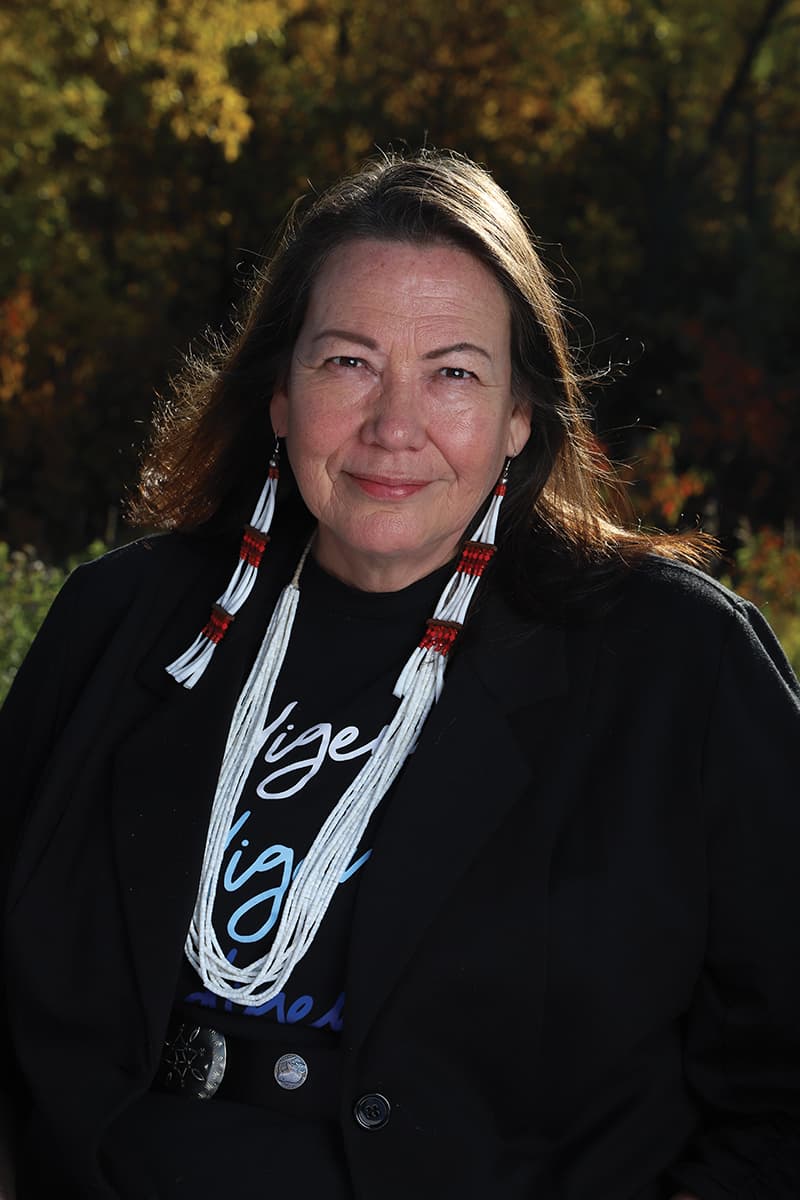
Jodi Rave Spotted Bear
(Mandan, Hidatsa/ Mniconjou Lakota)Founder & Editor in Chief
Spoken Languages: English
Topic Expertise: Federal trust relationship with American Indians; Indigenous issues ranging from spirituality and environment to education and land rights
Sharing Is Caring
This article is not included in our Story Share & Care selection.
The content may only be reproduced with permission from the Indigenous Media Freedom Alliance. Please see our content sharing guidelines.
© Buffalo's Fire. All rights reserved.
We provide independent Native-focused reporting that gives our communities the context and the facts they need to make informed decisions.
Respect The Fire
At Buffalo's Fire, we value constructive dialogue that builds an informed Indian Country. To keep this space healthy, moderators will remove:
- Personal attacks, harassment, or hate speech
- Spam, misinformation, or unsolicited promotion
- Off-topic rants and excessive shouting (All Caps)
Let’s keep the fire burning with respect.