






Legal saga continues for Northern Cheyenne Tribe
Traditional chiefs' council request appeal, plaintiffs argue stay would jeopardize tribal elections

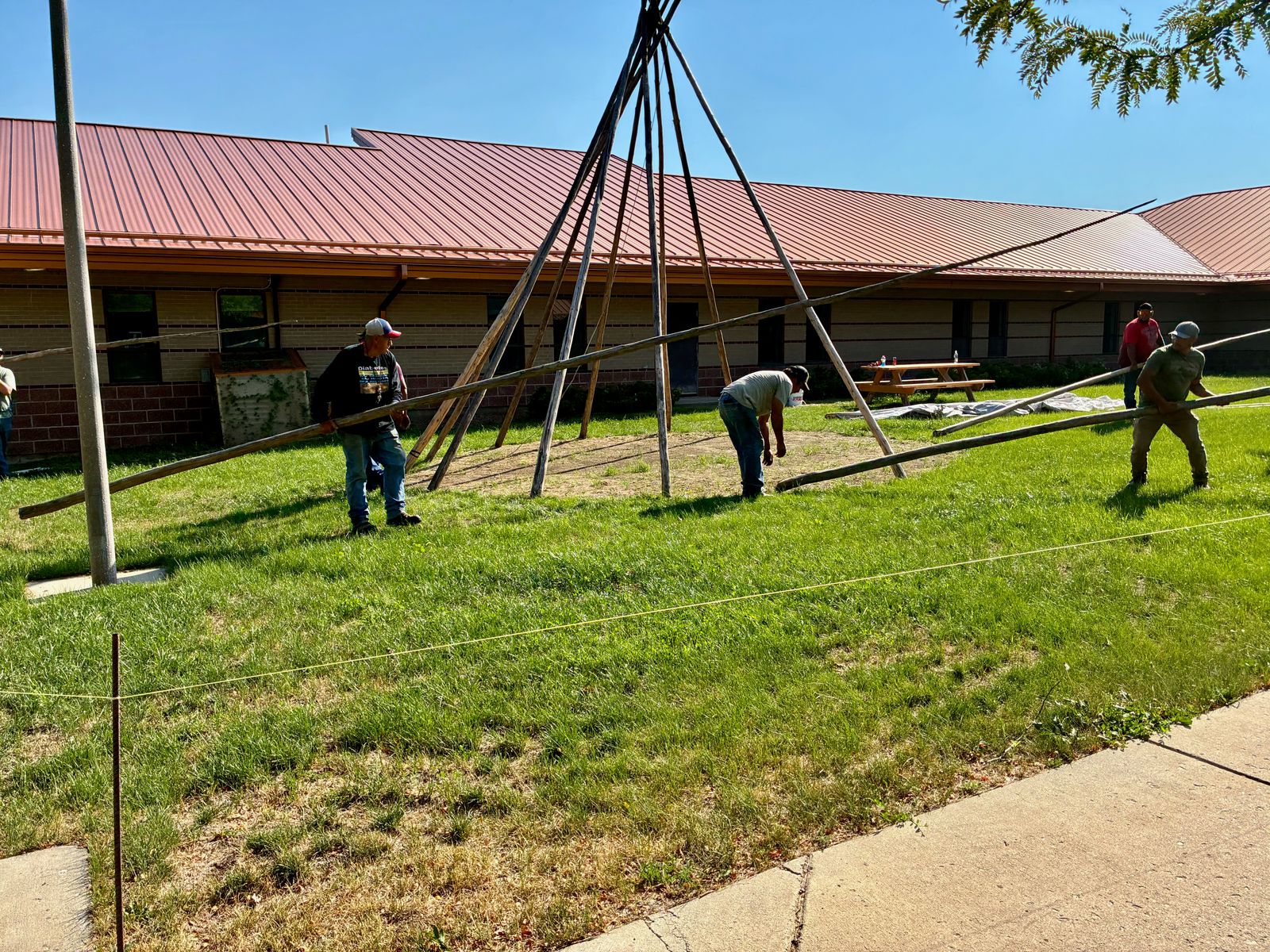

In the latest evolution of the Northern Cheyenne Tribe’s complex yearlong leadership dispute, three Traditional Chiefs are seeking to challenge a recent Trial Court order that sided with their opponents, eight ousted members of the Tribal Council.
The chiefs on Aug. 21 requested to appeal the earlier decision, which favored reinstating the representatives whose authority came into question last fall. Though originally elected to the Tribal Council following the tribe’s constitutional procedures, most of them were replaced in contested a special election last October amid allegations of embezzlement and corruption.
So far, there are no criminal findings regarding financial misconduct by the ousted council. Many of the allegations center on how federal funds were spent related to COVID-19 relief.
Meanwhile, the specially elected representatives and the three chiefs in their corner — Larry Medicine Bull, Wesley Spotted Elk and Roger Killsnight — remain at odds with the eight officials who held the Tribal Council seats prior to the special election last year.
The tumultuous events were brought to the attention of the Bureau of Indian Affairs multiple times throughout the past year, but the BIA chose a policy path of “noninterference.” The BIA Northern Cheyenne Agency initially supported the group of eight original council members fighting to retain their elected office. But the bureau later reversed course, citing its policy of intra-tribal governance, under which a tribe has the responsibility, as a sovereign, to resolve issues independently.
While the ousted council members remain hopeful for a speedy reinstatement after a yearlong absence, the Aug. 21 request on behalf of the specially elected council members and the Traditional Chiefs offers little indication that the situation is nearing resolution. In response to the request for appeal and motion to stay, the plaintiffs argued that the appeal should proceed, but the stay should be denied.
"A stay would perpetuate governmental uncertainty, jeopardize the 2026 election, delay federal funding, impair essential services, and threaten the operation of Northern Cheyenne Tribal Schools. The August 18, 2026 Order should remain in effect during appellate review," according to an Aug. 24 court filing by the plaintiffs.
Attorney Dion Killsback asked the appellate court to suspend the Trial Court order during the appellate review, stating: “A stay is necessary to preserve the status quo, prevent irreparable injury to the Chiefs’ traditional authority and responsibilities, avoid inconsistent enforcement while the related appeal of the Council Defendants is pending, and prevent further governmental and community disruption before the appellate court determines whether the Trial Court possessed jurisdiction and correctly applied Northern Cheyenne law.”
The story was updated to include the plaintiffs' response and brief.
Sharing Is Caring
This article is not included in our Story Share & Care selection.
The content may only be reproduced with permission from the Indigenous Media Freedom Alliance. Please see our content sharing guidelines.
© Buffalo's Fire. All rights reserved.
We provide independent Native-focused reporting that gives our communities the context and the facts they need to make informed decisions.
Respect The Fire
At Buffalo's Fire, we value constructive dialogue that builds an informed Indian Country. To keep this space healthy, moderators will remove:
- Personal attacks, harassment, or hate speech
- Spam, misinformation, or unsolicited promotion
- Off-topic rants and excessive shouting (All Caps)
Let’s keep the fire burning with respect.