






Native-led nonprofits open doors, sustain tribal communities

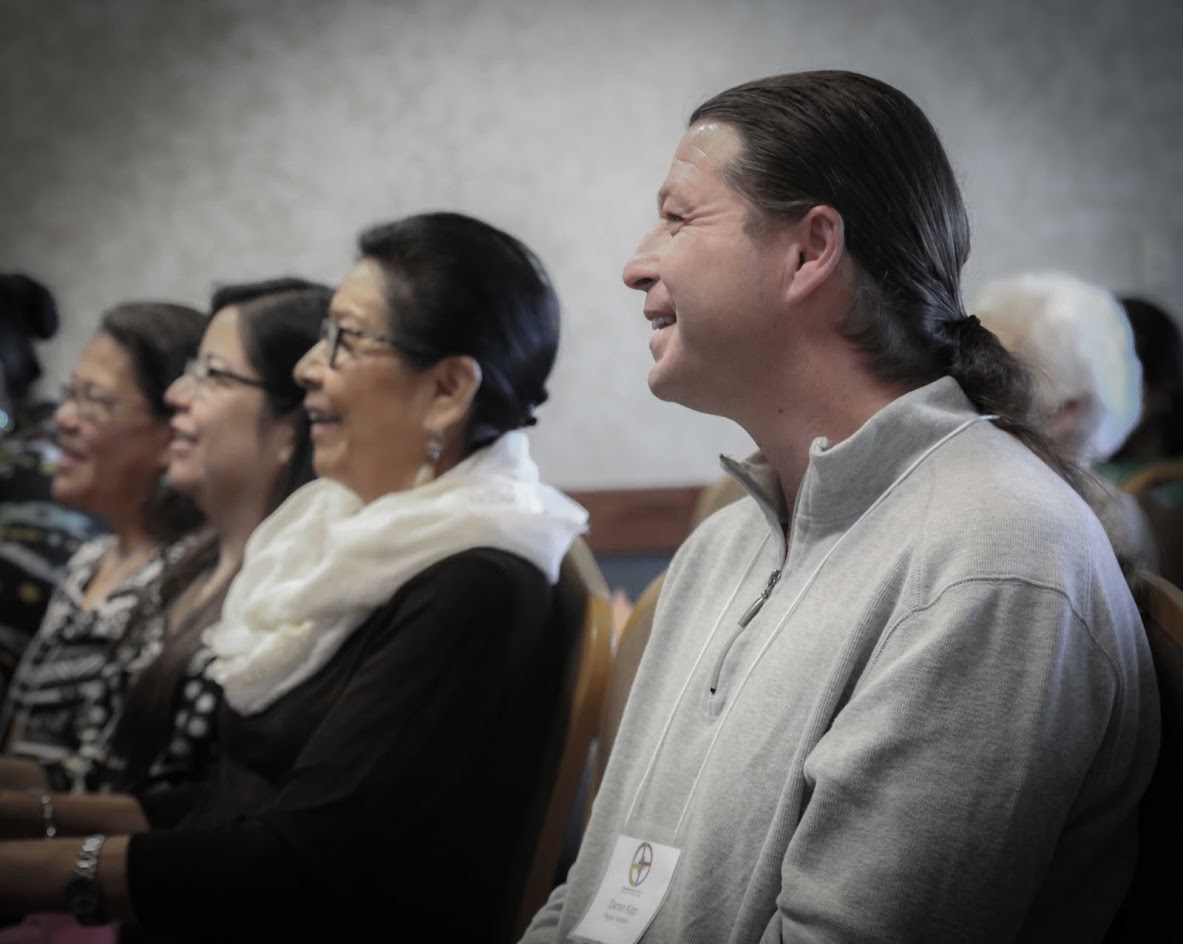
Some of the greatest innovators in Indian Country are making a difference in their communities by creating nonprofit organizations. In order to ensure their success, nonprofit leaders can participate in a year-long training program called Strengthening the Circle (STC).
The next gathering will be held in Keystone, S.D., Oct. 21–24. Nonprofit leaders from North Dakota and South Dakota are highly encouraged to apply. Successful applicants will have their travel and lodging expenses covered by Strengthening the Circle.
As the founder of the Indigenous Media Freedom Alliance, a nonprofit media organization, I’m personally thankful for Strengthening the Circle. I first attended the leadership program in Bozeman, Mont., the home base for Hopa Mountain, one of four STC collaborators. Other organizers include Wolfstar Productions, Artemisia Associates, and the Seventh Generation Fund.
More than 400 Native-led nonprofits from seven states have participated in Strengthening the Circle since 2007. While the program began its training sessions in Bozeman, it extended its reach to South Dakota in 2013. The growth of Native-led nonprofit work is intriguing; grassroots organizers are leading their communities toward self-reliance by tackling myriad issues at home.
Diversity in Innovation
Nonprofits in Indian Country are an emerging entrepreneurial force. We see vital work being done in:
- Language immersion schools
- Social services and LGBTQ+ advocacy
- Digital archives and cultural preservation
- Buffalo management
- The Native American Hall of Fame
So much more work can be done, but no one does this work alone. Strengthening the Circle emphasizes four primary program goals:
“This means since 2006, on average, large foundations have given $4.3 million less every year to Native American organizations and causes.”
- Organizational development
- Sharing traditional leadership knowledge among participants
- Developing culturally appropriate training materials
- Encouraging private foundations to support Native nonprofits
Navigating Financial Challenges
The work of STC is especially critical today as nonprofits navigate a difficult funding landscape. According to theFirst Nations Development Institute, large foundation support to Native organizations declined by 29 percent from 2006 to 2014—a $35 million drop.
Many nonprofit leaders often face burnout by trying to do too much with little moral or financial support. STC trainings create a welcoming environment and typically invite representatives from both large and small foundations to meet directly with nonprofit leaders.
Regional Impact (2017 Data)
In 2017, the number of Native-led organizations in the Northwest and Great Plains illustrated a growing but uneven landscape:
- Washington: 150
- South Dakota: 82
- Montana: 70
- Oregon: 61
- North Dakota: 17
- Idaho: 3
The upcoming October training is a vital opportunity for leaders, particularly those in North Dakota, to help increase the presence and efficacy of nonprofit organizations in the state. Our tribal governments cannot do everything, nor should we expect them to when our grassroots leaders often have the best pulse on the community.
Apply today for the October training session in the Black Hills of South Dakota. Remember, the deadline is Sept. 15.
Spotted an error? Suggest a correction.
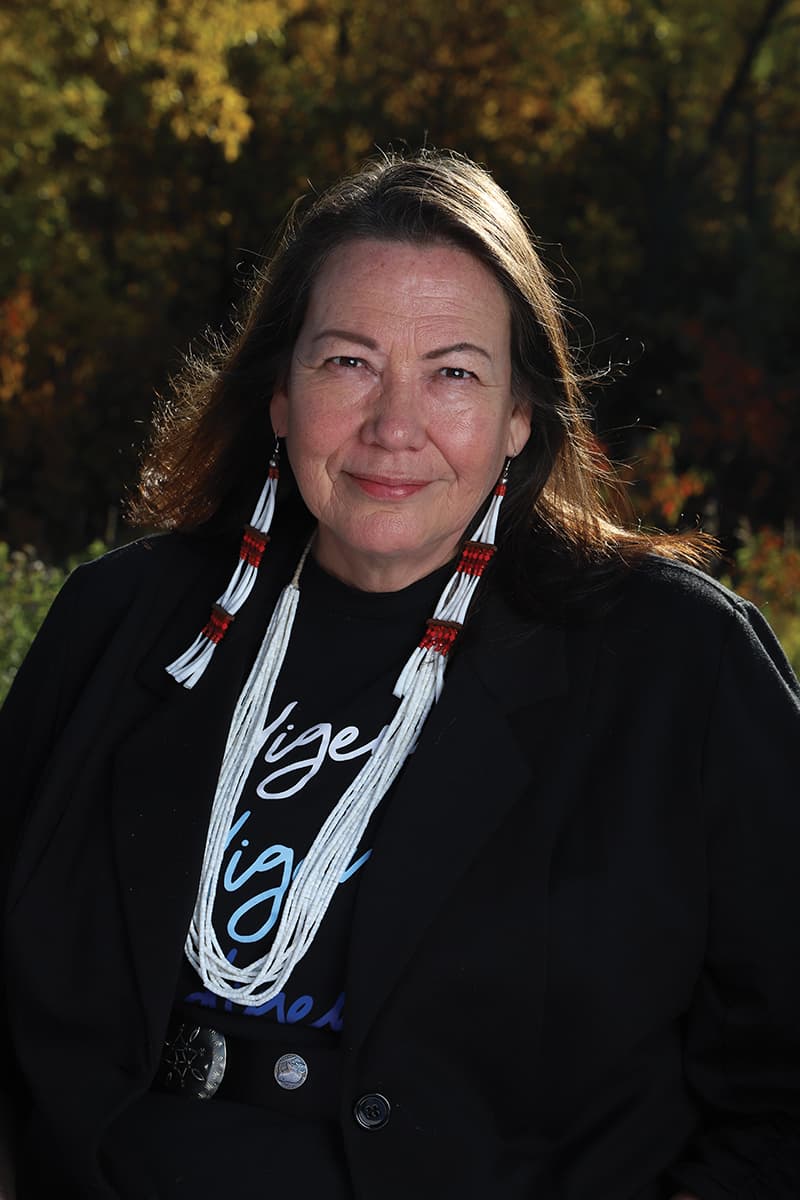
Jodi Rave Spotted Bear
(Mandan, Hidatsa/ Mniconjou Lakota)Founder & Editor in Chief
Spoken Languages: English
Topic Expertise: Federal trust relationship with American Indians; Indigenous issues ranging from spirituality and environment to education and land rights
Sharing Is Caring
This article is not included in our Story Share & Care selection.
The content may only be reproduced with permission from the Indigenous Media Freedom Alliance. Please see our content sharing guidelines.
© Buffalo's Fire. All rights reserved.
We provide independent Native-focused reporting that gives our communities the context and the facts they need to make informed decisions.
Respect The Fire
At Buffalo's Fire, we value constructive dialogue that builds an informed Indian Country. To keep this space healthy, moderators will remove:
- Personal attacks, harassment, or hate speech
- Spam, misinformation, or unsolicited promotion
- Off-topic rants and excessive shouting (All Caps)
Let’s keep the fire burning with respect.