






Proposed gas pipeline in North Dakota could help reduce Bakken flaring
MHA Nation and Standing Rock say they will monitor pipeline progress for water and environment impact

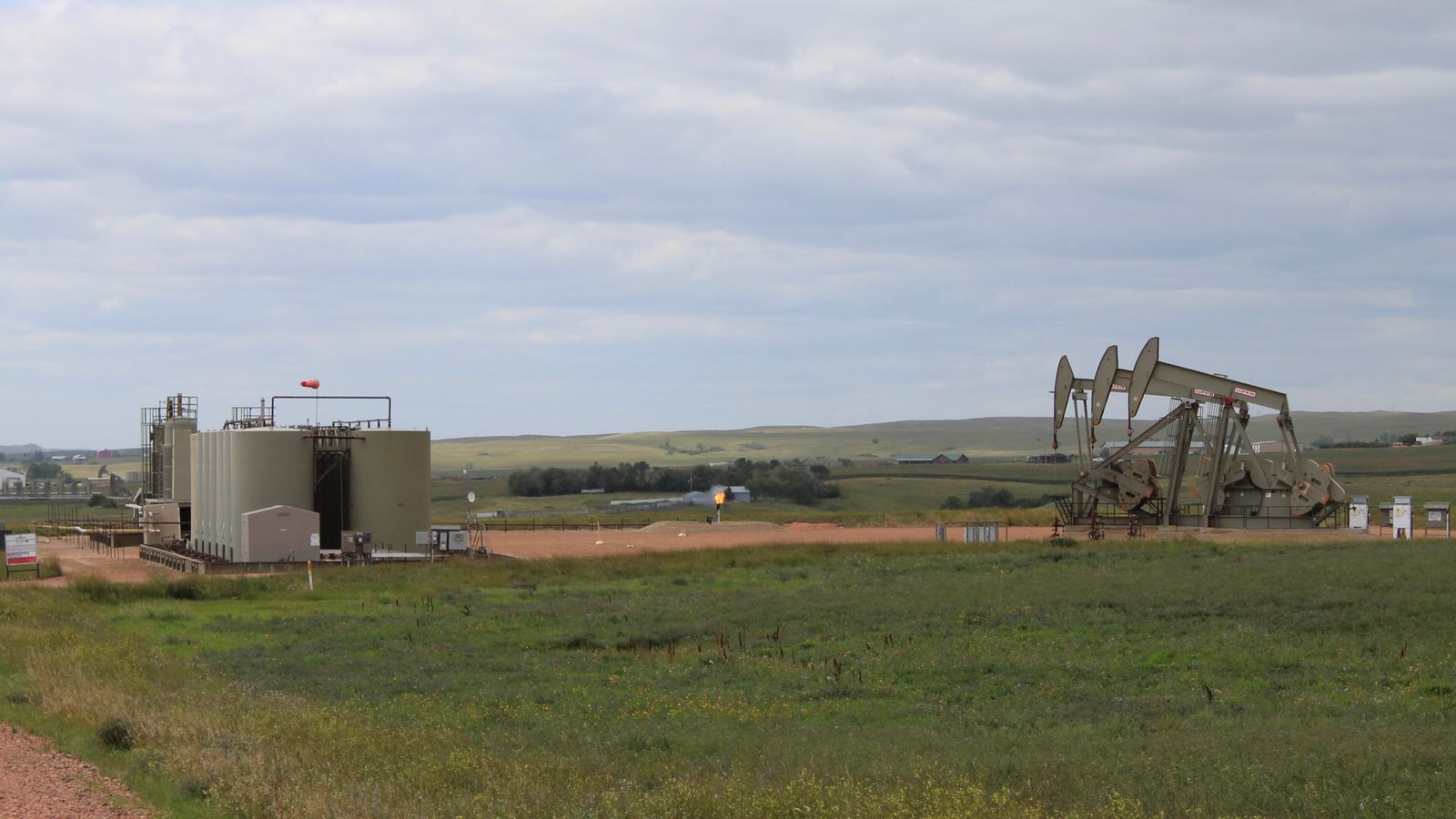

Thousands of oil wells are active on the Fort Berthold Reservation. The large cranelike pumpjacks pulling up the tribe’s most valuable resource can be seen while driving through the area in northwestern North Dakota. Oil flows through these wells at just under 154,000 barrels per day, according to the October 2025 production report by North Dakota Department of Mineral Resources. Often accompanying these pumpjacks are pipes shooting up out of the ground spewing fire, like a Bic lighter on steroids.
The practice prevents the dangerous build up of flammable gas in equipment during drilling and is cheaper than building the infrastructure to capture gas. But it releases greenhouse gases into the atmosphere and harms human health.
One of the only ways to reduce flaring is by capturing and using the gas for electricity and heat generation. But for oil companies, a barrier to diverting the gas, rather than flaring it, is having the right infrastructure to transport it to people and business.
Two energy companies are partnering to build a new gas pipeline that they say would capture gas from the Bakken oil fields and transfer it to the growing industrial demand in central and eastern North Dakota. But its construction could have environmental impacts and draw tribal opposition if it doesn’t comply with tribal pipeline regulations.
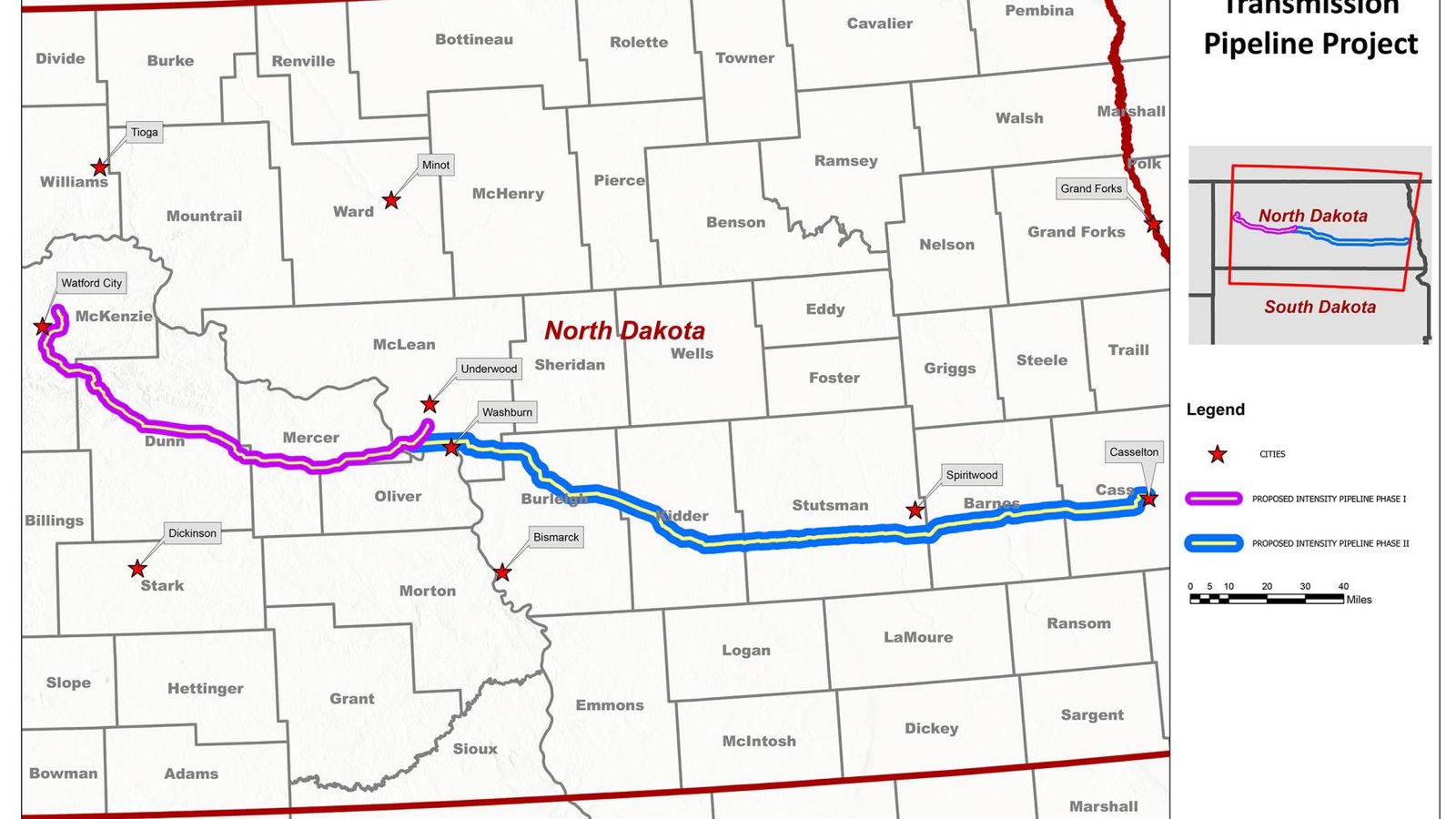
Expected to be completed in 2029, the pipeline would extend 344 miles across the state. Rainbow Energy Center, an independent power producer, and Intensity Infrastructure Partners, an energy infrastructure company based in Oklahoma, announced this month that they are rolling out phase one of the pipeline project, which includes 136 miles of the western portion.
Mandan, Hidatsa and Arikara Nation Chairman Mark Fox told Buffalo’s Fire in an email that the proposed pipeline would run west and south of the Fort Berthold Reservation and would not directly impact tribal lands. But the pipeline could impact the tribe’s water resources if it crosses the Little Missouri River upstream of the reservation.
Transmission pipelines, Chairman Fox said in the email, are “a critical element of oil and gas production” and are supported by the MHA Nation “as long as they are constructed and operated safely and responsibly.”
“We will continue to monitor the proposed pipeline and do what is necessary to protect the interests of the MHA Nation,” he said in the email.
Other state pipeline projects that are near reservations and cross the Missouri River, including the Dakota Access Pipeline, have drawn opposition from tribes. The #NoDAPL protests at Standing Rock drew more than 200 tribes, lasted nearly a year and resulted in the arrest of more than 400 people.
Doug Crow Ghost, director of the Water Resources Department of the Standing Rock Sioux Tribe, had not heard of the Rainbow and Intensity pipeline before Buffalo’s Fire asked him about its potential effect on tribal lands and the Missouri River. He said it could put pressure on the water and environment, and he will “let the tribe know about its significance to the ecosystem and natural environment.”
“We are always on the side of coexistence with natural Native law,” said Crow Ghost, who’s also chairman of the Great Plains Tribal Water Alliance, a tribal coalition dedicated to protecting and preserving tribal water rights.
Intensity and Rainbow did not comment when asked if they have contacted tribal energy departments or tribal consultants. The MHA energy department said it has not been approached by Rainbow or Intensity for consultation.
The companies will start constructing phase one of the pipeline near Watford City and end near Washburn. It will transport gas from six Bakken oil field processing plants, according to the companies.
North Dakota is producing gas at record highs, reaching 3.581 billion cubic feet a day last September, according to the October 2025 report from the state’s Department of Mineral Resources. The higher volume increases the volume of flared gas.
North Dakota oil and gas companies captured 95.5% of the gas produced in the Bakken Oil Field in October, according to the report. With continued drilling activity and gas production rising as oil reservoirs are depleted, “flaring remains a challenge,” the department’s oil and gas division told Buffalo’s Fire in an email. The department said it would like to see flaring eliminated altogether.
“Continued and expanded investment in gas takeaway infrastructure is necessary to maintain or improve the current gas capture rate,” the oil and gas division said.
Justin Kringstad, geological engineer director of the North Dakota Pipeline Authority, said by itself, the pipeline won’t reduce flaring, but it is a key component in getting there. Gas capture, he said, needs three pieces of key infrastructure: localized gathering pipeline, gas processing plants and gas transmission pipeline. Intensity and Rainbow’s pipeline is the third piece of the puzzle.
“It will work then with additional investment and development for gathering and processing in western North Dakota,” said Kringstad. Together, “they are absolutely critical to a complete gas capture solution.”
Intensity declined to comment on questions from Buffalo’s Fire about when construction will start, how much the pipeline will cost and whether the pipeline will have negative environmental impacts.
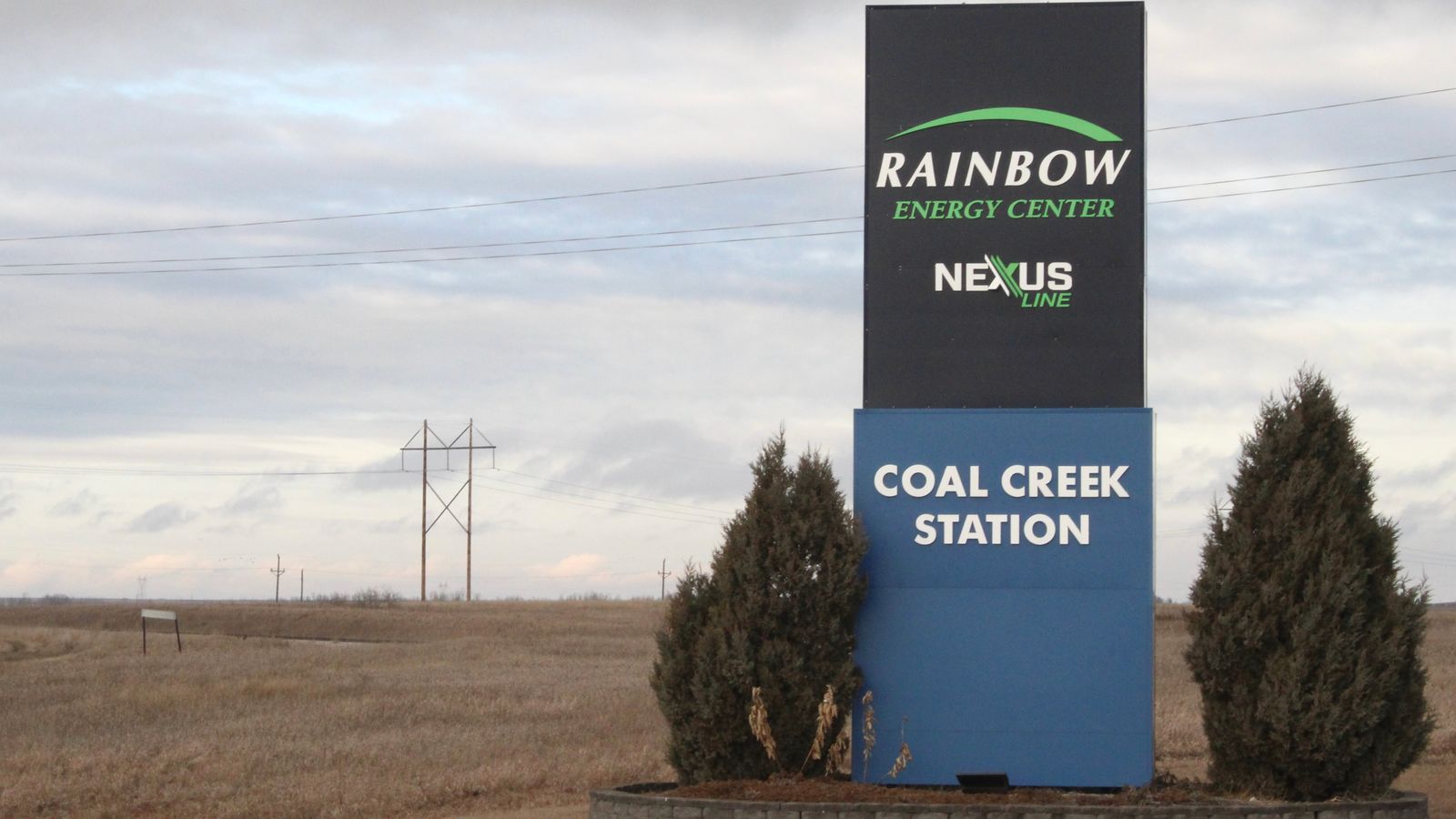
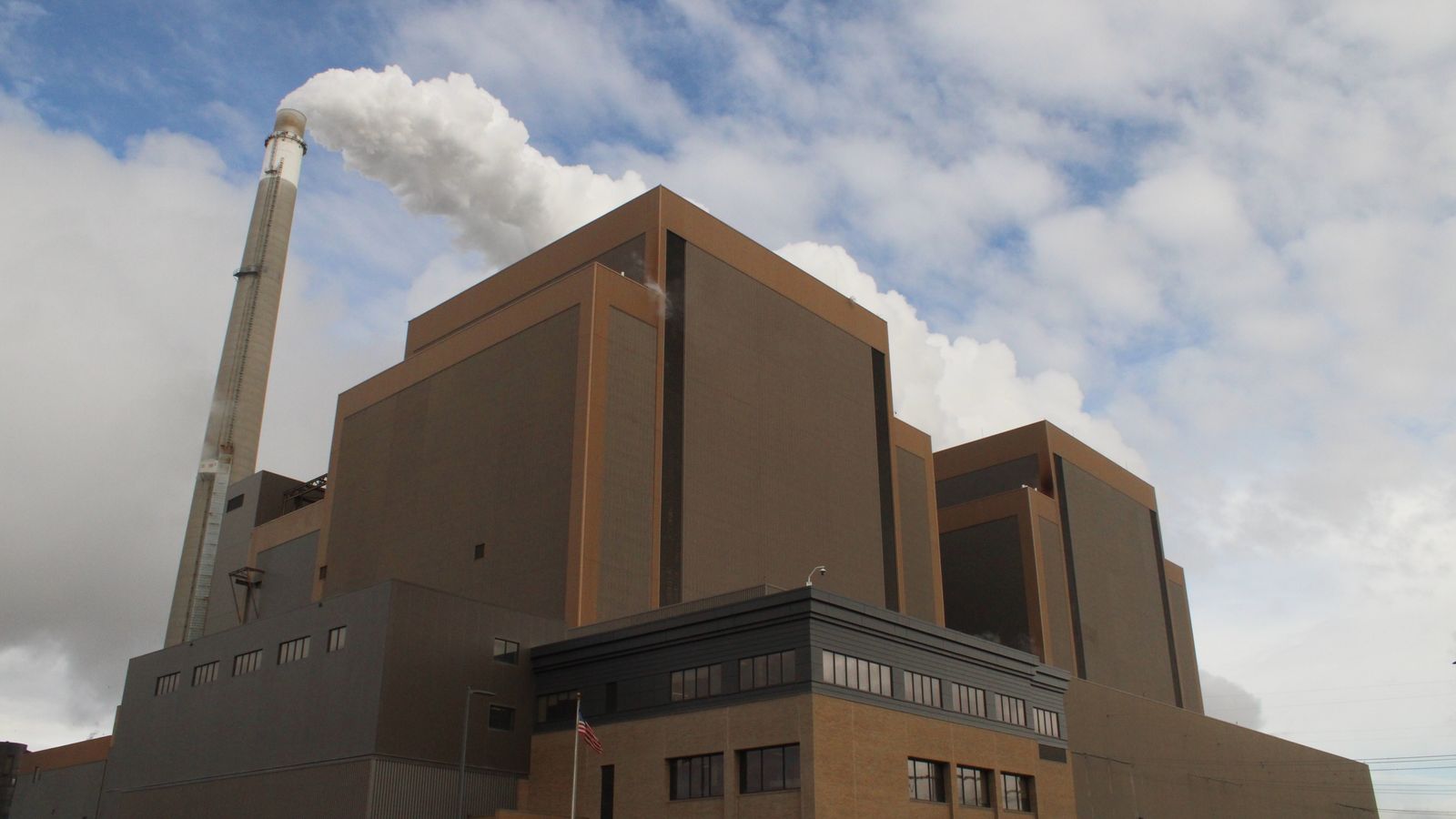
Rainbow, an independent power producer that sells power to commercial enterprises and utilities, did not respond to emails and calls from Buffalo’s Fire before the publishing date. The company also owns Coal Creek Station, North Dakota’s largest coal-fired power plant.
According to the companies, the 36-inch wide pipeline has a capacity of 1.1 million dekatherms per day, potentially providing heat to several million homes, though it will mostly be used for industrial purposes. Intensity said the pipeline can support increased capacity to respond to future energy demands, including data centers.
Gabrielle Nelson
Former Environment Reporter
Sharing Is Caring
This article is not included in our Story Share & Care selection.
The content may only be reproduced with permission from the Indigenous Media Freedom Alliance. Please see our content sharing guidelines.
© Buffalo's Fire. All rights reserved.
We provide independent Native-focused reporting that gives our communities the context and the facts they need to make informed decisions.
Respect The Fire
At Buffalo's Fire, we value constructive dialogue that builds an informed Indian Country. To keep this space healthy, moderators will remove:
- Personal attacks, harassment, or hate speech
- Spam, misinformation, or unsolicited promotion
- Off-topic rants and excessive shouting (All Caps)
Let’s keep the fire burning with respect.