






Senate passes BAAJA legislation
Opponents say ‘deeply flawed’ permitting reform bill still a threat to tribal sovereignty as it moves to House

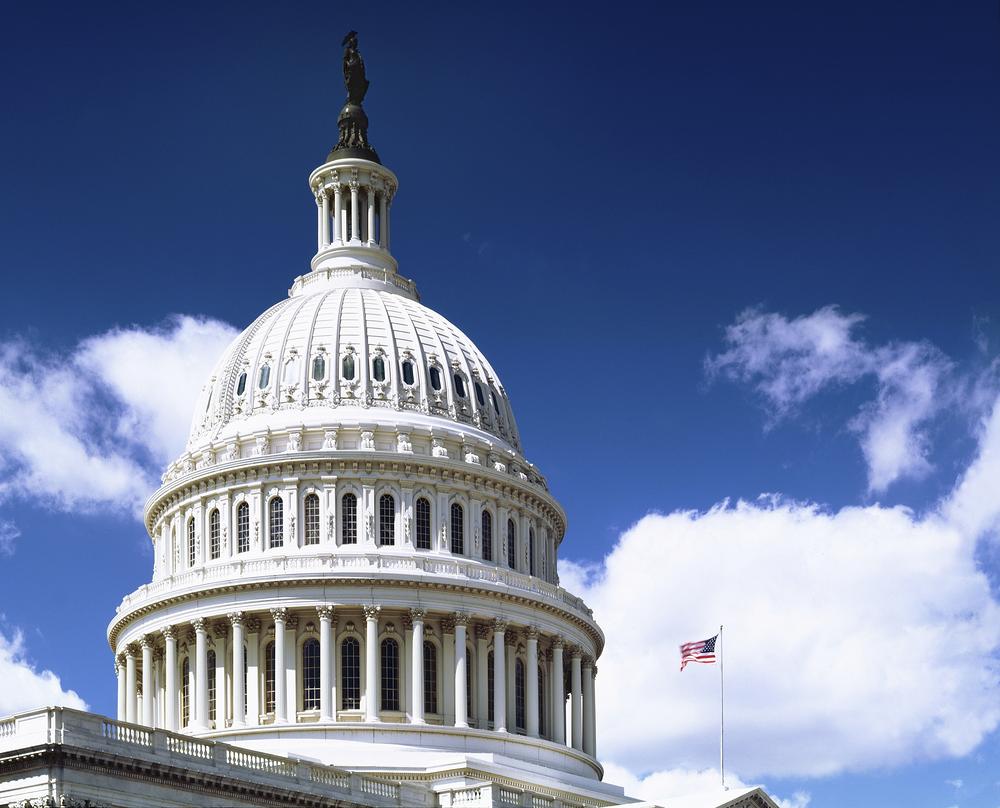

Senators voted 62-33 Thursday evening to advance the Bipartisan American Affordability and Jobs Act of 2026. The permitting reform bill, known as BAAJA, would accelerate development of energy and infrastructure projects. It now moves to the House, where it could face another testy negotiation over concerns that the proposal would harm tribal sovereignty and environmental protections.
BAAJA was introduced in September by senators Martin Heinrich (D-NM), Sheldon Whitehouse (D-RI), Shelley Moore Capito (R-WV) and Mike Lee (R-UT).
After it was passed, Heinrich thanked senators and said if signed into law by President Donald Trump, it could create more than 105,000 trade jobs and lower household electricity rates by 3 to 5%, with annual savings up to $50 million by 2040.
BAAJA, he said in a statement Thursday evening, “will get more affordable energy onto the grid faster, make data centers pay their fair share of electricity and grid costs, and create more than 100,000 good-paying American jobs. All while maintaining important environmental protections and strengthening Tribal consultation.”
The senate passed the bill with an amendment made by Heinrich and other sponsors that opponents said still limits tribal consultation by weakening the National Environmental Policy Act (NEPA), the National Historic Preservation Act (NHPA) and the Clean Water Act.
Just 15 Democrats voted for the bill, including Minority Leader Chuck Schumer from New York.
Two Republicans, Josh Hawley of Missouri and Mike Rounds from South Dakota, voted no along with 31 Democrats. Ben Luján (D-NM) said concerns from tribes led him to vote against the bill.
“I am disappointed that necessary changes were not made to address these concerns in the current legislation passed tonight,” he said in a social media post. “While I remain committed to advancing responsible permitting reform, I could not support legislation that fails to address the concerns of our Pueblo and environmental leaders.”
After the vote, Brent Leggs, president for the National Trust for Historic Preservation, called the bill “deeply flawed” and said it should be opposed by the House.
“Despite some limited improvements made during the Senate amendment process, the Historic Preservation Title retains provisions that give federal officials broad discretion to subordinate historic preservation to other considerations, potentially bypassing meaningful Section 106 review altogether. It allows federal officials to unilaterally determine that projects will have no adverse effect on historic properties,” he said in a statement.
House members are on recess until Nov. 30.
Sharing Is Caring
This article is not included in our Story Share & Care selection.
The content may only be reproduced with permission from the Indigenous Media Freedom Alliance. Please see our content sharing guidelines.
© Buffalo's Fire. All rights reserved.
We provide independent Native-focused reporting that gives our communities the context and the facts they need to make informed decisions.

Respect The Fire
At Buffalo's Fire, we value constructive dialogue that builds an informed Indian Country. To keep this space healthy, moderators will remove:
- Personal attacks, harassment, or hate speech
- Spam, misinformation, or unsolicited promotion
- Off-topic rants and excessive shouting (All Caps)
Let’s keep the fire burning with respect.