






‘Oil and gas’ tribes begin voicing opposition to BAAJA as senators debate permitting reform proposal
MHA Nation and Northern Arapaho Tribe say reform must include tribal consultation measures

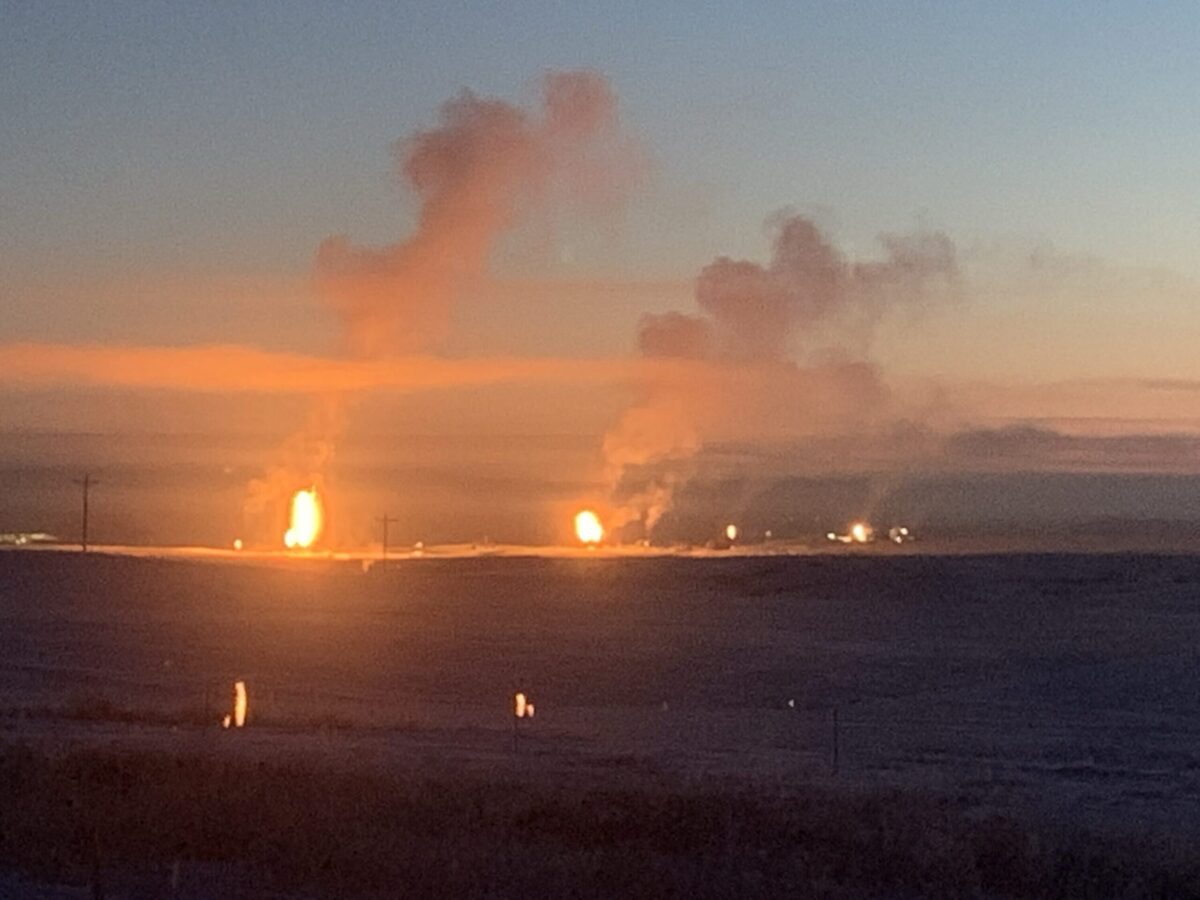

A growing number of tribal nations with energy priorities are stating opposition to a controversial legislative package that could dramatically reform federal permitting processes.
The Bipartisan American Affordability and Jobs Act of 2026, also known as BAAJA, is under debate in the Senate, specifically an amendment to address tribal, environmental and legal groups’ concerns that the reform would gut federal guardrails under the National Environmental Policy Act (NEPA), the National Historic Preservation Act (NHPA) and the Clean Water Act.
The amendment passed a procedural vote in the Senate on Wednesday, and the final bill appeared headed to a full floor vote. But disagreements on further changes, including on a proposal to fully address tribal concerns, stalled the process.
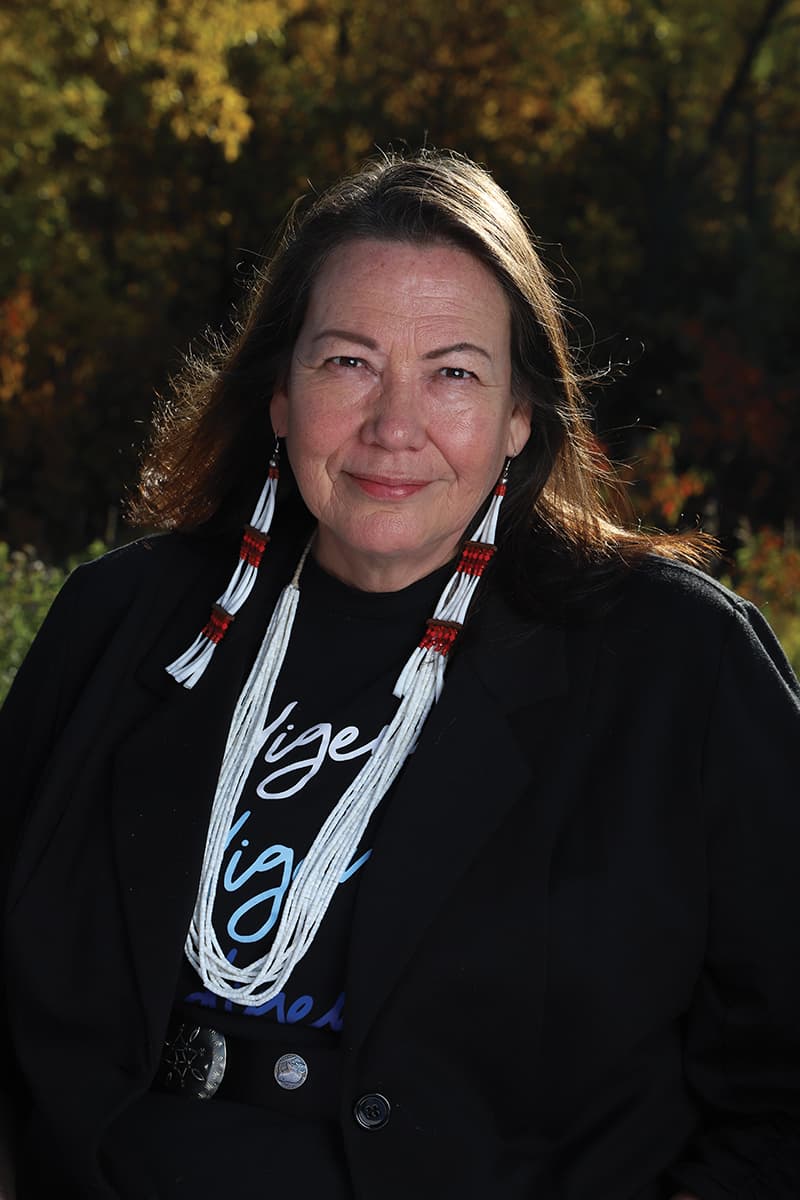
Chairman for the MHA Nation Darwin David Williams said in a statement Wednesday to Buffalo’s Fire that any congressional permitting reform must include “meaningful oversight and government-to-government consultation on decisions affecting our people, lands, wildlife, livestock, water, and cultural sites.”
Williams was elected Nov. 3 on a populist platform to reform the tribal government in North Dakota, a keystone in the region’s energy production. His statement publicly positions the MHA Nation with tribal groups that have opposed BAAJA since October.
If passed by the Senate, the bill would still have to go through the House before it could reach President Donald Trump’s desk for signature.
Sen. Martin Heinrich (D-NM), a co-sponsor of the bill, said the amendment would codify tribal consultation currently regulated by the NHPA. Opponents disagreed. According to the non-profit think tank Bipartisan Policy Center, the amendment does require federal agencies to consult with Tribal Historic Preservation Officers for any development project that could impact tribes. But according to the center’s analysis, the amendment removes definition language from NHPA about guidance on handling development plans in areas that have traditional religious or cultural value to tribes — a major objection that cemented tribal opposition.
A statement Tuesday from the National Congress of American Indians said the bill still does not address those concerns.
“The protections threatened by BAAJA are not simply procedural requirements,” according to NCAI’s statement. “They reflect longstanding federal obligations to Native Nations and are essential to protecting sacred places, ancestral lands, cultural heritage, and the histories of Native Peoples. Weakening these protections has consequences that cannot be undone through subsequent amendments or administrative action.”
NCAI’s membership does not include people from all 575 federally recognized tribal nations, but it does gather a census from the hundreds of tribes that participate with the group. Its position on sacred site protections and the potential harm to tribal sovereignty from BAAJA has generated support by Native people and tribal governments across the country.
The BAAJA debate did split tribal interests. The Coalition of Large Tribes (COLT), a group that represents the MHA, Navajo, Ute, Crow and dozens of other large land based tribes, reportedly offered to help senators draft portions of the bill that many other tribes opposed. This news caused the Northern Arapaho Tribe to leave its membership with COLT on Nov. 16.
Keenan Groesbeck, Northern Arapaho business council chairman, released a public statement saying that COLT’s executive director, OJ Semans, did not consult with member tribes before working with senators on amendments to the bill.
“While Indian Country was working toward a unified position, COLT leadership appeared to be pursuing a separate legislative strategy without a clear mandate from its member tribes,” Groesbeck wrote. “The oil and gas industry is currently aggressively lobbying Congress to advance its permitting priorities, while Tribal Nations are increasingly characterized as obstacles to development.”
Groesbeck’s statement said Northern Arapaho understands the importance of energy development to support economic growth for tribal communities and that it is not completely opposed to permitting reform.
“The Northern Arapaho Tribe is an oil and gas tribe,” Groesbeck wrote. “We are opposed to reforms that diminish Tribal sovereignty and advance corporate interests at the expense of Tribal Nations.”
Williams’s statement emphasized that MHA has been an “oil-producing Nation” for more than 20 years, and that energy development and infrastructure support is vital to the tribe’s services and economic opportunities.
“Outside economic progress must respect our sovereignty and protect the well-being of our people for generations to come,” Williams said. “I must be clear that Nations should have the time, information, and authority to evaluate projects and address their impacts. As Chairman of the MHA Nation, I will put our people first because it is our responsibility to ensure that development serves our Nation and honors the generations who will inherit it.”
Sharing Is Caring
This article is not included in our Story Share & Care selection.
The content may only be reproduced with permission from the Indigenous Media Freedom Alliance. Please see our content sharing guidelines.
© Buffalo's Fire. All rights reserved.
We provide independent Native-focused reporting that gives our communities the context and the facts they need to make informed decisions.
Respect The Fire
At Buffalo's Fire, we value constructive dialogue that builds an informed Indian Country. To keep this space healthy, moderators will remove:
- Personal attacks, harassment, or hate speech
- Spam, misinformation, or unsolicited promotion
- Off-topic rants and excessive shouting (All Caps)
Let’s keep the fire burning with respect.