






Prehistoric canoe ‘parking lot’ found in Wisconsin lake
Archaeologists and tribal preservation officers uncover a 5,000-year-old underwater network that functioned like a modern "ride-share" system
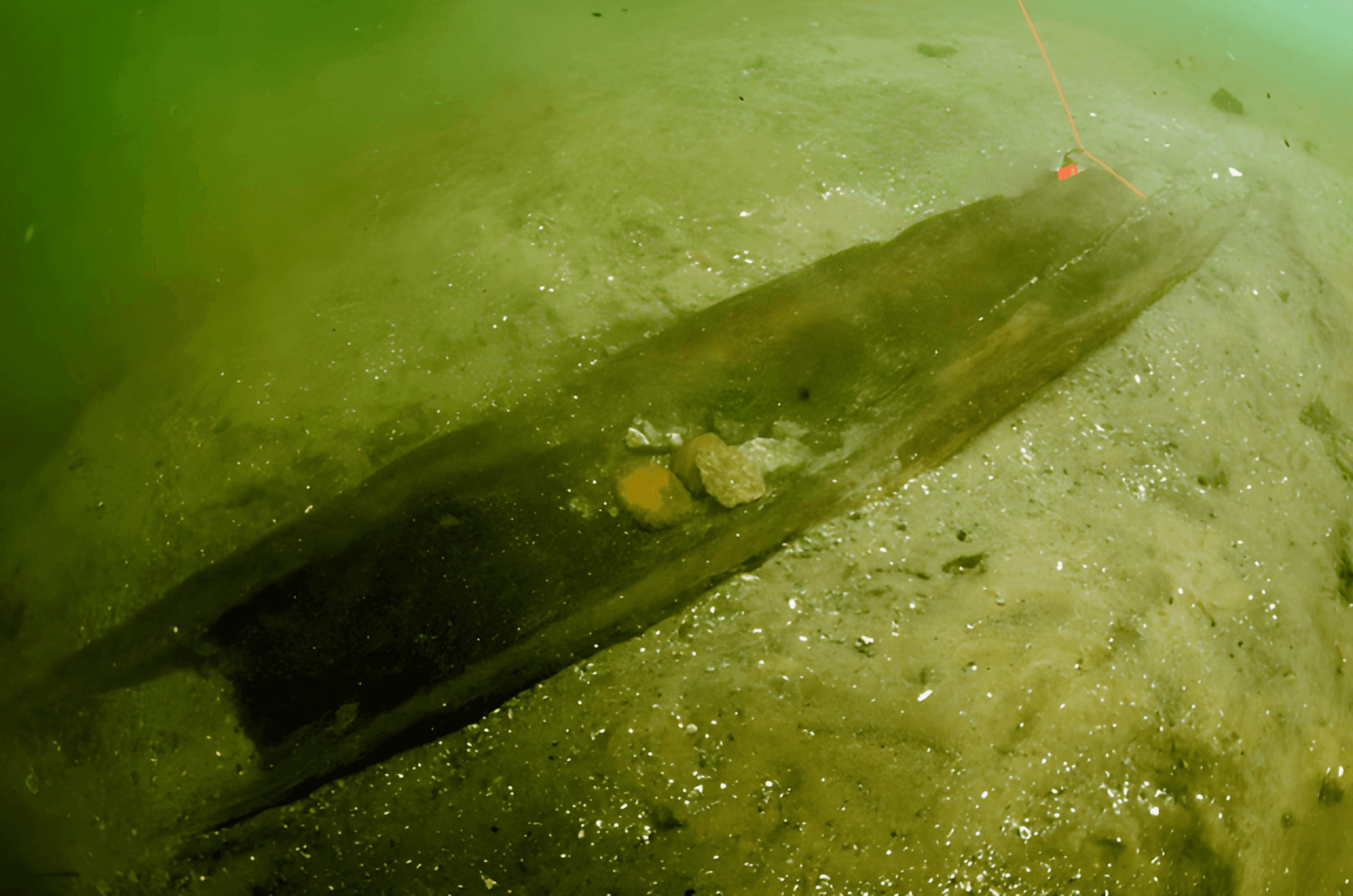
Archaeologists have found 16 canoes submerged in Lake Mendota, in Madison, Wisconsin. The Associated Press reports that they range from 1,200 to 5,200 years old and that researchers believe early Indigenous people deliberately left them near a network of trails for anyone to use as they needed, comparable to a modern bike-share service.
The Wisconsin Historical Society made the announcement. The organization’s maritime archaeologist, Tamara Thomsen, said users would usually bury canoes in sediment in waist- to chest-deep water to keep them from drying out or freezing.
The discoveries began in 2021 and were accomplished with the help of Sissel Schroeder, a UW-Madison professor who specializes in Native American culture, and preservation officers with the Ho-Chunk Nation and the Bad River Band of Lake Superior Chippewa.
It’s believed that early Indigenous travelers may have been going to Lake Wingra, a large lake on the south side of Madison, Amy Rosebrough, the state archaeologist, said in a Wisconsin Historical Society release. Rosebrough added that the Madison area is part of the Ho-Chunk Nation’s ancestral homeland, and one of the springs that feeds into it was believed to be a portal to the spirit world.
AP reported that the Ho-Chunk’s tribal preservation officer, Bill Quackenbush, said in a news release, “The canoes remind us how long our people have lived in this region and how deeply connected we remain to these waters and lands.”
- 1.
We provide independent Native-focused reporting that gives our communities the context and the facts they need to make informed decisions.