





Suquamish educators adapt plant teachings as climate shifts harvesting cycles
Shifting heat, drought and rainfall are changing harvest timing for traditional plants and forcing updates to classes and food practices
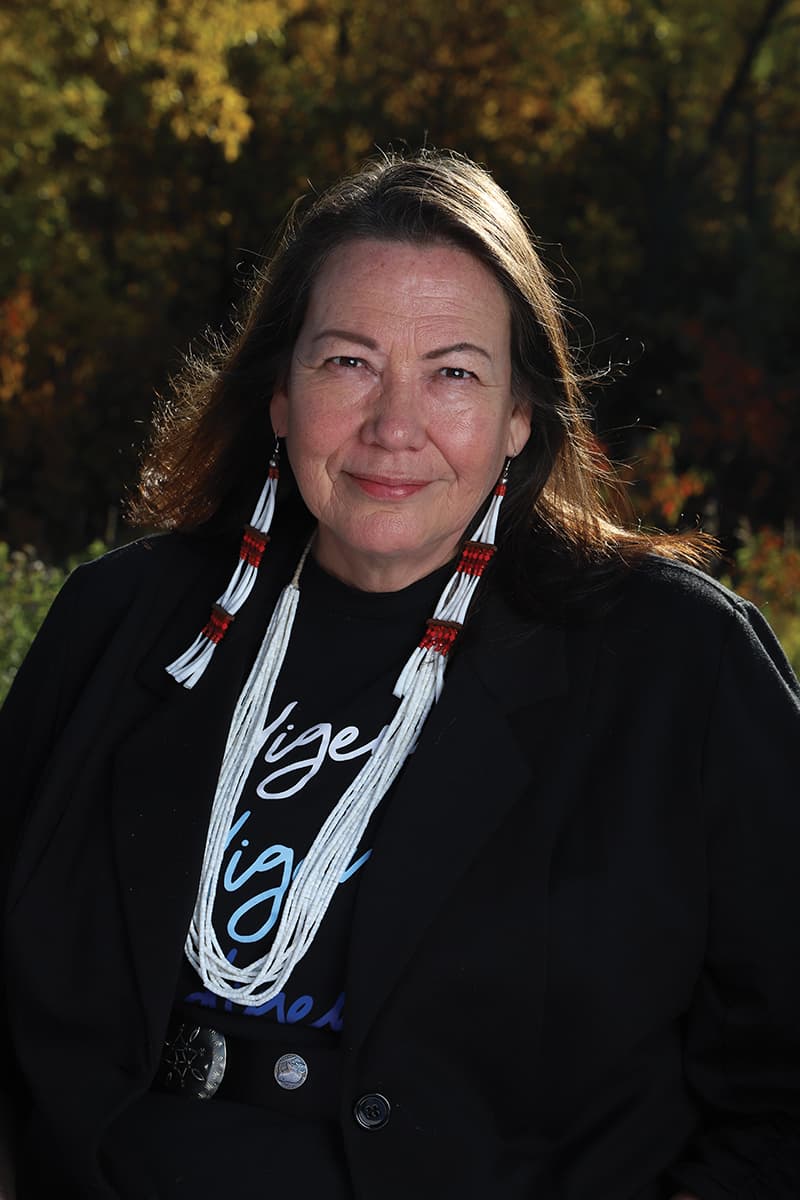
The Suquamish Tribe is adjusting how it teaches and harvests traditional plants as climate change alters long-standing growing cycles, according to Underscore Native News and Report for America. Azure Bouré, a Suquamish Tribal Council member and the tribe’s traditional food and medicine program coordinator, said shifting seasonal markers have changed when plants can be gathered and used for food and medicine. Bouré teaches community members, including youth, how to identify, harvest and prepare plants through the tribe’s Traditional Food and Medicine Program.
According to Underscore Native News and Report for America, Bouré and Suquamish elder Kippie Joe said plants including maple blossoms, rosehips, nettle and cedar have become less predictable because of heat, drought and changing rainfall. Bouré said the changes have required adjustments to classes and harvesting plans, while Joe said cedar harvests are smaller and harder to time, affecting how knowledge is passed to younger generations.
- 1.
We provide independent Native-focused reporting that gives our communities the context and the facts they need to make informed decisions.