






Native administrators rail against Trump’s proposed elimination of funds for TCUs
The administration has attacked tribal education second year in a row

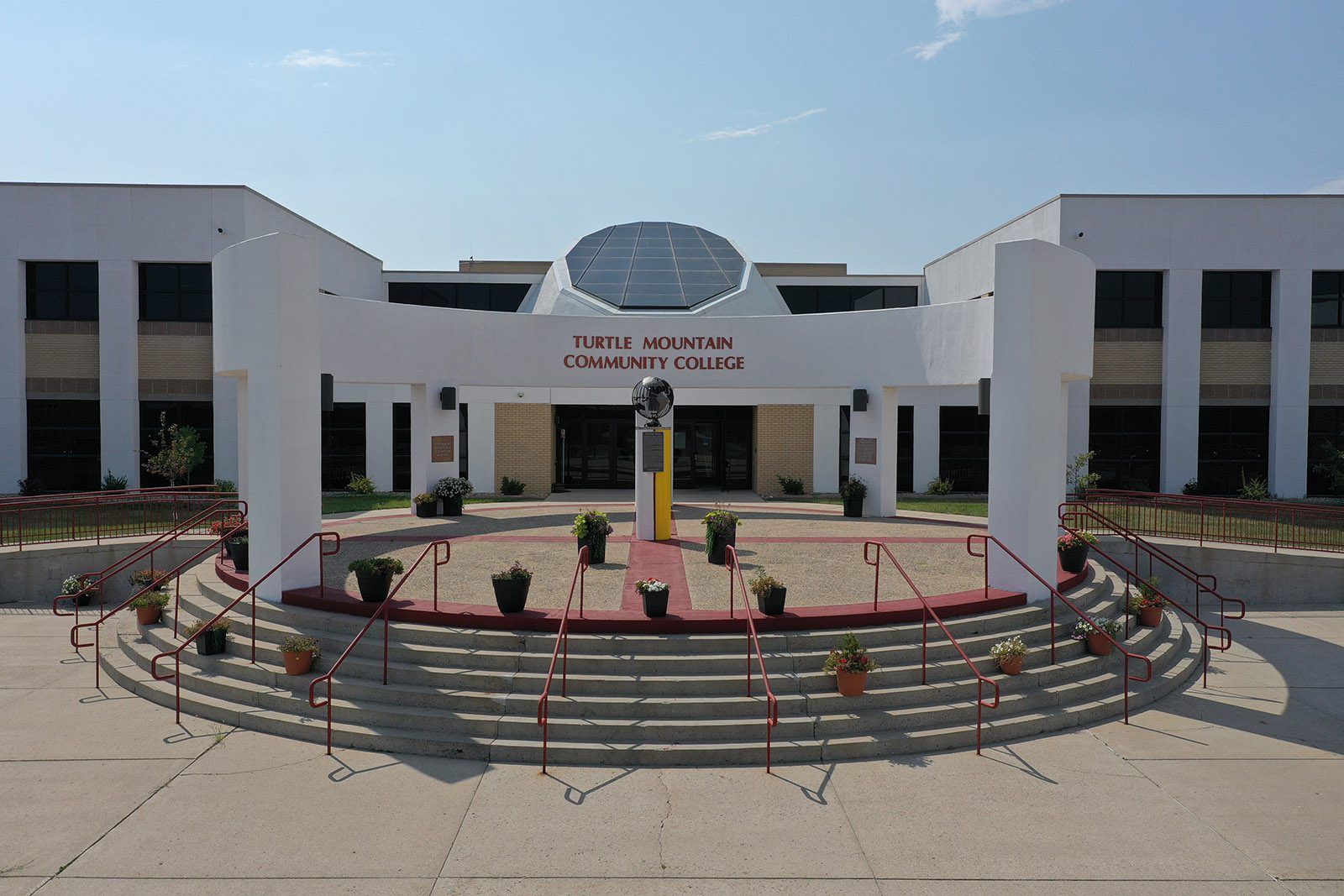

All Wanda Parisien wanted to think about this month was preparing Turtle Mountain Community College for its spring graduation ceremony.
“Our students are graduating May 15th,” she told Buffalo’s Fire. “Our administrative team doesn't want to have to worry about what's going to happen next year.”
The Turtle Mountain Band of Chippewa established the college in 1972, during an era in which higher education was seen as key to Native empowerment. Starting with barely five dozen enrolled students in its earliest years, the college now has between 800 to 900 students across three campuses.
But threats to government support mean those numbers could soon drop. The Trump administration's proposed budget for fiscal year 2027 aims to cut all dedicated funding for the nation’s Tribal Colleges and Universities as well as for two institutions operated by the Bureau of Indian Education: the Southwestern Indian Polytechnic Institute in New Mexico and Haskell Indian Nations University in Kansas.
This marks the second year in a row the Interior Department has proposed such cuts under the leadership of former North Dakota Governor Doug Burgum. The DOI budget slashes $160 million from TCUs, tribal technical colleges and BIE-operated institutes or scholarships — dropping federal funding to zero. A request to the Interior Department for a comment from Secretary Burgum went unanswered.
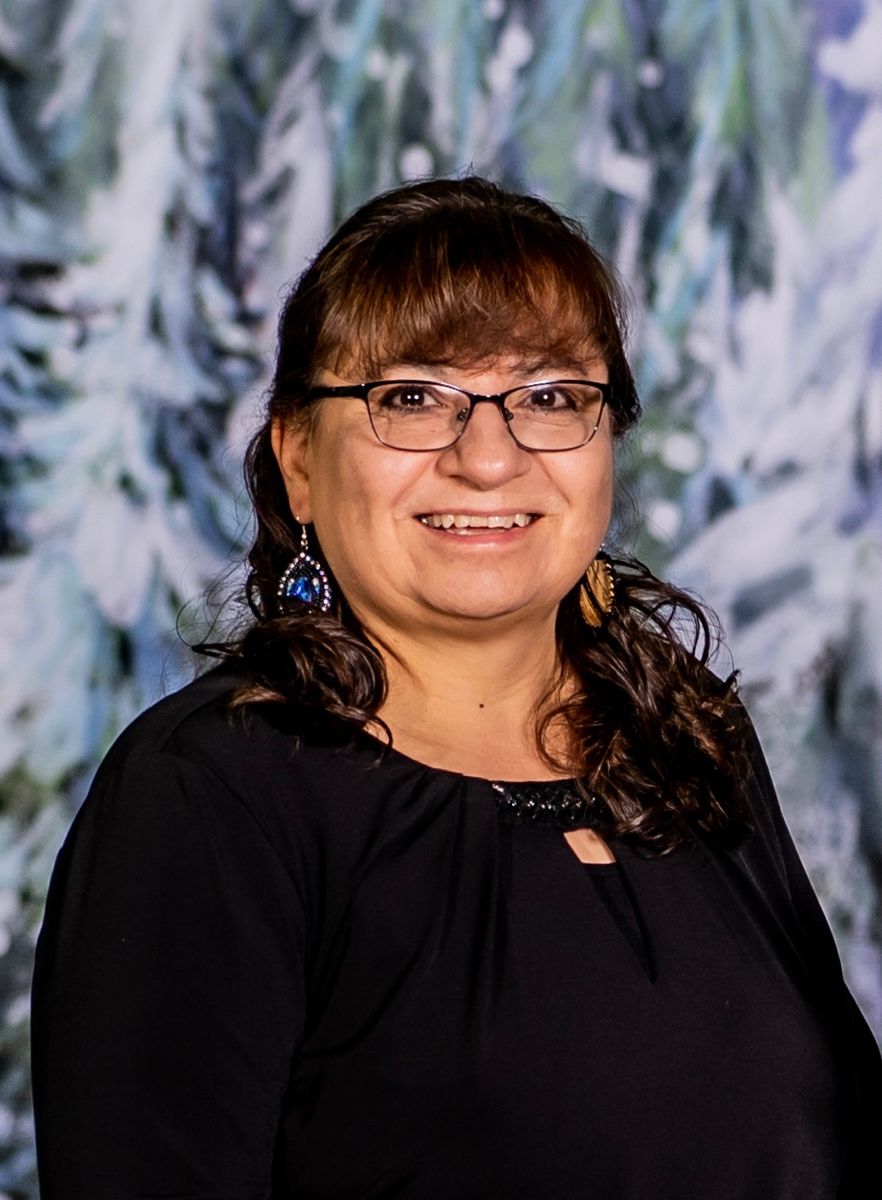
Parisien said without such funding Turtle Mountain Community College would have to cut programs and raise tuition, likely resulting in a drop in student enrollment. “It's disheartening really, because it seems like the tribal colleges are always the focal point of, ‘Let's cut there,’ and it's unfair,” said Parisien.
Last year’s proposed budget cuts never came to pass, and she said she’s “hoping and praying” that this new round will also fail to materialize. But if it does, she said, “We're not gonna have the money to pay our instructors. It's like a ripple effect. We don't want to do that. We live in a poverty stricken area.”
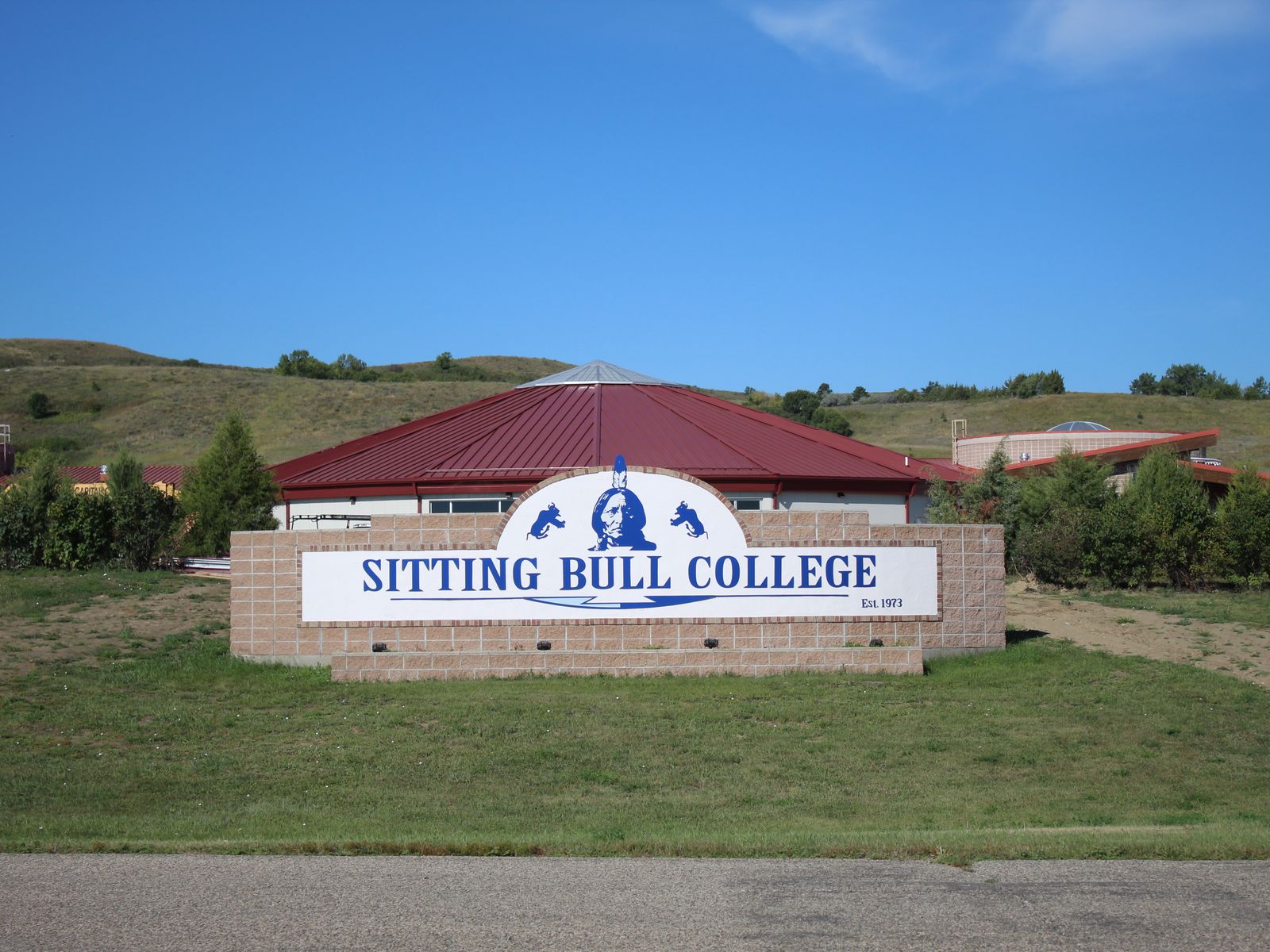
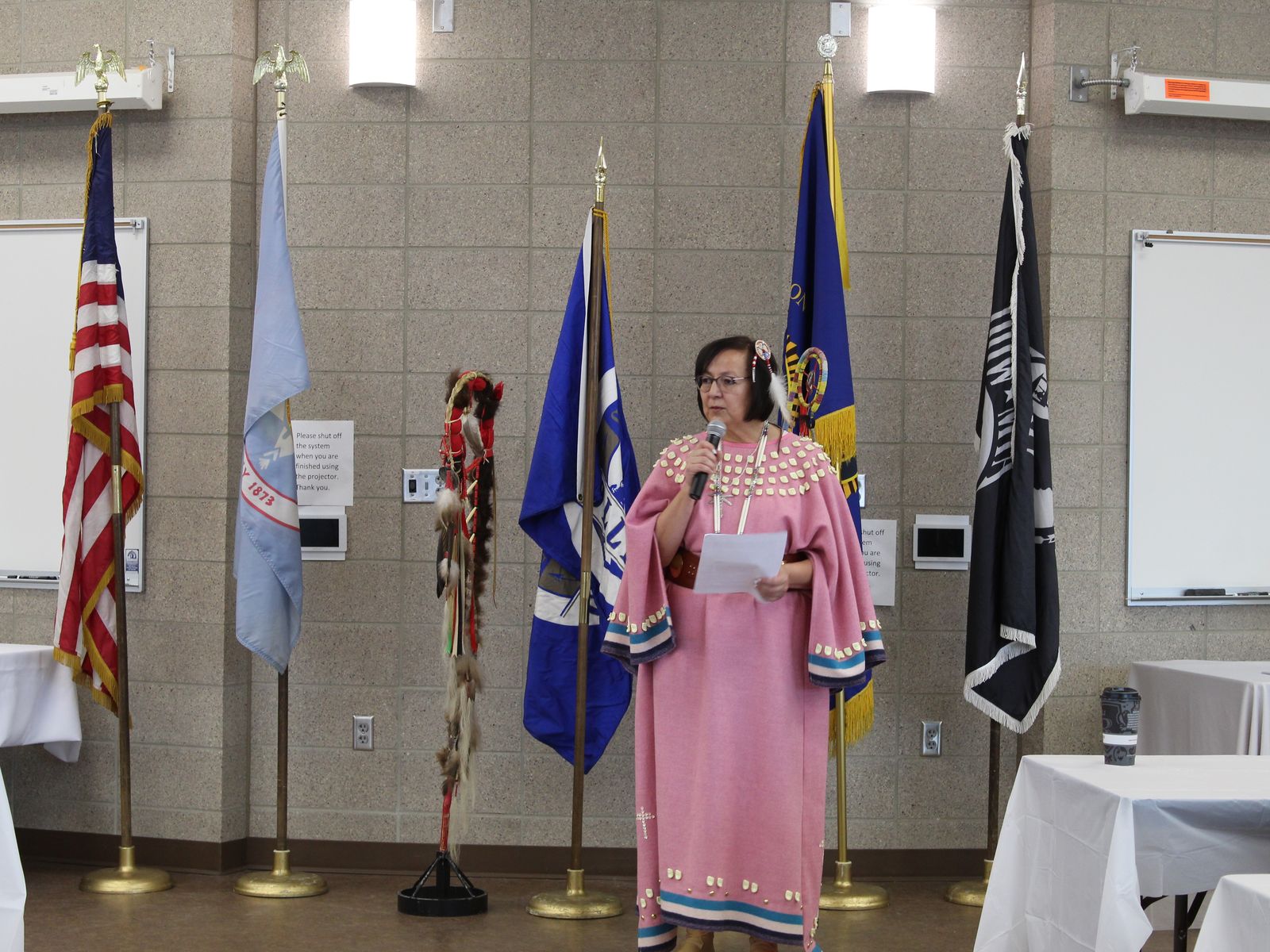
Another affected North Dakota institution is Sitting Bull College, which was established by the Standing Rock Sioux Tribe in 1973. Its president, Tomi Kay Phillips, doesn’t understand why the Interior Department has proposed cutting all funds to tribal colleges.
“The Interior has the federal government’s clearest trust and treaty responsibility to tribal nations,” said Phillips. “Its support for TCUs should be leading. They should be working to make sure that we are taken care of.”
Sitting Bull College has between 320 and 340 students, according to Phillips. Enrollment took a hit during the COVID-19 pandemic, but she said the numbers have been steadily rising. Their most popular programs include business and nursing.
“Right now, our nurses have jobs by the time they graduate,” she added. As for the assurances she can give students in this time of uncertainty, Phillips said she and other campus administrators will always look out for them. “We will never falter from that. Our students are always first and foremost.”
In a statement released April 6, the American Indian Higher Education Consortium said it was “deeply concerned” that President Trump’s budget “does not align with the Administration’s stated policies to support rural America and expand access to higher education.”
The statement pointed out that in fiscal year 2022-2023, “TCUs generated $3.8 billion in economic growth for the United States and supported more than 40,700 jobs across key sectors, including healthcare, government, retail, and professional services. Every federal dollar invested in TCUs returns $1.60 in tax revenue, demonstrating the efficiency and impact of this investment.”
Twyla Baker, president of Nueta, Hidatsa and Sahnish Community College, echoed that economic argument. The Three Affiliated Tribes of the Fort Berthold Reservation in New Town, North Dakota, founded the college, which has between 250 and 300 students each term.
“Our best response is really to work with our congressional representatives, and fortunately for the schools in North Dakota, our representatives are highly cognizant of the fact that we are economic drivers in our communities,” Baker said.
Like Parisien, she’d much rather have her energy and attention focused on running her college. But now she has to focus on navigating what she considers a “poorly thought out plan” from the Trump administration that she said “does not serve the promise that was made to rural America.”
All three administrators say this battle for funding and survival is especially dire under President Trump’s administration. Parisien says prejudices directed at minorities threaten the future education of Native students.
“The treaties that were signed, we were supposed to be able to have this education,” said Parisien. “But now it seems like with Trump, we have to worry about what's going to happen.”
Phillips suspects that eventually TCUs will get the funding. Last year, a few months after Trump announced cuts for TCUs, his administration moved $500 million to them and historically Black institutions from Hispanic-serving institutions. The AIHEC said it was a one-time $56.2 million funding increase for TCUs. It’s unclear if that would happen again, or if a protracted battle involving lawmakers and the courts is on the horizon.
“As Native American people, we adapt. We make do with what we have, if we have to,” she added. “We'll always be OK because we know how to do that. Our ancestors went through worse things. And we will always be OK.”
In an email toBuffalo’s Fire, AIHEC had a more dire outlook: “Tribal Colleges and Universities by necessity rely on core, operational funding from across several different federal agencies just to keep their lights on and their doors open. Think of it like the legs of a stool: if you knock one leg out, the whole thing falls over. The funding that Tribal Colleges and Universities receive from the Department of the Interior is their single most important source of operational funds. Without these funds, every single Tribal College and University would have to close their doors."
Sharing Is Caring
This article is not included in our Story Share & Care selection.
The content may only be reproduced with permission from the Indigenous Media Freedom Alliance. Please see our content sharing guidelines.
© Buffalo's Fire. All rights reserved.
We provide independent Native-focused reporting that gives our communities the context and the facts they need to make informed decisions.
Respect The Fire
At Buffalo's Fire, we value constructive dialogue that builds an informed Indian Country. To keep this space healthy, moderators will remove:
- Personal attacks, harassment, or hate speech
- Spam, misinformation, or unsolicited promotion
- Off-topic rants and excessive shouting (All Caps)
Let’s keep the fire burning with respect.