




LGBTQ+ and Two Spirit MMIP advocates push for inclusion
‘The system often fails our relatives twice: once through violence and again through the paperwork’: Native LGBTQ+ community calls for data sovereignty, gender inclusive language and culturally relevant resources

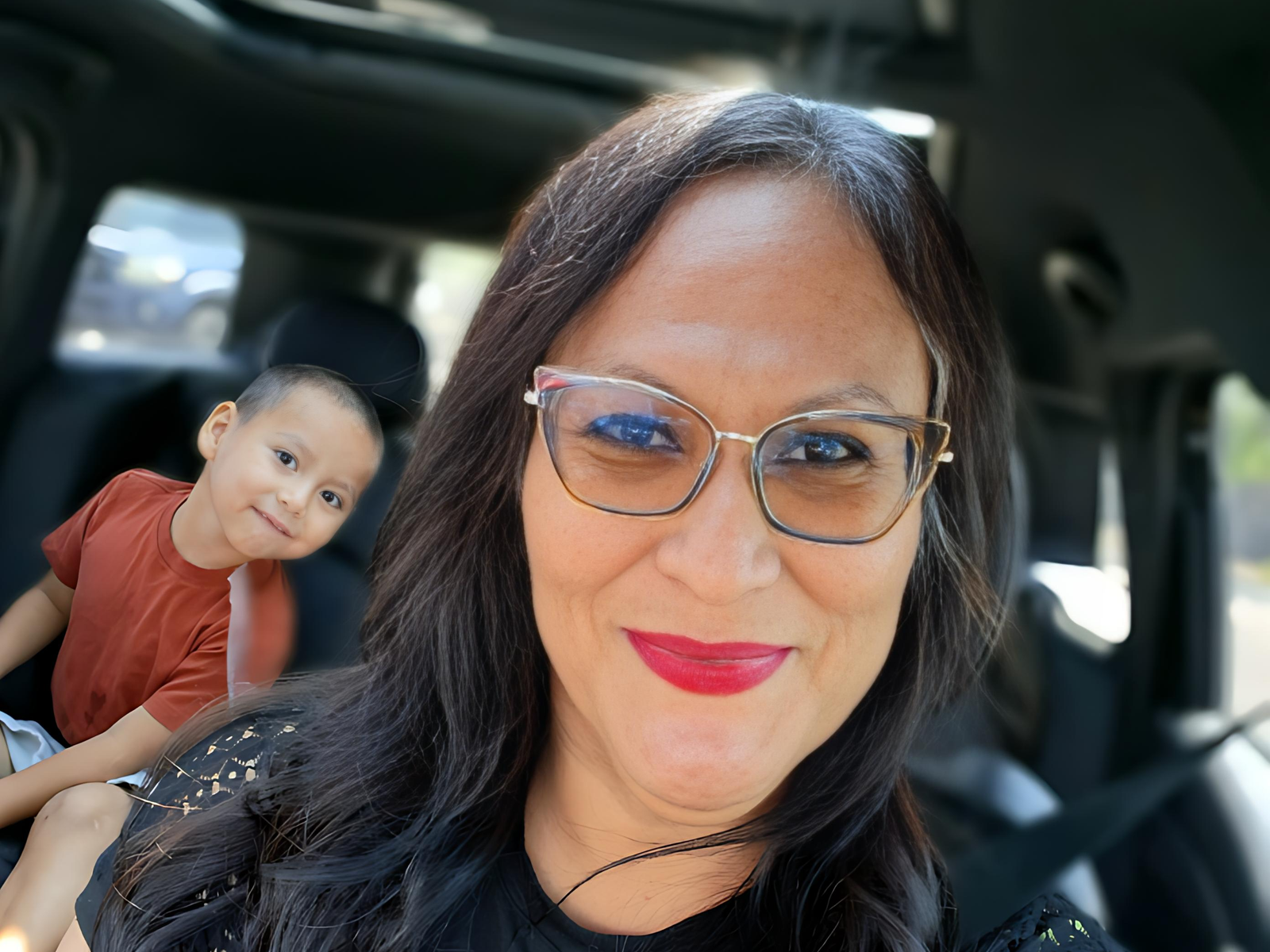
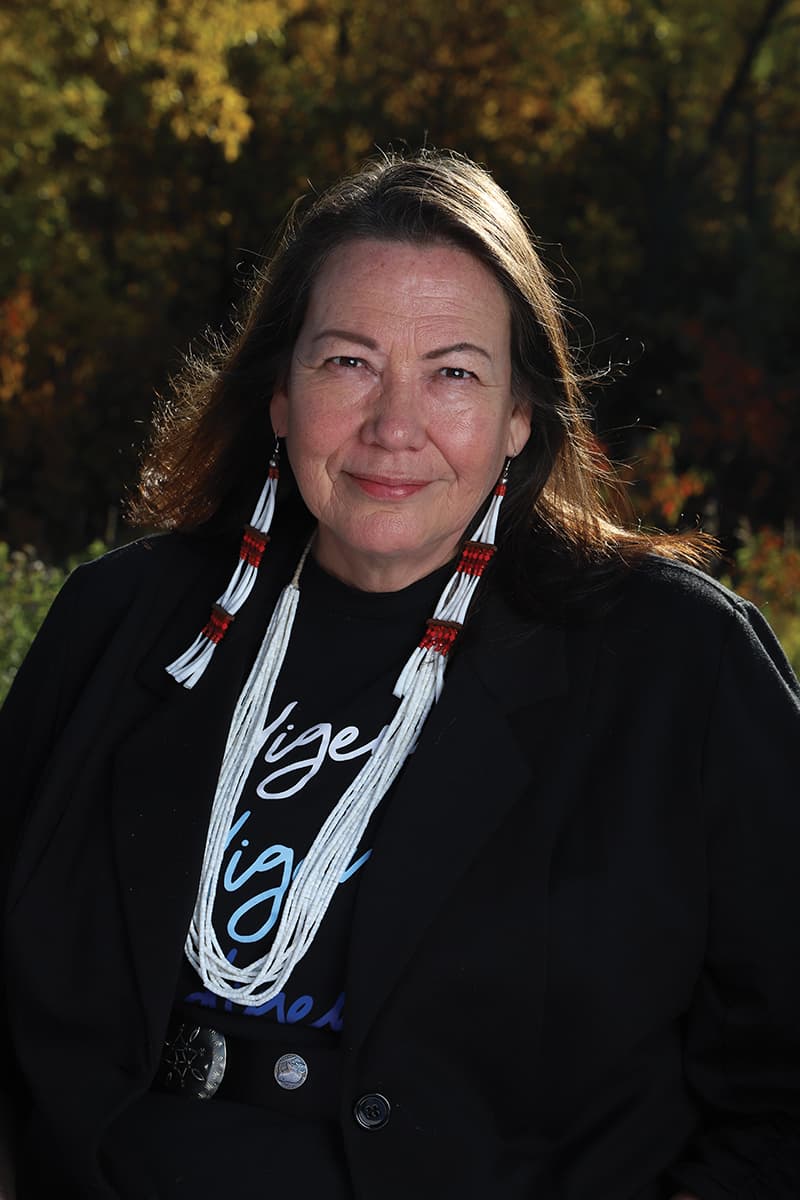
Renae Swope, a Navajo transgender woman, recently stood in front of her tribal council, saying the names and recounting the stories of her murdered LGBTQ+ Native friends whose cases have grown cold. Her words were followed by silence.
“There was no reaction to the stories I tell,” Swope told Buffalo’s Fire.
Swope has long been an advocate for LGBTQ+ people, whom she describes as targets within the MMIP crisis. As a member of the Missing and Murdered Diné Relatives Coalition and the MMDR Task Force, Swope says she is committed to making sure LGBTQ+ voices are heard.
But with few tribes integrating policies that protect LGBTQ+ individuals, and MMIP data often not including preferred pronouns and sexuality, she says there is a gap in services and solutions available to these communities.
Swope has provided training to tribal police on how to work with LGBTQ+ populations, submitted recommendations and best practices for policies and advocates for data sovereignty. This is just the start of what needs to be done, she says.
Since 2013, 84.4% of transgender or non-binary people who were murdered were people of color, with roughly 38% of transgender and gender non-conforming murders failing to result in an arrest. “The numbers are a cry for help,” Swope later wrote in an email. “We have to recognize that this violence is the ‘gateway’ to a disappearance.”
Lenny Hayes, a Two Spirit gay male, has been an advocate for violence prevention within LGBTQ+ spaces since 2010. Hayes said while each tribe has its own understanding of what it means to be Two Spirit, Two Spirit people are usually seen as having both male and female spirits, though each individual has their own perspective.
As a Two Spirit advocate, Hayes sees a need for services that combine LGBTQ+ resources and resources designed for Native people.
“That’s what drives me to do this work, because I know a lot of our Native LGBTQ men and boys are suffering,” Hayes said. “Because of this, a lot of them have left tribal communities seeking resources that do not work for them because it's in a LGBTQ lens not a Native lens.”
This realization led Hayes to become a therapist. As the executive director of Tate Topa Consulting, Hayes offers counseling to other Native LGBTQ+ individuals and created a national healing space via Zoom, which meets once a month for survivors of violence and their family members.
Hayes said within two years, five LGBTQ+ or Two Spirit individuals from the Sisseton Wahpeton Oyate, Hayes’s own tribe, died by violence. One of them was a close friend whose killer still has not been found. This led Hayes to start advocating for missing and murdered Indigenous people.
“These families, they specifically asked me to continue to tell their stories because they wanted the public to know the struggles of individuals who identify as Two Spirit or LGBTQ+, but they also didn't want them to be forgotten.”
Hayes is currently a member of the Minnesota MMIR advisory board and has advocated across the United States for more inclusive language that recognizes more than just cisgender individuals. In 2024, Hayes spoke at the White House about issues impacting Two Spirit individuals.
Being invited to speak instead of being spoken for, Hayes said, is an important step toward inclusivity. “Let us have a seat at the table,” Hayes added.
Carmen O’Leary, director of Native Women’s Society, a tribal coalition of two dozen organizations providing health and safety services in the Great Plains, said all victim services organizations are legally required to offer services to people regardless of gender or sexuality. But when it comes to services specific to LGBTQ+ and Two-Spirit people, resources are slim.
And with the Trump administration’s hostile stance on diversity, equity and inclusion, O’Leary said the Native Women’s Society had started working to change gender-inclusive language to only represent cisgender males and females. But tribes pushed back, she said, saying the administration’s stance on DEI does not apply to tribal nations because they are culturally specific groups.
O’Leary said the Trump administration didn’t make Native Women’s Society change their policies, but “that could change overnight.” O’Leary said organizations within Native Women’s Society are required to complete 40 hours of victim services certification training, which includes some information on LGBTQ+ awareness, the difference between gender identification and sexual preference and challenges unique to LGBTQ+ relationships.
“A lot of the factors that make them afraid to get help are different,” O’Leary said, adding that an intimate partner could threaten to “out them.”
O’Leary said, “There’s just a whole bunch of different dynamics around violence in an LGBTQ relationship.”
Deanna Gomez, director of Cheyenne River Sioux Tribe Family Violence Prevention Services, one of the organizations in Native Women’s Society, said the services they provide are the same across the board, regardless of sexuality or gender.
Swope said there should be resources specific to LGBTQ+ and Two Spirit individuals, adding these communities feel safe when they are included in policies and services.
In 2019, the Oglala Sioux Tribe became the first federally recognized tribe to enact a law protecting LGBTQ+ tribal citizens from hate crimes.
“Language is more than just a label; it’s medicine,” Swope said over email. “When we only talk about ‘women,’ we unintentionally leave our gender-diverse relatives out in the cold.”
Swope said there is also a need for data that tracks sexuality and gender identities, adding that police often misgender transgender individuals or use legal names when filing a missing persons report.
“The data void is a second disappearance. It’s heartbreaking, but the system often fails our relatives twice: once through violence and again through the paperwork,” Swope said.
Another recommendation Swope submitted to the MMDR task force includes mandatory training for cultural competency for victim services workers, investigators and police departments.
“At the end of the day, this isn't just a policy issue; it's a kinship issue,” Swope said in an email. “We’ll know we’re winning this fight when every Two Spirit child in our community grows up knowing they are sacred and protected, and that if they ever go missing, the entire Nation will come looking for them.”
References
- 1.
- 2.
- 3.
- 4.
Sharing Is Caring
This article is not included in our Story Share & Care selection.
The content may only be reproduced with permission from the Indigenous Media Freedom Alliance. Please see our content sharing guidelines.
© Buffalo's Fire. All rights reserved.
We provide independent Native-focused reporting that gives our communities the context and the facts they need to make informed decisions.
Respect The Fire
At Buffalo's Fire, we value constructive dialogue that builds an informed Indian Country. To keep this space healthy, moderators will remove:
- Personal attacks, harassment, or hate speech
- Spam, misinformation, or unsolicited promotion
- Off-topic rants and excessive shouting (All Caps)
Let’s keep the fire burning with respect.