






Amanda Blackhorse on the reality of hate mail
She linked the abuse to the legal fight over the Washington team’s trademarks


In a powerful first-person account originally published in ICT News, Navajo advocate Amanda Blackhorse pulled back the curtain on the visceral, daily hostility faced by those fighting to retire Native American mascots.
While the 2014 Trademark Trial and Appeal Board's decision to cancel the Washington football team's registrations was a legal victory, for Blackhorse, it triggered a massive surge in personal attacks.

“Nothing more, nothing less: Native mascotry promotes hatred toward Native people.”
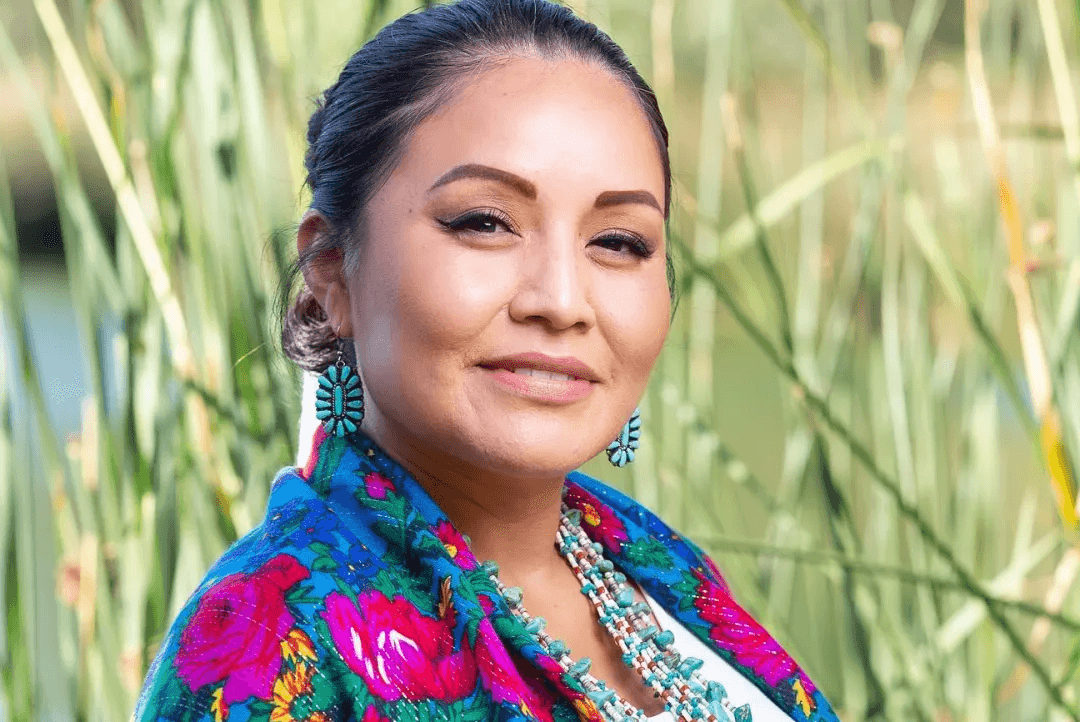
Managing her activism alongside the responsibilities of motherhood and daily life, Blackhorse describes an "other inbox" on social media overflowing with messages that are far from the "honoring" sentiment fans often claim the mascot represents.
Key Themes of the Hostility
The hate mail received by Blackhorse reveals a recurring pattern of racist tropes and aggressive behavior:
- Gendered Violence: Blackhorse notes that the vast majority of attacks come from men and are heavily laced with sexist slurs, highlighting the intersectional vulnerability of Native women.
- Weaponizing Social Issues: Harassers frequently invoked the high rates of suicide in Native communities, cruelly suggesting Blackhorse take her own life—a grim irony given that fans often cite "bigger issues" like suicide as reasons to ignore mascot advocacy.
- Economic Myths: Messages frequently relied on the "casino money" stereotype, assuming all Indigenous people receive payments from gaming. Blackhorse debunks this, noting her own Navajo citizenship and the diversity of tribal economies.
- The "Alcoholic" Trope: Despite Blackhorse’s personal sobriety of nearly a decade, she was frequently targeted with stereotypes regarding Native American alcoholism.
A Question for Ownership
Blackhorse concludes by questioning whether then-owner Dan Snyder and the Washington team leadership truly understood the brand they were defending. She argues that when a mascot promotes an environment where calling a woman an "R-skin" or a "squaw" is socially acceptable, it isn't "tradition"—it is a billion-dollar industry profiting off the degradation of a culture.
Read the original 2014 source article here: Blackhorse: The Hate Mail I Receive Is Hostile, Aggressive, Racist, and Sexist
From Resistance to Rebrand: The Timeline of Change
The journey from Amanda Blackhorse's 2014 legal victory to today's official rebranding as the Washington Commanders was a decade-long battle of attrition. Below are the pivotal steps that transformed the "R-skin" era into a closed chapter of NFL history.
- The Legal Spark (June 2014) The Trademark Trial and Appeal Board (TTAB) ruled in Blackhorse v. Pro-Football, Inc. that the team’s trademarks were disparaging to Native Americans. While this didn't force a name change immediately, it stripped the team of federal legal protections and ignited the surge of public debate (and harassment) Amanda documented.
- The Supreme Court Technicality (June 2017) In a separate case, Matal v. Tam, the Supreme Court ruled that the "disparagement clause" of the Lanham Act violated the First Amendment. This ruling allowed the Washington team to reclaim its trademarks, leading many to believe the name change fight was over.
- The Psychological Evidence During this era, social scientists—most notably Dr. Stephanie Fryberg—published landmark studies proving that Native mascots directly harmed the self-esteem and future aspirations of Indigenous youth. This shifted the argument from "offense" to "measurable psychological harm."
- The 2020 Corporate Breaking Point Following the national reckoning on racial justice in the summer of 2020, the pressure shifted from the courtroom to the boardroom. Major sponsors, including FedEx, Nike, and PepsiCo, threatened to terminate their relationships with the team. On July 13, 2020, the team officially retired the "Redskins" name and logo.
- The Final Rebrand (February 2, 2022) After two seasons playing as the "Washington Football Team," the franchise officially unveils its new identity: The Washington Commanders. This marks the final completion of the goal Amanda Blackhorse and her co-petitioners set out to achieve over a decade ago.
Sharing Is Caring
This article is not included in our Story Share & Care selection.
The content may only be reproduced with permission from the Indigenous Media Freedom Alliance. Please see our content sharing guidelines.
© Buffalo's Fire. All rights reserved.
Help us keep the fire burning, make a donation to Buffalo’s Fire
As a 501(c)(3) nonprofit, we exist to illuminate tribal government for everyone who cares about transparency in Native issues. Our work bridges the gap left by tribal-controlled media and non-Native, extractive journalism, providing the insights necessary for truly informed decision-making and a better quality of life. Because the consequences of restricted press freedom affect our communities every day, our trauma-informed reporting is rooted in a deep, firsthand expertise.
Every gift helps keep the fire burning. A monthly contribution makes the biggest impact. Cancel anytime.
Respect The Fire
At Buffalo's Fire, we value constructive dialogue that builds an informed Indian Country. To keep this space healthy, moderators will remove:
- Personal attacks, harassment, or hate speech
- Spam, misinformation, or unsolicited promotion
- Off-topic rants and excessive shouting (All Caps)
Let’s keep the fire burning with respect.