






April 22: Tribal Scene Radio with guests Francois Paulette and George Poitras

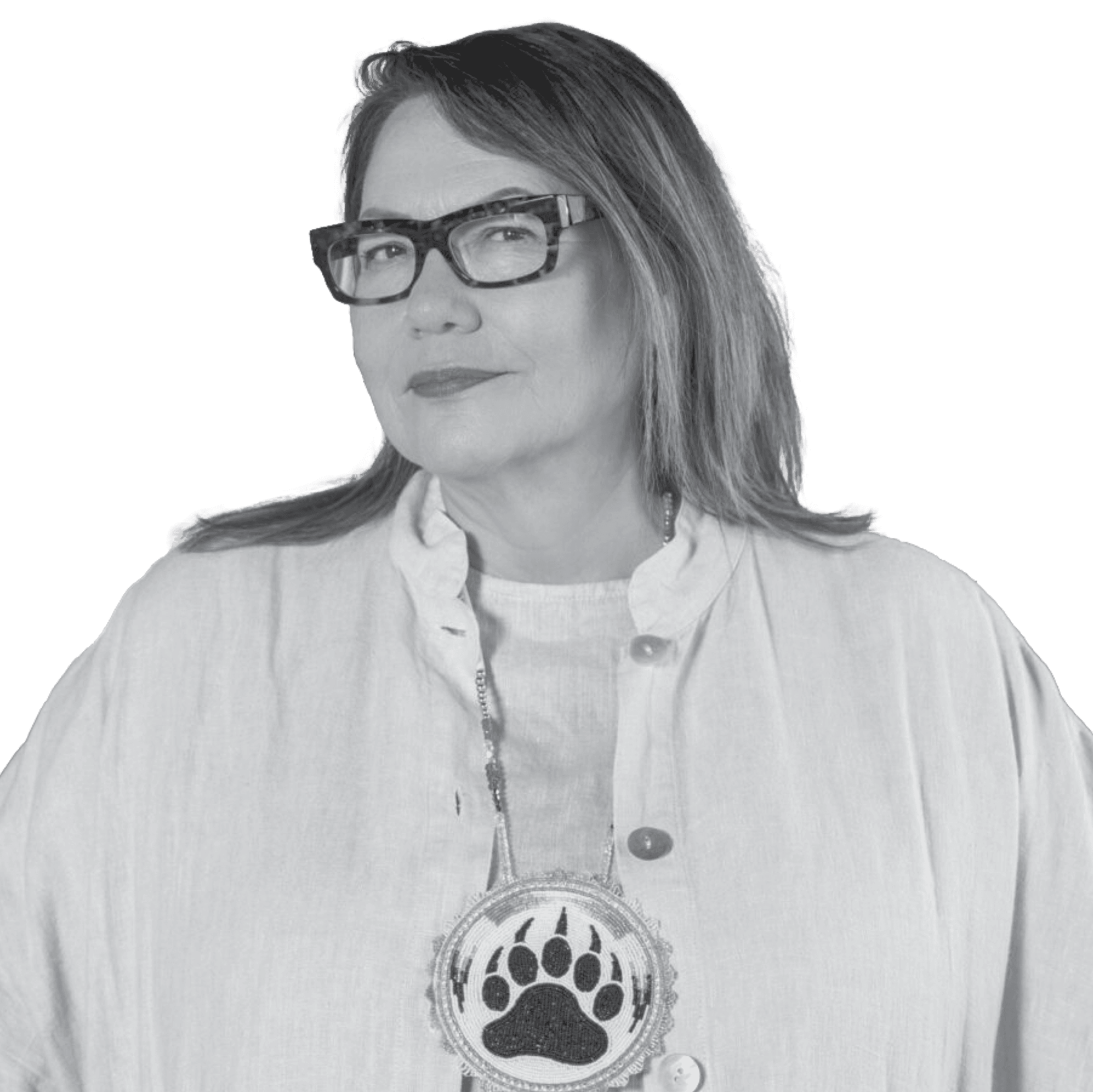
Good Day:Thanks for tuning in to Tribal Scene Radio, a native-themed program where I talk with news makers across North America. I’m Jodi Rave, the host. Today, we’re discussing the health and environmental affects arising from the tar sands, the world’s largest industrial project located just to the north of us in Alberta, Canada.
We have two guests in the KBGA studio for Tribal Scene Radio, Episode 30, including Dene Chief Francois Paulette. a member of the Smith’s Landing Treaty 8 First Nation. We’re also joined here today with George Poitras, the Industry and Governmental Consultation Coordinator of the Mikisew Cree First Nation. Both men were recently in Missoula for a premiere of "Tipping Point: The Age of the Oil Sands," a documentary that unveils the resource-intensive extraction process required to squeeze oil from sand. The tar sands mining operation covers an area as big as Greece. The United States is Canada’s top oil importer.
Paulette and Poitra share their stories about how the tar sands mining operations are damaging the health and environment of Canadian citizens. Oil companies, such as Exxon Mobile, use an extraction process and surface storage systems that allow toxic byproducts and chemicals to filter into groundwater. Paulette and Poitra share the experiences of people whose lives are being cut short due to contaminated food and water sources.
"We believe the extraction of oil from Canada's tar sands is having a devastating impact on our indigenous people. This year, a study confirms that there are elevated levels of rare and other cancers among indigenous residents who live directly downstream from the tar sands activity and that the contamination of our waters, snow, vegetation, wildlife and fish has grown exponentially in the past five years," Poitras told the Guardian. "This evidence, however, is never acknowledged by the Albertan or Canadian governments, or the oil companies investing in the tar sands, when they promote it globally as being "environmentally sustainable."
Film director James Cameron has joined forces with the First Nations environmentalists to bring awareness to tar sands mining. “The people in Fort Chipewyan are afraid to drink their own water," Cameron told Rosebud Magazine. "They’re afraid to eat the fish. They’re afraid to let their kids swim in the river,” said Cameron. “The idea of that is appalling to me, and for a community to live in fear like that, we need to look into this. [We need to] do the science and make sure that the science is transparent, open to the public - that it’s not funded by industry, but independent because we’re only at the beginning of it. Only two or three percent of the tar sands deposits are currently being mined. You guys are going to be at the center of a spotlight here that’s going to be a world spotlight.”
Cameron plans to release two more Avatar movies.
Jodi Rave
Note: I've been on the road between Yakama, Wash. and New Town, N.D. attending meetings on the Cobell settlement, which has kept me from regular postings. I am now back on track. I expect to post some updates about those meetings. Thanks for reading.
Jodi Rave Spotted Bear
(Mandan, Hidatsa/ Mniconjou Lakota)Founder & Editor in Chief
Spoken Languages: English
Topic Expertise: Federal trust relationship with American Indians; Indigenous issues ranging from spirituality and environment to education and land rights
Sharing Is Caring
This article is not included in our Story Share & Care selection.
The content may only be reproduced with permission from the Indigenous Media Freedom Alliance. Please see our content sharing guidelines.
© Buffalo's Fire. All rights reserved.
We provide independent Native-focused reporting that gives our communities the context and the facts they need to make informed decisions.
Respect The Fire
At Buffalo's Fire, we value constructive dialogue that builds an informed Indian Country. To keep this space healthy, moderators will remove:
- Personal attacks, harassment, or hate speech
- Spam, misinformation, or unsolicited promotion
- Off-topic rants and excessive shouting (All Caps)
Let’s keep the fire burning with respect.