






Remembering the fallen warriors of Greasy Grass
Our Buffalo’s Fire Memorial Wall is open to descendants. Post your tribute and share your story


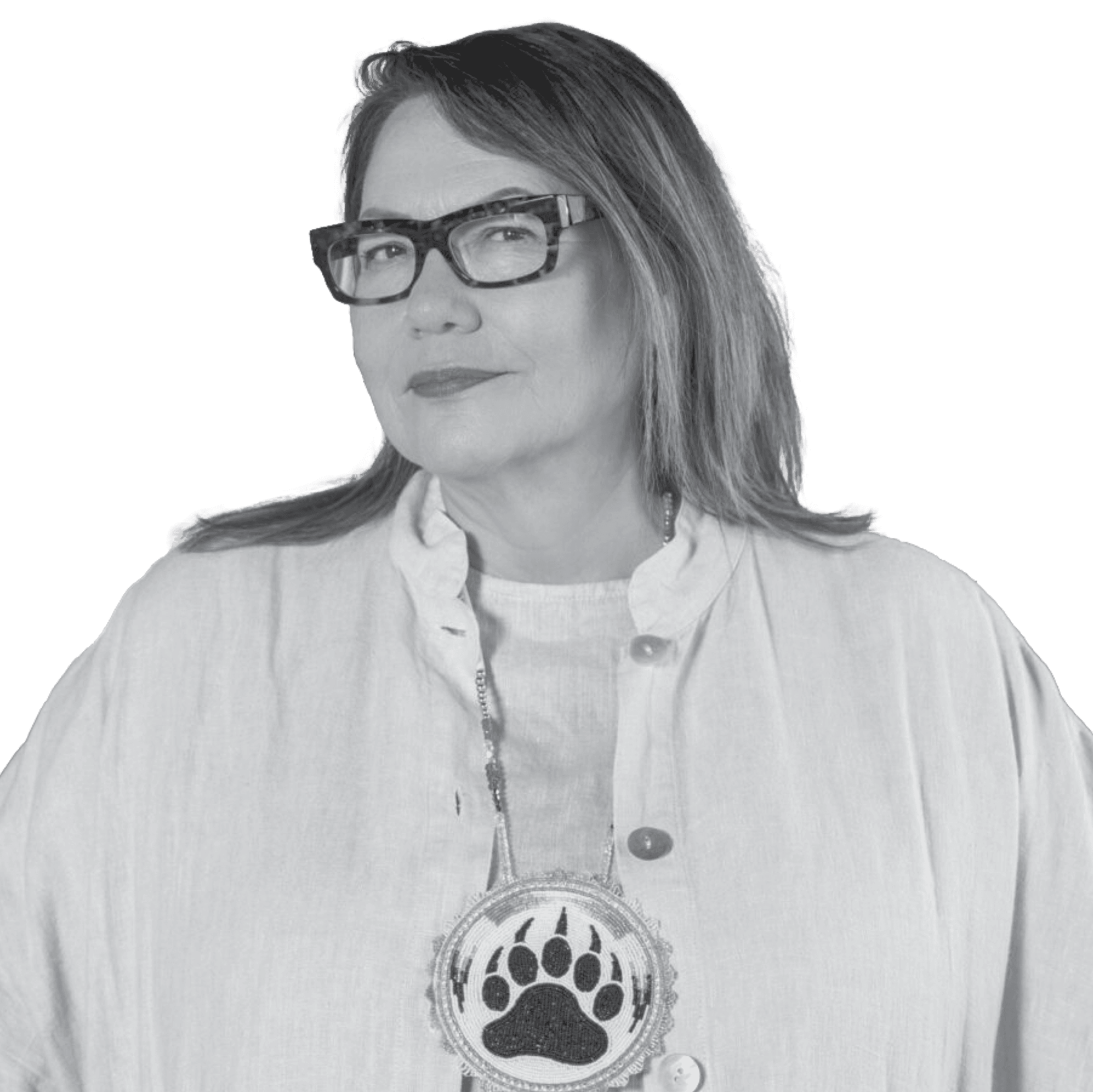
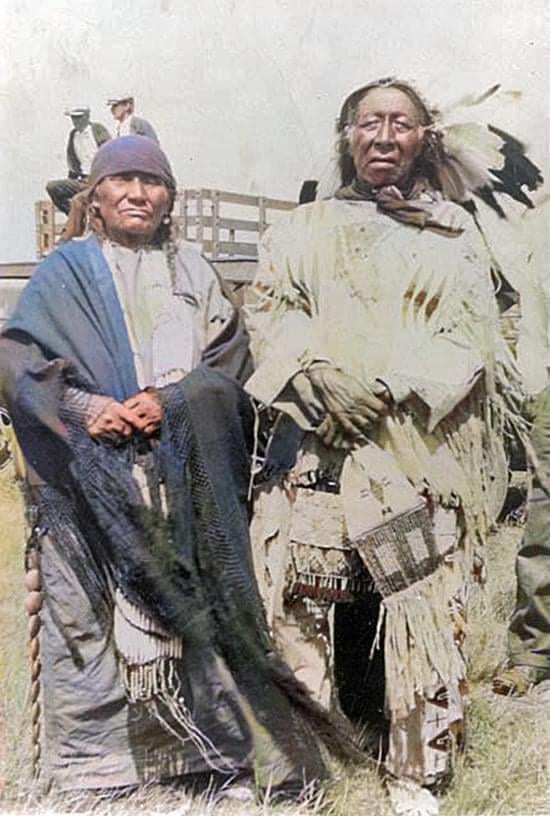
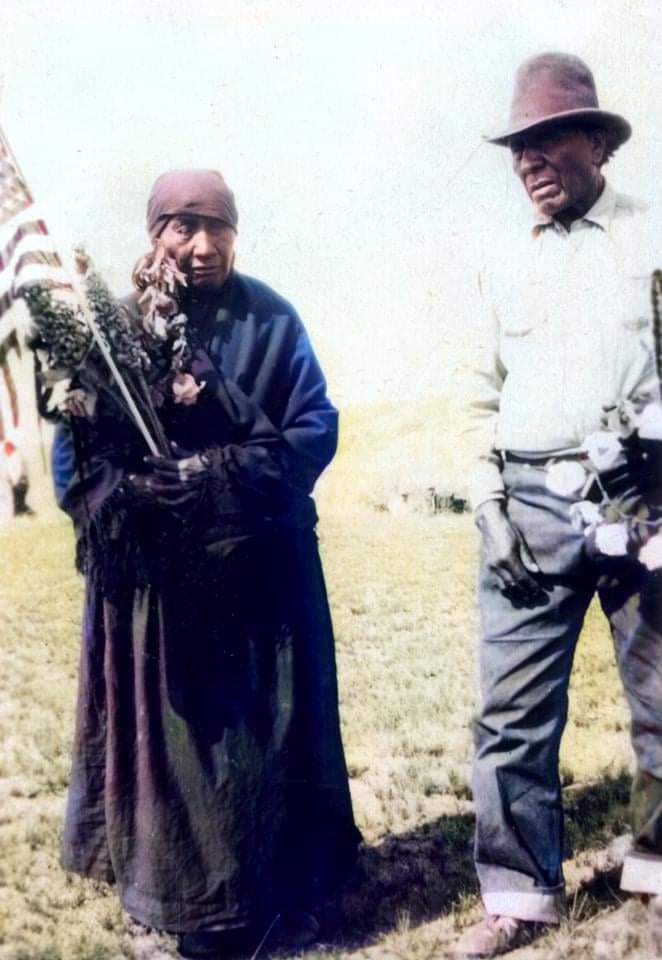
For decades, I’ve listened to my tȟuŋwíŋ, Mary Lee Johns, tell stories of our Minnconjou and Itazipcho relatives who eventually settled on the Cheyenne River Reservation in South Dakota. Not only does she keep the stories alive, but she’s an avid collector of old family photographs. She’s the historian in the family, and she carries a great pride in who our relatives are and what they represented.
At the end of June, thousands of Native people will gather and camp in southeast Montana near the site of the Battle of the Greasy Grass — also known as Custer’s Last Stand or the Battle of the Little Bighorn — to commemorate its 150th anniversary. It’s a reminder not only of a military victory but also of the importance of Natives staying united, one spirit.
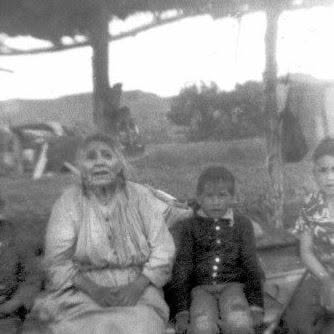
On Memorial Day, my aunt, my family, and I went to the Green Grass Cemetery at Cheyenne River to clean the graves and lay colorful flowers on the burial sites. In that cemetery lie many of my relatives, who represent the spirit of the Lakota and those who did not want to retire to a reservation. They aligned themselves with Chief Sitting Bull to fight for a way of life that included following the buffalo to hunt rather than accepting government rations.
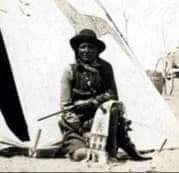
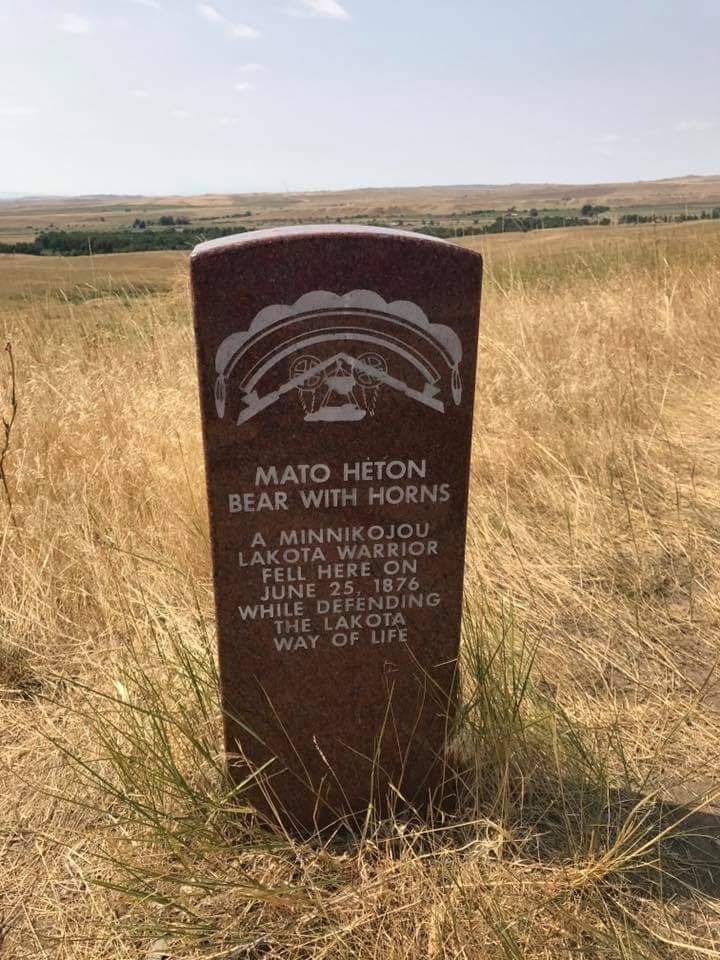
My family belonged to the Chief Spotted Eagle tiospaye, an extended kinship social structure that defined expected behaviors within the family circle and went beyond blood ties. Fights the Thunder was the brother of Spotted Eagle. Fights the Thunder was the father of my great-great-grandmother, Grows In A Day, and her older brothers, Clown, Red Bird and Bear With Horns. Pazala was their mother. They were all in the peaceful camp in southeast Montana on June 25, 1876, when the tipi village was attacked by Gen. George Armstrong Custer’s 7th Cavalry.
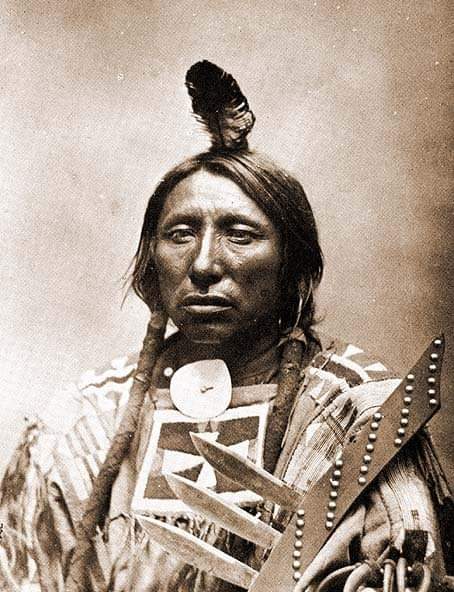
My great-great-grandfather, Bear With Horns, died that day on the battlefield of the Greasy Grass. Unci Grows In A Day, later known as Lucy Poor Buffalo, was about 7-years old at the time. She was old enough to remember going to the battlefield with her mother after the fighting was over to look for Bear With Horns. She later described the bodies of the cavalrymen as looking like sacks of flour laid out on the rolling hills.
I know this story, and many others, because my aunt Mary Lee -- who carries the Grows In A Day name -- and extended family members keep these stories and memories alive. In remembrance of our relatives who died at the Battle of the Greasy Grass, we invite everyone to pay tribute to their relatives who gave their lives that day. We invite those families to post their names on the Buffalo’s Fire Memorial Wall. We’ve created this section and will launch it June 11 in tribute to our relatives. Please share.
As a Native journalist, I report on and write about our stories to ensure our voices and perspectives are remembered by future generations. The Buffalo’s Fire reporting team does that on a daily basis. Now we’d like to encourage descendants of the battle to remember in their own way on the Memorial Wall. Friends of the Little Bighorn Battlefield has compiled a list of warriors.
We are making the Memorial Wall free and accessible to create a dedicated digital memorial site on the 150th anniversary of this significant event, not only in Native American history but also in Indigenous global history.
We’re proud to share the names of our fallen relatives with the world.
P.S. Our journalism is independent from government funding. Donate now to support Buffalo’s Fire.
References
- 1.
- 2.
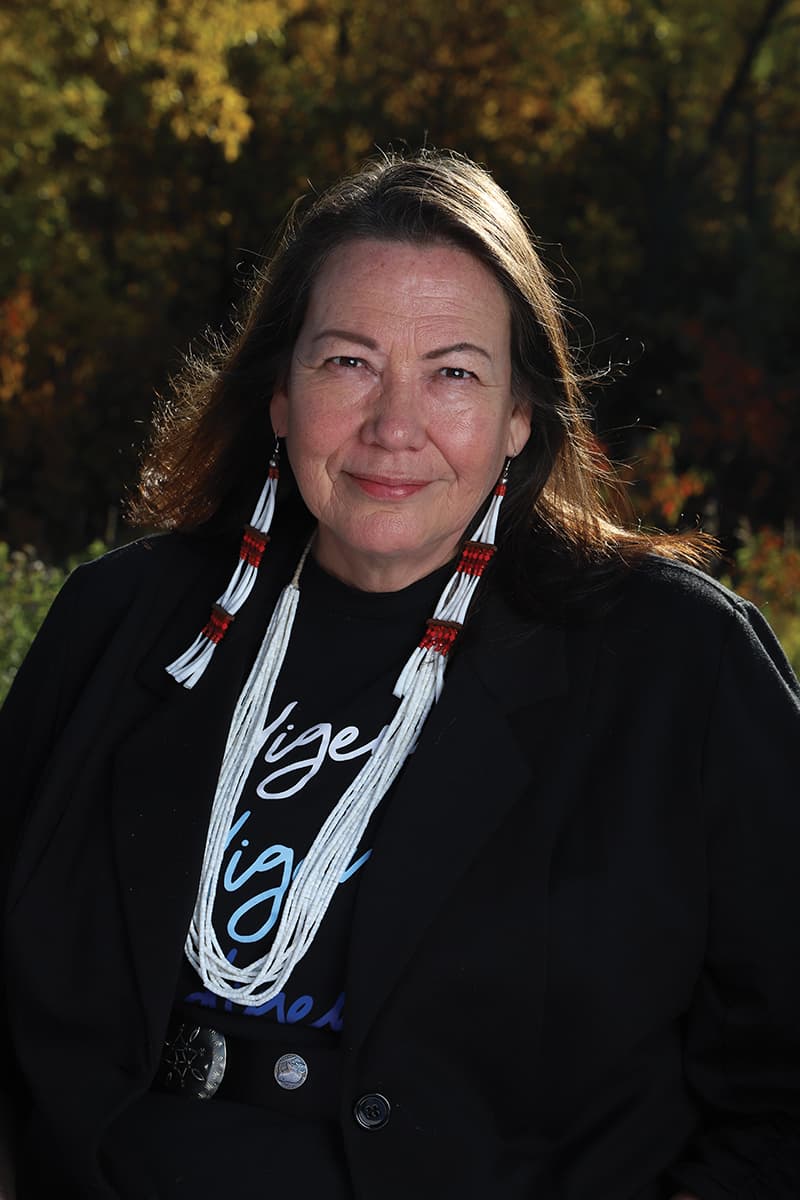
Jodi Rave Spotted Bear
(Mandan, Hidatsa/ Mniconjou Lakota)Founder & Editor in Chief
Spoken Languages: English
Topic Expertise: Federal trust relationship with American Indians; Indigenous issues ranging from spirituality and environment to education and land rights
Sharing Is Caring
This article is not included in our Story Share & Care selection.
The content may only be reproduced with permission from the Indigenous Media Freedom Alliance. Please see our content sharing guidelines.
© Buffalo's Fire. All rights reserved.
We provide independent Native-focused reporting that gives our communities the context and the facts they need to make informed decisions.
Respect The Fire
At Buffalo's Fire, we value constructive dialogue that builds an informed Indian Country. To keep this space healthy, moderators will remove:
- Personal attacks, harassment, or hate speech
- Spam, misinformation, or unsolicited promotion
- Off-topic rants and excessive shouting (All Caps)
Let’s keep the fire burning with respect.