






Buffalo’s Fire to launch Little Bighorn Oral History Project to capture family stories
In 50 years, today’s youth will keep history alive at the 200th commemoration


The sacred land of the Greasy Grass in southeast Montana came to life with song and ceremony as thousands of Natives gathered nearly two weeks ago to celebrate culture, history and being alive after repeated attempts of annihilation by the U.S. Cavalry. The energy of the gathering near the Little Bighorn River remains strong, as historic ties are restored and new alliances are built.
For those who planned events at the 150th Little Bighorn commemoration, a common thread emerged: the involvement of youth in activities, and that happened from horse rides to long-distance runs. What’s more, there was much talk about the current generation who will be the leaders and organizers in 2076 for the 200th commemoration. At Buffalo’s Fire, we understand the importance of telling our stories and passing them on to future generations. I look at old photographs of my relatives and wish I could hear or read what was on their minds.
I had many Itazipcho and Minneconjou relatives fight against Lt. Col. George Armstrong Custer on June 25, 1876, at the Battle of the Greasy Grass, now called the Little Bighorn Battlefield National Monument. After attending about nine months of logistical meetings for the Native commemoration of the event, I heard many other Little Bighorn stories from those who attended those meetings.
Our Buffalo’s Fire team decided to record as many stories as possible while on the ground at the tipi encampment. We realized then we had only scratched the surface of stories. We have since decided to launch the Greasy Grass Oral History Project and plan to collaborate with a tribal college to archive the collected stories. We will share more details on this project as it progresses.
Meanwhile, we are about to begin posting some excerpts on Buffalo’s Fire from recordings that have already been completed. If any of our readers would like to share their experiences after attending the 150th commemoration beginning the week of June 22, send us an email to contact@imfreedomalliance.org. Again, we are particularly interested in descendant stories that can be preserved for the next generation.
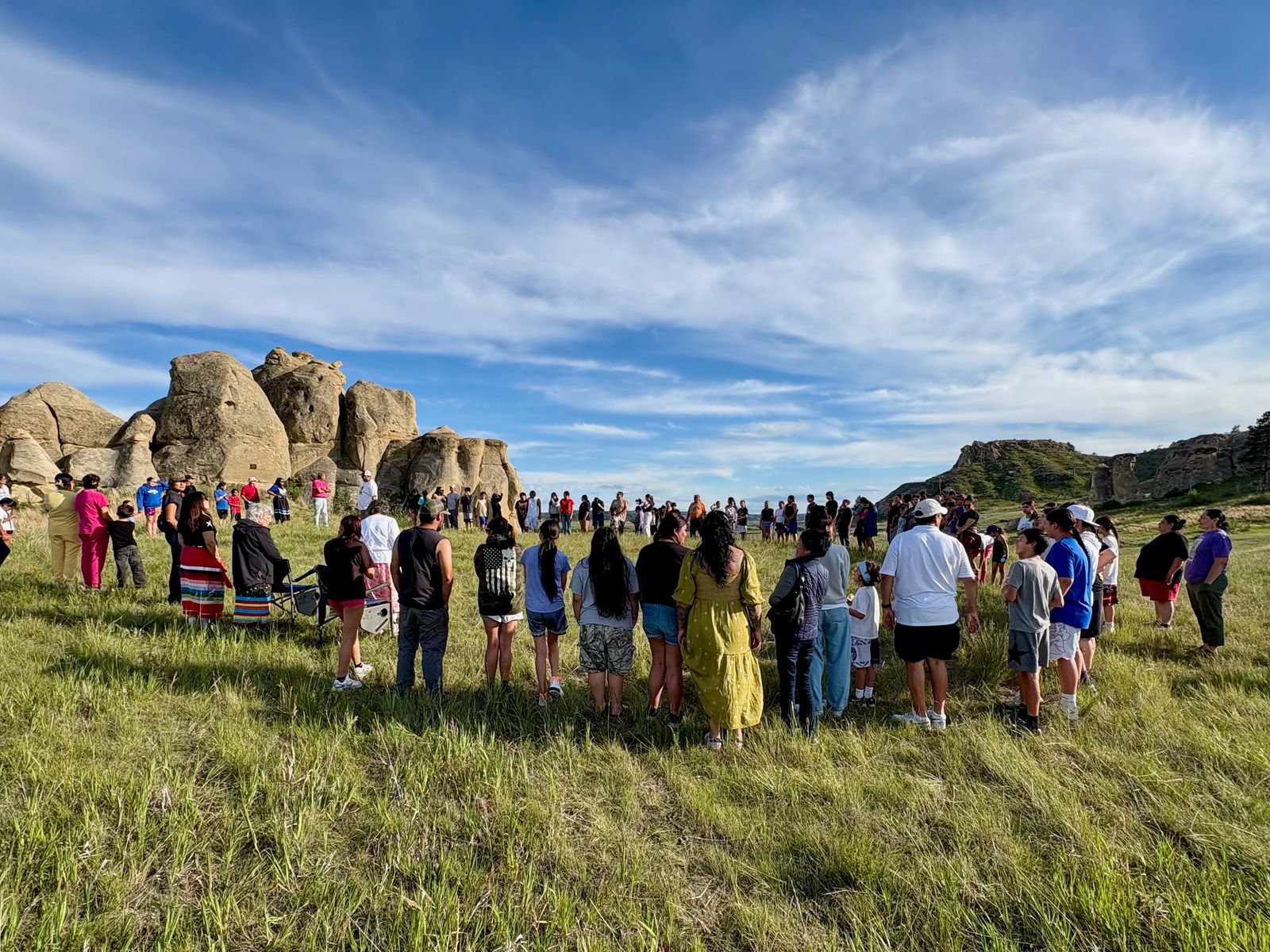
Lynette Two Bulls, executive director of Blue Bird Lifeways, led two events that lifted women warriors and youths at the Little Bighorn gathering. Runners gathered June 24 at Deer Medicine Rocks near Lame Deer, Montana, where their journey began with song and prayer. The run ended June 25 at the Little Bighorn National Monument located on the Crow Reservation.
“The youth are a living testament that we are still here despite everything that was done to our people,” Two Bulls, an Oglala, told me. “We not only survived, but now are thriving. Our youth victory run was a celebration of life and our connection to land, language, culture, and identity. Our youth represent hope for the future.”
She said it was also important to recognize women at the Little Bighorn event since they “are the foundation of our homes, our communities and our nations. Many of the women fought alongside their brothers, their companions. Today, we are still fighting for a better future for our children. The Women’s Warrior Parade highlighted not only our women veterans but also our grandmas, our mothers, our water protectors — women on the front lines of all the issues facing our people. It was important to be seen and heard leading our youth victory runners.”
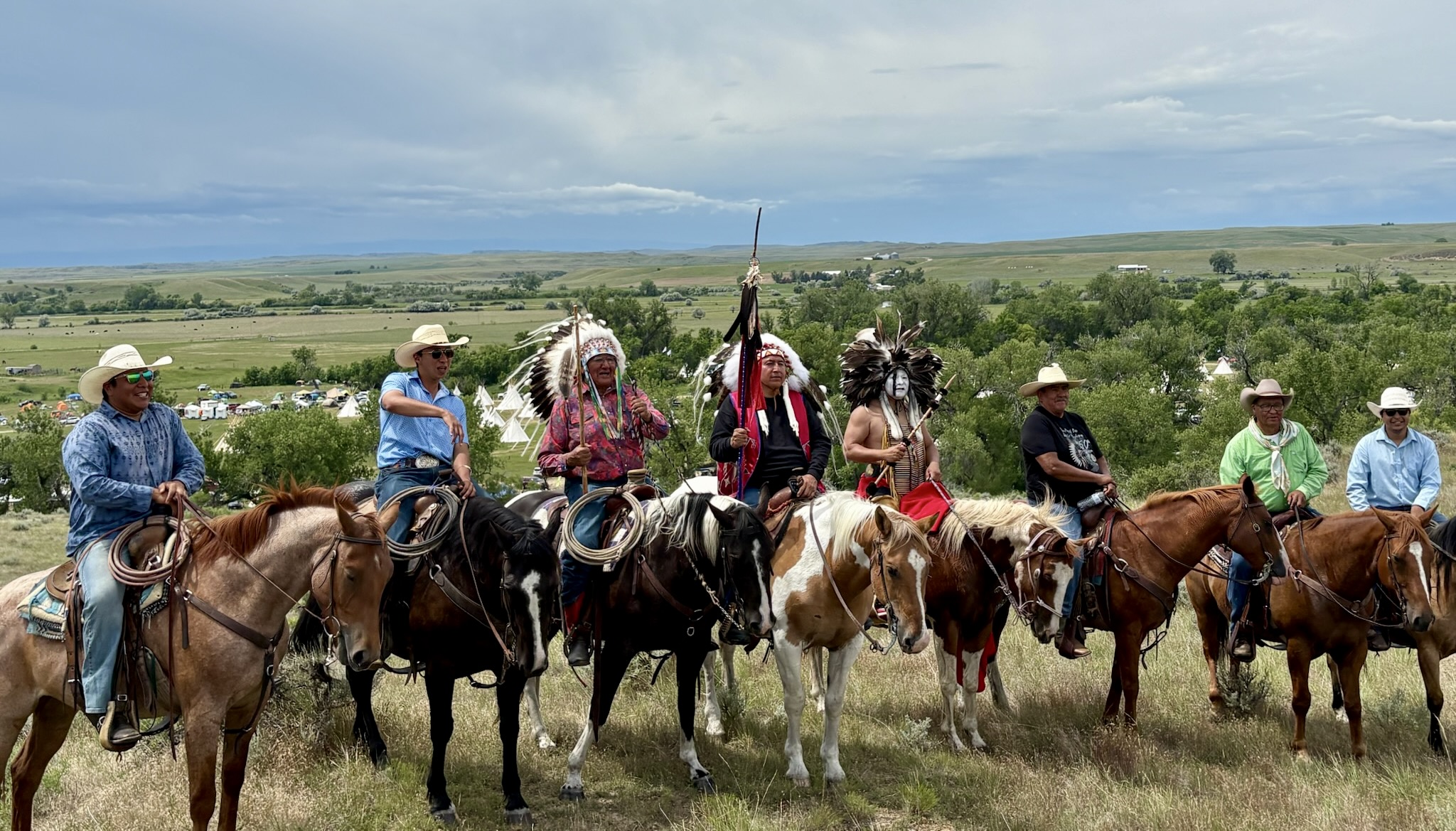
Trina Lonehill, Oglala, said she and her family have been participating in an annual horse ride from the Pine Ridge Reservation to the Greasy Grass Battlefield for about 30 years. This year, the group completed their ride as they have for decades. This year, however, they were joined at the Charge on the Hill on June 25 by about 300 other horse riders, a highlight of nearly a week of activities.
This is where I met 11-year-old Parker Brewer from Pine Ridge, South Dakota. He rode with the Oglala riders all the way to the Crow Reservation in Montana. He gifted me with a coup stick after the charge, a symbolic event that recognizes the strength, unity and continued perseverance of Native peoples.
Organizers from Pine Ridge said that about 98 percent of the riders from Oglala were young people.
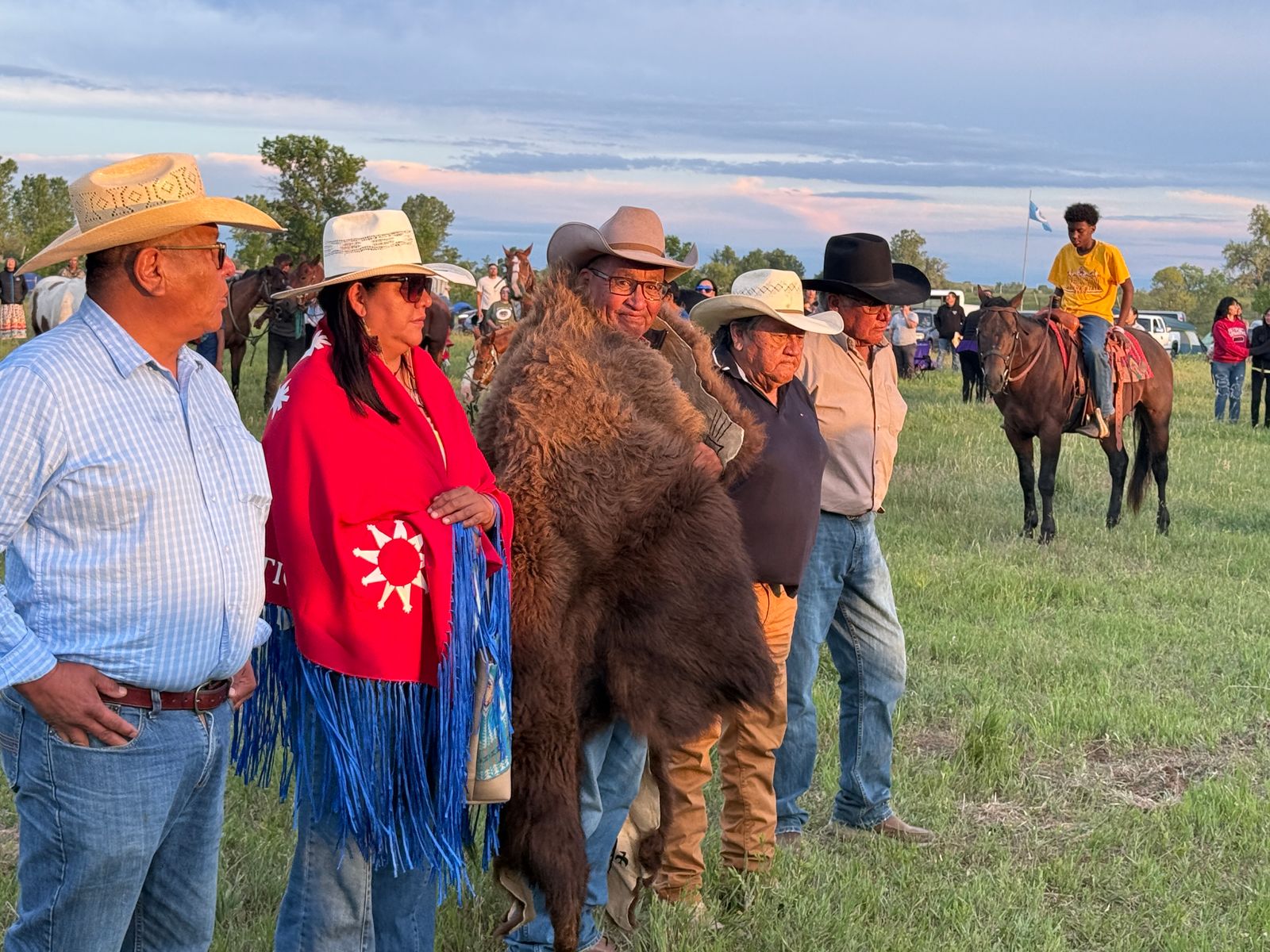
Jim Real Bird, an active Crow elder and horseman, joined the riders in charging the hill. He and several members of the Real Bird family helped bridge relations between the Lakota and the Crow. The tribes were in opposition during the battle that took place 150 years ago, but in 2026 new friendships and an alliance has developed.
For many, the first-time camp gathering in 150 years of the Lakota and allied tribal nations was a once-in-a-lifetime experience. “I don’t think we’ll have a big camp for a while, but you never know,” said Real Bird.
On June 24, the Oglala Sioux Nation’s Frank Star Comes Out administration presented a buffalo robe, painted by artist Julian Not Afraid, to the Real Bird family. The robe was wrapped around Curtis Real Bird, the family member who holds title to the historic encampment site. He and family members welcomed the Lakota and allies to their land on the Crow Reservation. A family matriarch had wished to see the Lakota celebrate with victory dances on the old campsite of 1876.
For a week in June, songs and prayers were once again carried across the land and along the Bighorn River.
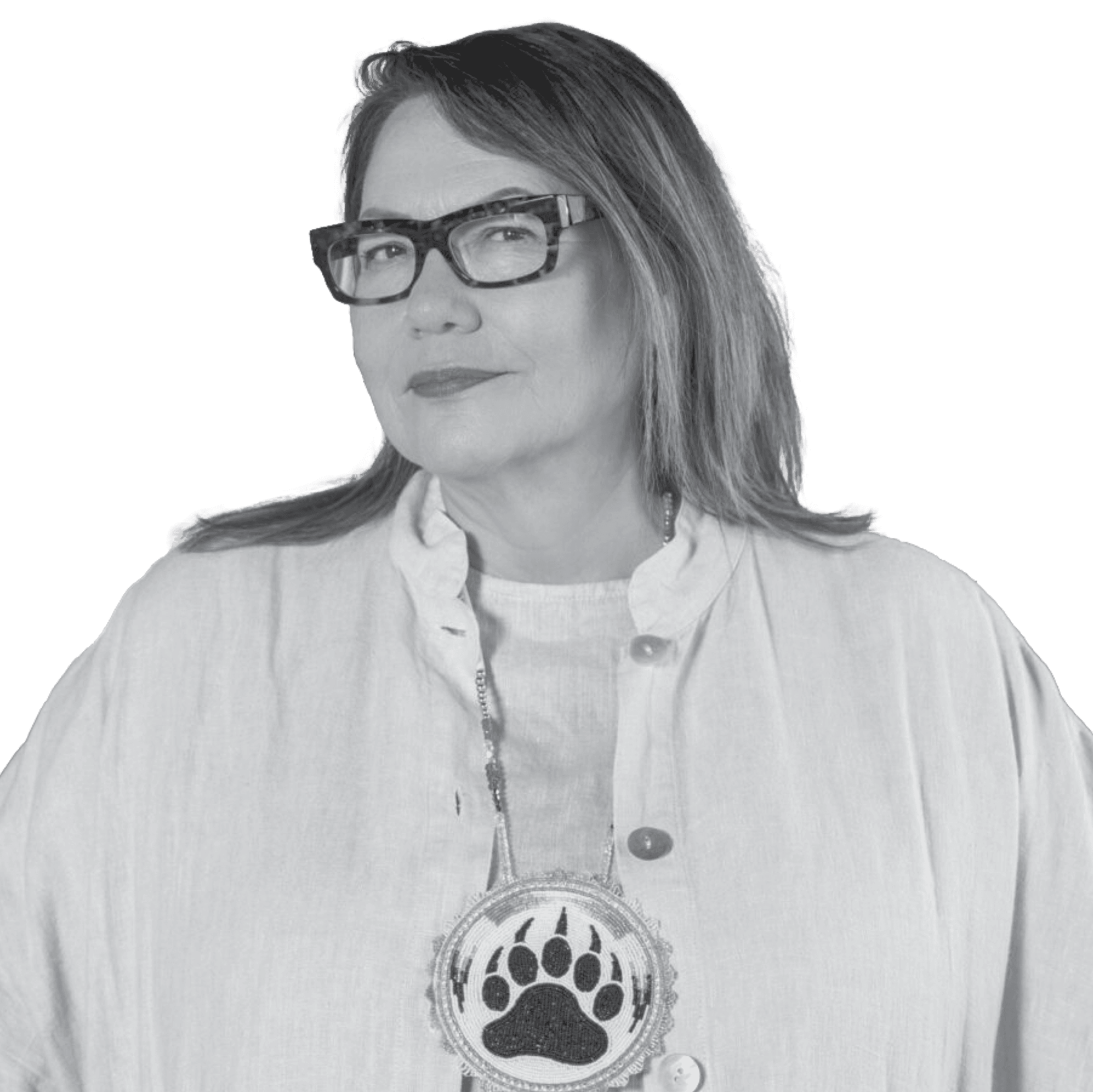
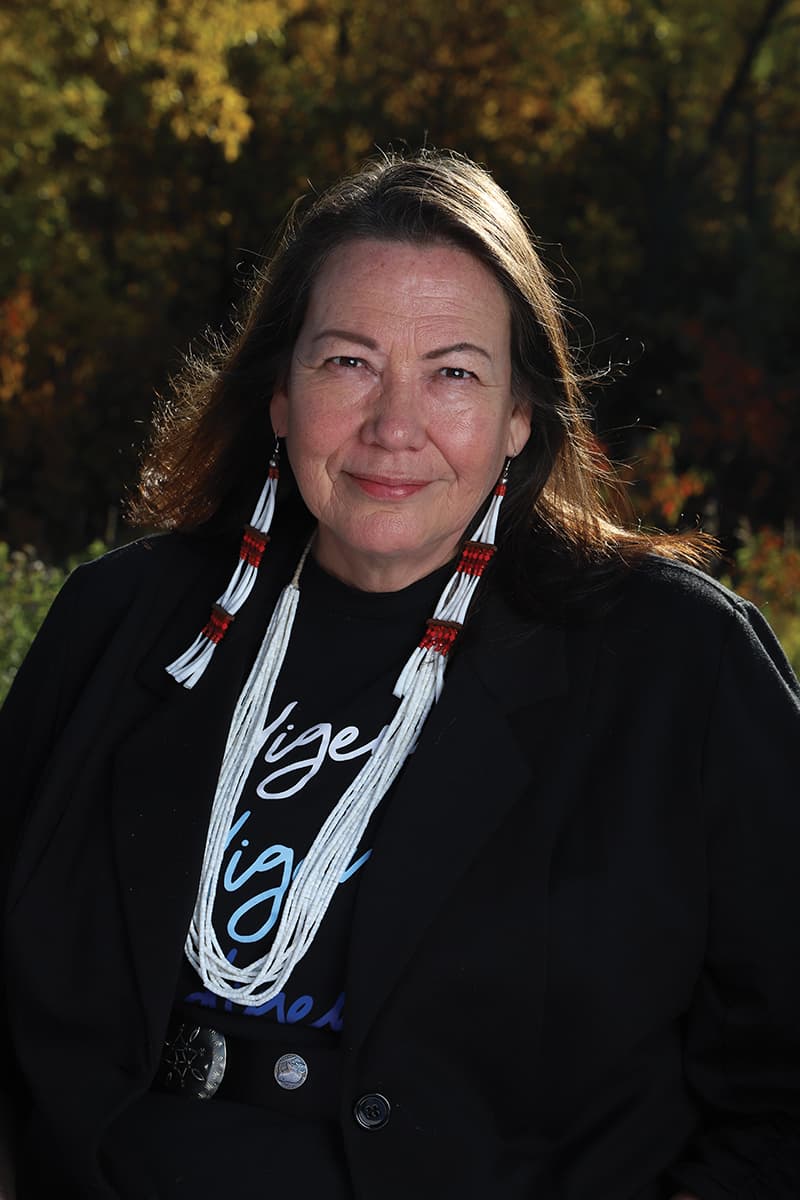
Jodi Rave Spotted Bear
(Mandan, Hidatsa/ Mniconjou Lakota)Founder & Editor in Chief
Spoken Languages: English
Topic Expertise: Federal trust relationship with American Indians; Indigenous issues ranging from spirituality and environment to education and land rights
Sharing Is Caring
This article is not included in our Story Share & Care selection.
The content may only be reproduced with permission from the Indigenous Media Freedom Alliance. Please see our content sharing guidelines.
© Buffalo's Fire. All rights reserved.
We provide independent Native-focused reporting that gives our communities the context and the facts they need to make informed decisions.
Respect The Fire
At Buffalo's Fire, we value constructive dialogue that builds an informed Indian Country. To keep this space healthy, moderators will remove:
- Personal attacks, harassment, or hate speech
- Spam, misinformation, or unsolicited promotion
- Off-topic rants and excessive shouting (All Caps)
Let’s keep the fire burning with respect.