





Now’s the time to protect health of children living near oil and gas wells
The Three Affiliated Tribes of Fort Berthold lacks protocols on protecting Native mothers, infants and children who live near oil and gas development.

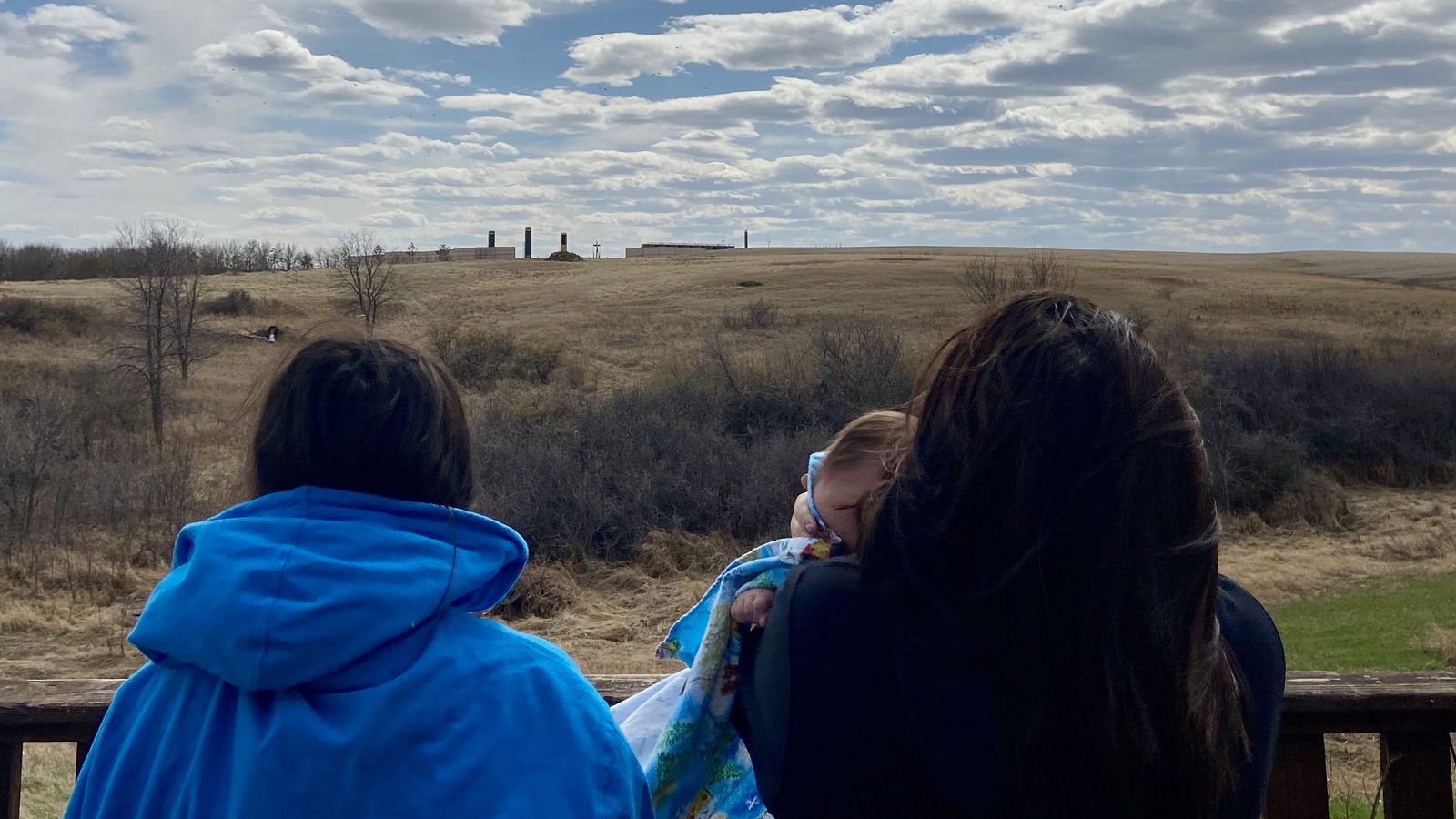
A global pandemic didn’t initially slow down the oilindustry when the virus first plagued the country. When North Dakota Gov. DougBurgum orderedthe closure of 175 school districts in March, Bakken shale oil field workerswere deemed “essential” employees. They kept working, steady as a pump jack onthe prairie.
It took a price war between Russia and OPEC to slowproduction. Coronavirus later tightened the noose on the oil industry. Billionsof people staying at home don’t need fuel for travel. Marathon Oil PresidentLee Tillman said in a statementthat the multibillion-dollar corporation would be taking “second quarter frack holidays”in the Bakken due to “a highly volatile and uncertain environment.”
A free fall in demand for oil is bad for some, but good newsfor our most vulnerable populations. A frack holiday for the oil industry is afrack-free holiday for children living in the Bakken. Before the coronavirus hit, ourkids on the Fort Berthold Reservation here in North Dakota were already breathing volatileorganic compounds from fracking. Some will get a reprieve with more than 5,000 wells shut down due to stay-at-homeorders for most.
Shutting down production means a reduction in the harmful effects of fracking and natural gas burning which both release toxins into the air, land and water. Hundreds of studies – I refer to a number of them in this story -- are compiled in the Compendium of Scientific, Medical, and Media Findings Demonstrating Risks and Harms of Fracking.
Pregnant women, infants and kids are particularlyvulnerable. Harmful effects of fracking include a litany of health problems formoms and kids. Some of the health threats include leukemia, pre-term births,reproductive risks, birth defects, nosebleeds,vision problems, nausea, rashes, and hypertension.
Onemillion children
Atleast six percent of the U.S. population—17.6 million Americans—now live withina mile of an active oil or gas well, a number that includes 1.4 million youngchildren. Evidence exists for fracking-related health problems across theUnited States and Canada.
Drilling operators use an “unconventional” process calledhydraulic fracking. They pump proprietary, toxic chemical blends, sand andwater at least two miles deep in the ground to wrestle oil from shale beds.Then they pump the oil, chemically-laced water and TENORM, technologicallyenhanced naturally occurring radioactive material, from the earth back up to the earth’s surface where itspills or is burned into the air through natural gas flares.
Whilewe need more research specific to Indigenous communities, the scientific compendiumnotes a new pilotstudy “reported elevated levels of barium and strontium in urine and hairsamples of Indigenous women living in an area of intense fracking activity innortheastern British Columbia.” The trace metals, known to be released duringhydraulic fracturing, “shows harm to fertility and reproductive success fromexposure to oil and gas operations.”
In March, the Alyce Spotted Bear and Walter Soboleff Commissionon Native Children had been scheduled to meet in Scottsdale, Ariz. The meetingwas canceled due to the coronavirus pandemic. “We want to thank all those Tribal Leaders and community members whowere planning to attend the hearing for their commitment to Native children,”said Gloria O’Neil, commission chair, in a statement.
I arrived in Arizona before the regional public hearing wasofficially postponed until at least Sept. 30. Thankfully, I was able to meetwith some of the commissioners who, like me, arrived early. I addressed theneed for increased regulations and protection for Native children who live nearoil and gas development. The public can contact the commissioners at asbwsnc@gmail.com.
The Three Affiliated Tribes of Fort Berthold lacks protocolson protecting Native mothers, infants and children who live near oil and gasdevelopment. Therefore, it’s imperative an outside entity take measures to protectthem. Many of these rural families simply can’t relocate. Where are they goingto go?
Here aresome recommended steps for the Spotted Bear and Soboleff Commission: Establishmandatory dust control; put a moratorium on fracking and flaring until anenvironmental impact statement is completed; install mandatory sounds walls andlight pollution at existing well pad sites; ban all fracking within one mile offamily homes; develop and fund a relocation plan for families with children;require federal, state and tribal environmental protection agencies to test andstudy TENORM, technologically enhanced naturally occurringradioactive material, in flaring and fracking.
Lackof protection
My son and his family – wife, two girls and a newborn -- live about one-quarter mile from a well site with four pump jacks. A pediatrician wrote a to-whom-it-may-concern letter and advised my then-pregnant daughter-in-law to relocate during fracking.
The family has already endured five wells drilled behindtheir home on a single well pad site. In March, more wells were drilled. Theywere supposed to be fracked – injected with water and chemicals -- in May. TheCOVID-19 pandemic prompted Marathon Oil to postpone fracking until fall.
There is no tribal program here on Fort Berthold that protects the unborn,infants or children from the oil industry. My grandson was born three weeksearly. A 2015 study report states that pregnant women who live near activefracking operations in Pennsylvania were at a 40 percent increased risk ofgiving birth prematurely.
In 2017, a “Colorado study found higher rates of leukemia among children andyoung adults living in areas dense with oil and gas wells, while a YaleUniversity research team reported that carcinogens involved in frackingoperations had the potential to contaminate both air and water in nearbycommunities in ways that may increase the risk of childhood leukemia.”
One research team concluded “a need for public health prevention techniques,well-designed studies, and stronger state and national regulatory standards.” Allthese measures must include action to protect Indian Country’s expectantmothers, infants and children. It shouldn’t take a global pandemic to givevulnerable young people a frack-free holiday.
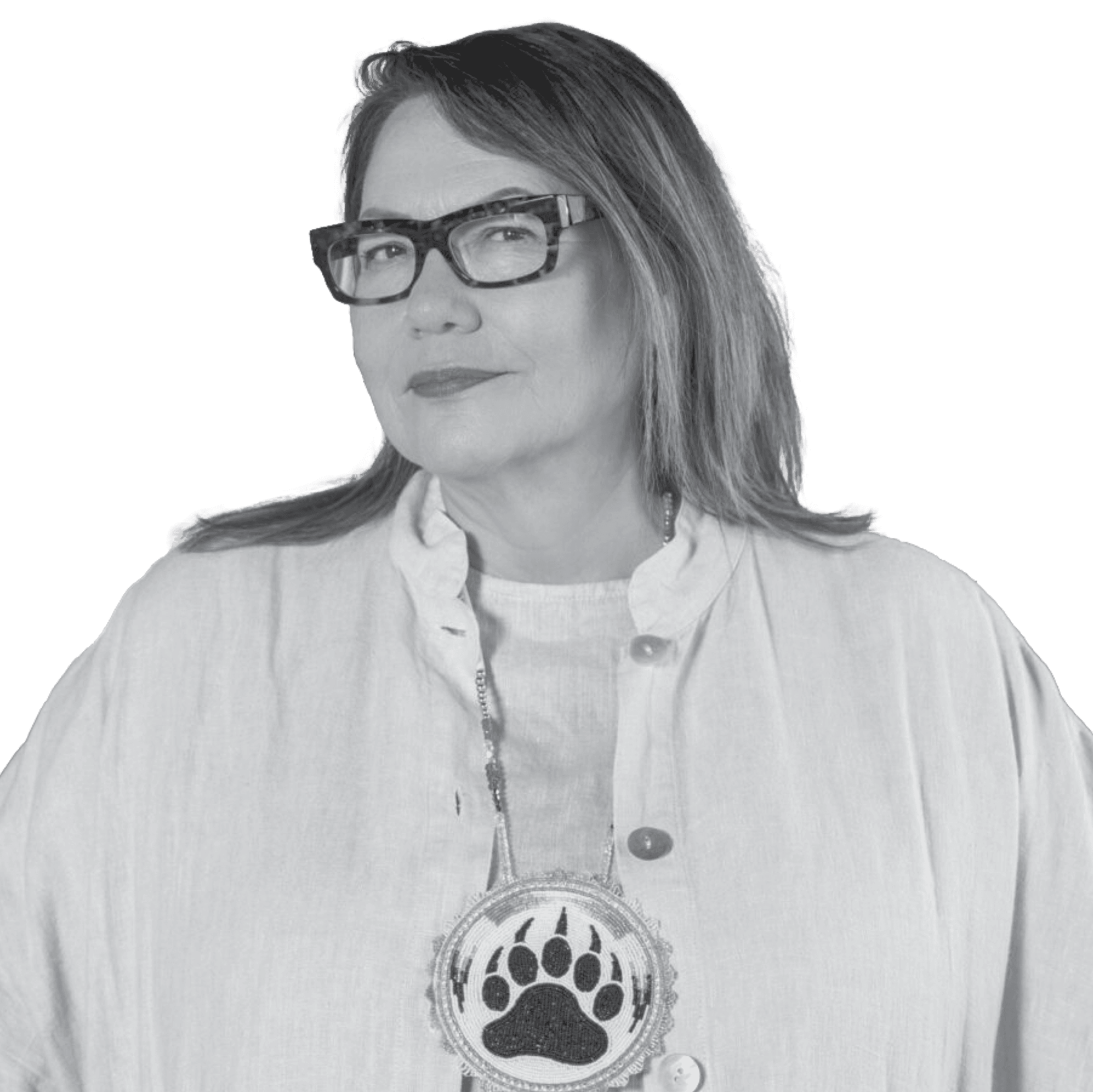
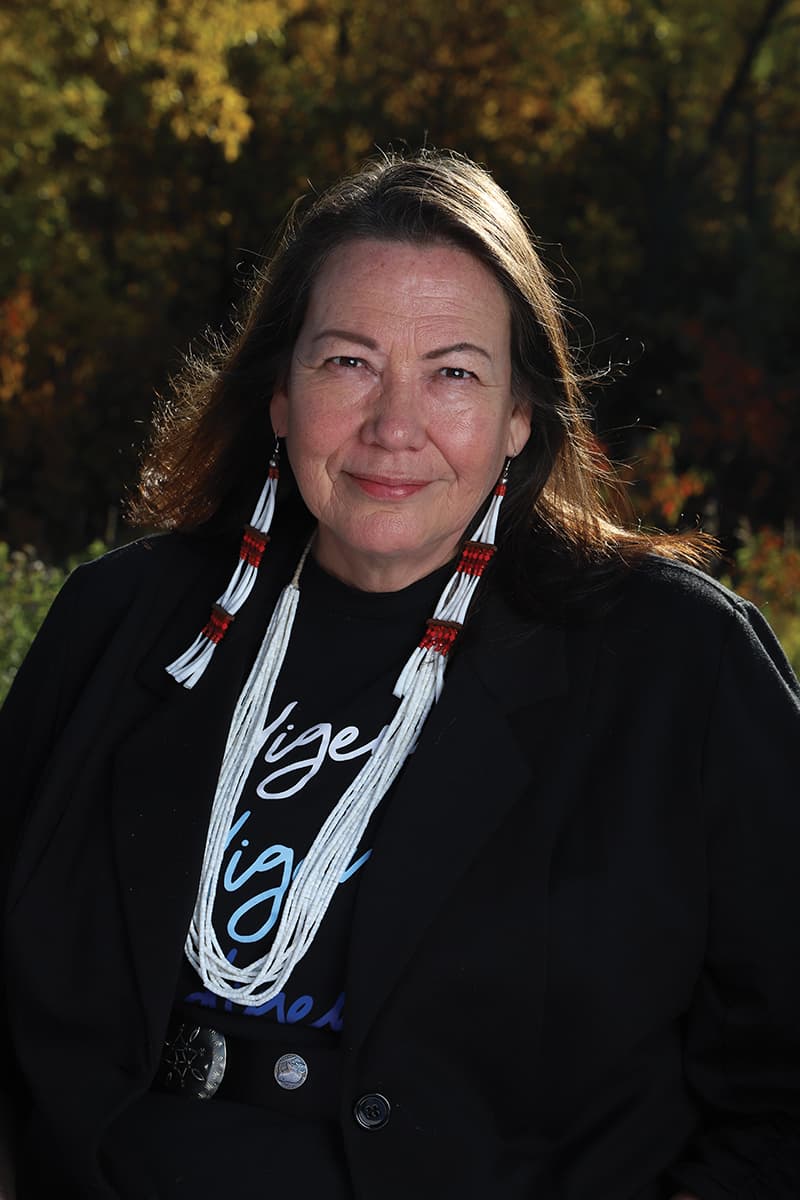
Jodi Rave is the founder of the Indigenous Media Freedom Alliance and buffalosfire.com. She is a Harvard Nieman Fellow for journalists. She is also the niece of Alyce Spotted Bear, a namesake of the Alyce Spotted Bear and Walter Soboleff Commission on Native Children. Jodi is the grandmother to Jayley, Max and Alexendrea.
Spotted an error? Suggest a correction.
Jodi Rave Spotted Bear
(Mandan, Hidatsa/ Mniconjou Lakota)Founder & Editor in Chief
Spoken Languages: English
Topic Expertise: Federal trust relationship with American Indians; Indigenous issues ranging from spirituality and environment to education and land rights
Sharing Is Caring
This article is not included in our Story Share & Care selection.
The content may only be reproduced with permission from the Indigenous Media Freedom Alliance. Please see our content sharing guidelines.
© Buffalo's Fire. All rights reserved.
We provide independent Native-focused reporting that gives our communities the context and the facts they need to make informed decisions.
Respect The Fire
At Buffalo's Fire, we value constructive dialogue that builds an informed Indian Country. To keep this space healthy, moderators will remove:
- Personal attacks, harassment, or hate speech
- Spam, misinformation, or unsolicited promotion
- Off-topic rants and excessive shouting (All Caps)
Let’s keep the fire burning with respect.