






NIEA names Denise Juneau 2009 Educator of the Year at annual convention
Eight individuals and Minnesota’s Niigane Ojibwemowin Immersion School will be honored Oct 22-25 in Milwaukee, with the gala banquet set for Oct 24

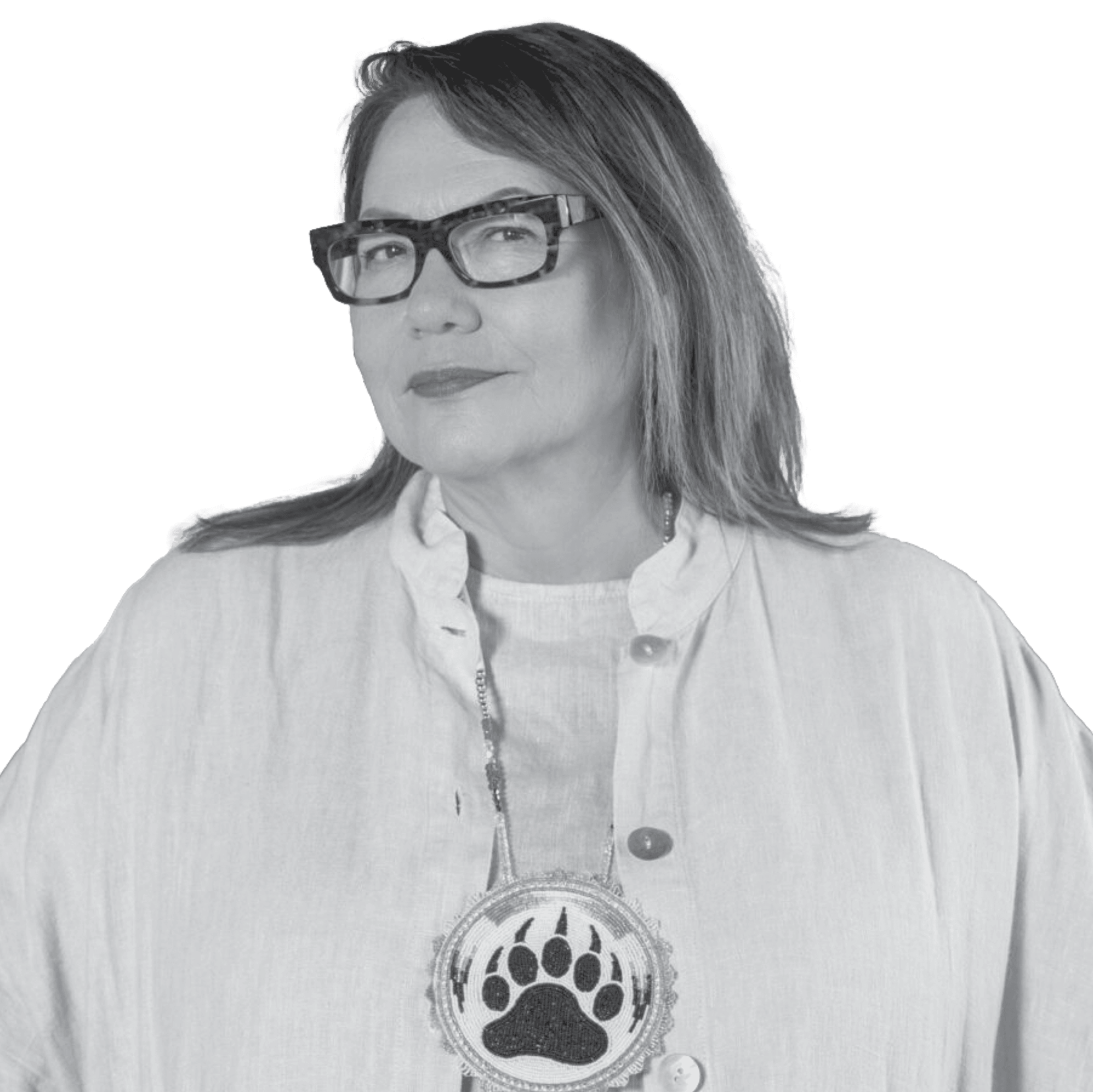
This just in from the office of the National Indian Education Association, a 2009 honor list of eight outstanding Native educators in Indian Country. The honors range from Native elders of the year to Indian educator of the year, the organization's most prestigious award. This year, Denise Juneau -- daughter of Stan Juneau, Blackfeet, and Carol Juneau, Mandan and Hidatsa -- will receive that honor. Juneau is also Montana's superintendent of public instruction, one of the state's highest elected positions.
The awards will be presented at the 40th annual NIEA convention in October. See the press release below for more details:
The National Indian Education Association will be honoring eight Native individuals and one school who have had a large impact on the world of education during their 40th annual convention to be held in Milwaukee, Wisconsin, October 22-25th. Since 1977, the membership association has honored Native leaders who have changed and improved the lives of their schoolchildren and impacted dialog concerning Native education issues, both locally and nationally.
Cheryl Kulas (Oglala Lakota Tribe), retired executive director of Indian Affairs Commission for North Dakota, and Angayuqaq Oscar Kawagley (Yupiaq), associate professor of education at the University of Alaska Fairbanks, will be honored with the 2009 NIEA Lifetime Achievement Award.
Elaine Peters (Menominee Indian Tribe) and Joseph Medicine Crow (Crow Nation) will be honored as Elder of the Year. Brent (Ponca & Chickasaw) & Kennetha (Otoe Missouria) Greenwood will be honored as Parents of the Year, Dr.Cornel Pewewardy (Comanche Nation) is the Teacher of the Year, and Denise M. Juneau (Mandan and Hidatsa Tribe) is the Educator of the Year.
Since 2005, NIEA has established the Cultural Freedom Award, an award to recognize schools/institutions/organizations whose extraordinary and courageous work celebrates the right to freedom of Native language, culture, and educational excellence. This year, NIEA will recognize the Niigane Ojibwemowin Immersion School of the Bugonaygeshig, in Minnesota, which was founded in 1975.
Robert Cook (Oglala Lakota Tribe), who is currently the National Indian Education Association's president, said this of the awardees, "Every year, we recognize the importance of leaders who are found in our classrooms, our homes and our communities. This year has particular importance. The awardees' contributions have demonstrated the encompassing value of what it is to be a leader, celebrated also inNIEA's forty years of advocacy. They remind us that we must listen to children to improve the future. We must know our communities' needs, recognize our students' strengths, and listen to their answers. These remarkable people and this school are true examples of who can see that need and see the hope we have in our Native children, and our belief that students are the foundation on which all successful communities rest. On behalf of NIEA and the board of directors, I praise these awardees for their humble work on behalf of Native students and children."
The National Indian Education Association award winners must demonstrate exceptional achievement or performance in providing quality instruction to American Indian, Alaska Native and Native Hawaiian students.
These individuals and school will be honored at the 2009 NIEA Annual Convention Gala Banquet on Saturday, October 24th in Milwaukee, Wisconsin at the Midwest Airlines Center with entertainment provided by recording artist Micki Free and awards designed by artist Lorenzo Black Lance.
Founded in 1970, The National Indian Education Association is a membership based organization committed to increasing educational opportunities and resources for American Indian, Alaska Native, and Native Hawaiian students while protecting their cultural and linguistic traditions.
Jodi Rave Spotted Bear
(Mandan, Hidatsa/ Mniconjou Lakota)Founder & Editor in Chief
Spoken Languages: English
Topic Expertise: Federal trust relationship with American Indians; Indigenous issues ranging from spirituality and environment to education and land rights
Sharing Is Caring
This article is not included in our Story Share & Care selection.
The content may only be reproduced with permission from the Indigenous Media Freedom Alliance. Please see our content sharing guidelines.
© Buffalo's Fire. All rights reserved.
We provide independent Native-focused reporting that gives our communities the context and the facts they need to make informed decisions.
Respect The Fire
At Buffalo's Fire, we value constructive dialogue that builds an informed Indian Country. To keep this space healthy, moderators will remove:
- Personal attacks, harassment, or hate speech
- Spam, misinformation, or unsolicited promotion
- Off-topic rants and excessive shouting (All Caps)
Let’s keep the fire burning with respect.