






One Spirit gathering calls for unity among All Nations during Little Bighorn commemoration
It’s been 150 years since Lakota allies set up tipi encampment in Montana

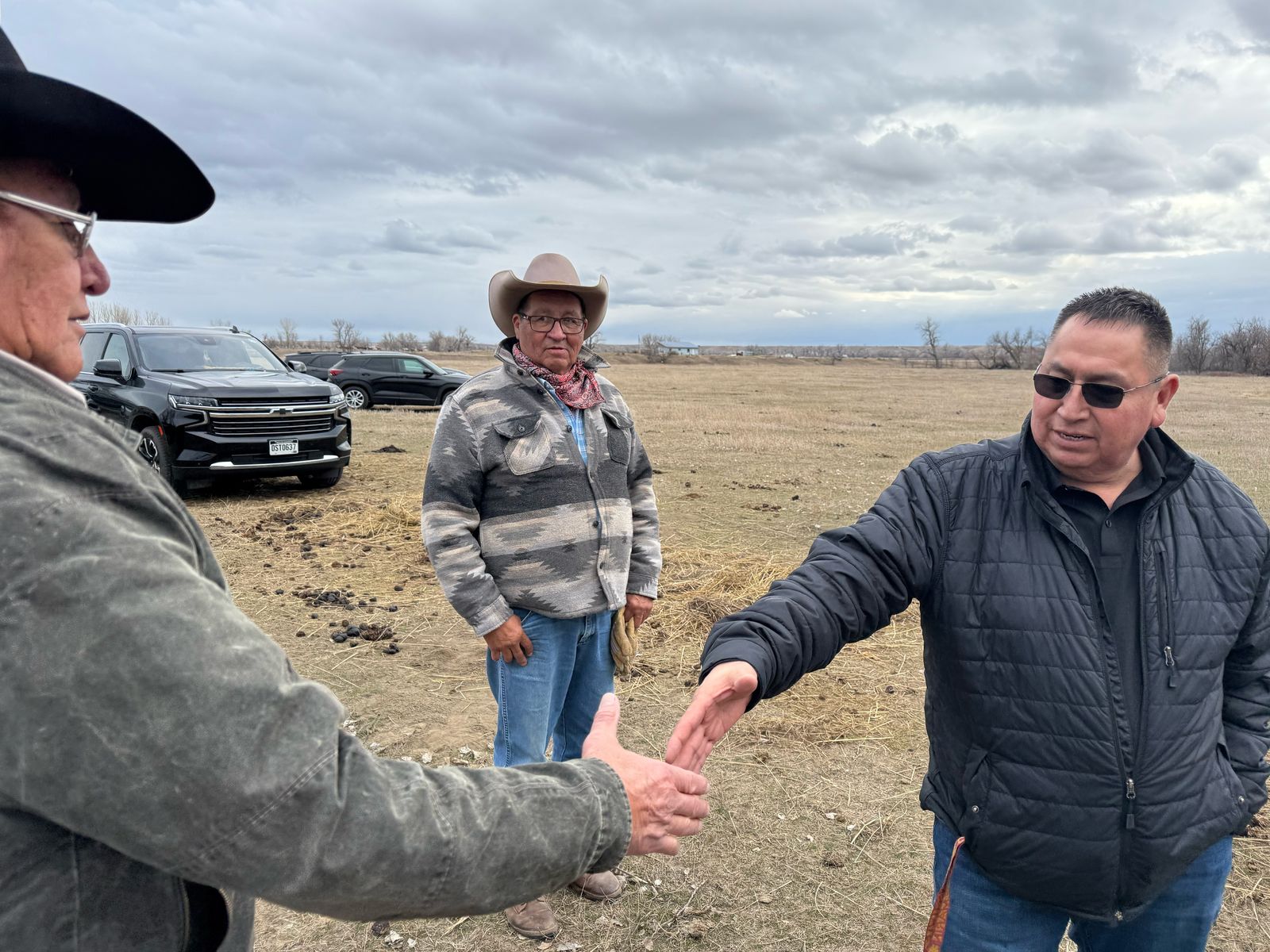
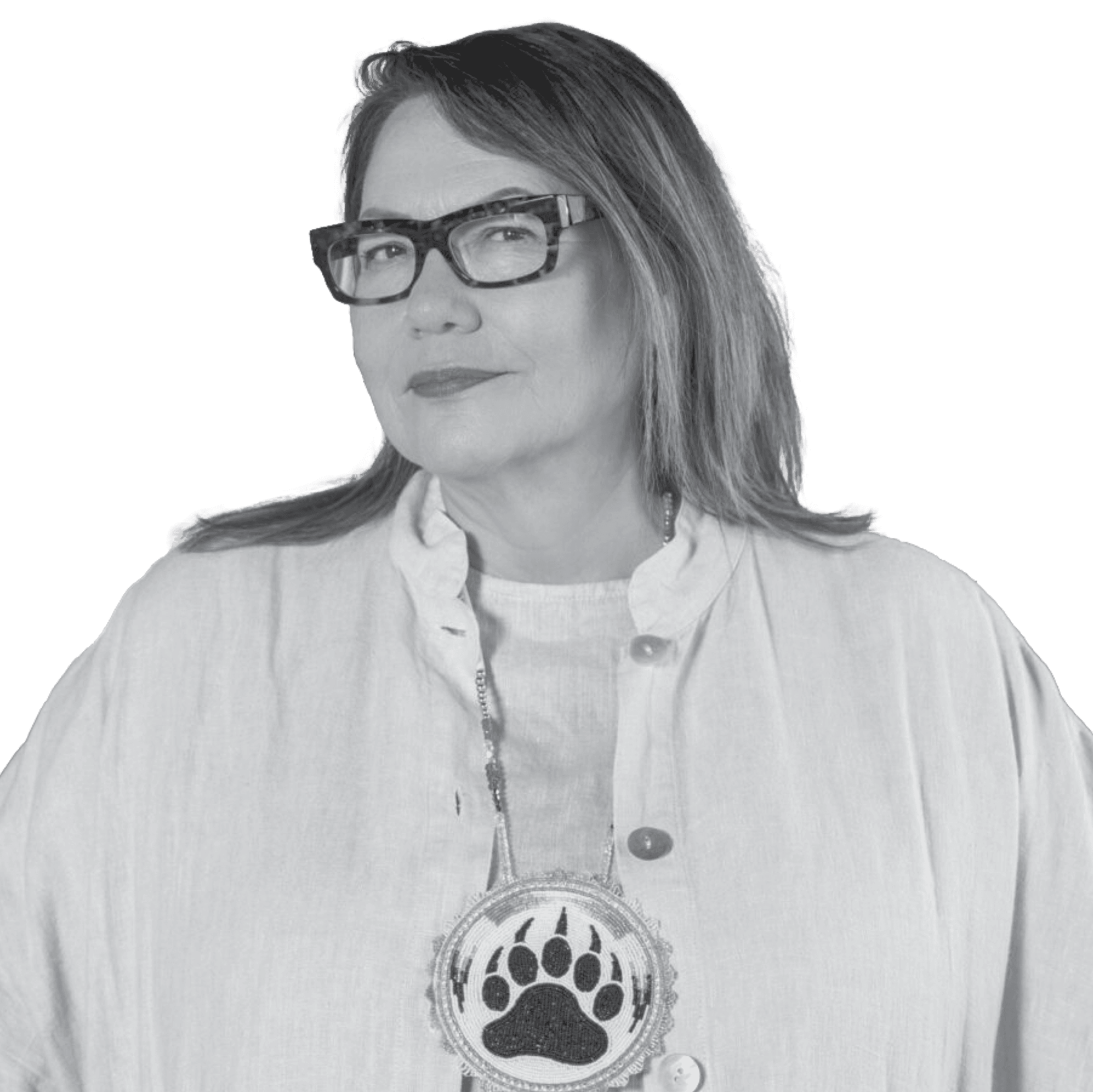
The countdown is on for the largest Lakota, Cheyenne and Arapaho tipi encampment on Crow land to take place during the last 150 years. The good news is all the tribes are united as one spirit for the upcoming commemoration of the Battle of the Little Bighorn, known to Natives as the Battle of the Greasy Grass.
While June 25, 1876, marks the last and largest tipi encampment of the three allied tribes, a slew of activities is scheduled during the final weeks of June when the Lakota, Cheyenne and Arapaho once again will join in single camp near the Little Bighorn Battlefield in southeast Montana. The camp will be set up on Real Bird land. Multiple Real Bird family members own land along the Bighorn River, adjacent to the Greasy Grass battle site where Lt. Col. George Armstrong Custer took his last stand.
Oglala Sioux Tribe President Frank Star Comes Out has said All Nations are invited to participate in unity and as one spirit. Now, thousands of Natives are expected to gather for prayers, meals, horse honorings, horse charge, horse rides, fallen warrior commemorations and much more. Keep in mind that the tentative agenda is a work in progress and spans nearly two weeks of activity. The peak day is June 25.
While the Crow and Lakota have not always seen eye to eye regarding the Greasy Grass Battle, representatives of both are of one spirit in recognizing the 150th commemoration. The Real Bird family is also known for Little Bighorn battlefield reenactments. Henry Real Bird grew up hearing stories told between Mark Real Bird and Pat Spotted Wolf, a Northern Cheyenne. Henry Real Bird wrote the reenactment script after the town of Hardin, Montana, carried out reenactments around 1992 and chose not to work with Natives, according to Jim Real Bird. That same year, Russell Means helped lead a Lakota Sundance on Curtis Real Bird’s land.
Around June 23, the allied tribes will begin setting up the tipi encampment on Curtis Real Bird’s land, which was the original campsite of the Oceti Sakowin in June 1876. His mother, Margot Real Bird, told Ernest Littlemouth, vice president of the Northern Cheyenne Tribe, that she wanted to see all the Native descendants of the Greasy Grass do a victory celebration at the old camp. She has since passed on.
With thousands of people invited to converge upon family land, Jim Real Bird is also offering his land further south at the reenactment site for a host of other activities and an All Nations speakers stage. These events are all separate from the National Park Service agenda. Jim Real Bird told Buffalo’s Fire he’s looking forward to the Native gathering: “I believe in our culture. I feel good that we’re all getting together. It’s going to bless a lot of people.” He said many prayers have been said for the upcoming event.
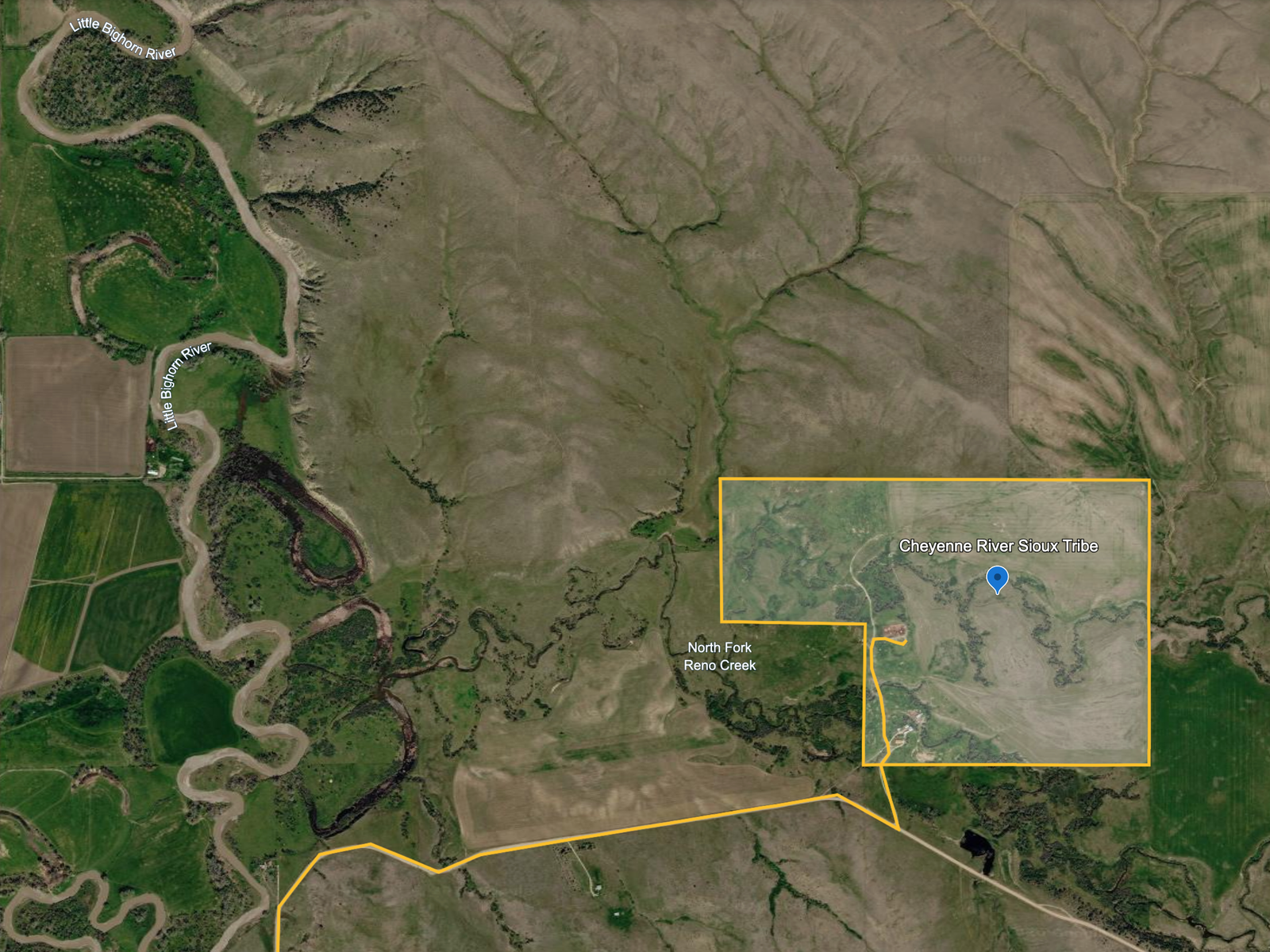
The Curtis Real Bird tipi-only campsite consists of about 30 acres. An adjacent area has been set aside for RVs. In addition, the Cheyenne River Sioux Tribe is also offering a campsite of 200 acres about 10 minutes south from the main tipi camp on Real Bird land. Tom Eaglestaff is listed on the tribal contact flyer. The camp contacts are also available to answer questions. He can be contacted for more information about camping at the larger Cheyenne River location, near the 7th Ranch RV camp. Here's the Google Map Link.

Northern Cheyenne Vice President Ernest Littlemouth said President Star Comes Out first approached him about commemorating the Battle of the Greasy Grass about two years ago. Then last summer, a string of meetings unfurled with the last one June 4-5 in Rapid City, South Dakota. One of the final planning meetings is scheduled June 18-19 at the Billings Urban Indian Health and Wellness Center. On June 19 the meeting will take place at the Real Bird Reenactment location.
As time passes, the list of activities continues to evolve, with events now beginning June 17 and ending around June 29.
Participants should keep in mind that there are at least three major events occurring at the same time. Alongside the Native-led schedule, the city of Hardin will host the Little Bighorn Days, and the National Park Service — which expects 10,000 people per day and stage events at the national monument — is also hosting activities. Also, June 22-28, the Crow tribe will host Crow Native Days.
During previous planning meetings, everyone was reminded that the upcoming large gathering is to remember the past, honoring those who fought to retain a traditional way of life, and to focus on the future of Native peoples. Everyone should be of one mind and spirit, said Star Comes Out.
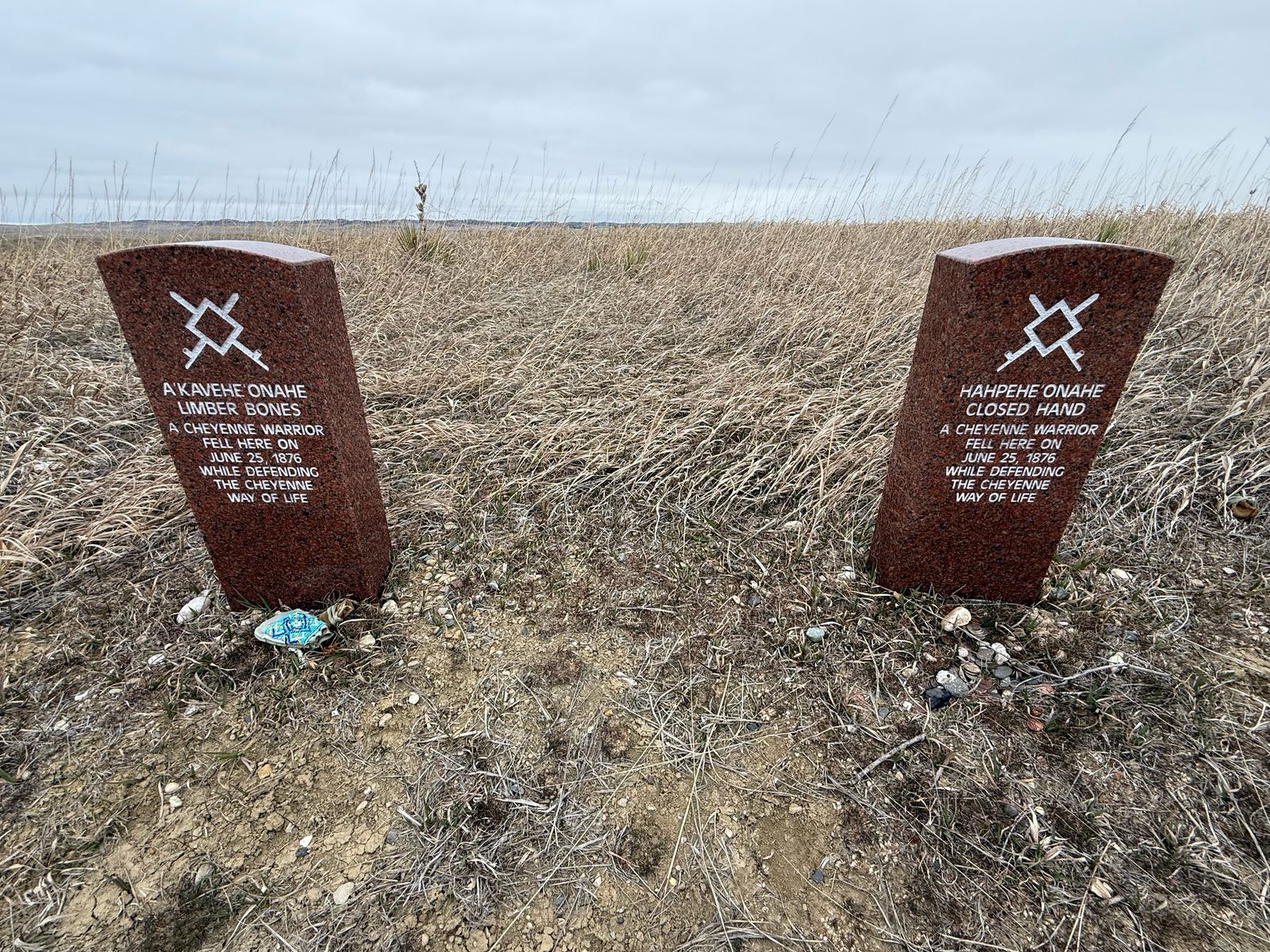
Custer’s surprise attack on the peaceful allied village killed and harmed Lakota, Cheyenne and Arapaho women and children. But the attack quickly turned into sudden death for those cavalrymen. All the allied tribes later paid a heavy price for their victory, a triumph waged after years of warring episodes between cavalry soldiers and Indians on the Northern Plains.
Many of those tribes later experienced massacres and starvation. As many as 5,000 Lakota escaped to Canada before being forced back into the United States. While a few bands remained north of the Medicine Line border, thousands returned in 1881 with Hunkpapa Chief Sitting Bull. Chief Spotted Eagle, a leader at the Greasy Grass, returned to the United States around 1880 with nearly 500 Lakota.
Several people asked participants to stay prayerful and accountable while attending the Greasy Grass events.
If you would like to send us flyers to display on our Flyers Board Flyers Board, please use this submission form.
References
- 1.
Jodi Rave Spotted Bear
(Mandan, Hidatsa/ Mniconjou Lakota)Founder & Editor in Chief
Spoken Languages: English
Topic Expertise: Federal trust relationship with American Indians; Indigenous issues ranging from spirituality and environment to education and land rights
Sharing Is Caring
This article is not included in our Story Share & Care selection.
The content may only be reproduced with permission from the Indigenous Media Freedom Alliance. Please see our content sharing guidelines.
© Buffalo's Fire. All rights reserved.
We provide independent Native-focused reporting that gives our communities the context and the facts they need to make informed decisions.
Respect The Fire
At Buffalo's Fire, we value constructive dialogue that builds an informed Indian Country. To keep this space healthy, moderators will remove:
- Personal attacks, harassment, or hate speech
- Spam, misinformation, or unsolicited promotion
- Off-topic rants and excessive shouting (All Caps)
Let’s keep the fire burning with respect.