






Experts discuss tribal sovereignty’s role in the growing hemp and cannabis industry
Great Lakes summit addresses recent Minnesota appeals court ruling saying possession is civil matter and the state lacks authority to prosecute tribal members on tribal lands

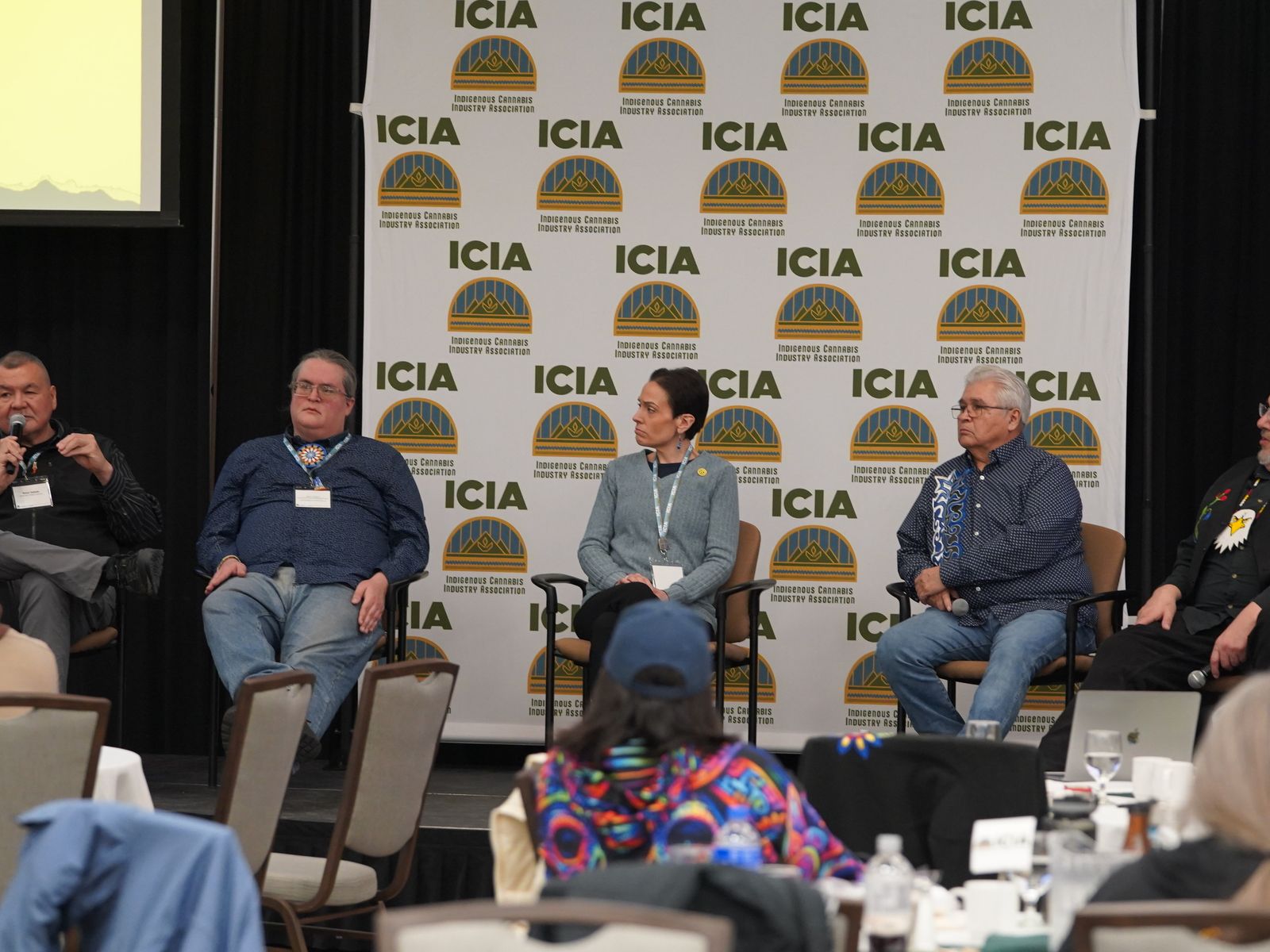
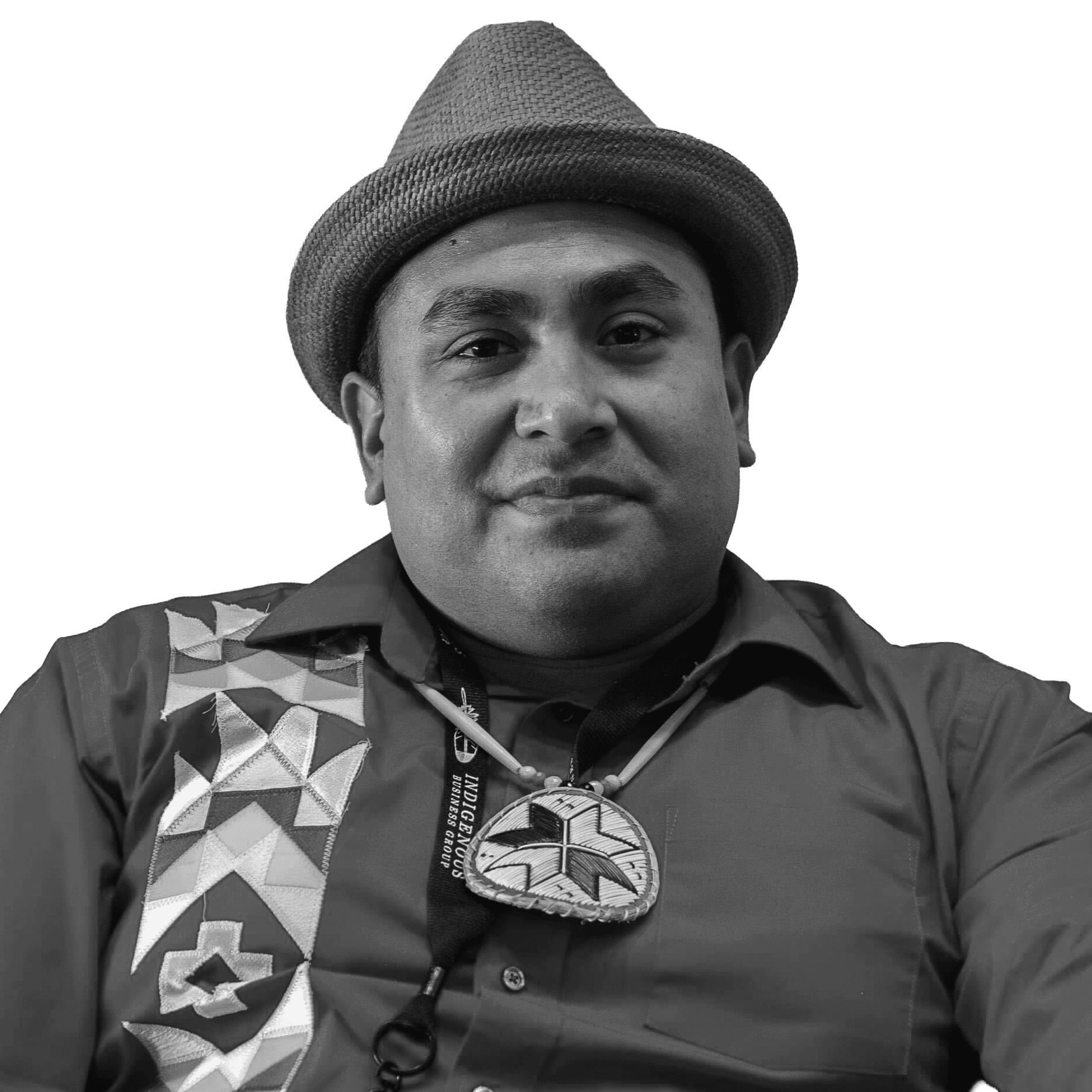
The Indigenous Cannabis Industry Association recently led the fourth annual Great Lakes Indigenous Cannabis and Hemp Summit in Lac du Flambeau, where participants discussed federal and state policies affecting the industry. Attorneys, advocates, tribal and business leaders who gathered in northern Wisconsin also focused on Public Law 280 and Minnesota’s adult-use cannabis law, which passed in 2023.
“The Great Lakes region represents both immense opportunity and complex jurisdictional challenges. By engaging early and collaboratively, tribal nations can avoid regulatory uncertainty while asserting their inherent rights,” said Jane Oatman, Indigenous Cannabis Industry Association executive director, to Buffalo’s Fire. “This approach not only strengthens tribal enterprises but also fosters stability and predictability for surrounding communities and business partners."
Wisconsin, which does not have medical or adult-use cannabis laws in place, is the only state in the Great Lakes region that does not permit cannabis growth or sales. In early February, state Democrats introduced a bill that would fully legalize marijuana, but it is expected to fail. Republicans control both chambers of the state legislature and have opposed efforts to fully legalize cannabis in the state. They have indicated they would consider limited medical programs.
A panel discussion Feb. 25 at Lake of the Torches Convention Center focused on new federal legislation that eliminated the growth and sale of hemp permitted by the 2018 Farm Bill. The bill allows the growth and sale of hemp, which is now a multimillion dollar industry. New legislation, the Continuing Appropriations and Extensions Act of 2026, signed by President Donald Trump in December 2025, bans most intoxicating hemp-derived products.
Currently, legislative efforts in Wisconsin have been focused on regulating the existing hemp industry, where many businesses in the state, including some owned by tribes and tribal citizens, used a loophole in the 2018 Farm Bill that permitted the growth and sale of hemp. That loophole closed late last year as part of the end of the 2025 government shutdown, under which the “unregulated sale of intoxicating hemp-based or hemp-derived products” would be banned. It’s expected to take effect in November, however, massive federal layoffs in 2025 may extend it for one more year, experts say.
Currently, many operations in Wisconsin, including the Lac du Flambeau operation, grow, package, and sell cannabidiol products derived from hemp. The Menominee Nation of Wisconsin, the Oneida Nation of Wisconsin and the Forest County Potawatomi also have hemp growth operations.
Another focal point of the Wisconsin conference was President Trump’s executive order in December that directs the Department of Justice to reclassify cannabis as a Schedule III – downgrading from Schedule I – substance under the Controlled Substances Act. The reclassification does not make cannabis legal, though, say experts. Rescheduling would pave the way for more medical research and would downgrade the penalties for possessing cannabis.
“I think the only direct impact is that it eliminates the tax penalty for cannabis businesses,” Jason Tarasek, a Cannabis Law attorney at Vicente LLP, said of the potential reclassification of cannabis. “But I think there's an incredible symbolic impact. I mean, it's the first time the federal government is essentially acknowledging that cannabis has a medical benefit.”
Because cannabis is considered illegal under federal law, cannabis businesses face tax penalties and restrictions. Cannabis businesses are unable to deduct ordinary business expenses, such as rent, payroll, and marketing, on their federal tax returns. The rescheduling of cannabis to a lower schedule, under the Controlled Substances Act, may allow cannabis businesses to deduct business expenses.
As of June 26, 2025, 40 states, three territories, and the District of Columbia allow the medical use of cannabis products, and 24 states allow some form of recreational use, according to the National Conference of State Legislatures.
Wisconsin is a Public Law 280 state. Passed in 1953, the federal statute known as Public Law 280 allows local law enforcement to enforce state criminal laws in five states: California, Minnesota, Nebraska, Oregon, Wisconsin and Alaska upon statehood. Congress amended the law in 1968 under the Indian Civil Rights Act to allow states to return criminal jurisdiction to tribes, but none have done so.
“Minnesota tribes are leading the growth and distribution of cannabis to every dispensary in the state of Minnesota because they were operationally ready,” said Tarasek. “We want to be ready for legalization in Wisconsin, whether that's adult use or medical. Hemp and cannabis are the same plant. You can build a grow facility and at least start growing hemp, and if the time comes when you flip the switch and change your crop to full-scale cannabis, that's not that difficult.”
Last month, Public Law 280 was the focus of a criminal case in Minnesota that stems from 2023, where an Ojibwe man on the White Earth Reservation was raided by police and had more than seven pounds of cannabis and $2,748 taken from him the day after cannabis became legal in the state. He was later charged and faced up to five years in prison because the state claimed he possessed too much cannabis and that he was in violation of state criminal law.
Minnesota’s Court of Appeals issued a ruling that the state lacks the authority to prosecute tribal members on reservation lands and that possession of cannabis is a civil rather than criminal matter. When the adult recreational cannabis law was passed, it also included that Minnesota tribal governments can regulate cannabis within their jurisdiction.
“What they found in this case is that these state laws are civil regulatory in nature, and under PL280 the state can't assert that type of regulation or authority over tribes,” said Jana Simmons, attorney at Ropers Majeski in Los Angeles. “So there's a good ruling out of Minnesota on PL280, saying ‘no state, this is civil, regulatory nature and you cannot impose your law in Indian Country.’”
Whether an issue is civil or criminal determines who has jurisdiction: the tribes or the state. Legal experts say Public Law 280 is outdated and that tribes should organize to repeal it, so both tribes and the federal government would enforce criminal laws on tribal lands in the state.
Tribes like the Red Lake Band of Chippewa in Minnesota, the Menominee Nation of Wisconsin and the Eastern Band of Cherokee in North Carolina are exempt from state criminal jurisdiction. There, tribal and federal law enforcement agencies share criminal jurisdiction. Each is involved in the regulation, growth and sale of cannabis or hemp products on their lands.
Starting a cannabis or hemp business isn’t an easy task, say some tribal leaders. Compliance with laws has many aspects, including the packaging of products and the licensing of vendors, all while maintaining safety in products in the community and beyond.
Tribal leaders at the conference agreed that it is vital for each tribe to pass an ordinance or form of law that regulates cannabis, or hemp in the case of Wisconsin. “Economic development in Indian Country goes beyond short-term revenue,” ICIA founder Rob Pero told Buffalo’s Fire. “Cannabis enterprises, when thoughtfully implemented, can fund housing initiatives, language preservation programs, workforce training and culturally aligned healthcare services. The key is intentional policy design coupled with strong governance.”
"The message from the Great Lakes Summit is clear: sovereignty and economic development are not competing goals — they are mutually reinforcing,” said Pero. “When tribes lead with vision, integrity and collaboration, entire regions benefit.
References
- 1.
- 2.
- 3.
- 4.
Darren Thompson
(Lac du Flambeau Ojibwe)Former Reporter
Sharing Is Caring
This article is not included in our Story Share & Care selection.
The content may only be reproduced with permission from the Indigenous Media Freedom Alliance. Please see our content sharing guidelines.
© Buffalo's Fire. All rights reserved.
We provide independent Native-focused reporting that gives our communities the context and the facts they need to make informed decisions.
Respect The Fire
At Buffalo's Fire, we value constructive dialogue that builds an informed Indian Country. To keep this space healthy, moderators will remove:
- Personal attacks, harassment, or hate speech
- Spam, misinformation, or unsolicited promotion
- Off-topic rants and excessive shouting (All Caps)
Let’s keep the fire burning with respect.