






Bill adding Indigenous languages and rights for wild rice introduced to Minnesota legislature
State Senator Mary Kunesh introduced multiple bills that would add protections to wild rice, Minnesota’s state grain

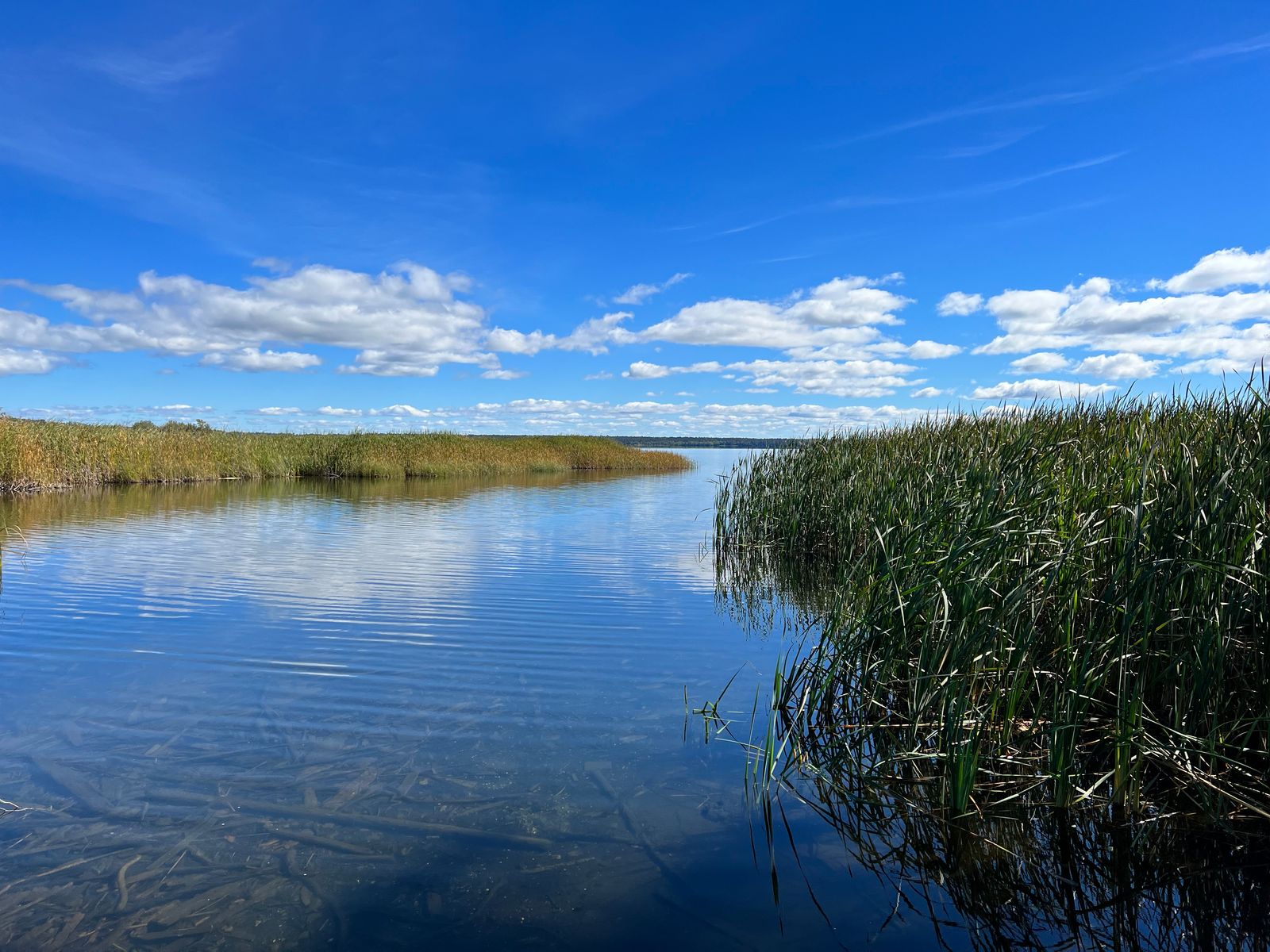

An Indigenous food that influenced a centuries-old migration may get additional protection in Minnesota as the state’s legislature considers a bill that had a committee hearing on Tuesday, March 10. Wild rice, as it’s called in the English language, has been harvested by both the Dakota and Ojibwe people for centuries, but the state only acknowledges the plant by its English misnomer.
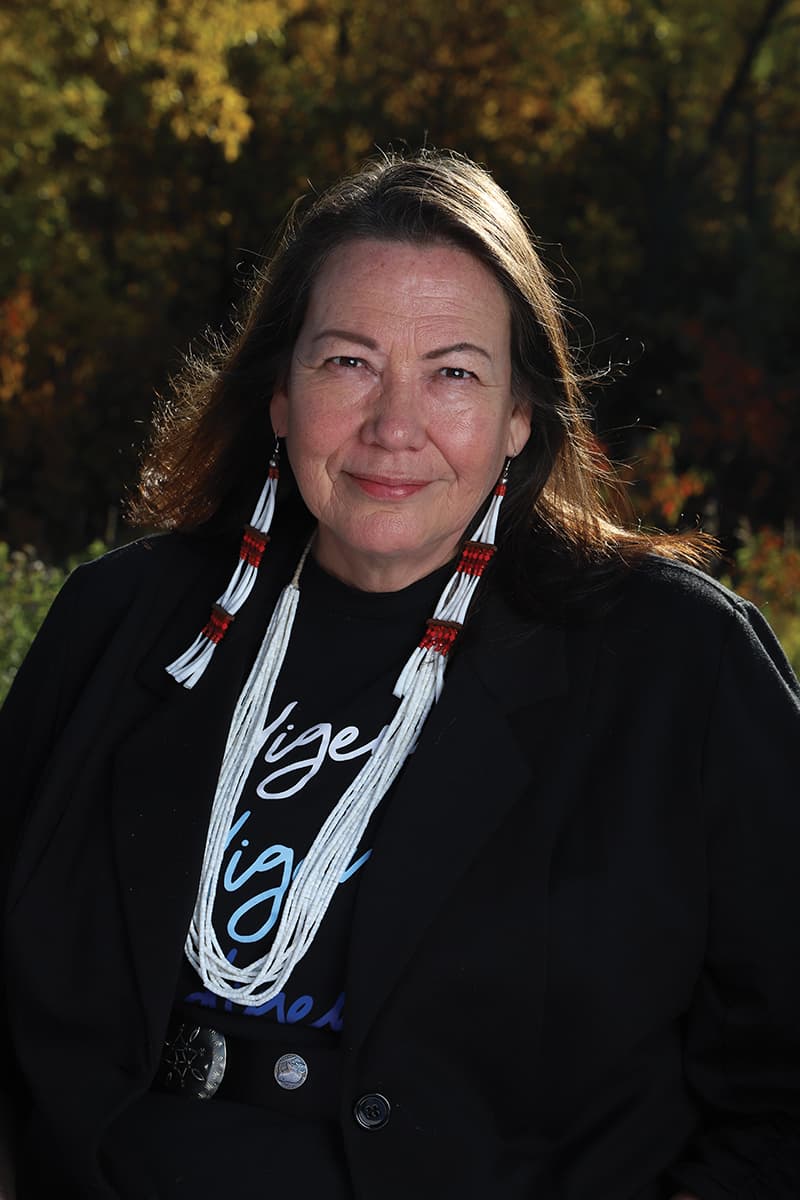
In one bill, Minnesota State Senator Mary Kunesh, a Standing Rock Sioux Tribe descendant, is attempting to amend the existing law that acknowledges wild rice as Minnesota’s state grain to include the Dakota and Ojibwe languages in its description, as well as add protections to allow the plant “the inherited right to exist and thrive in Minnesota.”
Kunesh, who authored the amendment, provided testimony to Minnesota’s Senate State and Local Government Committee on Tuesday, and said, “Senate File number 3749 is adding just one sentence to the definition of our state grain. It states, ‘it is the policy of this state to recognize the inherent right of uncultivated wild rice to exist and thrive in Minnesota’.”
The amendment is being considered for inclusion in a future bill, and if it passes, would include the Dakota and Ojibwe words for wild rice—psín and manoomin in the Dakota and Ojibwe languages, respectively. Kunesh introduced other bills to protect wild rice, including modifying the use of pesticides in wild rice beds, prohibiting watercraft with motorized boats in its natural habitat and requiring justification assessments. Hearings for those bills have not been scheduled.
“By recognizing this, the state of Minnesota is stepping into a reciprocal relationship with the plant that has been our state grant for nearly 50 years,” Kunesh said. “Minnesota is already legally required by treaties to consider manoomin and the waters it depends on, and this is just ensuring that this takes place going forward.”
Wild rice grows naturally in the northern Great Lakes region, in Michigan, Wisconsin, Minnesota and partially in North Dakota—all regions where Ojibwe people live and retain rights to harvest foods. Wild rice is the only grain explicitly listed in a treaty as a guarantee.
The Ojibwe people migrated from the East Coast to the Great Lakes region prior to the arrival of Europeans in the early 1600’s and followed a prophetic message that influenced them to travel west to find the place where “food grows on water.” Called manoomin in the Ojibwe language, it translates to “good seed” or “good berry” and is traditionally harvested in the fall using a birchbark canoe and long wooden tools, generally called “knockers” today.
“We owe protection to this sacred being, to generations before and generations to come, to ecosystems and making progress that actually sticks.”
Ojibwe heritage and history have been largely influenced by their relationship with the plant, and the month of August is called manoominike-giizis, or wild-ricing moon, the time when wild rice is harvested. Harvesting the plant too soon will interrupt the plant’s natural life cycle, say harvesters. Indigenous harvesters say climate change, development, and overharvesting have contributed to the plant’s decline in the last several decades.
“We’ve seen what happens when human beings convince ourselves we are above nature,” Tara Houska, an Ojibwe attorney who lives in northern Minnesota, told Buffalo’s Fire. “It’s time to remember how to coexist with nature, while we still can. Recognizing nature’s inherent right to exist is a beautiful step forward. Wild rice has slowly declined over decades, thanks to pollution and an ever-warmer Earth. We owe protection to this sacred being, to generations before and generations to come, to ecosystems and making progress that actually sticks.”
Several Minnesota tribes have taken their own efforts to protect the plant, including the Bois Forte Band of Chippewa in northeastern Minnesota. Nett Lake, a 7,400 acre lake on the Bois Forte’s Reservation, is the world’s largest and most productive wild rice lake due to the tribe’s management of its lands and resources. Bois Forte has never allowed fertilizers, pesticides or motorized boats on the lake and prohibits the sale of green rice—for the purpose of reseeding wild rice off the reservation.
“If we band members get caught selling green rice off reservation, we can lose our individual ricing privileges,” Ashley Goodsky, an enrolled Bois Forte Band member who lives in Nett Lake, told Buffalo’s Fire. “Descendants have to get a special permit and some get denied.”
In 2018, the White Earth Band of Ojibwe passed a “Rights of Manoomin Law” protecting wild rice and the freshwater it needs to grow naturally. On White Earth lands, the plant has legal rights and the effort is modeled after the Rights of Nature, a movement that treats ecosystems such as rivers, forests, and mountains the same legal status as a person. Compared to treating nature, or natural resources, as property under the law, Rights of Nature acknowledge that nature in all of its life forms has the right to exist, persist, maintain and regenerate its vital cycles.
In the last decade, the Rights of Nature have been recognized in courts and adopted internationally. In 2008, Ecuador and Bolivia both added Rights of Nature clauses to their constitutions, and in 2016, the Ho-Chunk Nation of Wisconsin became the first tribe in the U.S. to adopt the Rights of Nature. The Ponca Nation of Oklahoma became the second U.S. tribe to do so.
Darren Thompson
(Lac du Flambeau Ojibwe)Former Reporter
Sharing Is Caring
This article is not included in our Story Share & Care selection.
The content may only be reproduced with permission from the Indigenous Media Freedom Alliance. Please see our content sharing guidelines.
© Buffalo's Fire. All rights reserved.
We provide independent Native-focused reporting that gives our communities the context and the facts they need to make informed decisions.
Respect The Fire
At Buffalo's Fire, we value constructive dialogue that builds an informed Indian Country. To keep this space healthy, moderators will remove:
- Personal attacks, harassment, or hate speech
- Spam, misinformation, or unsolicited promotion
- Off-topic rants and excessive shouting (All Caps)
Let’s keep the fire burning with respect.