






North Dakota’s Voter ID Law Will Disenfranchise Thousands of Native Americans, Imperiling Heitkamp

By Mark Joseph Stern From Slate
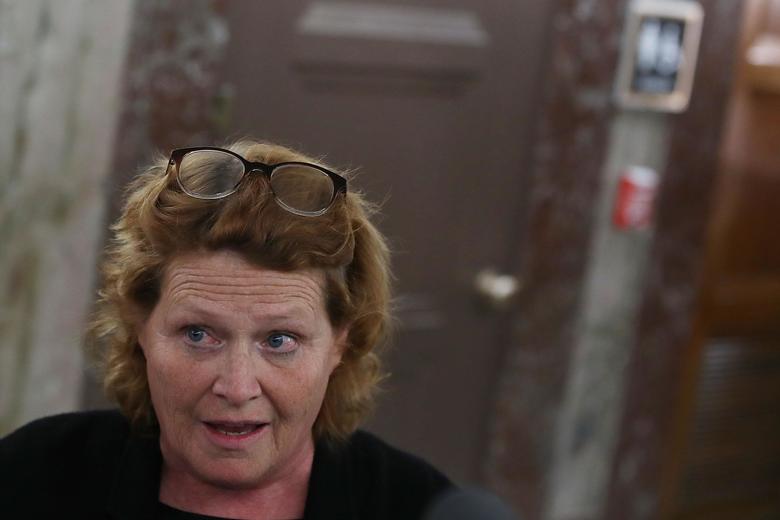
The Supreme Court on Tuesday refused to block a key provision of North Dakota’s voter ID requirement, ensuring that the law will be in effect during the 2018 midterm election. As Justice Ruth Bader Ginsburg pointed out in her dissent, this decision is bad news for the thousands of voters who may now be unable to cast a ballot in November. It’s also terrible news for Sen. Heidi Heitkamp, a Democrat defending her seat against Rep. Kevin Cramer, a Republican challenger who’s ahead in the polls. By design, North Dakota’s law disproportionately disenfranchises Native American voters, who lean Democratic. Tuesday’s ruling could swing the election toward Cramer—and deny Democrats control over the Senate.
Until recently, voting in North Dakota was relatively easy. The state has no voter registration; historically, residents could simply show up at the polls and provide some form of identification (no photo required). If they lacked ID, voters could sign an affidavit confirming their eligibility. The GOP-controlled Legislature began cracking down on suffrage shortly after Heitkamp eked out an unexpected victory in 2012, winning by fewer than 3,000 votes. Republicans introduced a stringent voter ID requirement, then scrapped the affidavit option. A federal district court blocked the new rules in 2016 as a likely equal-protection violation due to the massive burdens they placed on Native American voters. The Legislature tweaked the law in 2017, but the court again froze a large chunk of it in April, citing its “discriminatory and burdensome impact on Native Americans.”
Finish reading this article HERE.
Spotted an error? Suggest a correction.
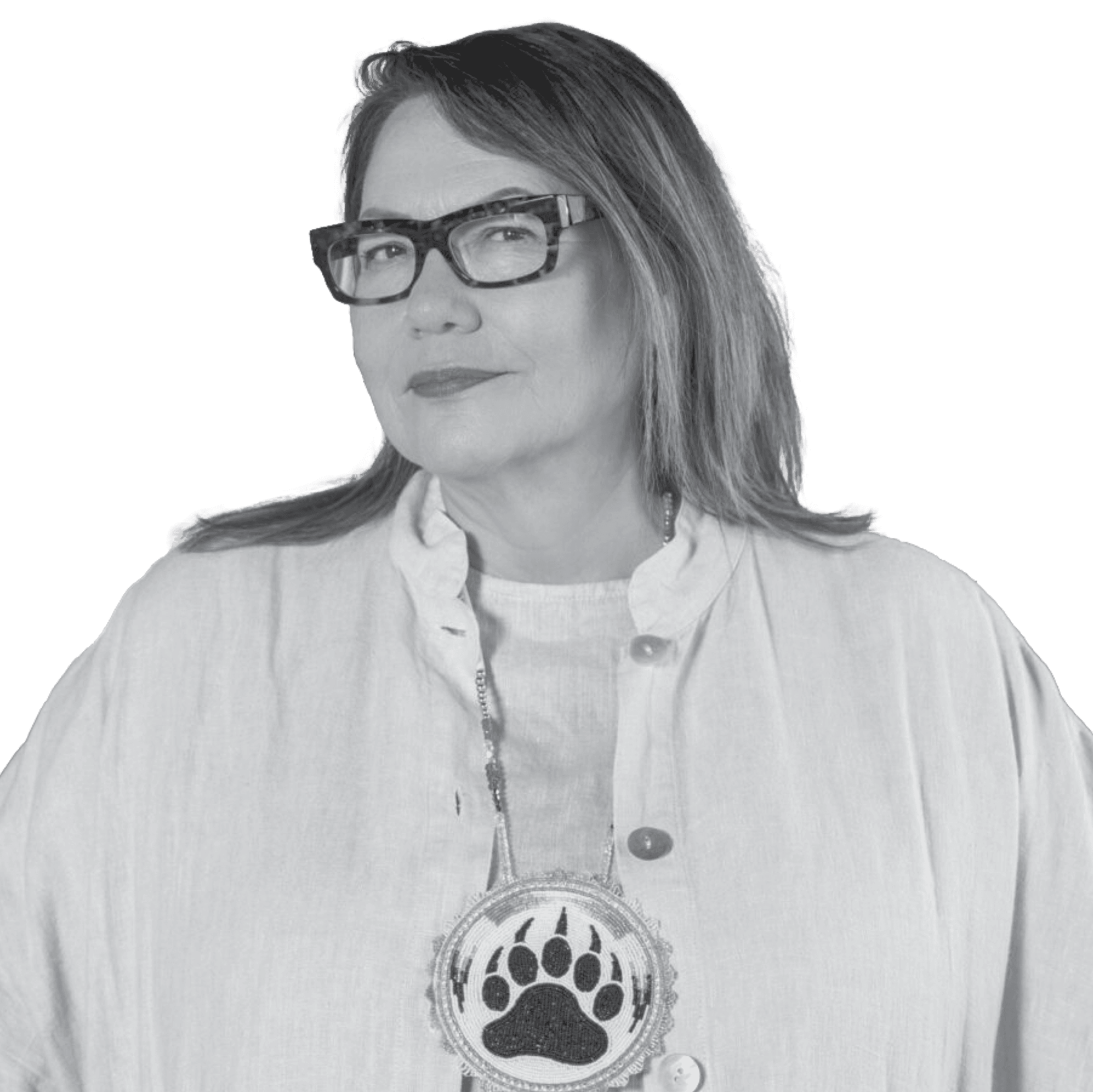
Jodi Rave Spotted Bear
(Mandan, Hidatsa/ Mniconjou Lakota)Founder & Editor in Chief
Spoken Languages: English
Topic Expertise: Federal trust relationship with American Indians; Indigenous issues ranging from spirituality and environment to education and land rights
Sharing Is Caring
This article is not included in our Story Share & Care selection.
The content may only be reproduced with permission from the Indigenous Media Freedom Alliance. Please see our content sharing guidelines.
© Buffalo's Fire. All rights reserved.
We provide independent Native-focused reporting that gives our communities the context and the facts they need to make informed decisions.
Respect The Fire
At Buffalo's Fire, we value constructive dialogue that builds an informed Indian Country. To keep this space healthy, moderators will remove:
- Personal attacks, harassment, or hate speech
- Spam, misinformation, or unsolicited promotion
- Off-topic rants and excessive shouting (All Caps)
Let’s keep the fire burning with respect.