






Northern Cheyenne’s specially elected council has been governing ‘unlawfully,’ appellate court finds
New ruling reaffirms the authority of council members who were ousted in 2025

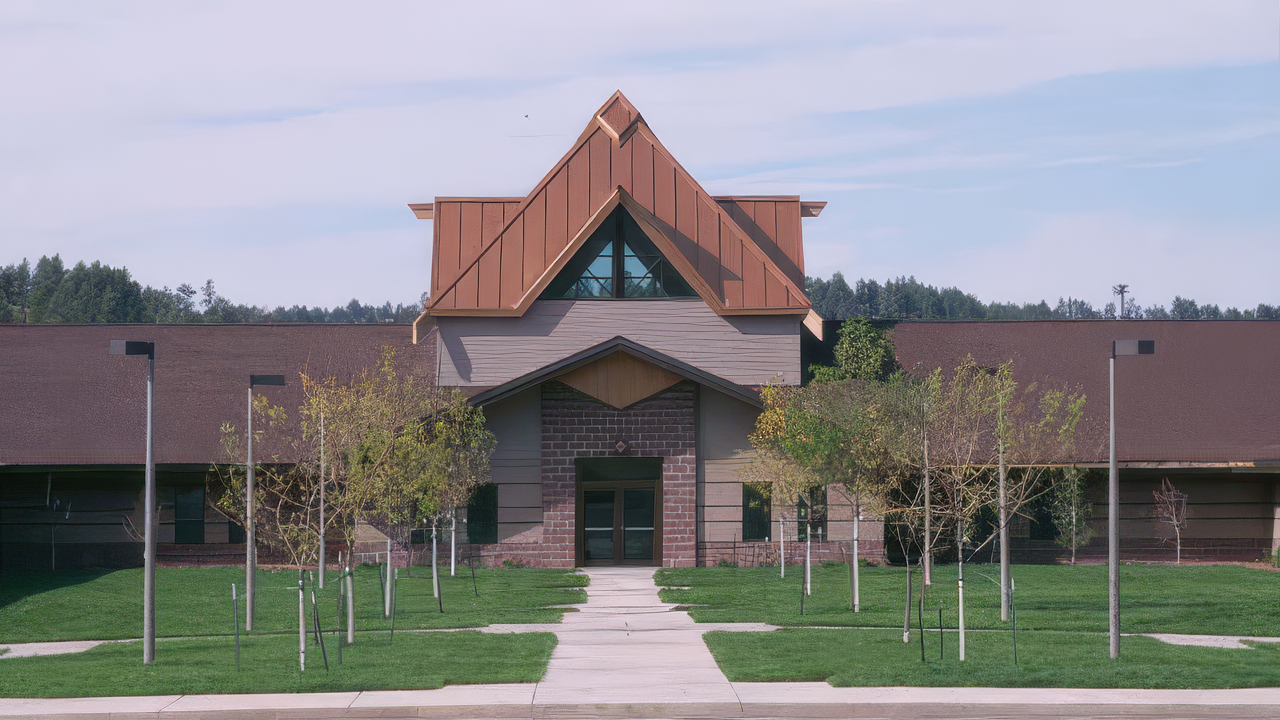

In the ongoing dispute over tribal leadership on the Northern Cheyenne Reservation, a new court ruling Tuesday reinforced the authority of council members Melissa Fisher, Melissa Lonebear, Kristi Killsnight and others who were ousted from the tribal government last fall.
Northern Cheyenne Appellate Judge Adrian A. Miller issued the ruling in response to an appeal by an opposing faction of tribal leaders also jockeying for authority over the small community in Lame Deer, Montana.
At the heart of a situation the judge described as “chaos” are unresolved questions about the tribe’s finances, its constitution and who is ultimately in charge.
The conflict stems from tensions that arose in September 2025, when Tribal President Gene Small convened three Traditional Chiefs to formally strip eight elected council members of their positions. Alleging financial mismanagement by the council, Small then sought to replace those representatives in an October 2025 special election where women and people under 30 were not allowed on the ballot.
Small’s ability to unseat the eight council members hinged on the support of Traditional Chiefs Larry Medicine Bull, Wesley Spotted Elk and Roger Killsnight. Small contended the three Traditional Chiefs could enforce internal laws for the council that superseded the Northern Cheyenne constitutional procedures — but the Sept. 22 court ruling unequivocally upheld the supremacy of the Constitution.
“The issue in this case is not the internal law of Defendant Chiefs,” Judge Miller wrote in the decision. “The issue is the external actions that those Chiefs took when issuing the Declaration and removing Plaintiffs from the Tribal Council.”
In recent weeks, the Traditional Chiefs and the council members who came to power through the controversial special election appealed a court ruling that sided with the original council members ousted by Small.
Miller rejected their appeal, writing that the Constitution “does not give Defendant Chiefs authority to arbitrarily remove a member of the Tribal Council.”
In fact, Miller added, the Constitution outlines set procedures for removing an elected council member — none of which was followed in the efforts to unseat Fisher, Lonebear, Killsnight and their colleagues.
Under Northern Cheyenne law, Miller explained, a council member at risk of being removed must be afforded due process rights, including a “fair opportunity” to defend against removal. A two-thirds vote of tribal council is also required to unseat an elected official, and democratic processes for filling a vacancy involve additional formal procedures that weren’t followed in the October 2025 special election.
Therefore, Miller upheld an earlier trial court decision to void the special election, reasserting the authority of the council members who were originally elected via the constitutional processes.
Miller’s opinion decried the specially elected council for governing “unlawfully” over the past year, adding: “Allowing them to continue in their current positions simply because so much time has passed would compound the wrongs flowing from the unlawful Declaration.”
Sharing Is Caring
This article is not included in our Story Share & Care selection.
The content may only be reproduced with permission from the Indigenous Media Freedom Alliance. Please see our content sharing guidelines.
© Buffalo's Fire. All rights reserved.
We provide independent Native-focused reporting that gives our communities the context and the facts they need to make informed decisions.
Respect The Fire
At Buffalo's Fire, we value constructive dialogue that builds an informed Indian Country. To keep this space healthy, moderators will remove:
- Personal attacks, harassment, or hate speech
- Spam, misinformation, or unsolicited promotion
- Off-topic rants and excessive shouting (All Caps)
Let’s keep the fire burning with respect.